How do you draw a cute mouse?
Short answer
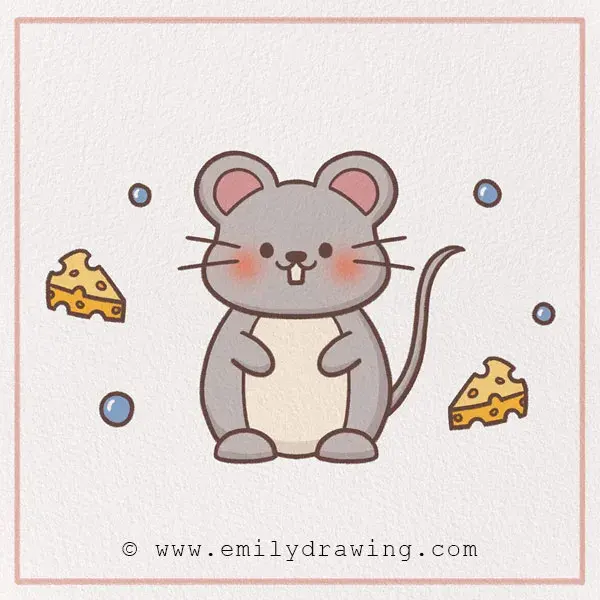
Drawing a cute mouse involves using simple geometric shapes to build a balanced, appealing character. By focusing on large, rounded features like oversized ears and wide-set eyes, you create an immediate sense of innocence. Follow a structured approach, starting with basic circles, to ensure your drawing remains proportional and charmingly expressive.
On this page
How to draw a cute mouse step by step
Creating a cute mouse begins with establishing a solid foundation using basic shapes. Start by drawing a large circle for the head and a slightly smaller, oval-shaped body attached beneath it. These proportions emphasize the "baby-like" features that humans naturally perceive as cute. Once your shapes are in place, you can refine the silhouette to give the mouse a soft, organic appearance.
Follow these steps to construct your character:
- Draw a large circle for the head and a smaller oval for the body.
- Add two large, circular ears at the top of the head, ensuring they overlap slightly with the skull.
- Place two small, dark circles near the center of the face for eyes, leaving space between them for a tiny nose.
- Draw a curved line for a small smile and add a long, thin tail extending from the base of the body.
- Erase the overlapping construction lines to reveal your clean, simplified mouse outline.
Best tools for drawing cute characters
For beginners, the choice of tools significantly impacts the final result. Graphite pencils are ideal for the initial sketching phase because they allow you to make light, erasable marks while you refine your proportions. A 2B pencil provides a good balance between darkness and ease of erasure, which is helpful when you are still learning how to balance the size of the ears against the head.
Once the sketch is complete, you can use fine-liner pens to finalize the lines. Look for pens with a felt tip or a micro-pigment ink, as these provide a smooth, consistent flow that makes the mouse look polished. If you prefer to add color, alcohol-based markers or colored pencils work best for filling in the shapes. These mediums allow for smooth blending, which helps maintain the soft, approachable aesthetic essential for a "cute" design.

Why large eyes and ears look cute
The perception of cuteness is often linked to the "baby schema," a concept in evolutionary psychology. Features such as large eyes, a rounded head, and small noses trigger an instinctive caregiving response in humans. When drawing a mouse, exaggerating these specific proportions makes the character appear more vulnerable and endearing. By making the ears disproportionately large compared to the head, you create a focal point that captures the viewer's attention immediately.
The placement of these features is just as important as their size. Keeping the eyes low on the head leaves more space for the forehead, which mimics the proportions of a human infant. Avoid placing the eyes too high, as this can make the mouse look older or more serious. A small, simple nose placed slightly below the center of the eyes helps maintain a balanced, friendly expression that feels approachable and gentle.
Common mistakes when drawing mice
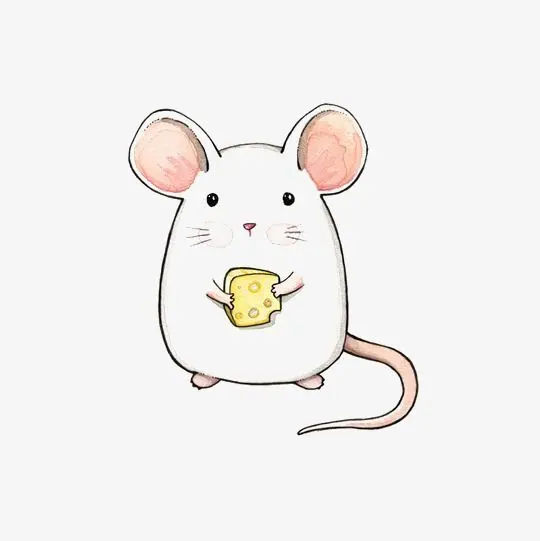
One of the most frequent errors is making the limbs or tail too thick. A cute mouse should appear delicate and light, so use thin, tapered lines for the arms, legs, and tail. If the lines are too heavy or blocky, the mouse may lose its whimsical quality and start to look more like a rodent in a scientific diagram. Always keep your lines fluid and curved rather than rigid or straight.
Another common mistake involves the facial expression. If the mouth is drawn too wide or with sharp, angular lines, the mouse loses its soft appearance. Aim for a simple, upward-curving arc to suggest a smile. Additionally, avoid adding too much detail, such as individual whiskers or complex fur textures, as these can clutter the drawing. A minimalist approach is usually more effective for cute character design because it allows the viewer to focus on the overall shape.
How to add personality to your mouse
Once you have mastered the basic anatomy, you can add personality to your mouse through subtle adjustments. Changing the shape of the eyebrows or the tilt of the head can drastically alter the character's mood. For example, slightly angled eyebrows can make the mouse look curious, while a tilted head suggests playfulness. Small accessories, such as a tiny bow or a small piece of cheese, can also tell a story about the character.
Consider these ways to enhance your drawing:
- Change the eye size to show different emotions, such as widening them for surprise.
- Adjust the ear position to show movement or alertness.
- Add simple props like a flower or a backpack to give the mouse a specific role.
- Vary the posture to show the mouse sitting, standing, or peeking out from behind an object.
By experimenting with these small details, you transform a basic drawing into a unique character with its own distinct personality and charm.
Key facts
- Start with two overlapping circles, a smaller one for the head and a larger one for the body.
- Draw large, rounded ears at the top of the head to immediately establish the "cute" aesthetic.
- Keep the eyes wide and set low on the face to emphasize a youthful, endearing expression.
- Use a tiny, inverted triangle for the nose and a simple "w" shape for the mouth.
- Add a long, thin, S-curved tail to provide balance and movement to the character design.
- Simplify limb shapes into small ovals or rounded nubs to avoid making the mouse look too realistic or intimidating.
The bottom line
Drawing a cute mouse relies on the principle of exaggeration, specifically by emphasizing large ears, wide eyes, and rounded body proportions. By simplifying the limbs and avoiding sharp, aggressive details, you create a character that feels approachable and charming. Practice these basic geometric shapes consistently, and remember that keeping your lines clean and your character’s expression soft is the secret to successful, endearing animal character design.
People also ask
What is the best pencil type for sketching characters?
Use an HB or 2B pencil for initial light sketches. These grades allow you to draw faint guidelines that are easy to erase once you finalize your permanent ink lines.
How do I make the mouse look friendly rather than scary?
Focus on soft, rounded shapes instead of sharp angles. Large eyes and a small nose are classic proportions that trigger a psychological response of affection in viewers.
Should I add fur texture to my drawing?
Avoid drawing individual hairs, as this can make the mouse look messy. Instead, use a smooth outline and add a few small, subtle tufts at the cheeks or ears to suggest fluffiness.
What is the most common mistake when drawing a mouse?
Beginners often make the ears too small or place them too far down the head. Large, oversized ears are the defining feature that makes a mouse recognizable and cute.
How do I draw the hands and feet?
Keep them minimal by using small, rounded shapes with three tiny lines to indicate digits. Detailed fingers often look claw-like and detract from the intended gentle appearance.
Can I use color to enhance the cuteness?
Yes, use soft, warm tones like light grays, pinks, or light browns. Avoid harsh, dark outlines in favor of softer, colored pencils to give the character a welcoming, storybook quality.
This answer was created with the help of AI research tools and reference sources. Spotted an error? Let us know — we correct mistakes quickly. See our editorial policy.