How do you draw a cartoon car?
Short answer
Drawing a cartoon car involves simplifying a vehicle into basic geometric shapes like rectangles and circles. By establishing a chassis, adding oversized wheels, and exaggerating features like the windshield or spoilers, you create a dynamic, stylized character. Focus on bold outlines and clean proportions to ensure the design remains readable and visually appealing.
On this page
How to start drawing a cartoon car
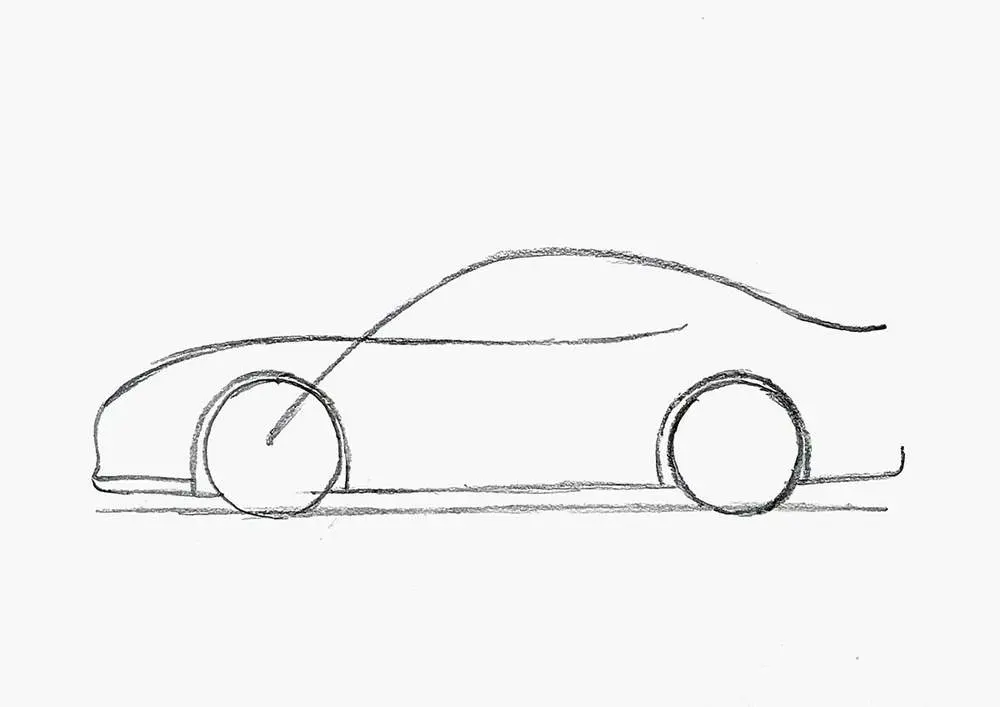
The most effective way to begin drawing a cartoon car is by blocking out the main body mass using simple geometric shapes. Think of the car as a combination of a large rectangle for the cabin and a flattened trapezoid for the hood. By starting with these light, structural lines, you ensure the proportions remain consistent before you commit to permanent ink.
Once your basic frame is established, you can begin adding the wheels. In cartooning, wheels are typically oversized to give the car a sense of personality and stability. Position the wheels slightly inside the body frame to create a grounded look. Follow these steps to lay your foundation:
- Sketch a long, low rectangle for the main chassis.
- Draw a smaller, sloped shape on top to represent the cabin and roof.
- Place two large circles at the bottom, ensuring they are aligned horizontally.
- Add a smaller circle inside each wheel to represent the hubcaps.
Best tools for drawing cartoon cars
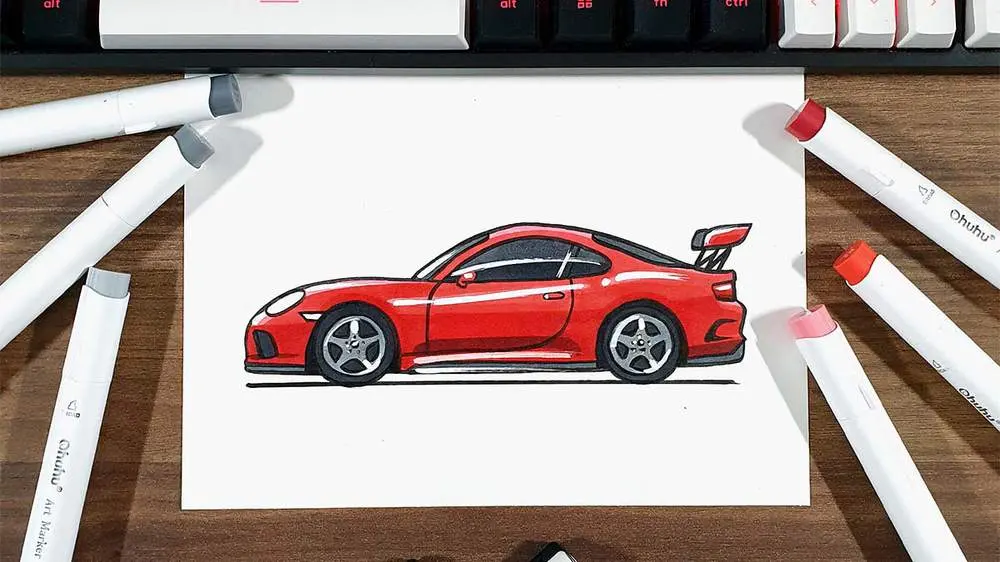
For beginners, using a standard graphite pencil with an HB lead is ideal for the initial sketching phase. This allows you to erase mistakes easily without damaging the paper surface. Once the structure is set, a fine-liner pen or a felt-tip marker is perfect for creating the bold, clean outlines that define the cartoon aesthetic.
If you prefer digital tools, a tablet with pressure-sensitive software provides the most flexibility. Digital brushes allow you to vary your line weight, which is crucial for making your car look three-dimensional. Regardless of the medium, keep a high-quality eraser nearby to clean up construction lines. Consider these essential supplies:
- HB or 2B graphite pencils for sketching.
- A kneaded eraser for lifting graphite without smudging.
- Waterproof pigment liners for final ink outlines.
- A set of alcohol-based markers for vibrant, flat color fills.
How to add character to a cartoon car
Cartoon cars often rely on anthropomorphism to become memorable. By adding a face to the vehicle, you transform a static object into a character. Place the eyes on the windshield, using the curvature of the glass to dictate the expression. A wide, curved bumper can serve as a mouth, which helps convey emotions like excitement or surprise.
Beyond facial features, you can exaggerate specific mechanical parts to tell a story about the car’s personality. A large, protruding exhaust pipe might suggest a fast, loud vehicle, while a tall, rounded roof could imply a slow, family-oriented car. Use these design elements to create a unique silhouette:
- Slant the windshield backward to suggest high speed.
- Add a large spoiler on the rear for a sporty, aggressive look.
- Use wide, thick tires to give the car a rugged, off-road appearance.
- Incorporate bright, contrasting colors to make the design pop on the page.
Common mistakes when drawing cartoon cars
One of the most frequent errors is failing to maintain consistent perspective. If the front of the car is drawn from a low angle, the wheels and roof must follow that same vanishing point. When the perspective shifts inconsistently, the car looks distorted rather than stylized. Always check that your wheels are aligned on the same ground plane.
Another common mistake is overcrowding the design with too much mechanical detail. Cartoon art is about simplification and clarity, not technical accuracy. If you draw every individual bolt, door handle, and vent, the drawing loses its punchy, graphic quality. Focus on the most recognizable features and omit the rest to keep the image clean. Avoid these pitfalls:
- Drawing wheels that are too small, which makes the car look fragile.
- Using too many thin, shaky lines instead of one confident, bold outline.
- Forgetting to leave white space for highlights, which makes the car look flat.
Why proportions matter in cartoon design
Proportions determine the "vibe" of your cartoon car. A low, wide car with a long hood typically signals luxury or speed, while a tall, narrow car feels more like a utility vehicle or a quirky city car. By manipulating the height of the roof or the length of the wheelbase, you can instantly change how the viewer perceives the vehicle's function.
Mastering these proportions allows you to build a diverse fleet of vehicles that all feel like they belong in the same world. Practice drawing the same car body with different wheel sizes or window shapes to see how drastically the character changes. Consistency in your style, such as using rounded corners versus sharp angles, will eventually define your unique artistic signature. Keep experimenting with these ratios until you find a balance that feels both fun and structurally sound for your specific cartoon project.
Key facts
- Start by drawing a long, horizontal rectangle with rounded corners to establish the car's main body.
- Place two circles beneath the rectangle to serve as the wheels, ensuring they are positioned slightly inward from the edges.
- Use a trapezoid shape on top of the main body to create the roof and cabin area.
- Add simple geometric shapes like squares or circles for headlights and taillights to give the car character.
- Keep lines bold and clean, as cartooning relies on exaggerated proportions rather than realistic shading or technical detail.
- Use a thick marker or pen to outline your final sketch, which helps the cartoon shape stand out clearly.
The bottom line
Drawing a cartoon car is an exercise in simplification and exaggeration. By focusing on basic geometric shapes like rectangles and circles, you can quickly build a recognizable vehicle. Prioritize bold outlines and clean, flat colors to achieve that classic animated aesthetic. With practice, you will learn to adjust proportions to create unique styles, turning simple sketches into expressive characters that capture the spirit of classic cartoons.
People also ask
Should I use a ruler when drawing cartoon cars?
It is generally better to draw freehand to maintain a fluid, organic look. Rulers can make a cartoon car appear stiff, whereas slight imperfections add personality to the design.
How do I make the car look like it is moving?
Draw horizontal motion lines behind the rear of the car to suggest speed. You can also tilt the car slightly forward or add a dust cloud near the tires to enhance the sense of action.
What is the best way to color a cartoon car?
Use flat, vibrant colors without complex gradients or textures. Bright primary colors like red, blue, or yellow are standard in cartooning because they are visually appealing and easy to recognize.
How do I draw the windows?
Draw a smaller shape inside the roof trapezoid to represent the windows. You can leave them white or color them a light blue to distinguish them from the body of the car.
Can I add a face to the car?
Yes, placing two circular headlights as eyes and a grille as a mouth is a popular technique. This anthropomorphic approach is a staple in animation and makes the vehicle appear friendly.
What are the most common mistakes beginners make?
Beginners often make the wheels too small or place them too far apart. Ensure the wheels are large enough to support the frame and position them so they look balanced under the chassis.
This answer was created with the help of AI research tools and reference sources. Spotted an error? Let us know — we correct mistakes quickly. See our editorial policy.