What is tonal drawing?
Short answer
Tonal drawing is a technique that uses varying shades of gray, from light to dark, to create the illusion of three-dimensional form on a two-dimensional surface. By manipulating light, shadow, and mid-tones, artists define volume and depth, moving beyond simple outlines to produce realistic representations of objects and their surrounding environments.
On this page
What is tonal drawing used for?
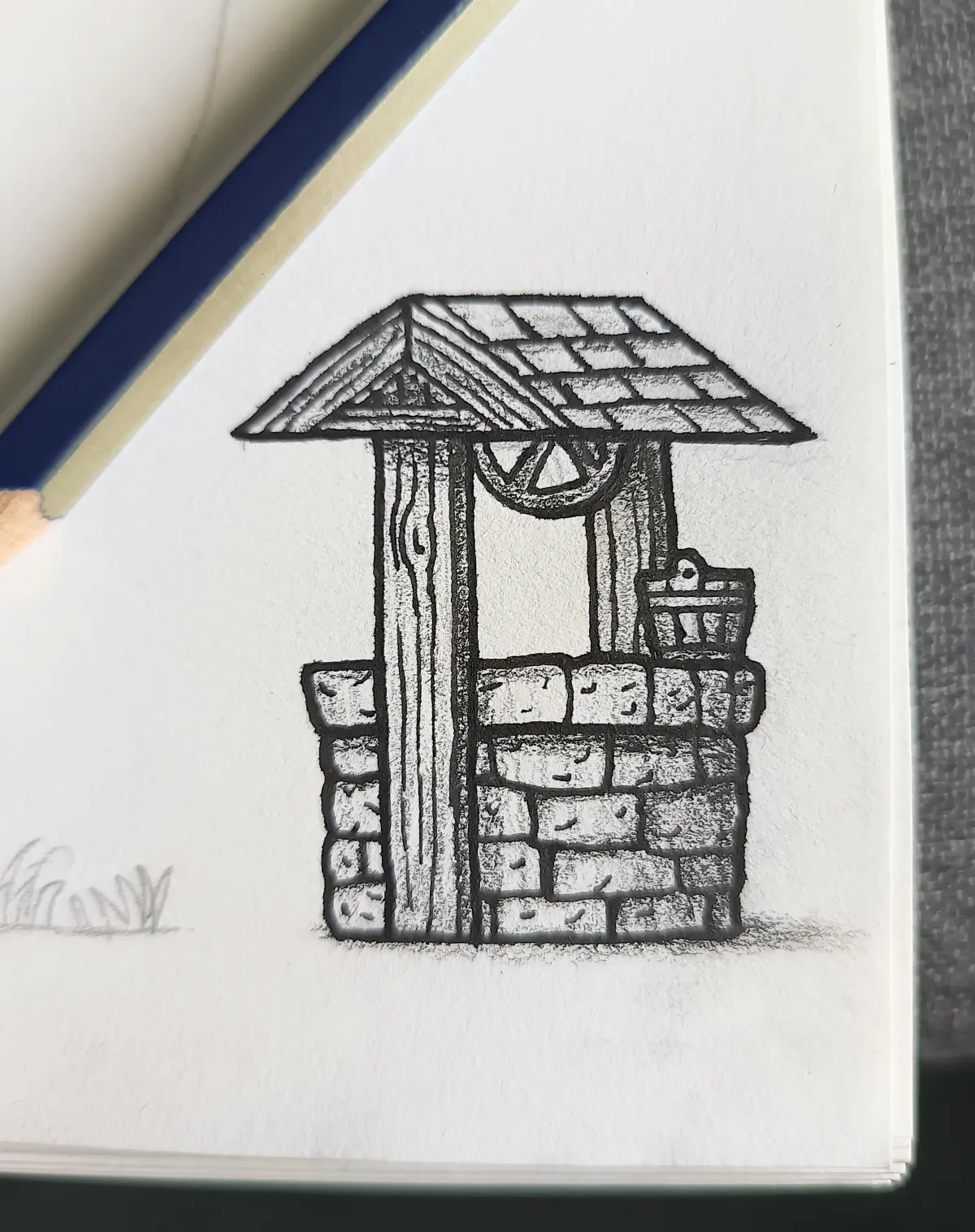
Tonal drawing is the primary method artists use to translate the physical world onto paper. While line drawings focus on boundaries and silhouettes, tonal drawings focus on how light hits a surface. By applying different pressures or layering graphite, charcoal, or ink, an artist can suggest the weight, texture, and density of an object. This approach is essential for achieving realism, as it mimics the way human eyes perceive light and shadow in nature.
Beyond mere realism, tone is a powerful tool for establishing atmosphere and mood. A high-contrast drawing with deep blacks and bright whites creates drama and tension, while a drawing composed of soft, subtle grays can evoke tranquility or mystery. Artists use these variations to guide the viewer’s eye through a composition, highlighting focal points by increasing the contrast in specific areas. Mastering tone allows an artist to move from flat, decorative sketches to immersive, lifelike compositions.
How to create tonal values in drawing
Creating a full range of values requires a systematic approach to layering and pressure control. Most artists start by mapping out the lightest and darkest areas of their subject to establish the total range of the composition. By identifying these extremes early, you ensure that the mid-tones have a clear framework to inhabit, preventing the drawing from looking washed out or muddy.
To build these tones effectively, follow these fundamental steps:
- Identify the light source to determine where highlights and cast shadows will fall.
- Apply a light base layer of graphite or charcoal across the mid-tone areas.
- Gradually darken the shadows by adding layers, cross-hatching, or blending.
- Use an eraser to lift out the brightest highlights, restoring the white of the paper.
- Refine the transitions between light and shadow to create smooth, realistic gradients.
Best tools for tonal drawing beginners
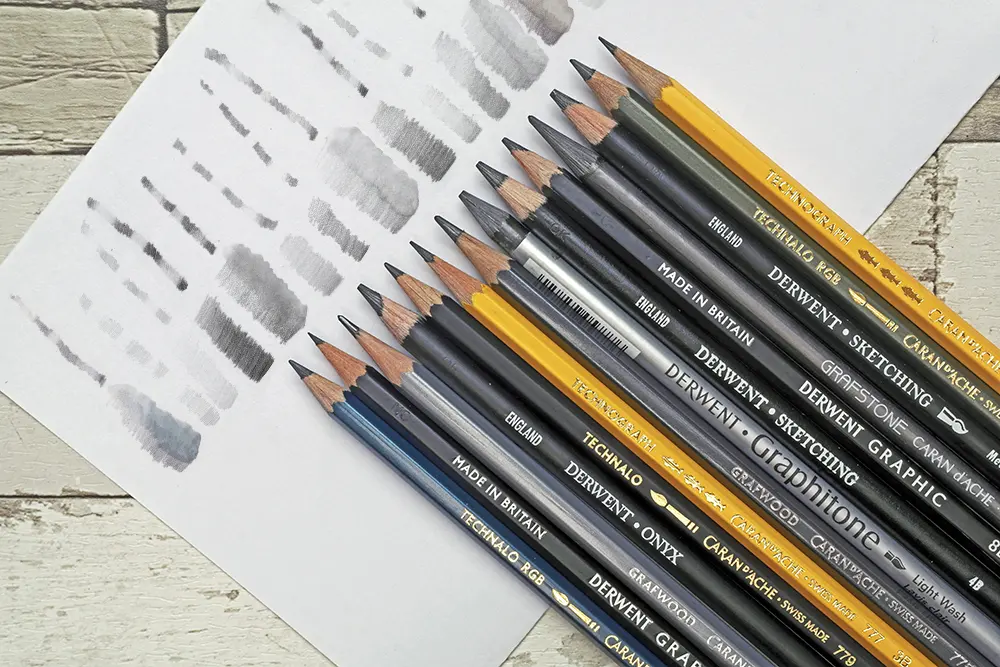
For those starting out, the quality of your tools significantly impacts your ability to achieve a wide spectrum of gray. Graphite pencils are the industry standard for beginners because they are easy to control and erase. A basic set ranging from 2H (hard, light lead) to 6B (soft, dark lead) provides enough variety to create a full tonal scale. Harder pencils are excellent for light underdrawings, while softer pencils allow for deep, rich blacks.
In addition to pencils, consider these essential supplies:
- Kneaded erasers: These can be molded into specific shapes to lift highlights or soften edges.
- Blending stumps: Paper tools used to smooth out graphite and create seamless transitions.
- Smooth-surface drawing paper: A medium-tooth paper helps prevent the texture of the grain from interfering with your shading.
- Fixative spray: Used to prevent graphite from smearing once the drawing is complete.
- Sharpener or utility knife: Keeping a sharp point is vital for detailed tonal work.
Why do tonal drawings look flat?
A common frustration for beginners is when a drawing lacks the intended sense of volume, appearing flat despite the use of shading. This usually happens because the artist has not pushed the values far enough. If the darkest shadow is only a light gray, the drawing will lack the contrast necessary to suggest depth. You must be willing to use the darkest lead or charcoal available to define the deepest shadows, which makes the highlights pop by comparison.
Another reason for flatness is the lack of a clear transition, often called the "terminator line." This is the point where light turns into shadow on a curved object. If the transition is too abrupt or too uniform, the object will look like a cutout rather than a solid form. To avoid this, pay close attention to reflected light—the subtle glow that appears within the shadow side of an object. Including this detail makes the form feel grounded and three-dimensional.
Common mistakes when shading drawings
One of the most frequent errors is "smudging," where beginners use their fingers to blend graphite. While this creates a soft look, the oils from your skin can damage the paper and create uneven, greasy patches that are impossible to erase. Instead, rely on controlled layering, cross-hatching, or professional blending stumps to manipulate your tones. This ensures that your drawing remains crisp and intentional rather than messy or unintentional.
Another mistake is neglecting the "cast shadow," which is the shadow an object projects onto the surface beneath it. Beginners often shade the object itself but forget that the shadow on the ground must also have varying tones. A cast shadow is typically darkest near the base of the object and becomes softer and lighter as it moves away. By carefully observing these shifts in tone and ensuring your edges vary from sharp to soft, you will significantly improve the overall realism of your work.
Key facts
- Tonal drawing focuses on the distribution of light and shadow rather than relying solely on lines or outlines.
- Artists use a value scale, typically ranging from 0 (pure white) to 10 (solid black), to create the illusion of three-dimensional form.
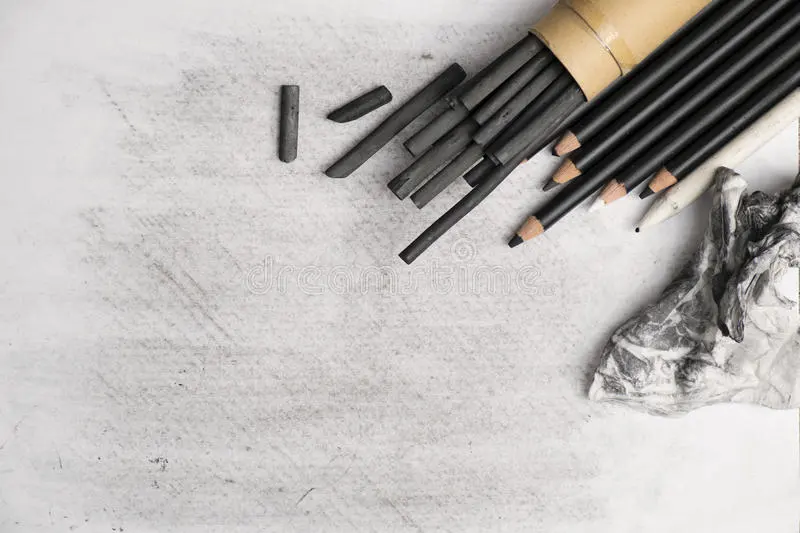
- Common tools include graphite pencils, charcoal, conté crayons, and stumps or tortillons for blending.
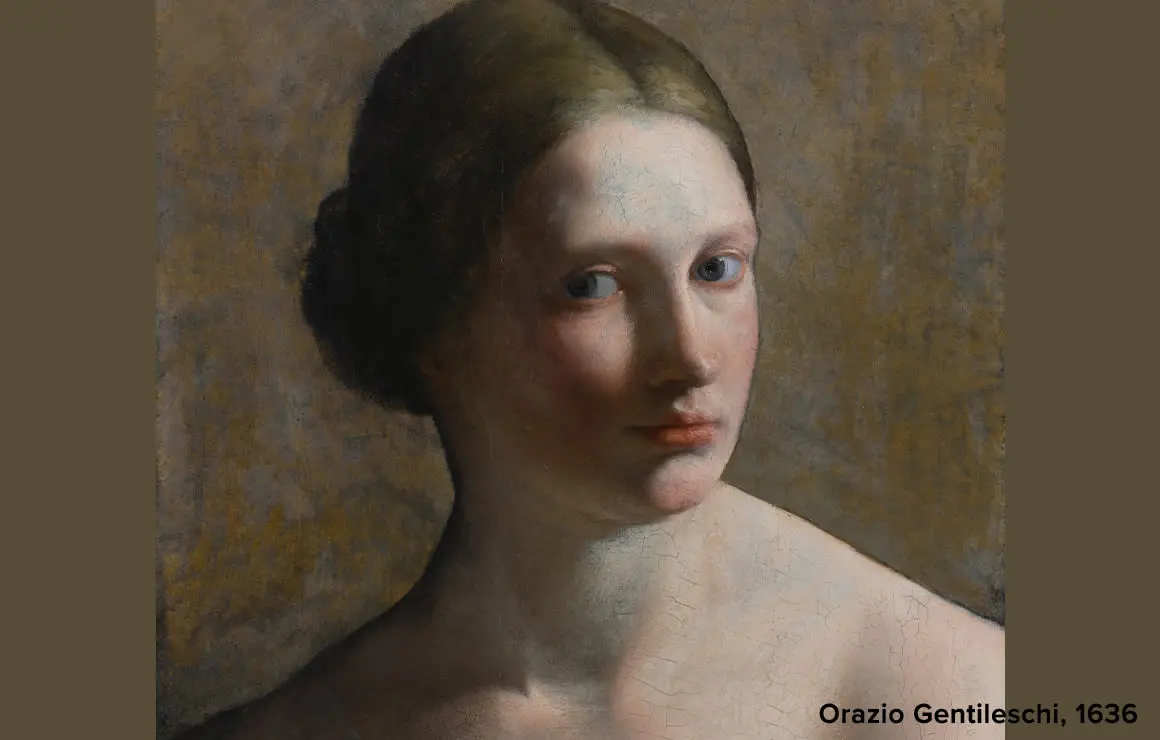
- The "chiaroscuro" technique, popularized during the Renaissance, is the most famous historical application of dramatic tonal contrast.
- To avoid "muddy" drawings, artists should build layers gradually rather than applying heavy pressure immediately.
- Squinting at your subject helps simplify complex details into broad shapes of light and dark.
The bottom line
Tonal drawing is the practice of using varied values of light and dark to define form, volume, and space. By mastering the transition between highlights, mid-tones, and shadows, you move beyond simple outlines to create convincing, three-dimensional representations. Focus on observing how light falls across surfaces, use a full spectrum of values, and remember that subtle blending is the key to achieving professional, realistic results.
People also ask
What is the difference between line drawing and tonal drawing?
Line drawing defines the edges and contours of an object, while tonal drawing describes the volume and weight of an object through shading. Line drawing is skeletal, whereas tonal drawing provides the substance and depth.
How do I identify the light source in a drawing?
Look for the brightest highlight on the object and the darkest shadow cast on the surface beneath it. The light source is always positioned opposite the darkest shadows, creating a predictable gradient across the form.
What is a "mid-tone" and why is it important?
Mid-tones are the values between the brightest highlights and the deepest shadows. They are essential for creating realistic transitions and preventing a drawing from looking flat or overly cartoonish.
Can I use an eraser as a drawing tool?
Yes, erasers are vital for "subtractive drawing," where you lift graphite or charcoal to create highlights. Kneaded erasers are particularly useful because they can be molded into precise shapes to pull out fine details.
Why does my drawing look flat despite adding shading?
You may be missing the "reflected light" inside the shadow area or failing to use a full range of values. Ensure that your darkest darks are truly dark and that your lightest lights are preserved as the paper's white.
What is the best paper texture for tonal work?
A paper with a slight "tooth" or texture, such as medium-weight drawing paper, is ideal for holding graphite or charcoal particles. Very smooth paper makes it difficult to build up deep, rich layers of tone.
This answer was created with the help of AI research tools and reference sources. Spotted an error? Let us know — we correct mistakes quickly. See our editorial policy.