What are the best charcoal pencils for beginners?
Short answer
General’s Charcoal Pencils are the best choice for beginners due to their consistent texture, reliable quality, and accessibility. Offering a range of hardness levels from HB to 6B, they allow students to master tonal values and blending techniques. Their wood-cased design minimizes mess while providing the precision necessary for detailed drawing.
On this page
Best charcoal pencils for beginners
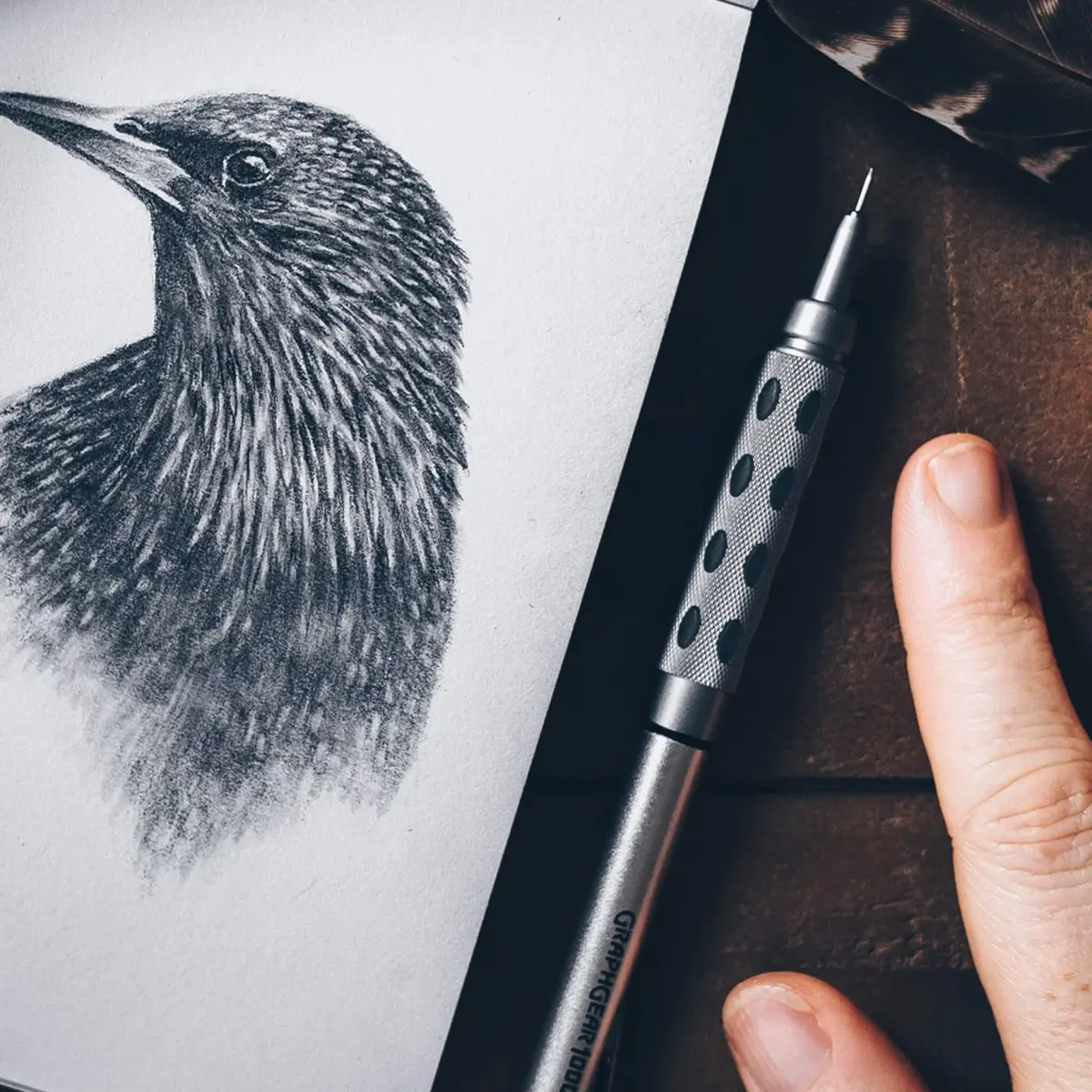
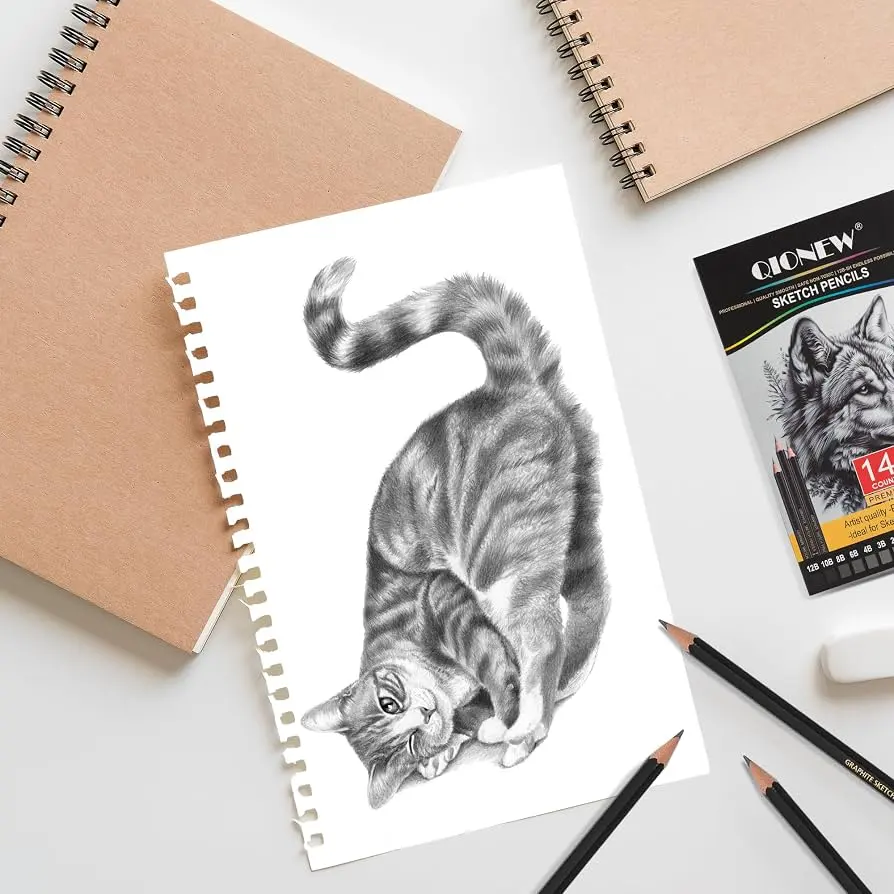
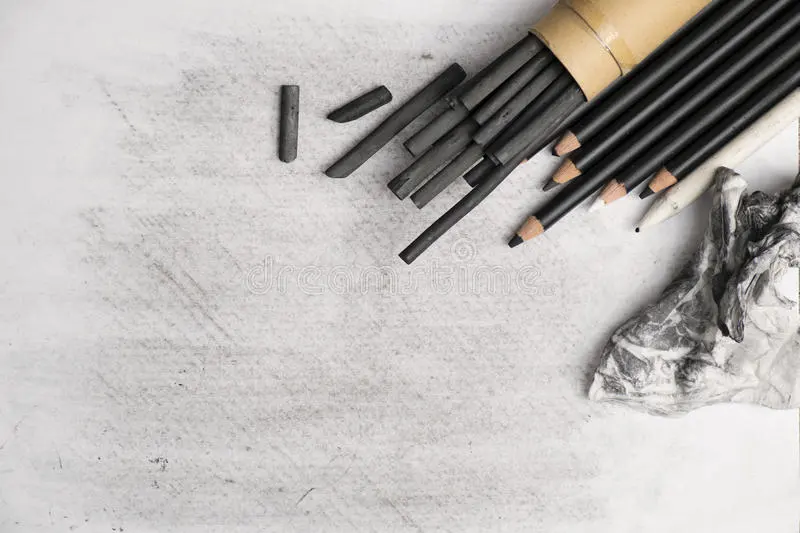
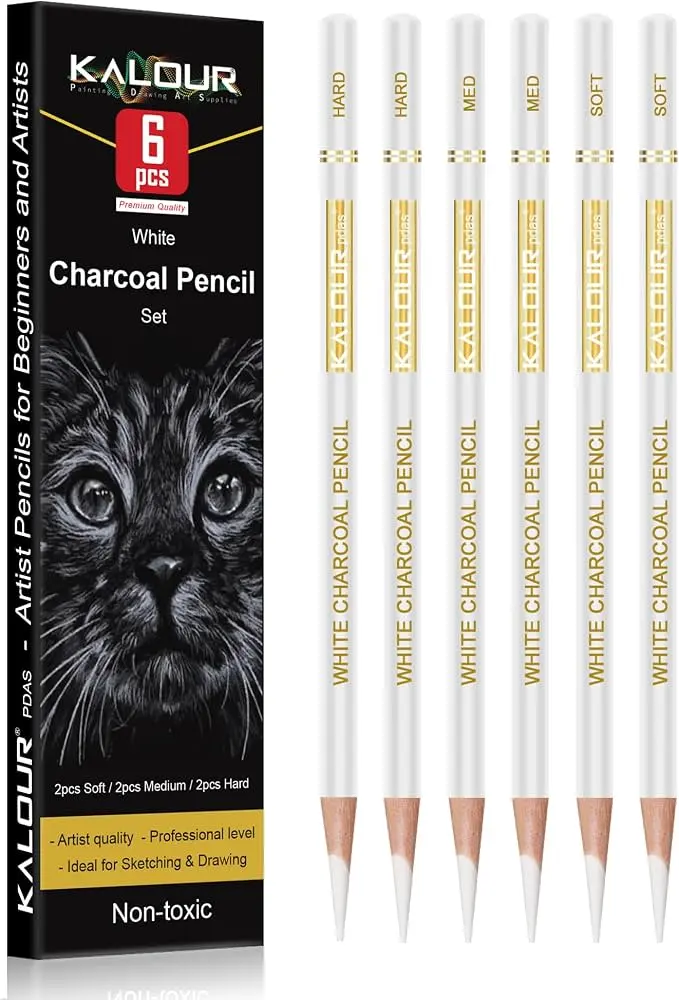
General’s Charcoal Pencils are widely considered the industry standard for those starting their artistic journey. These pencils are crafted with a blend of organic charcoal and clay, providing a smooth application that is easier to control than compressed charcoal sticks or willow charcoal. Beginners should start with a small set containing three primary grades: HB (hard), 2B (medium), and 6B (soft). This variety allows you to experiment with light sketching and deep, velvety shadows without needing an extensive collection.
Another excellent option for novices is the Derwent Tinted Charcoal range. While these are not pure black, they provide a muted color palette that helps beginners understand how charcoal interacts with paper tooth. Because these pencils are slightly harder, they are less prone to breaking during sharpening. Regardless of the brand, always look for "wood-cased" labels to ensure the charcoal is protected and your hands remain relatively clean during the creative process.
How to choose charcoal pencil grades
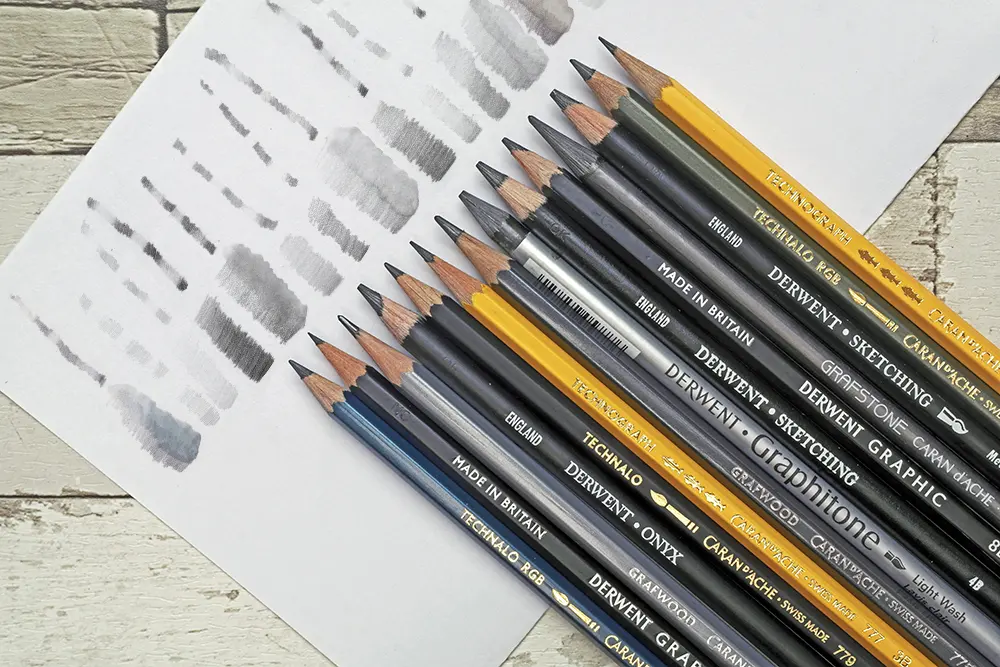
Understanding the grading system is essential for achieving depth in your drawings. Charcoal pencils are labeled similarly to graphite pencils, but they behave differently due to the nature of the medium. The "H" grades are harder and contain more clay, resulting in lighter, thinner lines that are ideal for initial outlines or structural sketches. The "B" grades contain more charcoal and less clay, producing darker, softer marks that are perfect for shading and adding dramatic contrast.
When building your starter kit, follow these guidelines for selecting your initial tools:
- Start with an HB pencil for light layout work and fine details.
- Use a 2B pencil for mid-tone shading and general modeling of forms.
- Utilize a 4B or 6B pencil for your darkest shadows and final accents.
- Avoid buying "extra soft" grades initially, as they can be difficult to manage and prone to smudging uncontrollably.
How to sharpen charcoal pencils correctly
Sharpening charcoal pencils requires more care than standard graphite pencils because the charcoal core is brittle. Many beginners make the mistake of using a standard mechanical sharpener, which often snaps the soft core inside the wood casing. Instead, use a high-quality metal hand-held sharpener or, for more control, a sanding block or a utility knife to expose the lead. Using a blade allows you to create a long, tapered point that is perfect for precise shading.
Follow these steps to achieve a professional-grade point:
- Use a craft knife to carefully whittle away the wood casing, exposing about half an inch of the charcoal core.
- Hold the knife at a shallow angle to avoid putting too much pressure on the lead.
- Gently rub the exposed charcoal against a sandpaper block to refine the point into a sharp, conical shape.
- Wipe away any excess dust with a cloth to prevent unwanted smudges on your drawing surface.
Common mistakes when drawing with charcoal
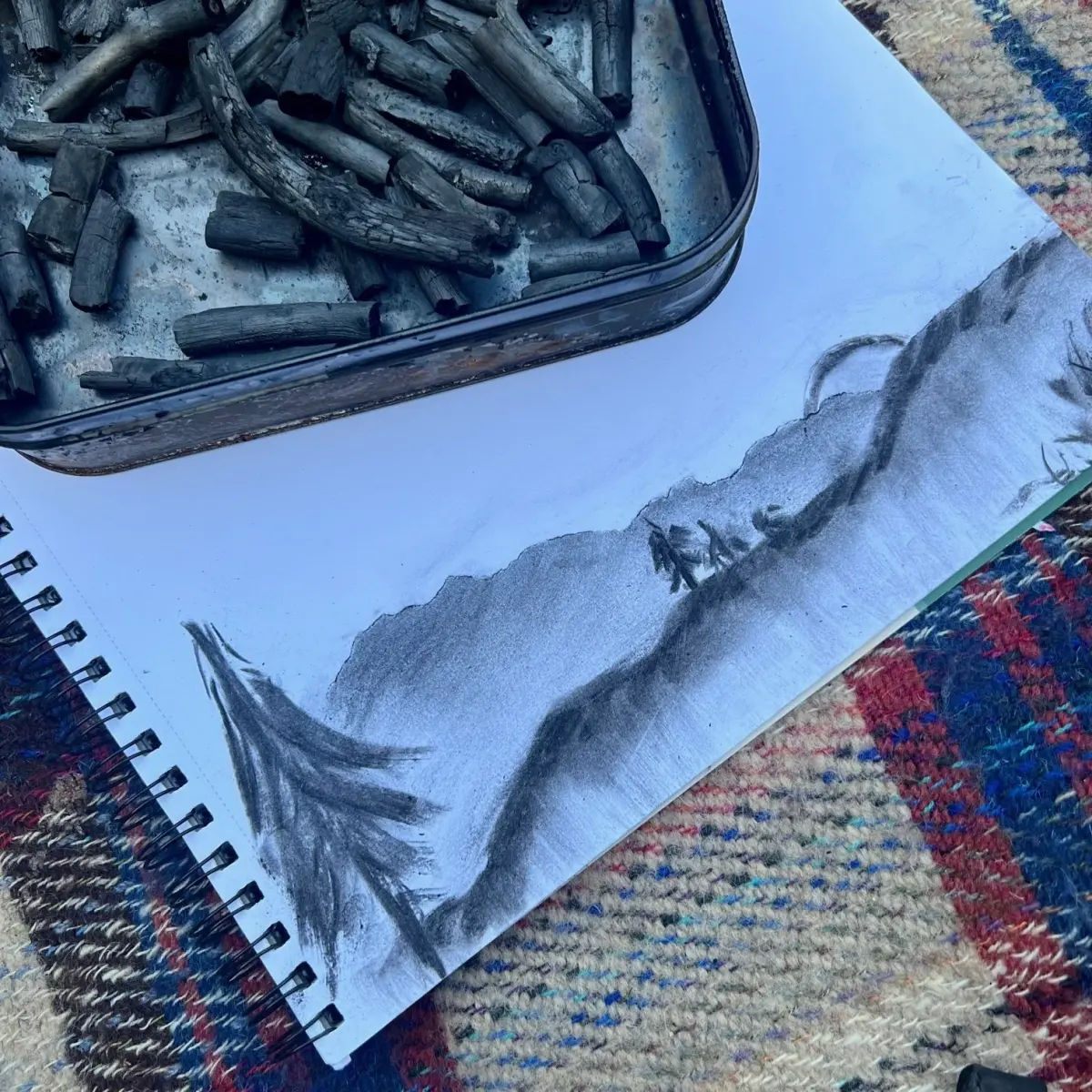
One of the most frequent errors beginners make is pressing too hard on the paper. Charcoal is a friable medium, meaning it sits on top of the paper fibers rather than sinking into them. If you apply excessive pressure, you will crush the paper’s "tooth," making it impossible to add further layers or blend effectively. Always start with a light touch and build your values through multiple, gentle layers rather than trying to achieve a deep black with a single, aggressive stroke.
Another common mistake is failing to manage charcoal dust. As you work, loose particles will inevitably accumulate on your page. If you drag your hand across this dust, you will create unwanted streaks and muddy your highlights. Always keep a piece of scrap paper under your drawing hand to protect your work. Additionally, avoid blowing the dust off your paper, as the moisture from your breath can cause the charcoal to smear or stain the surface permanently.
How to blend and clean charcoal drawings
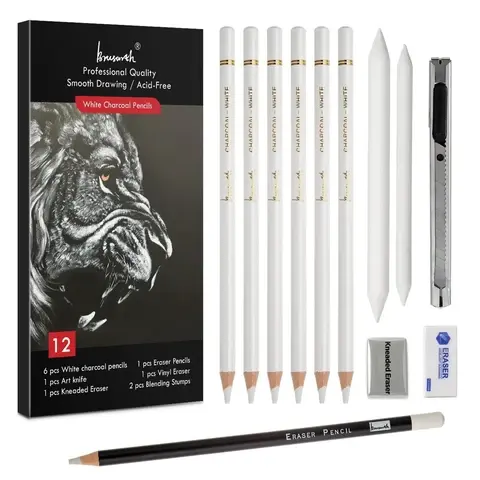
Blending is the process of softening transitions between light and shadow to create a realistic, three-dimensional effect. Beginners often rely solely on their fingers for this, but skin oils can ruin the paper and create uneven, blotchy patches. Instead, use a tortillon or a paper stump to move the charcoal across the surface. These tools allow for precise control, enabling you to smudge the charcoal into the paper fibers for a smooth, professional finish.
To maintain clean highlights and correct errors, you must have the right erasers on hand. A kneaded eraser is essential for any charcoal artist; it can be molded into various shapes to lift charcoal gently without damaging the paper. If you need to remove stubborn marks, a white vinyl eraser works well, though it is more abrasive. By using these tools systematically, you can create high-contrast drawings with crisp edges and soft, atmospheric transitions that define high-quality charcoal artwork.
Key facts
- Charcoal pencils are categorized by hardness: H (hard), HB (medium), and B (soft).
- Soft charcoal (B-range) provides the darkest, most intense black tones but smudges easily.
- Hard charcoal (H-range) is ideal for light sketching and fine details because it leaves less residue.
- Beginners should start with a small set containing 2B, 4B, and 6B pencils to explore different opacities.
- Unlike graphite, charcoal is non-reflective, allowing for deep, matte black finishes on paper.
- Always sharpen charcoal pencils with a manual sharpener or a craft knife, as electric sharpeners can break the brittle lead.
The bottom line
For beginners, the best approach is to invest in a versatile range of soft-grade pencils, specifically 2B through 6B. Focus on learning how to control pressure to create varying shades of grey before attempting complex textures. By pairing these pencils with high-tooth paper and a kneaded eraser, you can master the fundamental techniques of shading and contrast while minimizing common smudging mistakes during your creative process.
People also ask
Is charcoal the same as graphite?
No, charcoal is made from burnt organic material, while graphite is a mineral. Charcoal produces a much darker, matte finish, whereas graphite has a slight metallic sheen.
Do I need special paper for charcoal pencils?
Yes, charcoal requires "tooth," which is the texture of the paper. Rougher paper holds the charcoal particles better than smooth, coated paper, preventing the drawing from sliding off.
How do I prevent my charcoal drawing from smudging?
Use a fixative spray once your drawing is complete to seal the particles to the page. During the process, place a piece of scrap paper under your hand to avoid transferring oils or smearing.
What is the best way to erase charcoal?
A kneaded eraser is essential because it can be molded into specific shapes to lift charcoal gently. Avoid using hard rubber erasers, as they tend to grind the charcoal into the paper fibers.
Can I mix charcoal pencils with other drawing media?
Charcoal blends well with compressed charcoal sticks and vine charcoal for large areas. However, it does not mix well with wax-based colored pencils because the wax prevents the charcoal from adhering.
How long do charcoal pencils last?
Because charcoal is soft and brittle, the pencils wear down faster than graphite. A standard pencil may last for several detailed drawings, but you should expect to sharpen them frequently.
This answer was created with the help of AI research tools and reference sources. Spotted an error? Let us know — we correct mistakes quickly. See our editorial policy.