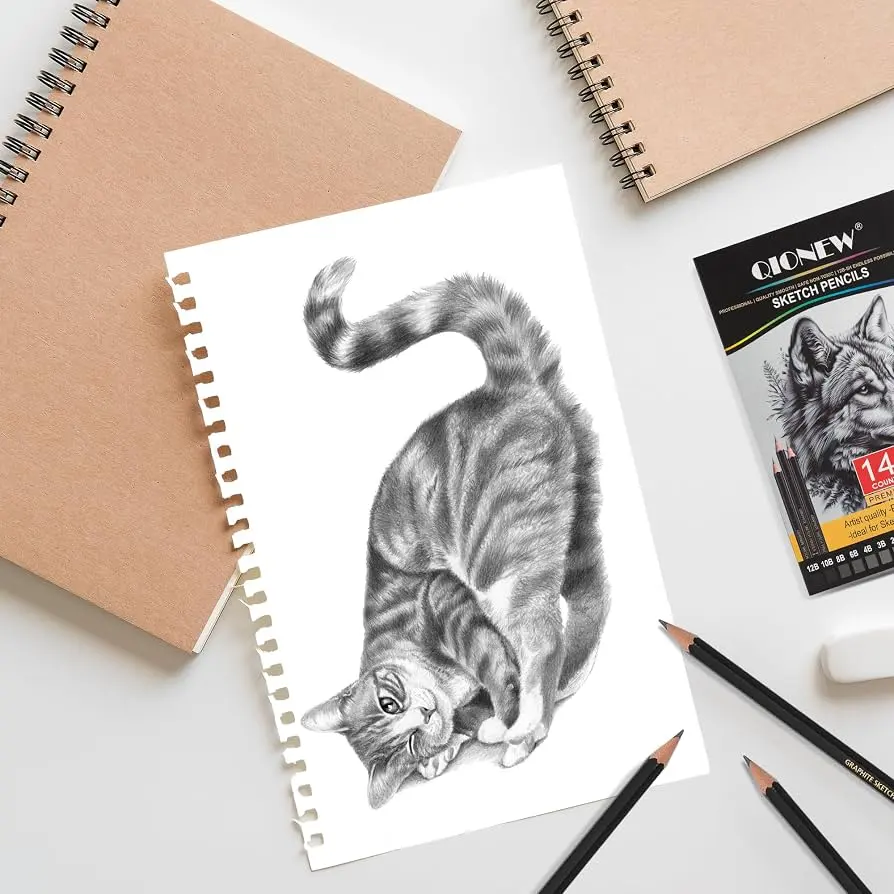
How do you draw with a mechanical pencil?
Short answer
Drawing with a mechanical pencil involves using a precise, consistent lead diameter to create controlled lines without the need for sharpening. By managing pressure and rotating the pencil, you maintain a sharp point. This tool excels at technical drafting, fine detail work, and sketching where uniform line weight is essential for accuracy.
On this page
How to choose the right mechanical pencil for drawing
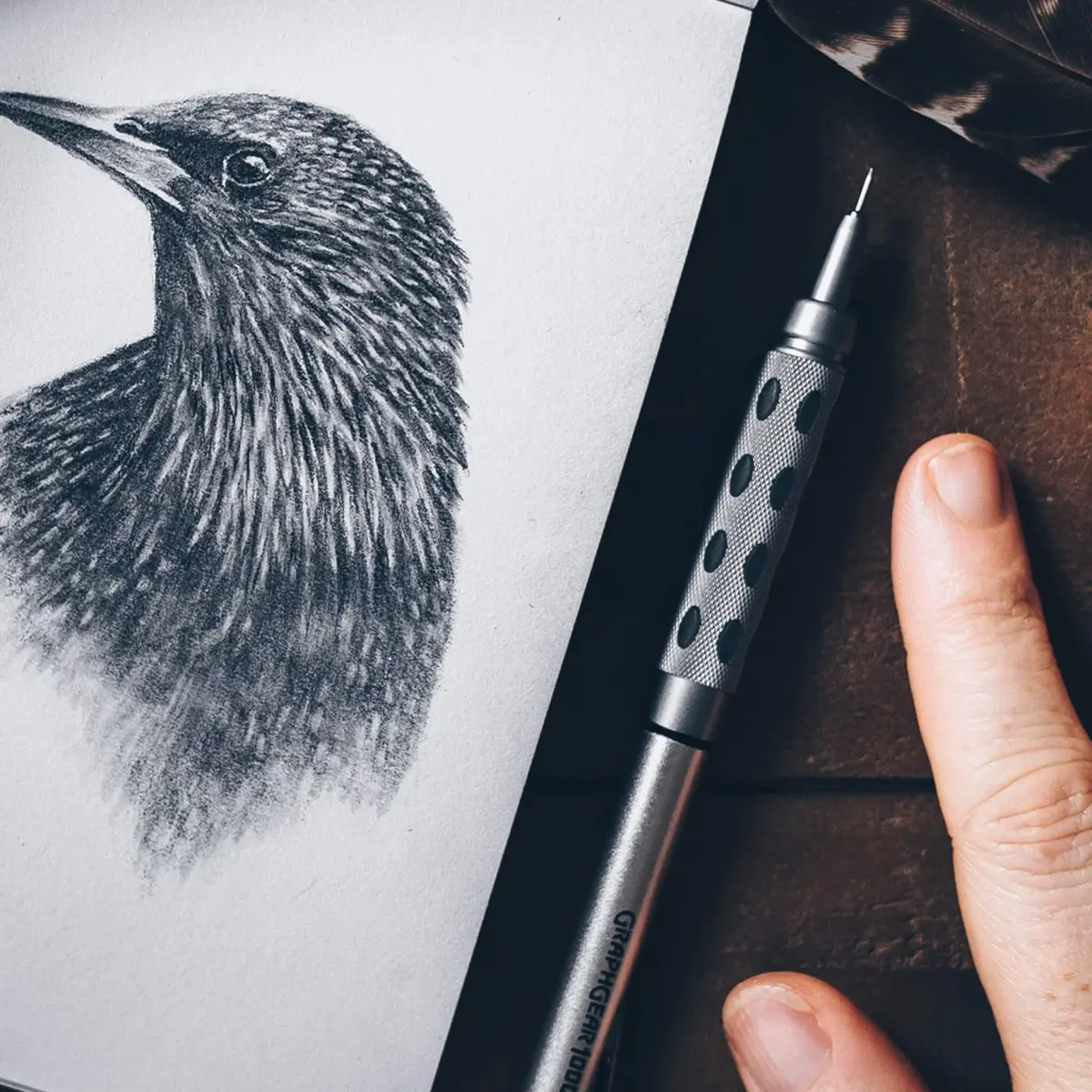
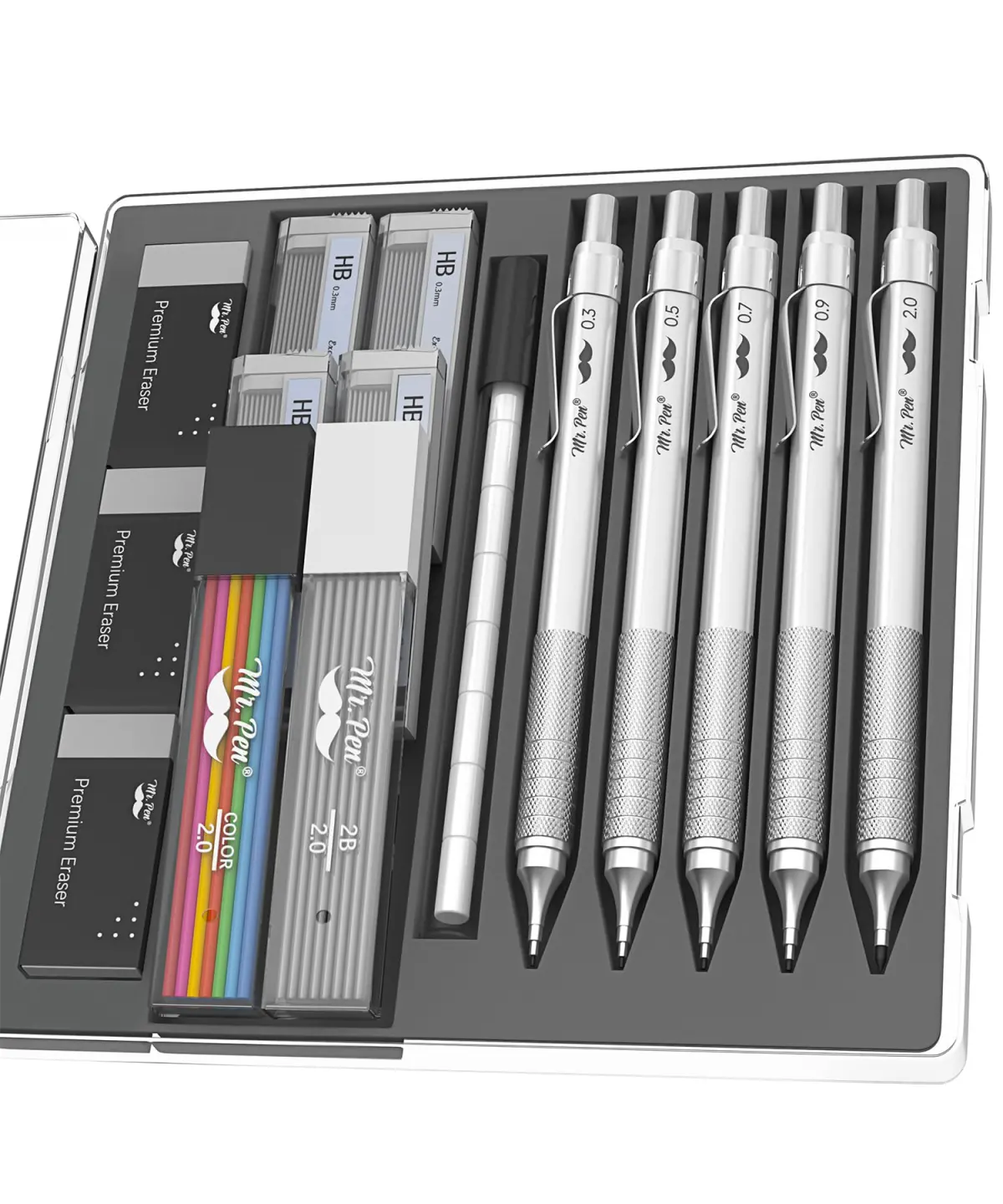
Selecting the appropriate mechanical pencil depends on the complexity of your work and your personal grip style. Most artists prefer lead sizes ranging from 0.3mm for intricate details to 0.9mm for broader shading. The internal mechanism must be durable enough to hold the lead firmly, preventing breakage during application. Many professional-grade pencils feature metal sleeves that protect the lead and provide a clear view of the drawing surface.
When browsing options, consider the weight and balance of the pencil barrel. Heavier, metal-bodied pencils often provide better stability for long drawing sessions, while lighter plastic models are easier to handle for quick sketches. Look for pencils with a knurled grip, which prevents slipping even if your hands become sweaty. Choosing a high-quality lead grade, such as HB or 2B, ensures that your lines remain consistent and erasable without smudging the paper.
How to maintain a sharp point while drawing
Unlike traditional wooden pencils, mechanical pencils do not require a sharpener, but they can still become dull or flat on one side. To maintain a consistent line width, develop the habit of rotating the pencil slightly between your fingers after every few strokes. This technique ensures that the lead wears down evenly around its circumference rather than creating a slanted, chisel-like tip. Some advanced pencils feature internal gears that automatically rotate the lead as you lift it from the paper.
If you are using a standard mechanical pencil, follow these steps to manage the lead effectively:
- Extend only 1-2 millimeters of lead to prevent snapping.
- Hold the pencil at a 45 to 60-degree angle to the paper.
- Rotate the barrel slightly every few lines to keep the point conical.
- If the lead breaks, clear the tip mechanism before inserting a new piece.
How to control line weight and shading
Achieving varied line weights with a mechanical pencil requires a delicate touch and an understanding of lead hardness. Because the lead diameter is fixed, you cannot vary the line thickness by changing the angle as easily as with a wooden pencil. Instead, you must rely on the pressure applied to the page. Use a light, feathery touch for initial construction lines and increase pressure for final, bold outlines.
Shading with a mechanical pencil is best achieved through layering and cross-hatching rather than smearing. Since the lead is harder and more precise than graphite sticks, it is ideal for creating texture and depth in small areas. To achieve a smooth gradient, use the following techniques:
- Use a light hatching motion, crossing lines at 45-degree angles.
- Gradually increase the density of your lines to darken specific areas.
- Avoid pressing too hard, as this will leave permanent indentations in the paper fibers.
- Use a kneaded eraser to lift graphite and create highlights within your shaded regions.
Common mistakes when drawing with mechanical pencils
A frequent error is extending too much lead at once, which significantly increases the leverage on the thin graphite and leads to frequent snapping. Beginners often try to force dark values by pressing down heavily, which can tear the paper or make the graphite impossible to erase. Remember that mechanical pencils are designed for precision, not for heavy, broad-stroke coverage. If you need to fill in large, dark areas, consider using a softer lead grade like 4B or switching to a different medium.
Another mistake involves using low-quality lead refills that contain impurities or grit. These can scratch your paper or jam the internal clutch mechanism of the pencil. Always keep your pencil clean and free of graphite dust, which can build up inside the sleeve and cause the lead to slip. If the lead keeps sliding back into the barrel, check the clutch for debris or ensure that you are using the correct diameter lead for your specific pencil model.
How to store and care for your mechanical pencils
Proper maintenance ensures that your mechanical pencil remains a reliable tool for years. Always retract the lead sleeve when the pencil is not in use, especially if it features a sliding or retractable tip. This prevents the delicate metal sleeve from bending if the pencil is dropped or stored in a crowded bag. Keep your pencils in a dedicated case to protect the finish and the internal components from dust and moisture.
When refilling your pencil, avoid overfilling the reservoir, as this can cause the leads to jam inside the feed tube. Two or three pieces of lead are generally sufficient for a single session. If you notice the lead feed becoming inconsistent, use a thin cleaning rod—often included with the pencil—to clear any broken graphite shards from the tip. By following these simple care routines, you ensure that the mechanical action remains smooth and that your lines stay crisp and professional throughout your artistic process.
Key facts
- Mechanical pencils use a lead advancement mechanism, usually a push-button or twist-top, to feed thin graphite leads through a metal sleeve.
- Standard lead diameters range from 0.3mm to 0.9mm; thinner leads are ideal for fine detail, while thicker leads resist breakage.
- Never extend more than 1–2 millimeters of lead from the sleeve, as the thin graphite will snap under minimal pressure.
- Rotate the pencil slightly as you draw to maintain a consistent, sharp point and prevent the lead from wearing down into a wedge shape.
- Use a light touch; mechanical pencils are designed for precision, and heavy-handed shading can easily tear the paper or break the lead.
- Keep the metal sleeve clean and free of graphite dust to ensure the internal clutch mechanism continues to grip the lead securely.
The bottom line
Drawing with a mechanical pencil requires a delicate touch and consistent maintenance to ensure precision. By extending only a small amount of lead and rotating the pencil periodically, you can maintain a sharp, uniform line for intricate work. Avoid the common mistake of pressing too hard, which causes frequent breakage. Master these mechanical basics to achieve professional-grade detail and clean, predictable results in your artistic projects.
People also ask
Can I refill a mechanical pencil with any type of lead?
You must use the specific diameter of lead that matches your pencil’s internal mechanism. While different hardness grades like HB, 2B, or 2H are interchangeable, a 0.5mm lead will not fit in a 0.7mm pencil.
Why does my lead keep breaking while I am drawing?
Lead breakage is usually caused by extending too much lead or applying excessive vertical pressure. Try extending only a tiny amount of lead and adjusting your grip to be lighter.
What is the difference between HB and 2B lead?
HB lead is a balanced mid-range graphite that is standard for writing and light sketching. 2B lead is softer and darker, making it superior for expressive shading and artistic drawing.
How do I clear a lead jam in my pencil?
Remove the eraser and the internal cleaning rod found inside the cap to push out any stuck debris. If no rod is included, use a thin needle to clear the tip from the front.
Are mechanical pencils better for drawing than wooden pencils?
Mechanical pencils offer consistent line width without the need for constant sharpening, which is ideal for technical drawing. Wooden pencils are generally preferred for gestural sketching and large-scale shading.
How long does a single piece of lead last?
A standard 60mm piece of lead will last for several pages of writing or a moderate amount of detailed drawing. The lifespan depends entirely on the pressure applied and the frequency of use.
This answer was created with the help of AI research tools and reference sources. Spotted an error? Let us know — we correct mistakes quickly. See our editorial policy.