How do you sharpen a charcoal pencil?
Short answer
Sharpen a charcoal pencil using a metal craft knife or a sandpaper block to achieve a long, tapered point. Avoid traditional rotary sharpeners, as the brittle charcoal core often snaps inside the mechanism. By manually shaving the wood casing away from the core, artists gain precise control over the lead’s length and shape.
On this page
How to sharpen a charcoal pencil manually
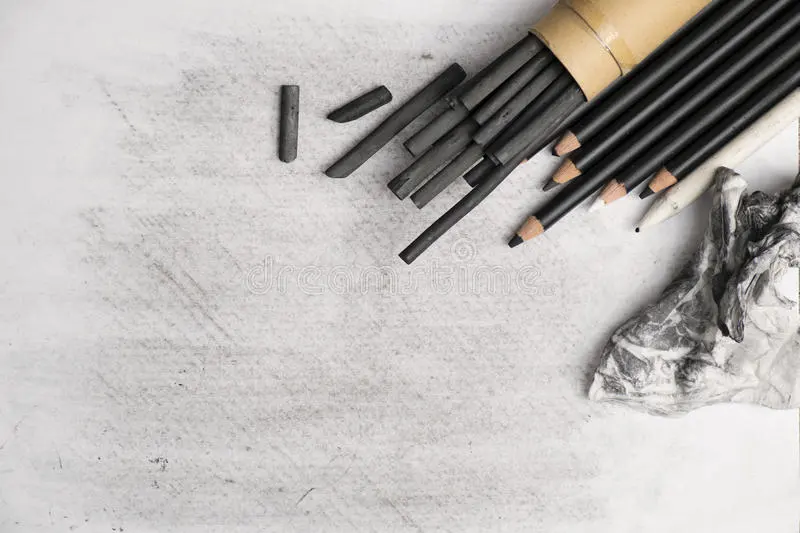
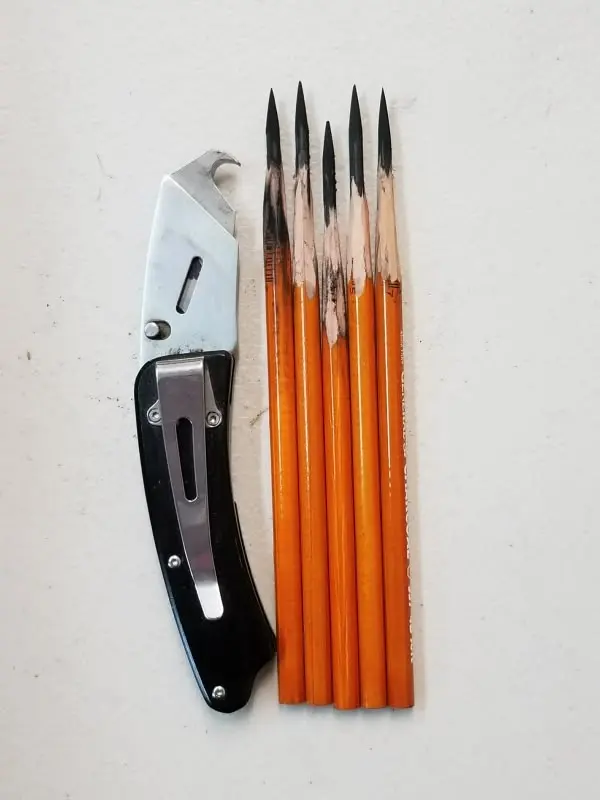
Using a craft knife, such as an X-Acto blade, is the professional standard for sharpening charcoal. This method allows you to expose a significant portion of the charcoal core, which is essential for creating broad, expressive strokes or fine, detailed lines. Unlike graphite, charcoal is extremely friable and prone to breakage, so manual control is vital.
To sharpen your pencil safely, follow these steps:
- Hold the pencil firmly in your non-dominant hand, keeping your fingers well away from the tip.
- Using the knife in your dominant hand, shave the wood casing away from the charcoal core in small, controlled strokes directed away from your body.
- Once the core is exposed, gently rotate the pencil while shaving the wood until you reach your desired taper.
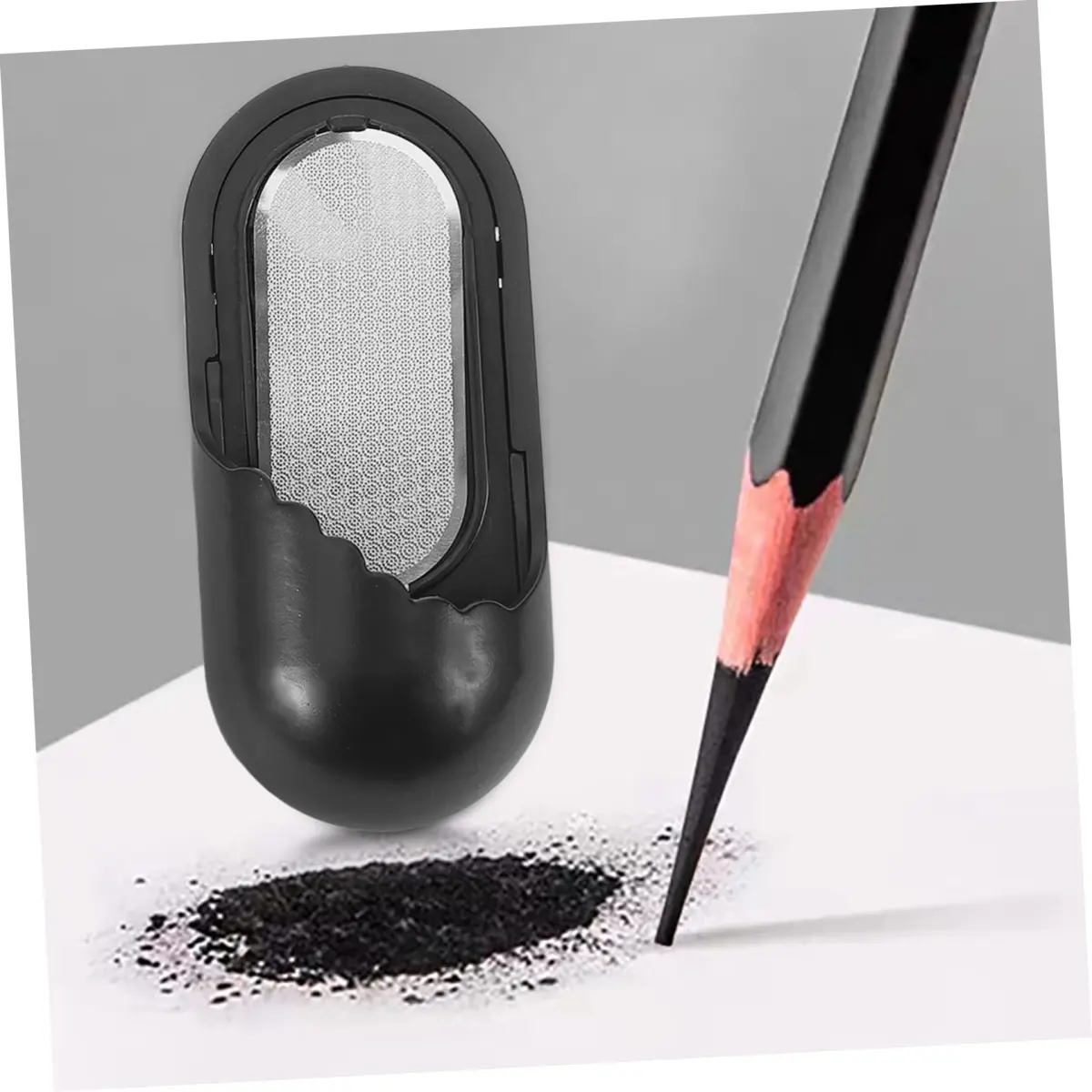
- Use a sandpaper block to refine the point further, rolling the pencil across the grit to achieve a needle-sharp finish.
Why charcoal pencils break in sharpeners
Most artists quickly discover that standard rotary or electric pencil sharpeners are unsuitable for charcoal. These devices are designed for the harder, wax-bound cores of graphite pencils. When a charcoal pencil is inserted into a rotary sharpener, the internal blades often catch on the soft, brittle charcoal, causing the core to snap deep inside the wooden barrel.
Furthermore, the mechanical pressure exerted by the sharpener’s teeth can crush the charcoal before it even reaches the blade. This leads to a cycle of frustration where the pencil is repeatedly sharpened until it becomes a tiny stub. If you must use a sharpener, select a high-quality metal manual sharpener with a very sharp blade, but be prepared for the core to snap if the charcoal is particularly soft or compressed.
Best tools for sharpening charcoal pencils
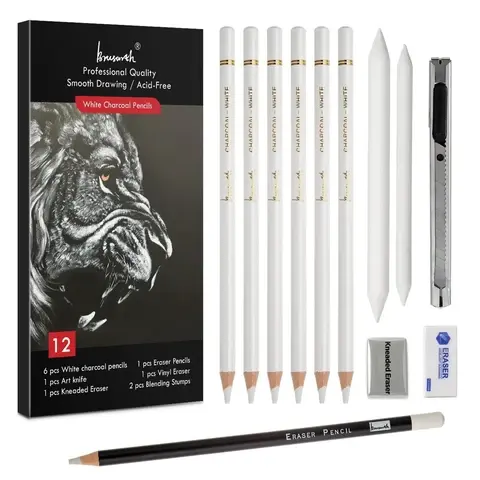
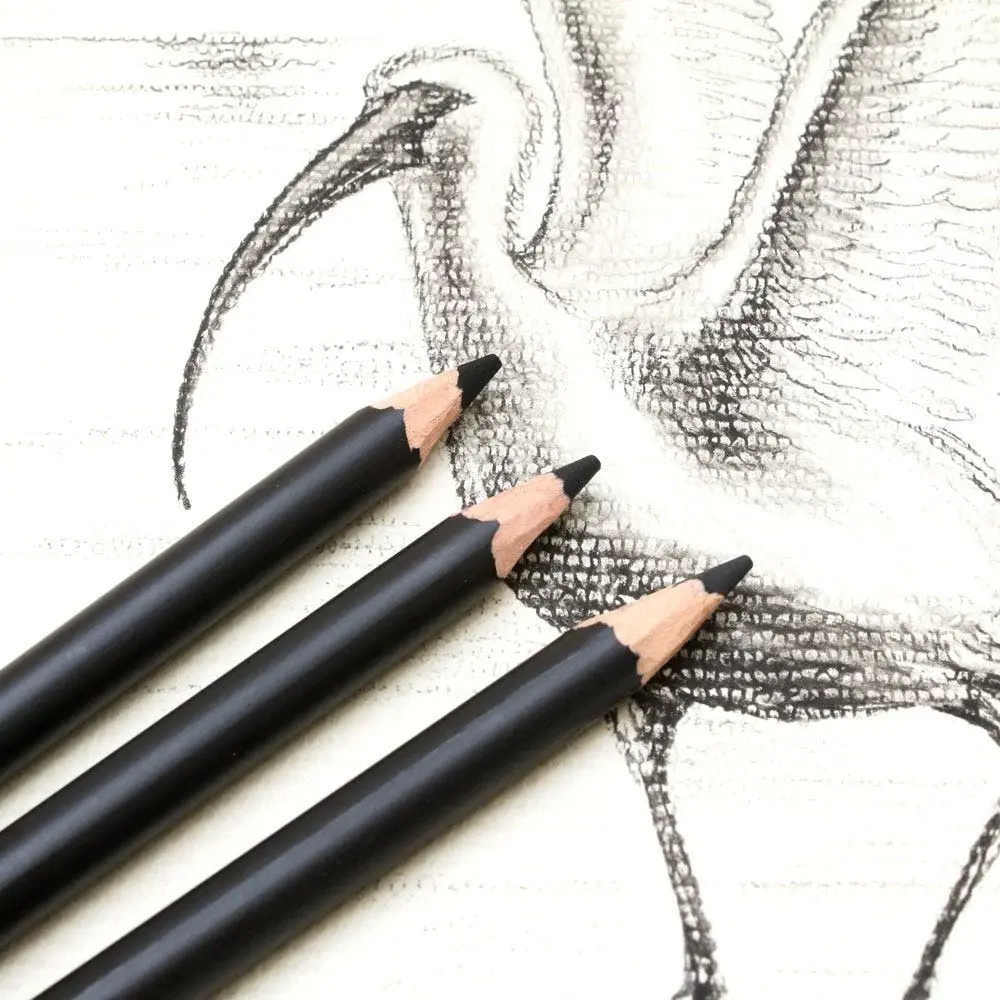
Selecting the right equipment makes the process significantly easier and safer. A high-quality utility knife or a specialized lead pointer provides the most control. Sandpaper blocks, which consist of several sheets of abrasive paper mounted on a wooden paddle, are indispensable for maintaining the point after the initial sharpening.
Essential tools for your kit include:
- A retractable craft knife with replaceable blades to ensure a consistently sharp edge.
- A sandpaper block for smoothing the charcoal tip without the risk of blade breakage.
- A dust mask or a small vacuum, as sharpening charcoal creates significant airborne particles.
- A dedicated container for charcoal shavings, which can be messy and stain porous surfaces.
- A kneaded eraser, which can be used to clean up stray charcoal dust from your workspace after sharpening.
Common mistakes when sharpening charcoal
The most frequent error is applying too much pressure during the shaving process. Because charcoal is essentially carbonized wood, it lacks the structural integrity of graphite. Pushing the blade too deeply into the wood will inevitably shear the core. Always use light, shallow strokes, shaving the wood back gradually rather than trying to expose the core in one or two aggressive passes.
Another common mistake is failing to clean the sandpaper block. As you sharpen, the abrasive surface becomes clogged with charcoal dust, rendering it ineffective. You should regularly tap the block or use a soft brush to remove the buildup. Additionally, avoid sharpening your pencil over your drawing surface. The fine dust can settle into the paper’s tooth, creating unwanted smudges that are difficult to lift once you begin working on your composition.
How to maintain a sharp point while drawing
Maintaining a point while working is just as important as the initial sharpening. As you draw, the charcoal will naturally dull, turning into a rounded nub. Instead of stopping to re-sharpen with a knife every few minutes, use the sandpaper block to quickly touch up the tip. This preserves the length of the pencil and keeps your workflow efficient.
If you are working on a large-scale piece, consider keeping multiple pencils sharpened to different degrees. Use a long, tapered point for fine detail work and a blunt, rounded point for filling in large shadows or creating soft gradients. By rotating through your pencils, you reduce the frequency of sharpening and minimize the risk of losing your creative momentum. Always store your sharpened pencils in a horizontal case to prevent the delicate tips from snapping during transport or storage.
Key facts
- Charcoal pencils are more fragile than graphite because the compressed charcoal core is brittle and prone to breaking.
- A manual metal sharpener often chips the soft charcoal lead, so a hobby knife or sandpaper block is preferred.
- To sharpen with a knife, hold the pencil at a shallow angle and shave the wood away from the core.
- Expose about 1/2 inch of the charcoal core to create a long, versatile point for shading and detail work.
- Use a sandpaper block to refine the tip by gently rotating the pencil against the grit until it is sharp.
- Always point the blade away from your body and fingers to prevent injury while shaving the wooden casing.
The bottom line
Sharpening charcoal pencils requires a gentle touch and the right tools to avoid damaging the brittle core. By using a hobby knife to expose the lead and a sandpaper block to refine the point, you ensure a durable tip that supports both fine detail and broad shading. Mastering this technique prevents wasted material and allows artists to maintain consistent control over their marks throughout the creative process.
People also ask
Can I use an electric sharpener for charcoal pencils?
It is generally not recommended because the vibration and aggressive cutting blades often snap the brittle charcoal core inside the barrel. Most electric sharpeners will result in a jagged, broken tip or a jammed mechanism.
Why does the charcoal core keep falling out after I sharpen it?
This usually happens if the pencil has been dropped, causing internal fractures in the charcoal. If the core is shattered, no amount of careful sharpening will keep the tip intact.
How do I achieve a needle-sharp point for fine details?
After shaving the wood back with a knife, use a fine-grit sandpaper block to taper the charcoal lead. Rotate the pencil slowly as you sand to ensure an even, conical shape.
Is it better to sharpen charcoal pencils to a long or short point?
A long point is superior for charcoal because it allows you to use the side of the lead for broad shading. A short point limits your range of marks and requires more frequent sharpening.
Should I sharpen my charcoal pencils before or during a drawing session?
It is best to prepare several pencils before you begin to maintain your creative flow. Keep a sandpaper block nearby to touch up the tips as you work without needing to recut the wood.
What is the best way to clean up charcoal dust after sharpening?
Use a soft brush or a dry cloth to wipe away the black dust from your workspace. Avoid blowing on the dust, as this can spread fine particles across your drawing surface and smudge your work.
This answer was created with the help of AI research tools and reference sources. Spotted an error? Let us know — we correct mistakes quickly. See our editorial policy.