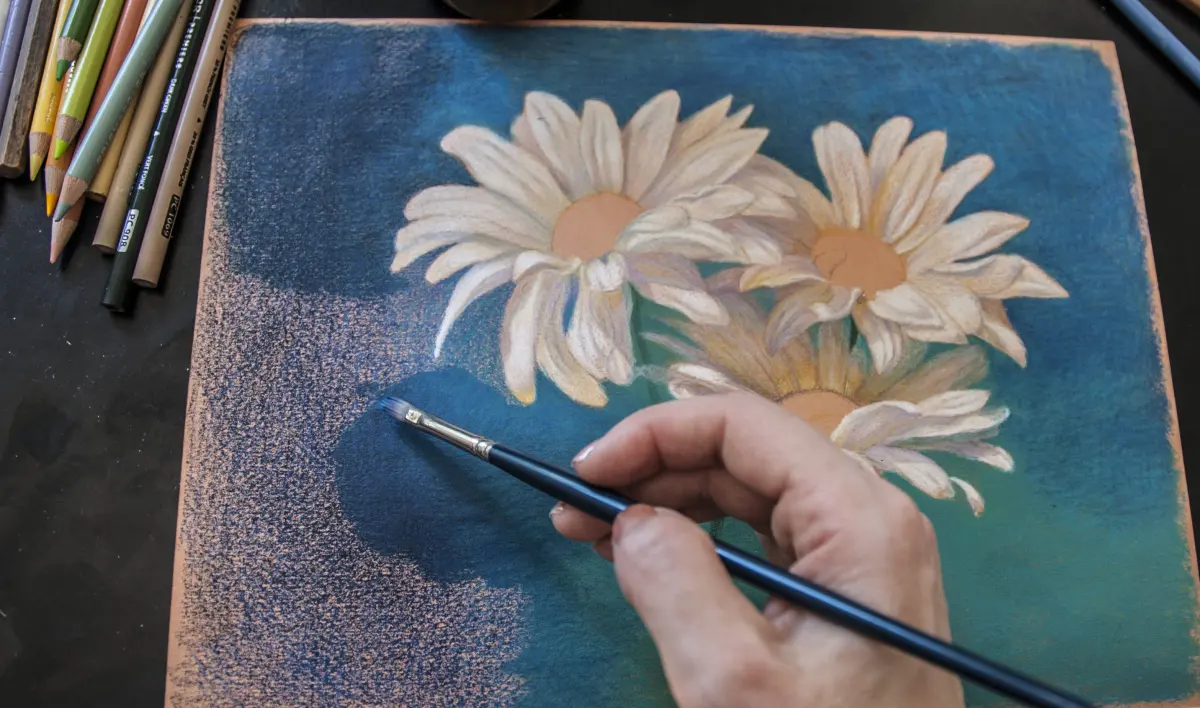
What is charcoal pencils used for?
Short answer
Charcoal pencils are versatile drawing tools used for sketching, shading, and creating high-contrast artwork. They combine the rich, matte black pigment of traditional willow charcoal with the precision of a wooden casing. Artists use them to achieve deep shadows, expressive textures, and smooth gradients that are difficult to replicate with standard graphite.
On this page
What are charcoal pencils used for in art?
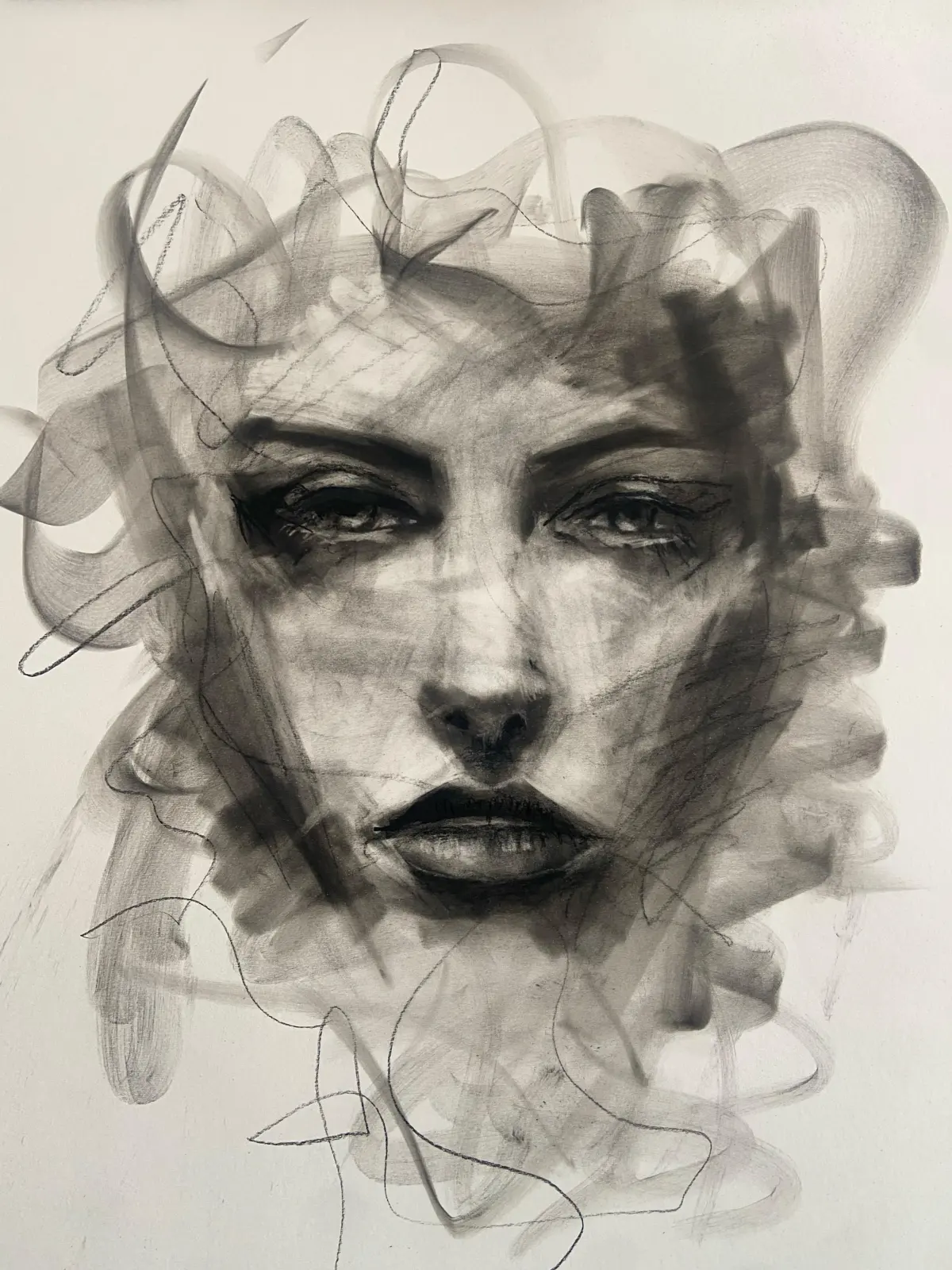
Charcoal pencils are primarily used for figure drawing, portraiture, and expressive sketching. Because charcoal is a friable medium, it allows artists to manipulate light and shadow with greater intensity than graphite. The pencils provide a controlled way to apply carbon-based pigment, making them ideal for capturing anatomy, fabric folds, and dramatic lighting effects. They are valued for their ability to produce a deep, non-reflective black that stands out on textured paper.
Beyond basic sketching, these tools are frequently employed for underdrawings in oil painting. The charcoal is easily removed or blended into the paint, ensuring that the artist’s initial composition remains flexible. Professional illustrators also use them to add grit and organic texture to digital-style compositions. By varying pressure, an artist can shift from delicate, wispy lines to bold, opaque strokes, making the pencil a complete tool for both structural planning and final rendering.
How to use charcoal pencils for shading?
Shading with charcoal pencils requires a different approach than using graphite, as the material is softer and more prone to smudging. To create smooth transitions, artists often use tools like tortillons or chamois cloths to move the pigment across the paper surface. This process, known as blending, softens harsh lines and creates the illusion of three-dimensional volume on a flat surface.
- Apply a light layer of charcoal to the area you intend to shade.
- Use a blending stump or a piece of soft felt to push the pigment into the paper's tooth.
- Layer additional charcoal over the blended area to deepen the shadows.
- Use a kneaded eraser to lift highlights, creating a realistic contrast between light and dark.
When shading, it is important to build up layers slowly. Adding too much pigment at once can clog the paper fibers, making it difficult to achieve a smooth gradient. Always work from the lightest tones to the darkest to maintain control over the final value range.
Best charcoal pencils for beginners
For those new to the medium, selecting the right hardness is essential. Charcoal pencils are typically labeled as Soft, Medium, or Hard. Hard pencils are excellent for crisp details and initial outlines, while Soft pencils provide the deep, velvety blacks necessary for final shading. Beginners should start with a small set containing one of each grade to understand how the material behaves under different levels of pressure.
- Hard (H): Best for fine lines and structural outlines.
- Medium (M): A balanced choice for general sketching and mid-tone shading.
- Soft (S): Ideal for dark, dramatic shadows and filling large areas.
It is also recommended to purchase a specialized charcoal sharpener or a high-quality utility knife. Standard pencil sharpeners often break the brittle charcoal core, leading to frustration. By using a knife to expose more of the lead, beginners can also use the side of the charcoal for broader, more gestural strokes across the page.
Common mistakes when using charcoal pencils
One of the most frequent errors beginners make is pressing too hard during the initial stages of a drawing. Because charcoal pigment sits on top of the paper rather than sinking into it like graphite, excessive pressure can crush the paper’s texture and make the drawing look muddy. If the charcoal is applied too heavily, it becomes nearly impossible to erase or correct without damaging the surface of the paper.
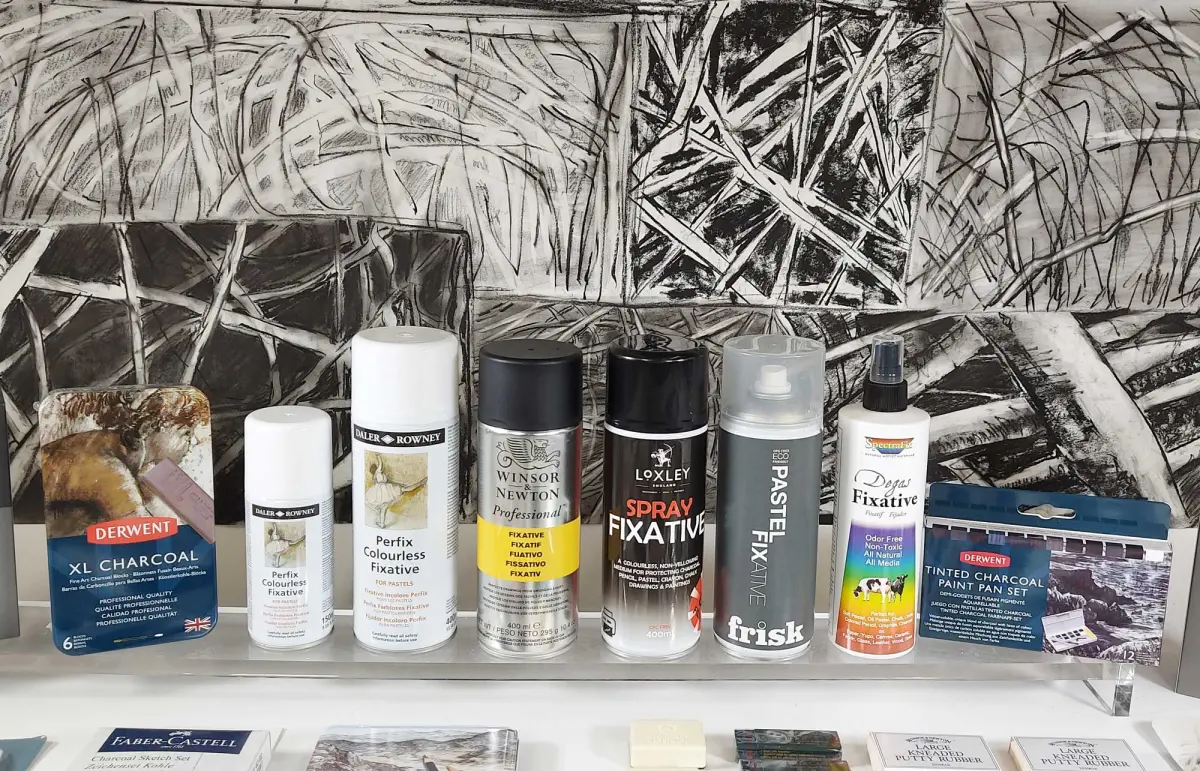
Another common mistake is failing to fix the drawing once it is complete. Charcoal is inherently unstable and will continue to smudge if touched or moved. Artists must use a fixative spray to seal the work and prevent the pigment from flaking off over time. Neglecting this step often leads to the loss of fine details and unwanted smearing on the surrounding areas of the artwork. Always ensure the workspace is well-ventilated when applying these chemical fixatives.
How to clean up charcoal pencil dust
Charcoal is notoriously messy, and the fine dust generated during drawing can easily stain surfaces or clothing. To minimize the spread of debris, artists should keep a dedicated cloth or paper towel nearby to wipe their hands and tools frequently. It is also helpful to use a drawing board propped at an angle, which allows the excess charcoal dust to fall away from the paper rather than settling into the drawing.
- Use a soft brush to gently sweep away loose dust from the paper surface.
- Keep a kneaded eraser clean by stretching and folding it until the dark pigment is absorbed.
- Use a damp cloth to wipe down the table surface after each session to prevent dust buildup.
- Wear a smock or apron to protect clothing from accidental contact with the charcoal.
By maintaining a clean workspace, you ensure that stray dust does not inadvertently darken your highlights or ruin the crisp edges of your composition. Consistent cleanup habits are just as important as the drawing technique itself when working with this medium.
Key facts
- Charcoal pencils consist of compressed charcoal powder encased in wood, offering more control than traditional willow sticks.
- They are categorized by hardness, typically ranging from HB (hardest) to 6B (softest), which dictates the intensity of the black pigment.
- Artists use these tools for high-contrast drawings because charcoal produces a deeper, richer black than standard graphite pencils.
- The medium is highly erasable, allowing artists to lift highlights by using a kneaded eraser to pull pigment off the paper.
- Because charcoal particles are loose, finished drawings must be sprayed with a fixative to prevent smudging and degradation over time.
- Avoid using charcoal on smooth, non-porous paper; textured surfaces like "toothed" charcoal paper are necessary to grab and hold the pigment.
The bottom line
Charcoal pencils are versatile tools essential for artists aiming to achieve dramatic contrast and deep, velvety blacks in their work. By mastering the balance between hard and soft grades, you can create everything from delicate outlines to bold, expressive shadows. Remember to use textured paper, protect your surface from smudges, and apply a fixative to ensure your finished artwork remains crisp and preserved for years.
People also ask
Can charcoal pencils be used with graphite pencils?
While they can be used together, it is generally discouraged because graphite is shiny and charcoal is matte. Mixing them often creates an uneven, distracting finish on the paper surface.
How do I sharpen a charcoal pencil without breaking the tip?
Use a high-quality metal sharpener or a craft knife to shave the wood away carefully. Avoid small plastic sharpeners, as the brittle charcoal core snaps easily under the pressure of a dull blade.
What is the purpose of a blending stump?
A blending stump, or tortillon, is a tightly rolled paper tool used to smooth out charcoal strokes. It helps transition between light and dark areas without the oils from your fingers ruining the drawing.
Why does my charcoal drawing look messy?
Messiness usually occurs when the artist rests their hand directly on the paper while drawing. Always place a clean sheet of scrap paper under your hand to prevent transferring charcoal dust across your work.
What is the difference between vine charcoal and charcoal pencils?
Vine charcoal is soft, brittle, and easily wiped away, making it ideal for light preliminary sketches. Charcoal pencils are compressed and permanent, designed for detailed work and deep, dark shading.
Is charcoal toxic to handle?
High-quality artist charcoal is non-toxic, but the fine dust can irritate the lungs if inhaled. Always work in a well-ventilated area and avoid blowing dust off your paper with your mouth.
This answer was created with the help of AI research tools and reference sources. Spotted an error? Let us know — we correct mistakes quickly. See our editorial policy.