What is the best paper for pencil drawing?
Short answer
The best paper for pencil drawing is high-quality, acid-free drawing paper with a medium tooth, typically weighing between 80 and 100 pounds (120–150 gsm). Brands like Strathmore 400 Series or Canson XL provide the ideal balance of texture and durability, allowing for smooth blending, precise detailing, and effective graphite layering without damaging the surface.
On this page
What is the best paper for pencil drawing?
The ideal paper for pencil drawing depends on your specific goals, but most professionals prefer a medium-weight, acid-free sheet with a slight "tooth." Tooth refers to the surface texture of the paper, which grips the graphite particles from your pencil. If the paper is too smooth, such as Bristol board, the graphite may slide or smear easily. Conversely, paper that is too rough, like cold-press watercolor paper, can make fine detail work difficult because the graphite skips over the uneven surface.
For general sketching and finished drawings, a weight of 80 to 100 pounds is standard. This thickness ensures the paper can withstand repeated erasing and layering without tearing or buckling. Acid-free paper is essential for long-term preservation, as it prevents the sheet from yellowing or becoming brittle over time. When selecting a sketchbook or individual sheets, look for labels that specify "drawing" or "sketch" paper to ensure the surface is chemically treated to hold graphite effectively.
Best drawing paper for beginners
For those just starting, versatility is key. You need a paper that handles both light preliminary sketches and darker, more intense shading. A multi-purpose drawing pad is often the most cost-effective solution, allowing you to experiment with different pencil grades—from hard 4H pencils for light outlines to soft 6B pencils for deep shadows—without needing specialized surfaces for each technique.
When you are ready to purchase your first professional-grade pad, consider these reliable options:
- Strathmore 400 Series Drawing Paper: A classic, reliable choice with a medium surface that works well for most dry media.
- Canson XL Drawing Pad: Excellent for students due to its affordability and ability to handle moderate erasing.
- Bee Paper Super Deluxe: Known for a slightly heavier feel that provides a premium experience for practice drawings.
Starting with these brands helps you understand how different surfaces react to pressure. As you progress, you will naturally develop a preference for either smoother or more textured surfaces based on your personal drawing style.
How to choose paper based on drawing style
Your drawing technique dictates the type of surface you should prioritize. If you focus on hyper-realistic portraits with fine details, you require a smooth surface, such as plate-finish Bristol. This allows for crisp lines and subtle transitions. If your style involves expressive, loose marks or heavy charcoal-like shading, a paper with a more pronounced tooth will catch the pigment better and create a richer, more tactile appearance.
Consider these factors when evaluating a paper's suitability for your specific style:
- Erasability: Does the surface hold up when you lift graphite with a kneaded eraser?
- Layering capacity: Can the paper accept multiple layers of graphite without becoming "slick" or saturated?
- Tooth depth: Does the texture align with your need for either fine detail or bold, grainy marks?
Avoid using standard printer paper for serious work. It is too thin, lacks the necessary tooth, and contains acids that will degrade your drawing within a few years.
Common mistakes when choosing drawing paper
One of the most frequent errors is assuming that all white paper is created equal. Many beginners purchase cheap copy paper or construction paper, only to find that their pencils do not blend smoothly or that the paper tears the moment they use an eraser. Another mistake is ignoring the weight of the paper; thin paper will warp or wrinkle if you apply heavy pressure or use blending stumps, which can ruin the professional look of a finished piece.
To avoid these pitfalls, keep the following tips in mind:
- Check the weight: Aim for at least 80 lbs (120 gsm) to ensure structural integrity.
- Verify the finish: Ensure the paper is labeled as "medium" or "vellum" if you are unsure of your preference.
- Test the surface: Use a small corner of a new sheet to test how your softest and hardest pencils perform before starting a major project.
By avoiding these simple oversights, you ensure that your materials support your artistic vision rather than hindering your progress.
How to store and preserve pencil drawings
Once you have completed a drawing, the work is not finished until it is properly protected. Graphite is a medium that can easily smudge or transfer onto other pages. To prevent this, place a sheet of glassine paper—a smooth, air-resistant, and acid-free paper—over your finished work. This creates a protective barrier that prevents the drawing from rubbing against other surfaces while stored in a portfolio or sketchbook.
For long-term preservation, consider these final steps:
- Use a fixative spray: A light, even coat of workable or final fixative can lock the graphite onto the paper, though be aware it may slightly darken the values.
- Frame with a mat: If you intend to hang the piece, use an acid-free mat to keep the glass from touching the surface of the drawing.
- Store flat: Keeping your drawings in a flat file or portfolio prevents the paper from curling or sustaining accidental creases over time.
Proper care ensures that the effort you put into your drawing remains visible and vibrant for years to come.
Key facts
- Choose paper with a "tooth" or texture, as smoother surfaces struggle to grip graphite particles.
- Bristol board is a professional standard, available in "smooth" for fine detail or "vellum" for shading.
- Acid-free paper is essential to prevent your artwork from yellowing or becoming brittle over time.
- Heavier paper, measured by weight (typically 80lb to 100lb), prevents buckling when using heavy pressure.
- Hot-pressed paper is created by heated rollers, resulting in a very smooth surface ideal for technical drawings.
- Cold-pressed paper retains a slight texture, making it the superior choice for soft shading and blending.
The bottom line
Selecting the right paper depends entirely on your specific technique. For detailed, precise work, choose a smooth Bristol board. For soft, expressive shading, opt for a cold-pressed paper with a noticeable tooth. Always prioritize acid-free, heavy-weight sheets to ensure your work remains vibrant for years. By matching the paper texture to your drawing style, you will significantly improve your control, blending capabilities, and overall artistic results.
People also ask
Does the weight of the paper matter for sketching?
Yes, heavier paper is more durable and resists tearing when you use heavy pressure or multiple layers of graphite. Aim for at least 80lb (130gsm) weight for most serious drawing projects.
Can I use printer paper for pencil drawings?
While possible for practice, standard printer paper is too thin and lacks the necessary tooth to hold graphite effectively. It also contains acids that cause the paper to yellow quickly.
What is the difference between vellum and smooth Bristol?
Vellum Bristol has a slight texture that grabs graphite, making it perfect for shading and charcoal. Smooth Bristol is essentially flat, allowing for crisp, clean lines and intricate detail work.
Should I use toned paper for my drawings?
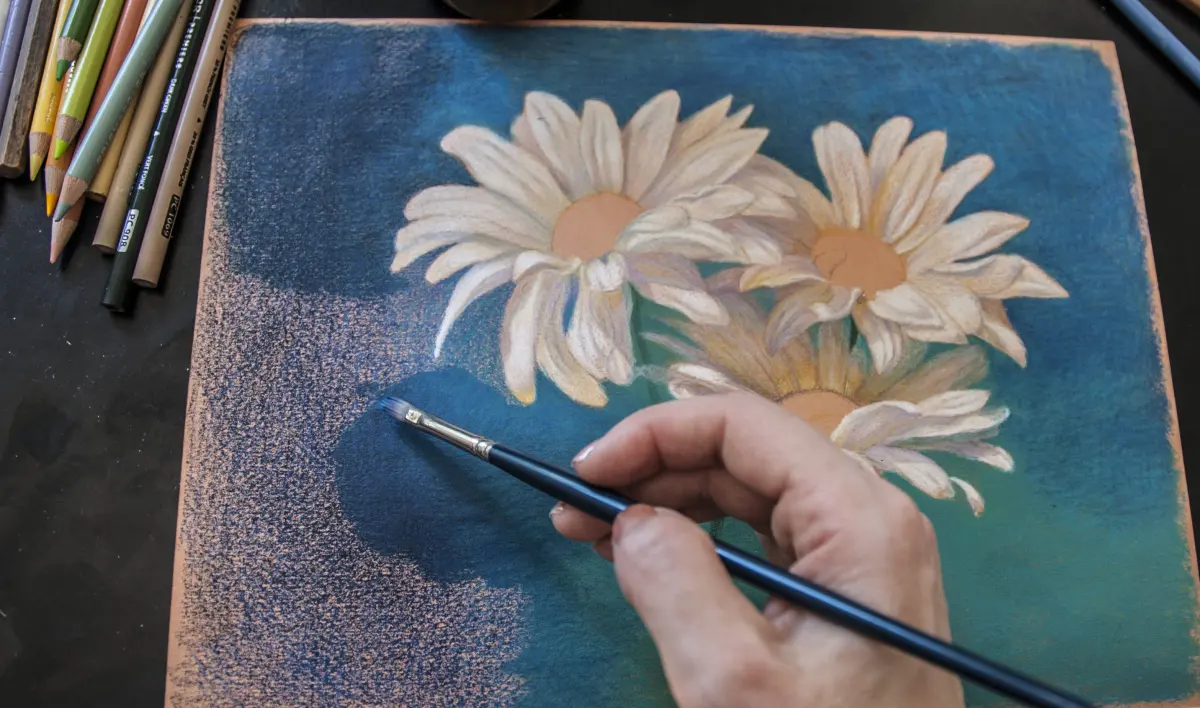
Toned paper is excellent for adding highlights with white pencils, which creates a dramatic sense of depth. It is a popular choice for portrait artists looking to balance mid-tones quickly.
How do I know if my paper is acid-free?
Check the product packaging for the "acid-free" or "archival" label, which ensures the paper is pH neutral. This prevents the drawing from deteriorating or changing color over many years.
Is sketchbook paper different from drawing paper?
Sketchbooks often contain lighter, thinner paper meant for quick studies and portability. Dedicated drawing pads usually offer thicker, higher-quality sheets designed for finished, permanent artwork.
This answer was created with the help of AI research tools and reference sources. Spotted an error? Let us know — we correct mistakes quickly. See our editorial policy.