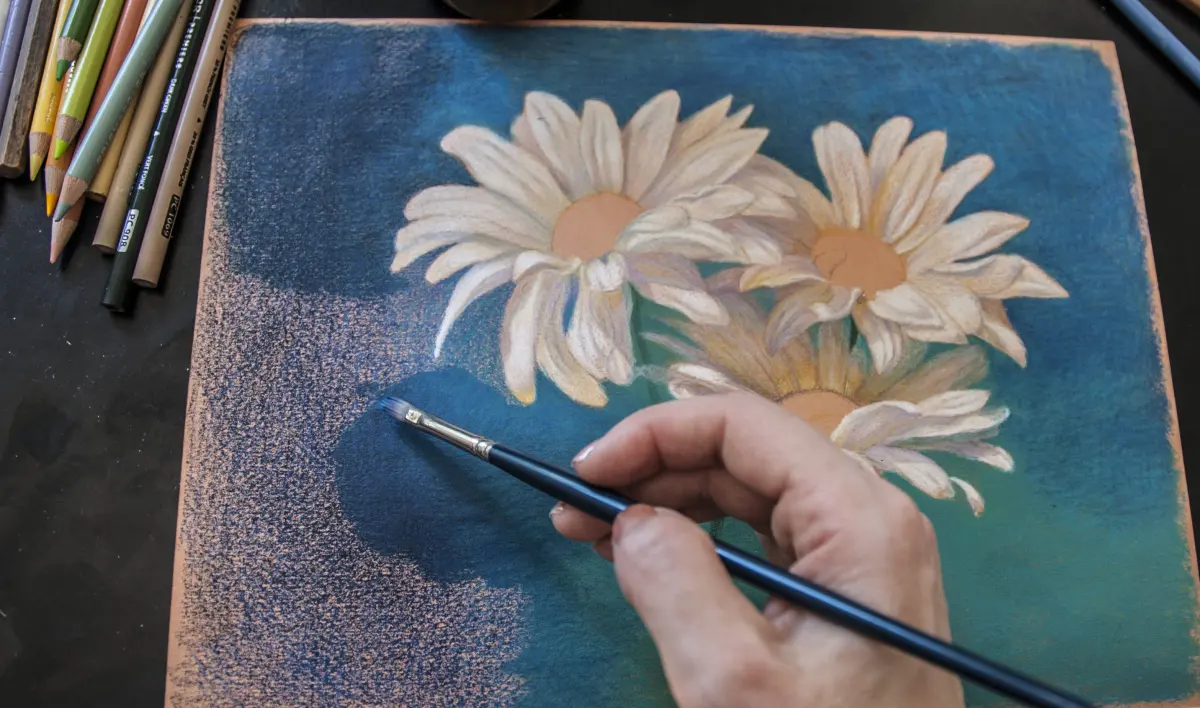
What is the difference between HB and 2B pencils?
Short answer
The difference between HB and 2B pencils lies in the ratio of graphite to clay within the core. HB pencils contain more clay, resulting in a harder, lighter mark suitable for writing. 2B pencils contain more graphite, creating a softer, darker mark ideal for sketching, shading, and artistic drawing applications.
On this page
How is pencil hardness measured
Pencils are graded on a scale that reflects the balance between graphite and clay. Graphite is the dark, lubricating material that leaves a mark, while clay acts as the binder that determines hardness. The "H" stands for hard, indicating a higher clay content, while the "B" stands for black, indicating a higher graphite content. An HB pencil sits in the middle of this spectrum, serving as the standard for general writing.
The grading system uses numbers to indicate the degree of hardness or blackness. As the number increases, the characteristics of the grade become more pronounced. For example, a 4B pencil is significantly softer and darker than a 2B pencil. Understanding these designations helps users select the right tool for specific tasks, ensuring that the lead performs as expected on paper surfaces.
- H: Hard (light, crisp lines)
- F: Firm (fine point retention)
- HB: Hard Black (standard balance)
- B: Black (soft, dark lines)
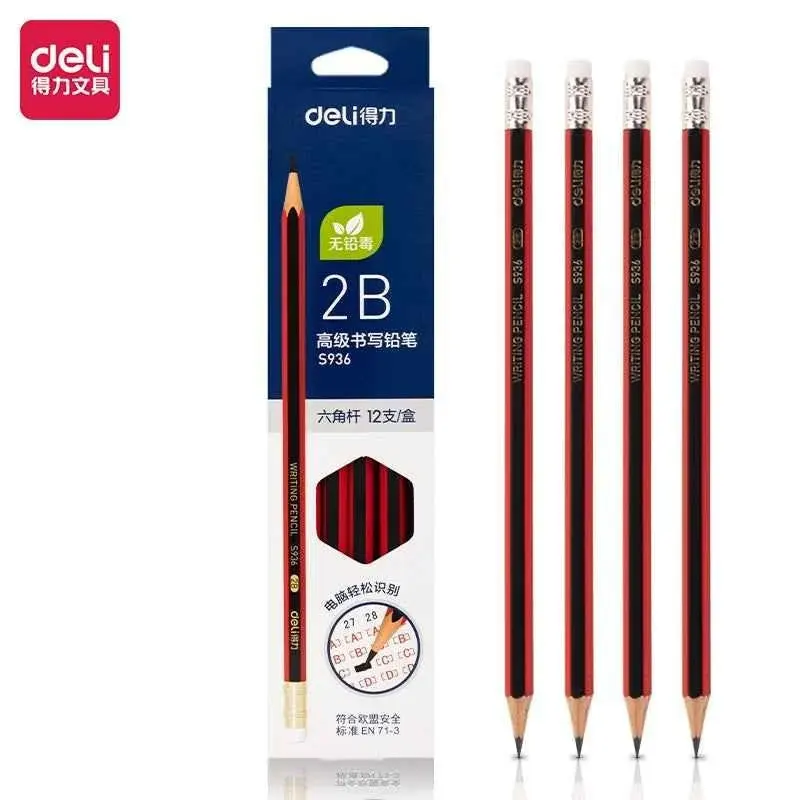
- 2B: Softer and darker than HB
Why choose an HB pencil
The HB pencil is the most common grade found in schools and offices worldwide. Its moderate clay content allows the lead to retain a sharp point for a longer duration, which is essential for legible handwriting and technical drafting. Because the mark is relatively light, it is easy to erase without leaving significant smudges or ghosting on the page.
For everyday tasks, the HB pencil offers a reliable experience. It does not break easily under normal pressure, making it an excellent choice for students or professionals who need a consistent line. If you are filling out forms, taking notes, or sketching basic diagrams, the HB pencil provides the perfect equilibrium between durability and visibility. It is the versatile workhorse of the stationery world.
- Use HB for note-taking.
- Use HB for standardized testing.
- Use HB for basic technical drawing.
When to use a 2B pencil
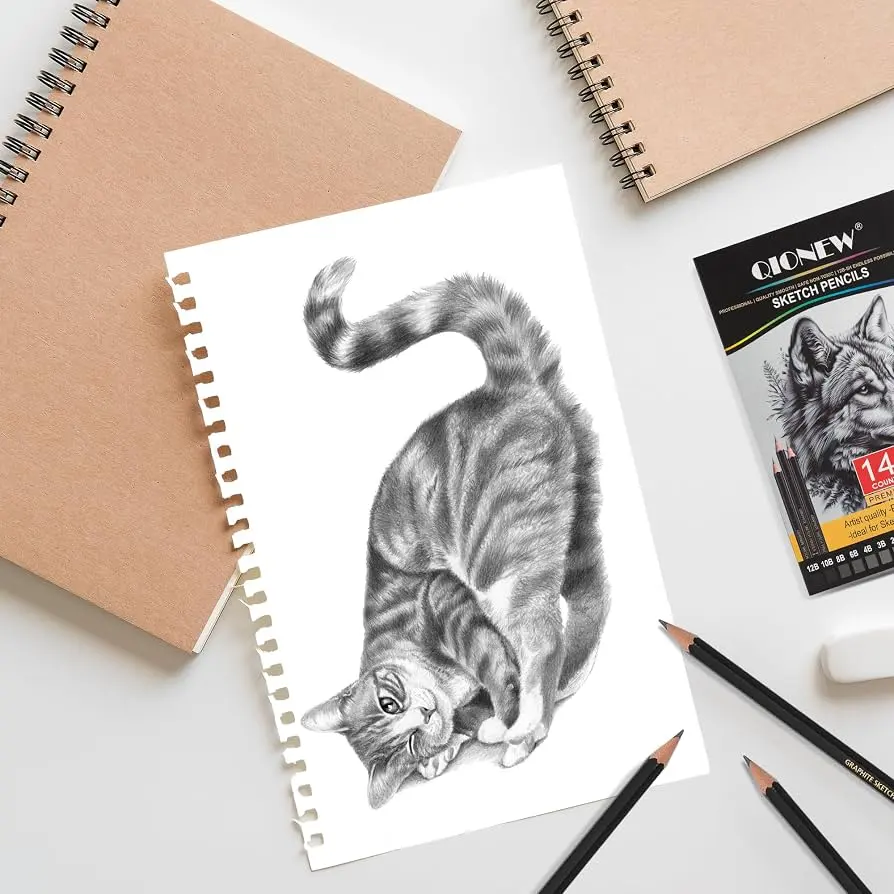
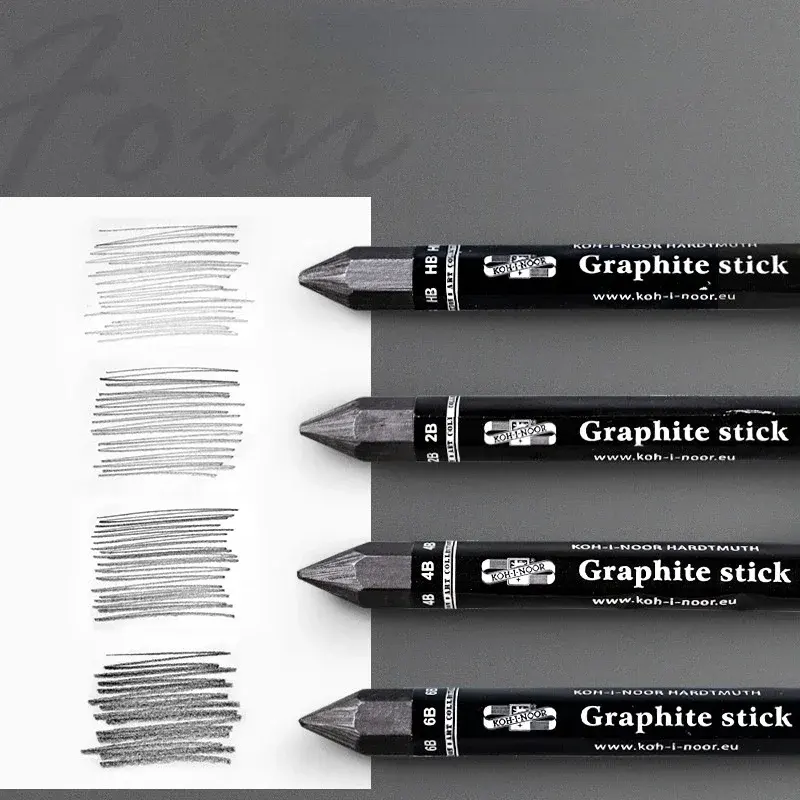
The 2B pencil is favored by artists and illustrators because of its soft, buttery texture. The increased graphite content allows the pencil to glide across the paper with minimal pressure, producing a rich, dark line that is perfect for expressive drawing. Because it is softer, it wears down faster than an HB pencil, requiring more frequent sharpening to maintain a precise tip.
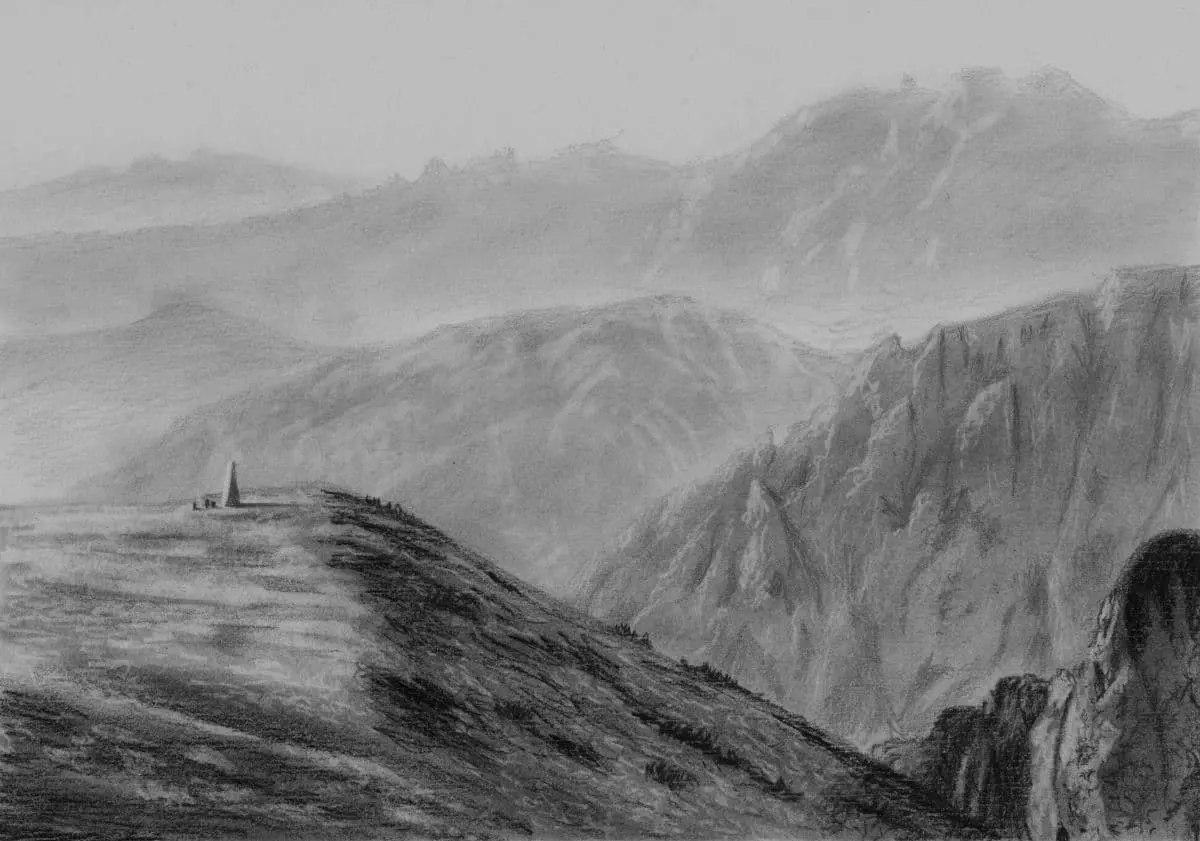
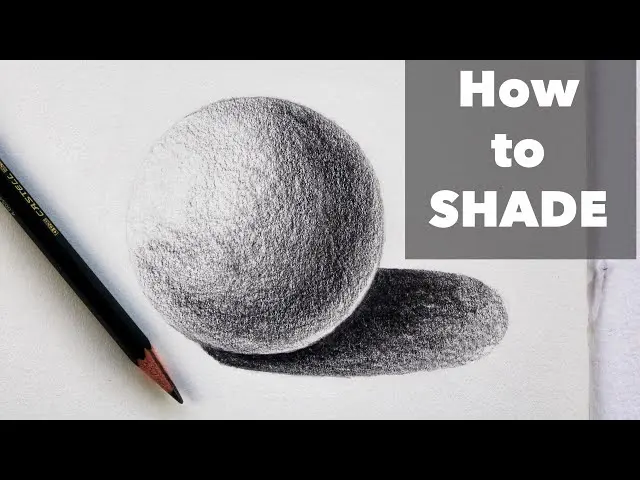
Beyond sketching, 2B pencils are excellent for shading and creating tonal depth. Artists can vary the pressure applied to the paper to achieve a wide range of grays, from faint whispers to deep, velvety blacks. While this softness makes it prone to smudging, that same quality allows for smooth blending techniques. If your goal is artistic expression rather than crisp, uniform text, the 2B grade is the superior choice.
Common mistakes when choosing pencils
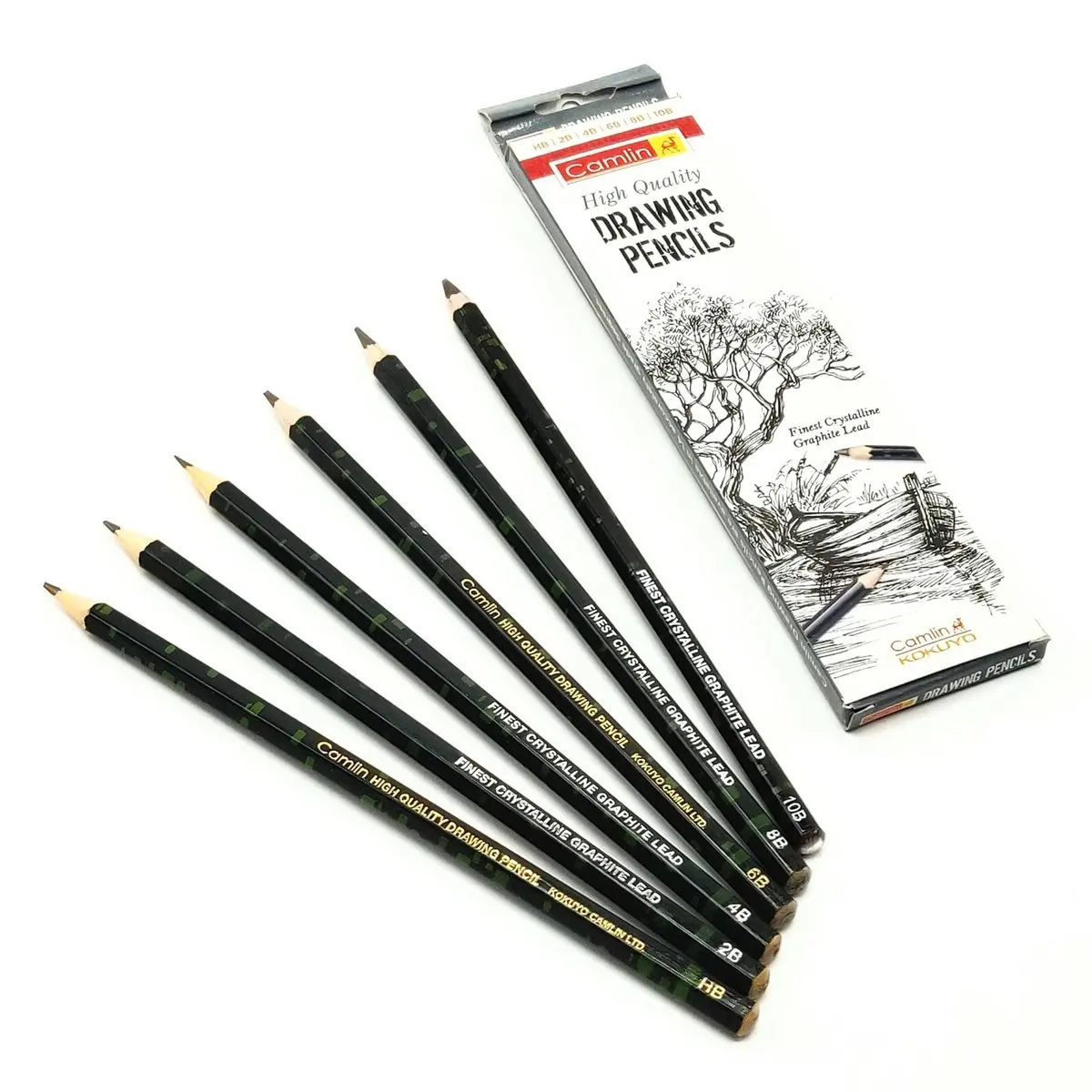
A frequent error is using a 2B pencil for tasks that require precision, such as architectural drafting or long-form writing. Because the 2B lead is soft, it dulls rapidly, leading to thick, inconsistent lines that can make small text difficult to read. Conversely, using an HB pencil for shading often results in a metallic, gray look that lacks the depth and contrast achieved with softer grades.
Another mistake is ignoring the paper texture when selecting a pencil grade. Rougher paper requires a softer lead like 2B to effectively fill in the tooth of the paper, whereas smooth, high-quality bond paper works well with harder leads like HB. Always consider the final output before settling on a specific grade. If you are unsure, test both on a scrap piece of paper to see which provides the desired aesthetic result.
How to maintain pencil points
Proper sharpening is essential to getting the most out of your pencils. For HB pencils, a standard manual or electric sharpener works well to maintain a long, conical point. Because the lead is harder, it can withstand the stress of a sharpener better than softer grades. Always ensure your sharpener blade is sharp; a dull blade will chew up the wood and break the lead inside the casing.
For 2B pencils, you must be more gentle. Because the graphite is soft, it is susceptible to snapping inside the sharpener if you apply too much force. Many artists prefer using a small hobby knife or a sandpaper block to sharpen their 2B pencils. This method allows for greater control over the length and shape of the lead, ensuring the point remains intact while providing the exact geometry needed for detailed shading or line work.
Key facts
- The "HB" grade stands for "Hard Black," indicating a balance between hardness and darkness.
- "2B" pencils contain a higher ratio of graphite to clay, resulting in a softer, darker mark.
- HB pencils are the standard for general writing and standardized testing because they resist smudging.
- 2B pencils are preferred by artists for shading and sketching due to their ability to produce deep, rich tones.
- Pencil grades follow the HB scale, where "H" denotes hardness and "B" denotes blackness.
- Using a 2B pencil for technical drafting can lead to frequent point breakage and unwanted smearing on the page.
The bottom line
The primary difference between HB and 2B pencils lies in the ratio of graphite to clay. HB pencils offer a firm, smudge-resistant line ideal for writing and technical tasks. Conversely, 2B pencils are softer and darker, making them the preferred choice for artistic shading and sketching. Selecting the right grade depends on whether your priority is clean, precise lines or expressive, deep tonal ranges.
People also ask
What do the letters H and B actually stand for?
The letter H stands for hardness, while B stands for blackness. A higher number before H indicates a harder, lighter lead, whereas a higher number before B indicates a softer, darker lead.
Can I use a 2B pencil for math homework?
You can, but it is not ideal because the lead is soft and wears down quickly. This requires frequent sharpening and may cause your work to smudge if your hand drags across the paper.
Why do standardized tests specifically require HB pencils?
Optical mark recognition scanners are calibrated to detect the specific graphite density of an HB pencil. A pencil that is too light might not be registered, while one that is too soft can smear and cause false readings.
Which pencil is best for a beginner learning to draw?
A 2B pencil is an excellent starting point for beginners. It provides enough softness to create a range of values and textures without being so soft that it becomes difficult to control.
Do pencil grades affect how easy they are to erase?
Generally, harder leads like HB are easier to erase cleanly. Softer leads like 2B deposit more graphite into the paper fibers, which can make them more difficult to remove completely without leaving a ghost image.
Are there pencils softer than 2B?
Yes, the scale extends to 6B, 8B, and even 9B. These pencils are extremely soft and dark, making them perfect for dramatic shading but unsuitable for precise writing or fine detail work.
This answer was created with the help of AI research tools and reference sources. Spotted an error? Let us know — we correct mistakes quickly. See our editorial policy.