What are the best oil pastels for beginners?
Short answer
The best oil pastels for beginners are those that balance affordability with high pigment concentration and a soft, buttery consistency. Brands like Pentel, Mungyo, and Sakura Cray-Pas offer excellent entry-level sets. These products provide enough blendability for learning techniques without the high cost associated with professional-grade, wax-heavy artist pastels.
On this page
Best oil pastels for beginners
Selecting the right materials is essential for a positive introduction to oil pastels. For those just starting, the goal is to find a medium that is soft enough to layer easily but firm enough to maintain control on the paper. High-end professional brands often contain expensive binders that can be too soft or sticky for a novice to manage effectively.
The following brands are widely considered the gold standard for beginners due to their consistency and price point:
- Pentel Oil Pastels: Extremely affordable and widely available, these are perfect for initial color studies and understanding basic layering.
- Mungyo Gallery Soft Oil Pastels: These offer a professional feel at a student price, providing a very creamy texture that blends beautifully.
- Sakura Cray-Pas Junior Artist: Specifically designed for students, these are less prone to breaking and provide a consistent, vibrant color payoff.
How to choose the right paper for oil pastels
Oil pastels require a surface with enough "tooth" or texture to grab the pigment. If the paper is too smooth, the pastel will slide across the surface without adhering, leading to a thin, streaky appearance. Conversely, paper that is too rough can shred the pastel stick and make detailed work difficult to achieve.
When shopping for paper, look for these characteristics:
- Weight: Aim for paper that is at least 80lb (120gsm) to prevent buckling under pressure.
- Texture: Cold-press watercolor paper or specialized pastel paper provides the ideal grip for multiple layers.
- Color: Neutral tones like gray, tan, or black can help you judge values more accurately than stark white paper.
Avoid using standard printer paper, as it lacks the necessary texture and thickness to hold the oil medium, often resulting in greasy spots or tearing during heavy application.
Essential techniques for oil pastel blending
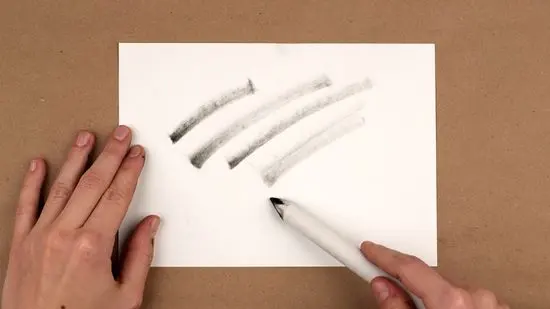
Blending is the core skill that separates a flat drawing from a rich, dimensional piece of art. Because oil pastels do not dry like paint, you can manipulate the colors directly on the page for hours or even days. Beginners should start by practicing pressure control, which involves varying how hard you press the stick to achieve different color densities.
To master blending, follow these fundamental methods:
- Sgraffito: Apply a base layer of color, cover it with a darker layer, and scratch through the top layer with a palette knife or toothpick to reveal the color underneath.
- Scumbling: Use a light, dry touch to layer colors over one another, creating a hazy or atmospheric effect that allows the underlying colors to peek through.
- Solvent blending: Use a small amount of mineral spirits or baby oil on a brush to dissolve the pigment, creating a painterly, wash-like finish.
Common mistakes when using oil pastels
One of the most frequent errors beginners make is applying too much pressure too early in the process. When you fill the "tooth" of the paper with a thick, waxy layer immediately, you lose the ability to add more colors or refine details. It is always better to build your image in thin, translucent layers rather than saturating the paper from the start.
Another common pitfall is ignoring the importance of color theory. Because oil pastels are opaque, it is easy to accidentally create "mud" by blending complementary colors like red and green directly together without a transition shade. To avoid this, always test your color combinations on a scrap piece of paper before applying them to your final composition. Additionally, remember that oil pastels never fully dry; they remain susceptible to smudging, so handle your finished work with care or use a glassine sheet for protection.
How to store and preserve oil pastel art
Since oil pastels are non-drying, they are notoriously difficult to preserve compared to acrylics or oils. Dust, pet hair, and debris can easily stick to the surface of your artwork, ruining the texture and clarity of the colors. Proper storage is therefore just as important as the drawing process itself to ensure your work remains vibrant over time.
To protect your completed projects, consider these steps:
- Use glassine paper: Place a sheet of smooth, acid-free glassine over your drawing to prevent smudging while allowing the surface to breathe.
- Frame with a mat: When framing, use a mat board to create a physical gap between the pastel surface and the glass, preventing the artwork from sticking to the frame.
- Avoid fixatives: Most spray fixatives are designed for dry pastels and can permanently alter the finish of oil pastels, often causing them to become tacky or lose their intended matte or satin appearance.
By following these guidelines, you can ensure your transition into the medium is both successful and enjoyable, allowing your creative skills to develop with the proper foundation.
Key facts
- Oil pastels consist of pigment mixed with a non-drying oil and wax binder.
- Student-grade pastels contain more wax and less pigment than professional-grade counterparts.
- Brands like Pentel and Mungyo are widely considered the best entry-level options for beginners.
- Beginners should avoid "wax crayons," which are harder and lack the buttery texture of oil pastels.
- Using a fixative spray is necessary to prevent smudging once a piece is completed.
- Oil pastels can be thinned or blended using a small amount of mineral spirits or baby oil.
The bottom line
For beginners, the ideal oil pastel set balances affordability with a creamy, blendable consistency. Brands like Pentel offer excellent value for learning basic techniques, while Mungyo provides a wider color range for experimentation. Focus on using heavy-weight, textured paper to ensure the pigments adhere properly. By mastering blending and layering early on, you will quickly develop the confidence to create vibrant, professional-looking artwork without unnecessary frustration.
People also ask
Are oil pastels the same as oil sticks?
No, oil sticks are essentially oil paint in a solid stick form and require drying time. Oil pastels remain permanently soft and never fully cure or dry.
Can you use oil pastels on regular printer paper?
It is not recommended because the paper is too thin and lacks the "tooth" needed to grip the pigment. Use heavy-weight paper or specialized pastel boards for better results.
How do you blend oil pastels without making a mess?
Use a paper stump, a soft silicone color shaper, or a clean finger to gently push the colors together. Always start with the lightest color to avoid muddying your palette.
Do I need to seal my oil pastel artwork?
While oil pastels do not dry, they can attract dust and smudge easily. A specialized fixative spray helps protect the surface, though it may slightly alter the texture.
Can oil pastels be layered like paint?
Yes, you can layer colors by applying light pressure for the base and heavier pressure for top highlights. Avoid applying too many layers, as the wax can become oversaturated and resist new pigment.
What is the best way to clean up oil pastels?
Use a paper towel to wipe off excess material from your hands or tools. For stubborn residue on surfaces, a small amount of vegetable oil or baby oil works as an effective solvent.
This answer was created with the help of AI research tools and reference sources. Spotted an error? Let us know — we correct mistakes quickly. See our editorial policy.