What is a wide-angle lens?
Short answer
A wide-angle lens is a camera lens with a short focal length, typically measuring less than 35mm on a full-frame camera. It captures a broader field of view than the human eye, allowing photographers to fit more of a scene into a single frame, making it ideal for landscapes, architecture, and cramped interior photography.
On this page
What does a wide-angle lens do?
A wide-angle lens functions by expanding the angle of view, which allows the camera to record a much larger portion of a scene compared to a standard or telephoto lens. By design, these lenses have a shorter focal length, which pushes the subject matter further away from the sensor or film plane. This optical configuration is essential for capturing expansive vistas or large structures when the photographer cannot physically move further back to include everything in the frame.
Beyond the expanded field of view, these lenses possess a unique ability to exaggerate the sense of depth and distance within an image. Objects close to the lens appear significantly larger than they would to the naked eye, while distant objects seem to recede rapidly into the background. This characteristic is often used creatively to guide a viewer’s eye through a composition or to add a dynamic, immersive quality to architectural photography.
How to use a wide-angle lens effectively
Using a wide-angle lens requires a deliberate approach to composition because the lens captures so much information that images can easily become cluttered. To maintain a strong focal point, you must place a compelling subject in the foreground to anchor the viewer’s attention. Without a clear foreground element, the vast expanse of the frame can feel empty or disconnected from the viewer.
When composing your shot, consider these practical steps to improve your results:
- Get physically close to your primary subject to emphasize its size and texture.
- Keep your camera perfectly level to minimize the distortion of vertical lines, such as building edges or trees.
- Use a tripod to ensure sharpness, as even minor movements are magnified by the wide field of view.
- Experiment with low-angle shots to create dramatic leading lines that draw the eye toward the horizon.
Why wide-angle lenses cause distortion
The most common optical phenomenon associated with wide-angle photography is barrel distortion, where straight lines near the edges of the frame appear to curve outward. This happens because the lens must project a wide, three-dimensional scene onto a flat, two-dimensional sensor. While modern lens engineering has significantly reduced this effect, it remains a characteristic trait of ultra-wide optics, especially those with focal lengths below 16mm.
Another form of distortion is known as perspective distortion, which is not a flaw of the glass but a result of the lens's proximity to the subject. If you point a wide-angle lens upward at a building, the parallel lines of the structure will appear to converge toward the top of the frame, creating the "falling over" effect. To avoid this, you can:
- Position yourself at a higher elevation to keep the camera sensor parallel to the subject.
- Use a tilt-shift lens, which allows for the physical adjustment of the optics to correct perspective.
- Correct the convergence during post-processing using dedicated editing software tools.
Common mistakes when using wide-angle lenses
The most frequent error beginners make is failing to fill the frame effectively. Because the lens captures so much, photographers often end up with images that lack a clear subject, resulting in a "busy" or chaotic composition. Another common mistake is neglecting the corners of the frame. Because the lens sees so much, it is easy to accidentally include distracting elements like your own feet, tripod legs, or unwanted debris that would be excluded by a standard lens.
To improve your consistency, avoid these common pitfalls:
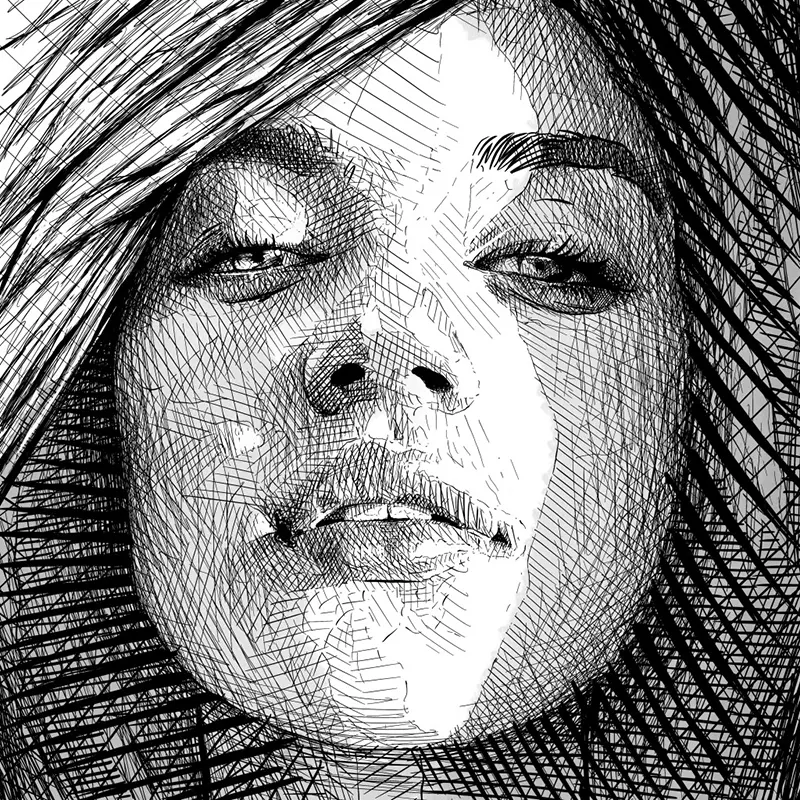
- Over-relying on the ultra-wide perspective by using it for every subject, which can make portraits look unnatural by distorting facial features.
- Ignoring the horizon line, which can make a landscape look like it is sliding off the edge of the frame.
- Failing to check the edges of the viewfinder for unwanted objects, such as stray branches or trash, which are easily missed when focusing on the center.
Best wide-angle lenses for beginners
For those just starting, the best choice is often a zoom lens that covers a range, such as 16-35mm. This versatility allows you to experiment with different degrees of "wideness" without needing to carry multiple prime lenses. A 24mm prime lens is also an excellent entry point, as it provides a classic wide look that is manageable and offers a wider aperture for low-light conditions. These lenses are widely available for both DSLR and mirrorless camera systems, making them highly accessible.
When selecting your first wide-angle lens, consider these factors:
- Aperture: A wider maximum aperture, such as f/2.8, is better for low-light photography and creating background blur.
- Weight: If you plan on hiking for landscape photography, prioritize a lightweight, compact build.
- Filter compatibility: Some ultra-wide lenses have protruding front elements that make using standard circular filters impossible, so check if the lens accepts screw-on filters or requires a specialized holder system.
Key facts
- A wide-angle lens typically has a focal length shorter than 35mm on a full-frame camera.
- These lenses provide a broader field of view than the human eye, allowing more of a scene to fit into the frame.
- Wide-angle lenses increase the apparent distance between foreground objects and the background, creating a sense of depth.
- To avoid unwanted distortion, keep the camera perfectly level when shooting architecture or interior spaces.
- Get close to your subject to create a dramatic, immersive perspective that draws the viewer into the scene.
- Use a wide-angle lens to capture expansive landscapes, cramped interior rooms, or large groups of people in tight spaces.
The bottom line
A wide-angle lens is an essential tool for photographers looking to capture expansive scenes, tight interiors, or dramatic perspectives. By understanding how focal length influences distortion and depth, you can use these lenses to create immersive images. Always watch your edges to avoid unwanted stretching, and remember that getting physically closer to your subject is the key to maximizing the creative potential of this versatile equipment.
People also ask
What is the difference between a wide-angle lens and a fisheye lens?
A wide-angle lens is designed to maintain straight lines, whereas a fisheye lens intentionally produces extreme, barrel-shaped distortion. Fisheye lenses typically offer an ultra-wide field of view of 180 degrees or more.
Will a wide-angle lens make my subject look thinner or wider?
Wide-angle lenses tend to stretch and distort subjects located near the edges of the frame. If you place a person near the edge, they will appear wider or elongated, which is generally unflattering for portraiture.
Can I use a wide-angle lens for portrait photography?
You can, but you must be careful with placement to avoid facial distortion. It is best to keep the subject in the center of the frame and avoid close-ups to prevent the nose or forehead from appearing unnaturally large.
What does "focal length" mean in relation to wide-angle lenses?
Focal length is the distance in millimeters between the lens optical center and the camera sensor. Lower numbers, such as 14mm or 24mm, indicate a wider field of view, while higher numbers indicate a narrower, zoomed-in view.
Why do my photos look blurry at the edges when using a wide-angle lens?
This is often caused by lens softness or optical aberrations common in cheaper wide-angle glass. Stopping down your aperture to f/8 or f/11 can often improve sharpness across the entire frame.
Is a wide-angle lens better for street photography?
Many street photographers prefer wide-angle lenses because they allow for candid shots that include the subject and their environment. This provides context to the image and helps tell a more complete visual story.
This answer was created with the help of AI research tools and reference sources. Spotted an error? Let us know — we correct mistakes quickly. See our editorial policy.