What is chalk pastels used for?
Short answer
Chalk pastels are versatile drawing media consisting of pure powdered pigment held together by a minimal binder. Artists use them for vibrant, painterly sketches, expressive portraits, and soft-focus landscapes. Because they blend easily and offer intense color saturation, they are ideal for layering, shading, and creating atmospheric effects on textured paper surfaces.
On this page
What are the primary uses of chalk pastels?
Chalk pastels are primarily used for fine art drawing where the artist desires the rich, saturated color of paint with the immediacy and control of a dry medium. Unlike oil pastels, which contain wax or oil binders, chalk pastels are composed almost entirely of pigment. This composition allows for a dusty, matte finish that is highly prized for its ability to capture light and texture. Artists frequently use them to create large-scale murals, intricate portraiture, and expressive landscape studies.
Because the medium is dry, it does not require solvents or drying time, making it a favorite for plein air painters who work outdoors. The sticks can be used on their sides to cover large areas of a composition quickly or on their edges for fine, linear detail. They are also frequently used in mixed-media projects, where they provide a final layer of color over watercolor or acrylic underpaintings to add depth and luminosity.
How to use chalk pastels for beginners
Starting with chalk pastels requires selecting the right paper, as the surface texture is essential for holding the pigment. You should choose "sanded" or "toothed" papers, which have a slight grit that grabs the pastel dust. Smooth paper will not hold the layers effectively, leading to muddy results. When beginning a piece, always start with a light outline using a hard pastel or a charcoal pencil, as these are easier to adjust than the soft, powdery sticks.
- Select a high-quality, toothy paper designed for pastels.
- Sketch your initial composition lightly to avoid clogging the paper's texture.
- Apply base colors using the side of the pastel stick for broad coverage.
- Layer lighter colors over darker ones, building up the intensity gradually.
- Use your fingers or a blending stump to soften transitions between colors.
Why do chalk pastels smudge so easily?
The very quality that makes chalk pastels desirable—their high pigment load and lack of heavy binders—is the reason they smudge so easily. The pigment particles sit loosely on the surface of the paper rather than being absorbed into the fibers. While this allows for beautiful blending and soft gradients, it also means that the artwork remains vulnerable to accidental contact until it is properly protected. Even a light touch can shift the pigment or cause it to fall off the page.
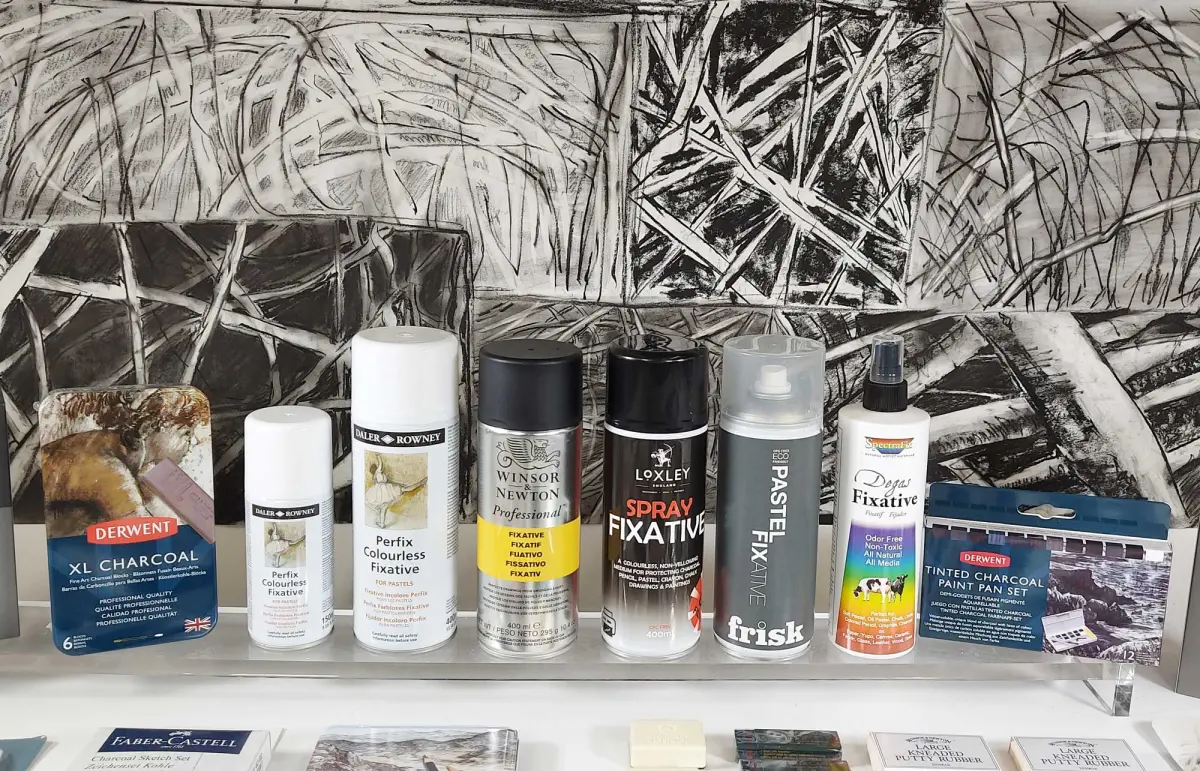
To mitigate this, artists often work on an easel in a vertical position, allowing excess dust to fall away from the drawing rather than settling into the paper. Using a fixative spray is the standard industry solution for preserving finished work. However, fixatives can alter the appearance of the colors, often darkening them or reducing their vibrancy. Many professionals prefer to frame their pastel work behind glass, using spacers to ensure the glass does not touch the surface of the art.
Common mistakes when using chalk pastels
One of the most frequent errors beginners make is over-blending their work. While blending is a key technique, doing it too much with your fingers or tools can fill the "tooth" of the paper, making it impossible to add further layers. Once the paper surface is saturated with dust, the pastel will simply slide off the page. To avoid this, try to use light, directional strokes to create color transitions rather than relying solely on manual smudging.
- Applying too much pressure, which compresses the pigment and ruins the texture.
- Using low-quality paper that lacks the necessary grit to hold the pigment.
- Neglecting to clean tools between colors, leading to muddy, unwanted color mixtures.
- Spraying too much fixative, which can cause the colors to lose their characteristic matte, velvety finish.
- Failing to protect the drawing with glass, leading to long-term degradation and fading.
How to store and preserve chalk pastel art
Preserving chalk pastel artwork requires careful attention to environmental factors to prevent fading and physical damage. Because the pigment is not permanently bonded to the substrate, it is highly sensitive to humidity, heat, and light. You should store unframed works in acid-free glassine paper, which protects the surface from friction without sticking to the pigment. Never stack pastel drawings directly on top of one another, as the pressure will cause the colors to transfer and smear across the pages.
For long-term display, framing is the only truly effective way to protect the work. Ensure that the frame includes a mat board, which creates a physical gap between the artwork and the glass. This gap prevents the pastel from sticking to the glass due to static electricity or moisture buildup. By following these storage and display protocols, you can ensure that the vibrancy of the pigments remains stable and the integrity of the drawing is maintained for many decades.
Key facts
- Chalk pastels consist of pure powdered pigment held together by a minimal amount of binder, resulting in a vibrant, matte finish.
- Unlike oil pastels, chalk pastels are dry and can be easily blended using fingers, stumps, or soft cloths.
- They require a "tooth" or textured surface, such as sanded paper or heavy-weight pastel card, to hold the pigment particles.
- Artists must use a fixative spray to prevent the powdery medium from smudging or dusting off the finished artwork.
- You can create sharp details by using the edge of the stick, while the broad side is ideal for covering large background areas.
- Layering is essential; start with hard pastels for the base and finish with soft, highly pigmented pastels for highlights.
The bottom line
Chalk pastels offer artists a versatile, high-pigment medium perfect for expressive drawing and vibrant color blending. By selecting the correct textured paper and mastering layering techniques, you can achieve professional results ranging from soft gradients to sharp, detailed lines. Remember to apply fixative to protect your work and prioritize safety by maintaining proper ventilation, ensuring your creative process remains both productive and enjoyable for years to come.
People also ask
Can you use chalk pastels on regular printer paper?
It is not recommended because printer paper is too smooth to hold the pigment, causing the chalk to fall off. Use textured pastel paper or watercolor paper to ensure the dust adheres properly.
How do I prevent my pastel drawing from smudging?
Always work from the top of the page to the bottom to avoid dragging your hand through finished sections. Apply a light coat of workable fixative periodically as you layer colors.
Are chalk pastels toxic to breathe in?
Many pastels contain pigments that can be harmful if inhaled in large quantities. Work in a well-ventilated area and avoid blowing excess dust off your paper with your mouth.
What is the difference between hard and soft pastels?
Hard pastels contain more binder and are used for initial sketches and fine details. Soft pastels have more pigment and less binder, making them perfect for rich, saturated color application.
Can I mix chalk pastels with other media?
Yes, they work well over watercolor underpaintings or charcoal sketches. However, they generally do not adhere well over oily surfaces like oil paint or wax crayons.
How do I clean up pastel dust?
Avoid using a dry cloth, which spreads the pigment into the air or fibers. Instead, use a damp paper towel or a vacuum with a HEPA filter to safely collect the particles.
This answer was created with the help of AI research tools and reference sources. Spotted an error? Let us know — we correct mistakes quickly. See our editorial policy.