What techniques did Henri Matisse use?
Short answer
Henri Matisse utilized bold, non-naturalistic color palettes, rhythmic line work, and simplified forms to express emotional depth. He famously mastered Fauvism, oil painting, and late-career paper cutouts. By prioritizing expressive composition over realistic representation, he fundamentally shifted the trajectory of modern art, emphasizing harmony, balance, and the decorative potential of space.
On this page
How to paint with Fauvist color techniques
Matisse became the leader of the Fauves, or "wild beasts," in 1905. His technique involved applying pure, unmixed pigment directly from the tube onto the canvas to create vibrant, jarring contrasts. Rather than using color to describe the local hue of an object, he used it to dictate the mood and structural rhythm of the composition. In works like Woman with a Hat (1905), he utilized unnatural greens and reds to define facial features, prioritizing the emotional impact of the palette over traditional modeling.
To emulate this approach, you should focus on the following steps:
- Select a limited palette of high-intensity, saturated colors.
- Apply paint in broad, flat areas rather than blending or softening edges.
- Ignore traditional shadows, instead using contrasting colors to create depth.
- Focus on the relationship between colors to establish a sense of visual balance.
A common mistake is over-blending your colors. Fauvism relies on the raw energy of distinct, unmixed hues placed side-by-side to create a vibrating, optical effect.
How to master Matisse’s rhythmic line drawing
Matisse believed that a line should be a direct, unmediated expression of his internal energy. He often practiced drawing by sketching the same subject repeatedly, stripping away unnecessary detail until only the most essential, fluid strokes remained. This "economy of means" allowed him to capture the essence of a human form or a still life with just a few continuous, sweeping lines. He frequently used charcoal or pen and ink, emphasizing the grace and movement of the subject rather than anatomical perfection.
When practicing this technique, keep these guidelines in mind:
- Use your entire arm rather than just your wrist to create long, sweeping arcs.
- Do not lift your drawing tool from the paper; prioritize the continuity of the line.
- Focus on the silhouette of the object rather than the internal surface details.
- Accept that most lines will be discarded; the goal is to find the "definitive" contour.
Avoid the temptation to erase or correct your work. Matisse preferred to start a new sheet of paper entirely, ensuring that his final lines remained fresh, spontaneous, and unburdened by hesitation.
Why Matisse used paper cutouts in his later years
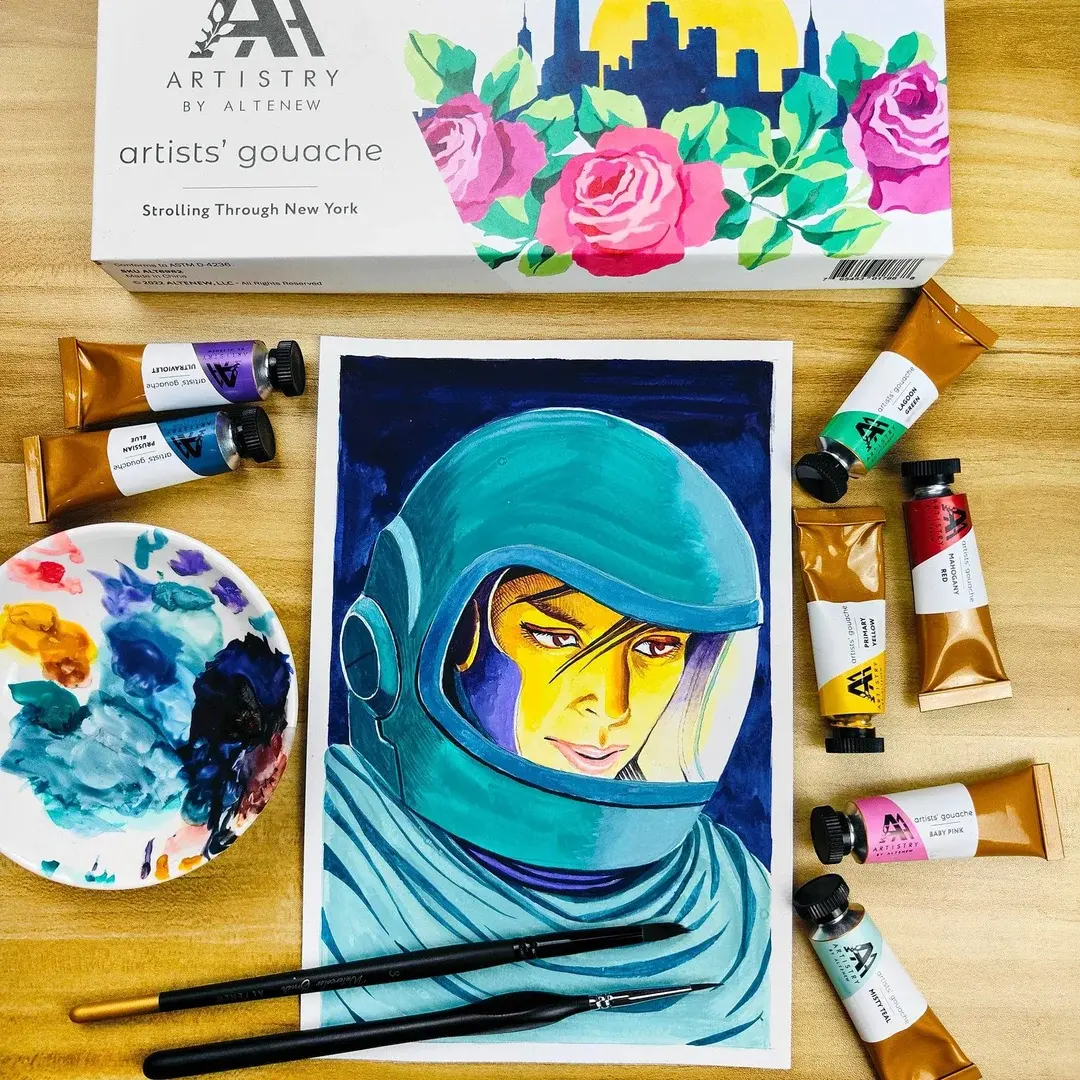
During the 1940s, confined to a wheelchair by illness, Matisse developed a new medium known as "drawing with scissors." He began by painting large sheets of paper with gouache, then cutting shapes directly from these colored surfaces. This technique allowed him to bypass the brush, creating a direct relationship between his hand and the color. By pinning these shapes to his studio walls, he could rearrange them endlessly, treating the entire room as a living, breathing canvas.
This process involved several distinct phases:
- Preparation: Coating heavy paper with flat, matte gouache colors.
- Cutting: Using large tailor’s shears to carve organic, flowing shapes from the paper.
- Composition: Pinning the cutouts to the wall to test balance and spatial relationships.
- Finalization: Gluing the shapes onto a backing board once the arrangement felt harmonious.
This method allowed for a unique synthesis of sculpture and painting. The resulting works, such as the Jazz series (1947), possess a structural clarity that traditional painting often lacks.
How to create balance and decorative space
Matisse was deeply influenced by Islamic art and textiles, which informed his obsession with pattern and decorative space. He often flattened the perspective of his interiors, using bold, repeating motifs on wallpaper, rugs, and fabrics to push the background to the front of the picture plane. By doing this, he created a "decorative" effect where the objects and the background held equal weight. His goal was to provide the viewer with a sense of mental "rest" through orderly, harmonious arrangements.
To achieve this in your own work:
- Place heavily patterned objects against plain, solid-colored backgrounds.
- Use wide, dark outlines to separate different zones of color and pattern.
- Avoid traditional vanishing points; treat the canvas as a two-dimensional surface.
- Integrate the frame or the edges of the canvas into the overall design.
A common mistake is failing to unify the patterns. Ensure that the scale of your patterns relates to the overall composition to prevent the image from feeling cluttered or chaotic.
Best practices for simplifying complex subjects
The core of Matisse’s philosophy was the reduction of complex reality into simple, expressive signs. He did not aim for photographic accuracy; instead, he sought to distill a subject down to its most recognizable and evocative elements. Whether painting a dancer or a window view, he eliminated peripheral information to ensure the viewer focused on the core narrative or feeling of the piece. This process requires a disciplined eye and the courage to leave large areas of the canvas empty or minimally treated.
When attempting to simplify your subjects, follow these rules:
- Identify the one "key" feature that defines your subject.
- Remove any element that does not directly contribute to the primary focal point.
- Use color to define mass rather than relying on heavy shading or modeling.
- Trust that the viewer’s imagination will fill in the gaps you leave behind.
By stripping away the unnecessary, you allow the essential character of your subject to emerge with greater clarity and power. This approach remains one of the most effective ways to create art that feels both modern and timeless.
Key facts
- Use pure, unmixed color directly from the tube to create vibrant, non-naturalistic effects characteristic of Fauvism.
- Apply paint in broad, flat planes rather than using traditional shading or modeling to define three-dimensional forms.
- Simplify complex subjects into essential lines and shapes to emphasize emotional expression over photographic realism.
- Experiment with the "cut-out" technique by painting paper with gouache and using scissors to carve out shapes.
- Incorporate decorative patterns and textiles, such as Moroccan rugs or floral wallpaper, to flatten the pictorial space.
- Avoid overworking the canvas, as Matisse often left parts of the primed white ground visible to maintain a sense of light.
The bottom line
Henri Matisse revolutionized modern art by prioritizing expressive color and simplified form over traditional realism. By flattening space and embracing bold, decorative patterns, he shifted the focus from imitating nature to capturing internal feeling. Whether through his vibrant oil paintings or his innovative paper cut-outs, Matisse’s work teaches us that the power of art lies in the clarity of vision and the courage to simplify.
People also ask
Did Henri Matisse belong to a specific art movement?
Yes, Matisse was the leader of the Fauves, or "wild beasts," a group active around 1905 known for using intense, arbitrary colors. Later, he moved toward more simplified forms and his iconic paper cut-outs.
How did Matisse create his famous paper cut-outs?
In his later years, Matisse suffered from health issues that made painting difficult, so he directed assistants to paint sheets of paper with gouache. He then cut these into shapes and arranged them into large-scale compositions.
What was the significance of the painting "The Dance"?
Created in 1910, this work is a prime example of his mature style, featuring a limited palette of red, blue, and green. It emphasizes rhythmic movement and simplicity over anatomical detail.
Did Matisse use perspective in his paintings?
Matisse intentionally rejected traditional linear perspective to emphasize the two-dimensional nature of the canvas. He preferred to create depth through color relationships and decorative arrangements rather than vanishing points.
What materials did Matisse prefer for his drawings?
He often used charcoal or pen and ink for his drawings, focusing on fluid, continuous lines. He aimed to capture the essence of a subject with the fewest possible marks.
How can I practice Matisse's color theory?
Start by choosing a subject and painting it using colors that reflect your emotional state rather than reality. Focus on high-contrast pairings, like placing bright orange next to deep blue, to create visual energy.
This answer was created with the help of AI research tools and reference sources. Spotted an error? Let us know — we correct mistakes quickly. See our editorial policy.