What is the difference between watercolor and gouache?
Short answer
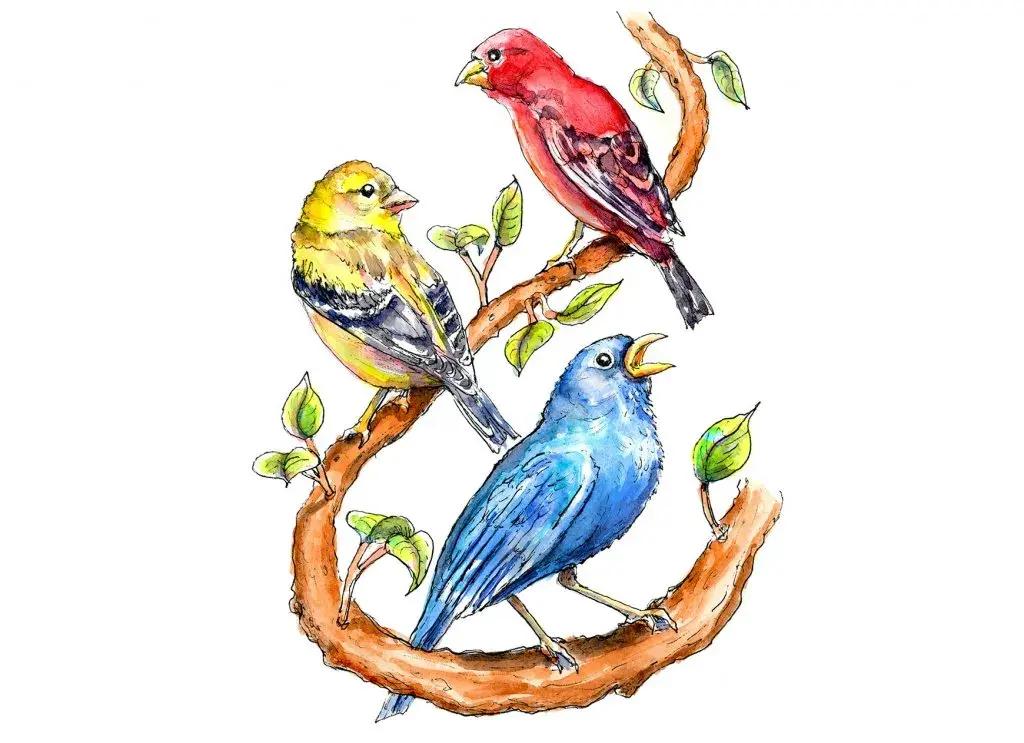
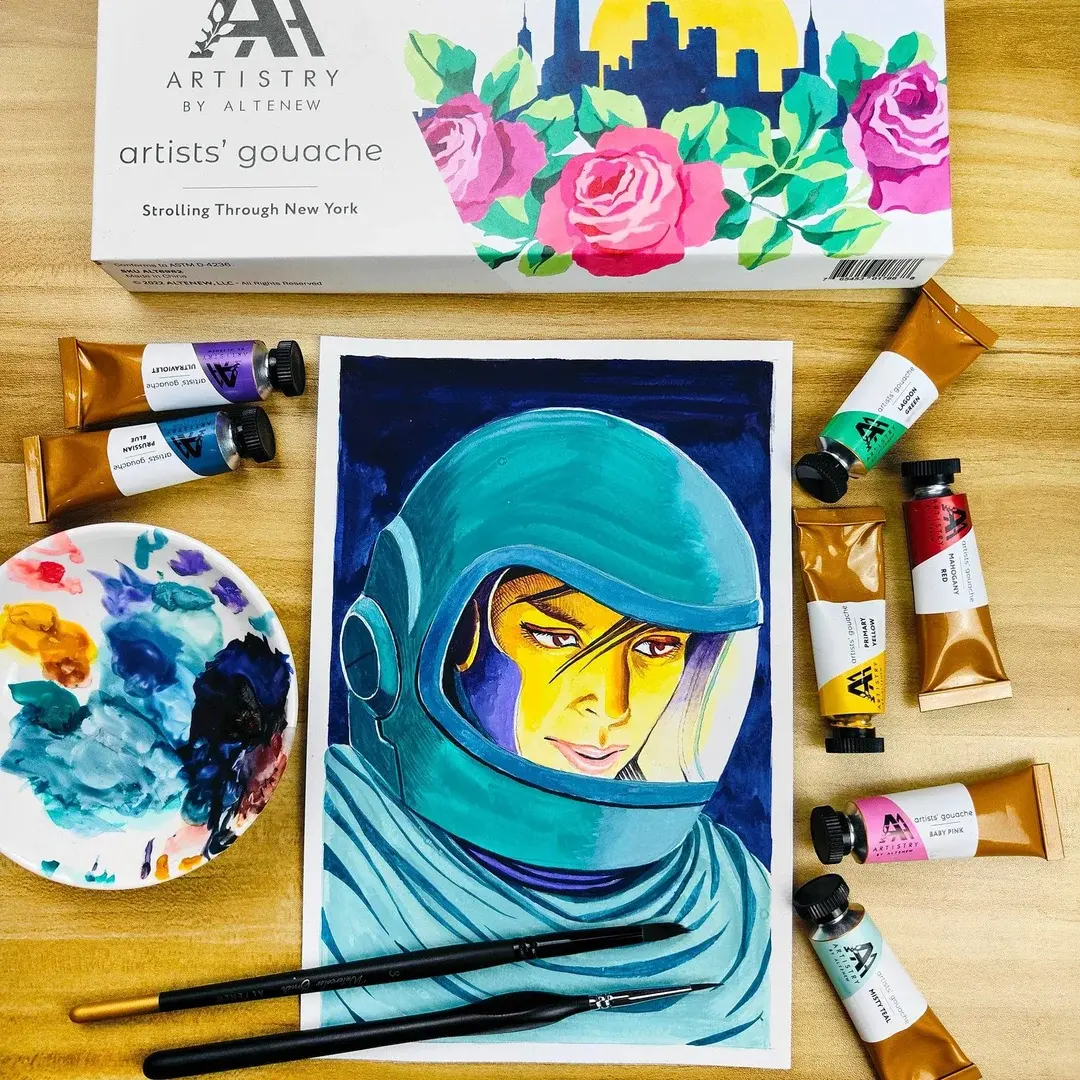
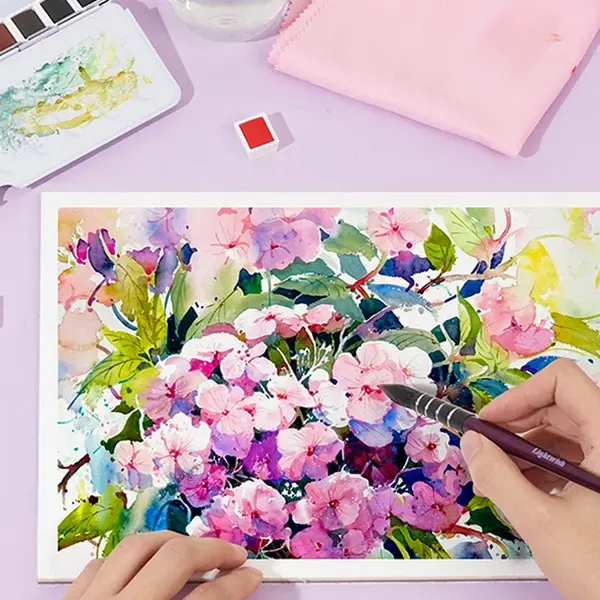
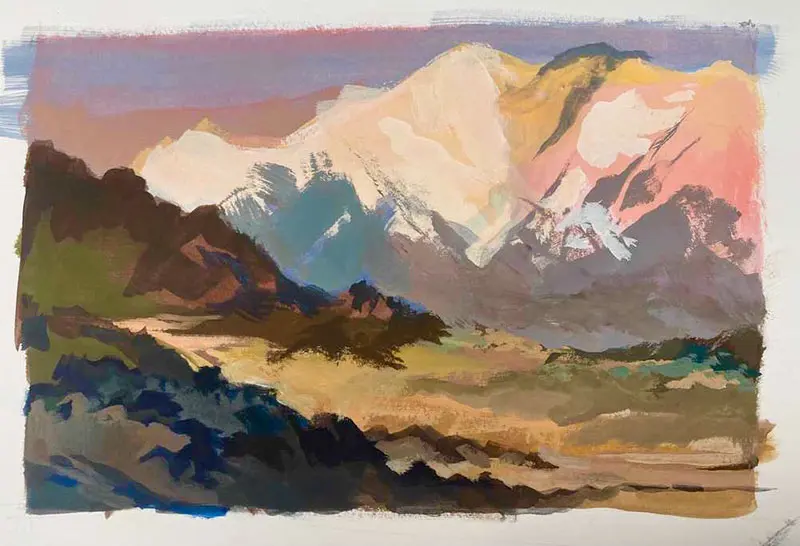
Watercolor and gouache are both water-based paints, but their primary difference lies in opacity. Watercolors are transparent, relying on the white of the paper for brightness. Gouache is opaque, containing higher pigment loads and inert white filler, allowing artists to layer light colors over dark ones, similar to acrylics or oils.
On this page
What is the chemical difference between watercolor and gouache?
Both mediums share the same fundamental binder: gum arabic, a natural substance derived from acacia trees. This allows both paints to be re-wetted and manipulated long after they have dried on the palette. The distinction lies in the ratio of pigment to binder and the addition of an opacifying agent. Gouache contains a significantly higher concentration of pigment and often includes chalk or zinc white to create a dense, matte finish.
Watercolors are designed to be thin and luminous, allowing light to pass through the pigment layer and reflect off the white substrate. Because gouache is opaque, it blocks light entirely, resulting in a flat, velvety surface that does not rely on the paper's color. Understanding this chemical makeup explains why watercolorists build images from light to dark, while gouache painters can work in any direction, effectively "covering" their mistakes with subsequent layers.
How do you paint with watercolor versus gouache?
The application techniques for these two mediums reflect their physical properties. Watercolor requires careful planning, as you must preserve the lightest areas of your painting by leaving the paper untouched. Conversely, gouache behaves more like a traditional opaque medium, permitting the artist to paint highlights—such as white clouds or reflections—directly over darker base colors.
- Prepare your surface by stretching your paper if you plan to use heavy water washes.
- For watercolor, mix your colors with plenty of water to achieve the desired transparency and test them on a scrap piece of paper.
- For gouache, use a creamy consistency similar to heavy cream; if it is too thin, it may become streaky or crack upon drying.
- Apply watercolor in thin, translucent glazes, letting each layer dry completely to avoid muddying the colors.
- Apply gouache with a soft, synthetic brush, using short, deliberate strokes to maintain the opacity of the paint film.
Which medium is better for beginners?
Many educators suggest starting with watercolor because it teaches the fundamental principles of water control and color mixing. Because watercolor is unforgiving regarding mistakes, it forces the student to develop patience and foresight. However, beginners who feel frustrated by the inability to correct errors may find gouache more approachable. Gouache offers the flexibility of oil paints without the toxic solvents or long drying times, making it an excellent bridge for those transitioning from drawing to painting.
- Watercolor is more portable, requiring only a small pan set and a water brush for sketching on location.
- Gouache is ideal for illustrators and designers who need to scan their work, as the matte finish does not produce glare under studio lights.
- Beginners should invest in "student grade" paints initially, which provide a consistent experience without the high cost of professional-grade pigments.
- Both mediums require high-quality cold-press watercolor paper, which can withstand the moisture without buckling or tearing during the painting process.
Why does gouache crack when it dries?
Cracking is a common issue for artists new to gouache, usually resulting from applying the paint too thickly. Because gouache contains a high volume of pigment and filler, a thick layer creates a heavy physical film. As the water evaporates, the paint shrinks; if the layer is too heavy, the tension causes the surface to fracture. To avoid this, artists should aim for a thin, even application or mix in a small amount of watercolor medium to increase flexibility.
Another reason for cracking is the use of improper surfaces. Gouache is heavy and requires a sturdy, absorbent paper that can hold the paint without excessive warping. If you attempt to paint on thin printer paper or non-porous surfaces, the paint will not adhere correctly and will flake off once dry. Always ensure your paper is at least 140lb (300gsm) weight to ensure the integrity of the paint layer as it settles into the fibers.
Common mistakes when switching between mediums
A frequent error is treating gouache exactly like watercolor by over-diluting it. When you add too much water to gouache, you lose the opacity that makes it unique, resulting in a weak, chalky appearance that lacks the brilliance of true watercolor. Conversely, trying to create thin, transparent washes with watercolor is impossible if you use too little water, as the pigment will clump and create an uneven, patchy finish that lacks the intended luminosity.
Another mistake involves brush maintenance. Because both paints are water-soluble, artists often forget that gouache can be harder on brushes if left to dry in the bristles. Always rinse your brushes thoroughly in clean water between color changes and store them flat or head-down to prevent water from damaging the ferrule. By respecting the specific viscosity requirements of each medium, you can master the delicate transparency of watercolor and the bold, graphic impact of gouache with equal confidence.
Key facts
- Watercolor is transparent, meaning the white of the paper shows through layers to create luminosity.
- Gouache is opaque due to a higher ratio of pigment to binder and the addition of white chalk or inert pigment.
- Watercolor dries to a lighter value than it appears when wet, while gouache often shifts in value as it dries.
- You can reactivate both mediums with water, allowing for corrections long after the initial application.
- Use watercolor for soft washes and delicate glazes, but choose gouache for bold, flat areas of solid color.
- A common mistake is using too much water with gouache, which makes it behave like thin, streaky watercolor.
The bottom line
The primary difference between these two mediums lies in their opacity and light-handling properties. Watercolor relies on the paper’s brightness to create glow through transparent layers, making it ideal for ethereal, soft effects. Conversely, gouache offers a matte, opaque finish that allows for layering light over dark. Understanding these distinct characteristics will help you choose the right medium to achieve your desired aesthetic and technical results.
People also ask
Can you mix watercolor and gouache on the same painting?
Yes, many artists combine them to create depth by using watercolor for backgrounds and gouache for opaque highlights. This technique, often called "mixed media," allows you to balance transparency with solid, punchy details.
Is gouache considered a type of watercolor?
Technically, gouache is often classified as an opaque watercolor because it uses the same gum arabic binder. However, its distinct formulation makes it behave more like acrylic paint in terms of coverage and finish.
Which medium is better for beginners?
Watercolor is excellent for learning color theory and water control, while gouache is more forgiving because its opacity allows you to paint over mistakes. Beginners often find gouache easier to manage because it follows the "dark to light" layering rule of oil painting.
Do I need special brushes for gouache?
You can use standard watercolor brushes, but synthetic-blend brushes are often preferred for gouache. Because gouache is thicker, it can be harder to clean out of delicate natural hair brushes over time.
How do I prevent gouache from cracking on the paper?
Cracking occurs when the paint layer is applied too thickly or the paper is too flexible. To avoid this, apply thin, even layers and use a sturdy, heavy-weight watercolor paper or illustration board.
Can gouache be used on canvas?
While you can apply gouache to canvas, it is not permanent and remains water-soluble. If you choose to use canvas, you must seal the finished work with a spray fixative or varnish to prevent smudging or moisture damage.
This answer was created with the help of AI research tools and reference sources. Spotted an error? Let us know — we correct mistakes quickly. See our editorial policy.