How do you clean acrylic paint brushes?
Short answer
Clean acrylic brushes immediately after use by rinsing them in cool or lukewarm water. Use a mild soap to gently massage the bristles until the water runs clear. Reshape the brush head while damp and store it horizontally or hanging vertically with the bristles facing downward to maintain the integrity of the shape.

On this page
How to clean acrylic brushes properly
Acrylic paint is a polymer-based medium that dries into a plastic-like film. Because it sets quickly, you must clean your brushes before the paint hardens within the ferrule, the metal band that secures the bristles. If paint dries inside this area, it forces the bristles outward, permanently ruining the brush's ability to hold a sharp point or edge. Always keep a jar of water nearby while painting to prevent the pigment from drying on the hair during short breaks.
To perform a thorough cleaning, follow these steps:
- Wipe off excess paint using a paper towel or a soft rag.
- Rinse the brush under cool or lukewarm running water to remove the bulk of the pigment.
- Apply a small amount of mild soap or a specialized brush cleaner to the palm of your hand.
- Gently swirl the bristles against your palm in a circular motion to work the soap into the base of the hair.
- Rinse again until the water runs completely clear and no pigment remains in the foam.
Why acrylic paint ruins brushes
The primary reason acrylic paint destroys brushes is the chemical composition of the binder. Acrylic polymers are designed to be water-resistant once cured, meaning that once the water evaporates, the paint becomes insoluble. If you leave a brush sitting in water for an extended period, the weight of the brush resting on its tips causes the bristles to bend and fray. This deformation is often irreversible, especially with natural hair brushes which are more delicate than synthetic alternatives.
Furthermore, acrylic paints are often slightly alkaline. Over time, this can degrade the natural oils in animal-hair brushes, causing them to become brittle and shed. Synthetic brushes, typically made from nylon or polyester, are more resistant to these chemicals but still suffer if paint is allowed to accumulate at the base of the ferrule. Once a brush loses its "snap"—the ability to spring back to its original shape—it becomes significantly less effective for detailed work.

Best soaps for cleaning paint brushes
While you can use basic dish soap, many artists prefer dedicated brush soaps that contain conditioning agents. These products are specifically formulated to remove stubborn acrylic polymers while keeping the bristles supple. Look for soaps that are free of harsh solvents, as these can dissolve the glue that holds the bristles inside the ferrule. A high-quality soap will extend the lifespan of your brushes by preventing the hair from drying out and breaking.
When selecting a cleaner, consider these options:
- Mild hand soap: Effective for daily cleaning if it is fragrance-free and non-moisturizing.
- Specialized brush soap: Contains oils that condition the bristles, keeping them soft and resilient.
- Vinegar solution: A mixture of one part white vinegar to three parts water can help remove dried paint, though it should be used sparingly.
- Gentle shampoo: An acceptable alternative if you do not have access to artist-grade cleaners, provided it does not contain heavy conditioners.
Common mistakes when cleaning brushes
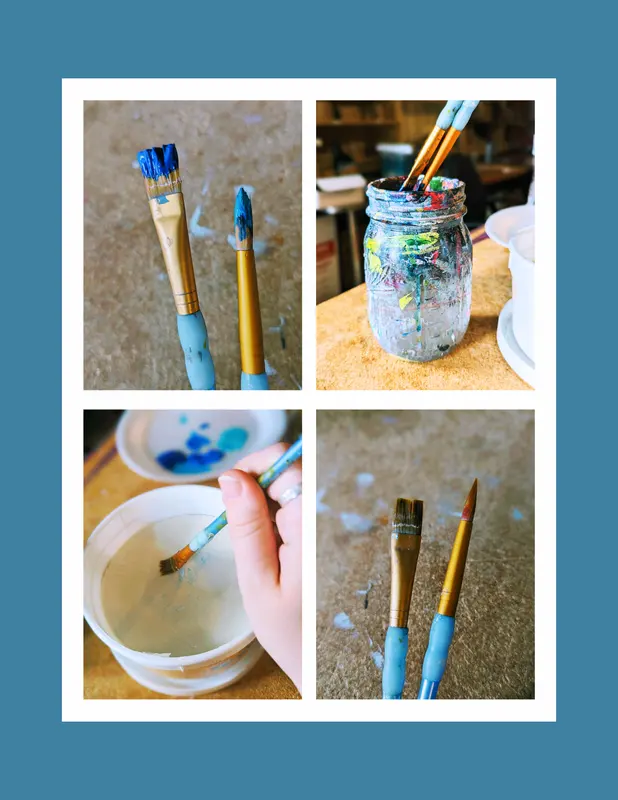
One of the most frequent errors is using hot water. High temperatures can soften the adhesive inside the ferrule, causing the bristles to fall out during use. Another common mistake is leaving the brush standing upright in a jar of water while you work. This not only bends the tips but can also cause water to seep into the wooden handle, leading to cracking and paint peeling. Always keep your brushes horizontal or in a dedicated brush holder when not in use.
Avoid these habits to ensure your tools last for years:
- Scrubbing the bristles aggressively against the bottom of a container, which snaps the delicate tips.
- Using harsh chemicals like paint thinner or acetone, which are unnecessary for acrylics and damage synthetic fibers.
- Storing brushes in an airtight container while they are still damp, which encourages mold growth.
- Failing to reshape the bristles before letting them dry, which leads to splayed or "wild" brush heads.
How to store brushes after cleaning
After cleaning, it is vital to reshape the bristles with your fingers to restore their original form. Lay the brushes flat on a clean, absorbent towel to air dry. Once they are completely dry, store them in a brush roll, a flat tray, or a vertical holder with the bristles pointing up. Storing them bristles-up prevents the weight of the brush from resting on the tips, ensuring that the shape remains consistent for your next painting session.
If you are traveling, use a brush case that protects the bristles from being crushed. Never store brushes in a drawer where they might be jostled against other metal tools, as this can nick the hair or scratch the handles. By treating your brushes with care and following a consistent cleaning routine, you protect your investment and ensure that your painting experience remains smooth and precise. Proper maintenance is the hallmark of a disciplined artist who values the quality of their work.
Key facts
- Acrylic paint dries permanently within minutes, so brushes must be cleaned immediately after use.
- Use cool or lukewarm water; hot water can damage the glue holding the bristles in the ferrule.
- A mild soap, such as dish soap or a dedicated brush cleaner, effectively removes pigments from synthetic fibers.
- Never leave a brush resting on its bristles in a jar of water, as this causes the tips to bend and fray permanently.
- Reshape the bristles with your fingers after washing to ensure the brush maintains its intended form while drying.
- Store brushes horizontally or vertically with the bristles pointing upward to prevent moisture from damaging the wooden handle.
The bottom line
Proper maintenance of acrylic brushes requires immediate action to prevent paint from hardening within the bristles. By using mild soap, cool water, and careful reshaping techniques, you can significantly extend the lifespan of your tools. Always avoid harsh solvents and improper storage positions that damage the ferrule. Consistent, gentle care ensures your brushes remain precise and effective for your artistic projects for many years to come.
People also ask
Can I use rubbing alcohol to clean acrylic paint?
You should avoid using alcohol or harsh solvents, as these can dissolve the adhesive in the ferrule and ruin the brush. Stick to mild soap and water for routine maintenance.
How do I remove dried paint from a brush?
Soak the bristles in a gentle brush conditioner or a mixture of warm water and vinegar for several hours. Gently work the softened paint out with a comb or your fingers, then rinse thoroughly.
Is it okay to use a hair dryer to speed up the drying process?
No, high heat can melt synthetic bristles and cause the wooden handle to crack or warp. Always allow brushes to air dry naturally in a well-ventilated area.
Should I use shampoo to clean my brushes?
Gentle, sulfate-free shampoo can be used as a substitute for professional brush cleaners. It effectively cleans the bristles without stripping away their natural flexibility.
Why do my brushes lose their shape after washing?
This usually happens if the brush is dried vertically with bristles down or if it is stored while still damp. Always reshape the bristles and let them dry flat or upright.
How often should I deep clean my brushes?
If you paint daily, perform a deep clean once a week using a specialized brush soap. Regular rinsing after every session is sufficient for daily maintenance.
This answer was created with the help of AI research tools and reference sources. Spotted an error? Let us know — we correct mistakes quickly. See our editorial policy.