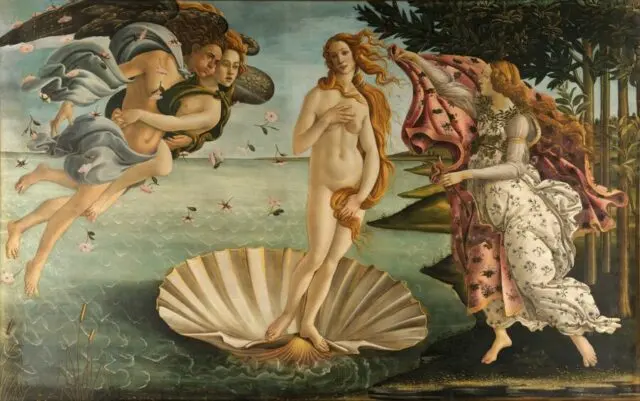
What is tempera paint?
Short answer
Tempera paint is a permanent, fast-drying medium consisting of colored pigments mixed with a water-soluble binder, most commonly egg yolk. Historically significant, it was the primary painting method for European panel paintings until the late 15th century. Today, it remains prized for its matte finish, durability, and precise, luminous layering capabilities.
On this page
What is tempera paint made of?
Traditional egg tempera is a mixture of raw pigment powder, distilled water, and a binding agent, typically egg yolk. The yolk acts as an emulsion, holding the pigment particles in suspension and allowing them to adhere to a surface once the water evaporates. Because the binder is organic, it begins to dry and harden almost immediately upon application, creating a tough, water-resistant film that does not yellow or darken significantly over time.
Modern commercial "tempera" found in schools is chemically distinct from this traditional medium. These are often water-based poster paints made with starch or cellulose binders rather than egg. While they are safe and easy to clean, they lack the archival longevity and optical depth of authentic egg tempera. Artists interested in the historical medium must source high-quality dry pigments and prepare their own emulsions fresh daily to achieve the best results.
How to prepare egg tempera paint
Creating tempera requires a methodical approach to ensure the correct consistency and adhesion. The process begins by separating the yolk from the white and removing the yolk sac, as the sac membrane can rot and ruin the painting. Once the yolk is punctured and drained into a jar, it is mixed with an equal part of water to create the binder.
- Separate the egg yolk from the white carefully.
- Roll the yolk on a paper towel to remove any clinging egg white.
- Puncture the yolk sac and drain the liquid into a small container.
- Mix the yolk with an equal amount of distilled water.
- Add a small amount of this binder to your pigment powder until it reaches a creamy consistency.
Always prepare only what you need for a single session. Because the egg binder is perishable, it will spoil if left out, leading to unpleasant odors and potential mold growth on your canvas.
Best surfaces for tempera painting
Tempera requires a rigid support because the paint film is brittle and can crack if the surface flexes. Wood panels, particularly those made from birch or poplar, are the traditional standard. These panels must be prepared with several layers of gesso, a mixture of animal glue and chalk or gypsum, to create a smooth, absorbent, and bright white ground.
- Use seasoned, warp-resistant wood panels to prevent structural movement.
- Apply at least four to six layers of traditional gesso for a professional finish.
- Sand each layer of gesso thoroughly with fine-grit sandpaper to ensure a glass-like surface.
- Avoid using flexible supports like stretched canvas, as the paint will eventually flake off.
The gesso acts as a foundation that absorbs some of the moisture, allowing the paint to bond firmly to the panel. A well-prepared surface is essential for the longevity of the work and the ease of applying fine, delicate brushstrokes.
How to paint with tempera
Painting with tempera is a process of building up color through thin, translucent layers called glazes. Because the paint dries almost instantly, you cannot blend colors on the surface like you would with oil paint. Instead, artists use a technique called cross-hatching, where tiny, overlapping strokes of color are layered to create the illusion of depth, volume, and smooth transitions.
- Sketch your composition lightly onto the gessoed panel.
- Apply thin, watery washes to establish the base values of the image.
- Use small, sable-hair brushes to apply short, rhythmic strokes.
- Build up highlights and shadows by layering increasingly opaque colors.
- Allow each layer to dry completely before applying the next to avoid lifting the previous paint.
This methodical layering process is time-consuming, but it creates a unique luminosity that is impossible to replicate with other mediums. The final result is a matte, jewel-like surface that remains stable for centuries.
Common mistakes when using tempera
One of the most frequent errors for beginners is attempting to apply the paint too thickly. Tempera is designed for thin applications; if the layer is too heavy, the paint will crack as it dries and loses its flexibility. Another common mistake is failing to properly clean brushes, as the egg binder can harden quickly and permanently ruin expensive natural hair bristles.
- Do not use thick, impasto-style brushstrokes, as they will cause the paint to flake.
- Avoid adding too much water to the pigment, which can weaken the paint film and cause it to dust off.
- Keep a jar of water nearby to rinse brushes immediately after every few strokes.
- Never use synthetic brushes that are too stiff, as they can leave visible, unsightly drag marks in the delicate paint layers.
By adhering to these technical constraints, artists can master the precise, disciplined beauty of this ancient medium. Patience and a steady hand are the most important tools in the tempera painter's kit.
Key facts
- Tempera is a permanent, fast-drying painting medium consisting of colored pigments mixed with a water-soluble binder, traditionally egg yolk.
- The technique reached its peak popularity during the 14th and 15th centuries, famously used by masters like Sandro Botticelli and Fra Angelico.
- Because tempera dries almost instantly, artists must apply paint in thin, overlapping strokes or "cross-hatching" rather than blending colors on the surface.
- Unlike oil paint, true egg tempera does not yellow or darken significantly over time, allowing the colors to remain vibrant for centuries.
- To prepare the paint, an artist separates the yolk from the white, pierces the yolk sac, and mixes the liquid with powdered pigment and a small amount of distilled water.
- A common mistake is applying the paint too thickly, which causes the brittle film to crack; it should always be applied in thin, translucent layers.
The bottom line
Tempera remains one of history’s most enduring painting mediums, prized for its luminous clarity and remarkable archival stability. By utilizing egg yolk as a binder, artists create thin, layered applications that resist the yellowing common in oil-based works. While it demands rigorous planning and a disciplined technique due to its rapid drying time, the resulting finish offers a unique, matte beauty that has defined centuries of masterpiece art.
People also ask
How does tempera differ from modern poster paint?
While both are water-based, poster paint uses a cheap gum binder and is intended for children's crafts. True egg tempera is a professional medium that creates a durable, non-soluble film once cured.
Can you mix tempera paint with oil paint?
You should never mix oil into tempera, but you can paint oil over a dry tempera base. This technique, known as "mixed media," was frequently used by Renaissance artists to add depth to their compositions.
Does tempera paint go bad?
Because it is made with organic egg yolk, tempera paint is highly perishable and will spoil within a few hours. Artists must mix only the amount of paint they intend to use during a single session.
What kind of surface is best for tempera?
Tempera requires a rigid, non-flexible support like a wood panel coated in gesso. If you use a flexible canvas, the paint will likely crack and flake off as the fabric moves.
Is tempera paint toxic?
The binder itself is non-toxic, but the pigments used can be dangerous. Always check the labels on your pigments, as some contain heavy metals like cadmium, cobalt, or lead.
Why is tempera considered difficult to master?
The medium is unforgiving because it dries too quickly to blend or rework. Artists must plan their colors and values precisely before putting the brush to the panel.
This answer was created with the help of AI research tools and reference sources. Spotted an error? Let us know — we correct mistakes quickly. See our editorial policy.