What is egg tempera?
Short answer
Egg tempera is a permanent, fast-drying painting medium consisting of colored pigments mixed with a binder of egg yolk and distilled water. Used extensively by Renaissance masters before the rise of oil paint, it creates durable, matte surfaces that do not yellow or darken over time, remaining vibrant for centuries.
On this page
What is egg tempera made of?
Egg tempera is a traditional medium composed of three primary ingredients: pigment, egg yolk, and water. The yolk acts as the binder, holding the pigment particles together and adhering them to the painting surface. Unlike oil paints, which remain wet for days, tempera dries almost instantly as the water evaporates and the yolk begins to cure.
The preparation process involves carefully separating the yolk from the white and removing the membrane sac. This is crucial because any residual egg white can cause the paint to become brittle or peel. Artists typically mix the yolk with a small amount of distilled water or a preservative like white wine to create a "yolk medium." This medium is then ground with dry pigment powder to achieve a fluid, paintable consistency.
- Egg yolk: Provides the protein binder that creates a tough, water-resistant film.
- Distilled water: Used to thin the paint and control transparency.
- Dry pigment: Provides the color and opacity for the painting.
How to paint with egg tempera
Painting with egg tempera requires a different approach than oil or acrylic because the paint dries immediately upon contact with the surface. You cannot blend colors directly on the panel as you would with oils. Instead, artists achieve depth and color transitions through a technique called "cross-hatching," where thin, overlapping strokes of color are layered over one another.
To begin a painting, you must use a rigid support, such as a gessoed wooden panel. Canvas is generally avoided because the paint film is brittle and will crack if the surface flexes. Because the paint is translucent, artists often build up the image from dark to light, or use many thin glazes to create a luminous, jewel-like effect that is characteristic of the medium.
- Prepare a wooden panel with several layers of traditional gesso.
- Mix your pigments with the yolk medium on a palette.
- Apply paint using small, rhythmic, overlapping brushstrokes.
- Allow each layer to dry completely before applying the next.
- Buff the finished painting with a soft cloth to achieve a subtle sheen.
Why use egg tempera instead of oil?
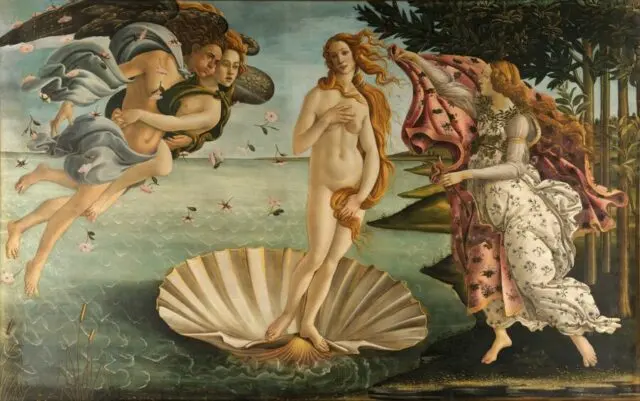
The primary advantage of egg tempera is its extraordinary longevity and color stability. While oil paintings tend to yellow, darken, or crack over centuries due to the oxidation of drying oils, egg tempera remains remarkably stable. Many works from the 14th and 15th centuries by artists like Sandro Botticelli and Fra Angelico retain their original brilliance today because the egg binder is highly resistant to environmental degradation.
Additionally, tempera is a non-toxic medium that does not require harsh solvents like turpentine or mineral spirits for cleaning. This makes it a safer choice for artists working in smaller studios without industrial-grade ventilation. The matte finish of the paint also eliminates the glare often associated with varnished oil paintings, allowing for clear viewing of the intricate, fine-line details that the medium is designed to produce.
Common mistakes when using egg tempera
One of the most frequent errors beginners make is using too much egg yolk in the mixture. If the paint is too "fat" or rich in yolk, it will dry with a glossy, rubbery finish that is difficult to paint over. Conversely, if there is too little yolk, the paint will be under-bound and may flake off the panel once it dries, leaving a powdery residue on the surface.
Another common mistake is attempting to paint in thick, impasto-like layers. Egg tempera is strictly a thin-film medium; applying thick paint will almost certainly result in cracking as the egg binder cures and shrinks. Artists must also be careful with their brush selection, as the medium is hard on natural hair brushes. Using high-quality synthetic brushes is often recommended to maintain precision while enduring the rapid drying time of the paint.
- Using too much water, which weakens the binder and causes flaking.
- Applying paint to flexible surfaces, leading to structural cracks.
- Leaving the paint on the palette for too long, as it will harden and become unusable.
- Rushing the cross-hatching process, which results in muddy color transitions.
Best tools for egg tempera beginners
For those starting out, keeping the setup simple is the best strategy. You do not need a vast array of colors; a basic palette of earth tones—such as yellow ochre, raw sienna, and burnt umber—combined with a primary red and blue is sufficient. These pigments are generally easier to grind and have excellent lightfastness, ensuring your work remains vibrant for decades to come.
Regarding brushes, look for synthetic rounds with a sharp point. Because you are working with thin, precise marks, a brush that holds its shape is essential. Finally, always keep a small spray bottle of distilled water nearby to keep your pigments moist on the palette. With practice, the unique, disciplined process of egg tempera offers a rewarding connection to the history of Western art and a mastery of fine detail that few other mediums can provide.
Key facts
- Egg tempera is a permanent, fast-drying painting medium made by mixing colored pigments with a binder of egg yolk and water.
- Unlike oil paint, tempera dries almost instantly, meaning artists must apply it in thin, translucent layers using short, hatched brushstrokes.
- The medium was the primary method for panel painting in Europe from the early Middle Ages until the rise of oil paint in the 15th century.
- Artists must mix the paint fresh each day because the organic egg binder spoils quickly once exposed to air.
- Tempera is known for its incredible longevity; works by masters like Sandro Botticelli remain vibrant and crack-free after 500 years.
- Because the paint cannot be blended on the surface, artists create depth and color transitions through optical mixing—layering tiny, overlapping strokes.
The bottom line
Egg tempera is a historic, durable medium that rewards patience and precision. By combining pigment with egg yolk, artists create a matte, light-fast finish that has defined masterpieces for centuries. While it requires a rigid surface and a disciplined approach to layering, the resulting luminosity and permanence are unmatched. For those willing to master its fast-drying nature, tempera offers a rewarding connection to classical painting techniques.
People also ask
Is egg tempera the same as watercolor?
No, while both use water as a vehicle, tempera becomes water-resistant once dry, whereas watercolor remains water-soluble. Tempera also has a more opaque, matte finish compared to the transparency of watercolor.
Can you mix egg tempera with other mediums?
You should not mix tempera with oil or acrylic paints, as the different chemical compositions will cause the layers to peel or crack. It is best to use tempera exclusively on rigid, non-flexible supports like wood panels.
Why do artists use distilled water for tempera?
Distilled water is free of minerals and impurities that can cause the egg yolk to degrade or the pigment to shift color over time. Using tap water may introduce bacteria that shorten the shelf life of your mixture.
What is the best surface for egg tempera?
A rigid wood panel prepared with several layers of gesso is the traditional and most effective surface. Canvas is generally avoided because its flexibility causes the brittle tempera paint to crack.
How do you store leftover egg tempera?
You should store any remaining mixture in an airtight container in the refrigerator for no more than 24 to 48 hours. If the mixture develops a foul odor or changes texture, it must be discarded immediately.
Why does tempera look streaky when first applied?
Streaking usually occurs if the paint is too thick or if you are trying to cover a large area with a single stroke. Tempera is designed for delicate, repetitive strokes rather than broad, fluid washes.
This answer was created with the help of AI research tools and reference sources. Spotted an error? Let us know — we correct mistakes quickly. See our editorial policy.