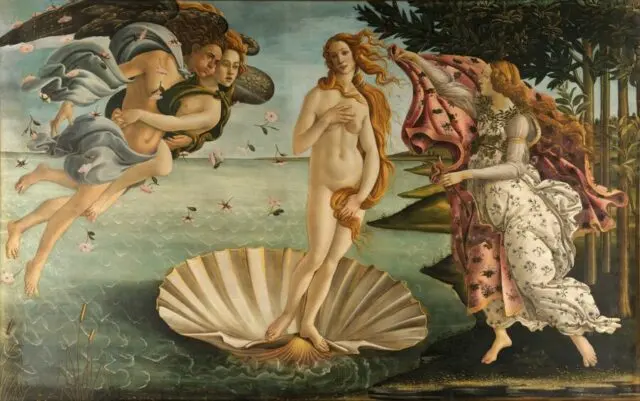
How do you store canvas paintings?
Short answer
Store canvas paintings in a climate-controlled environment, ideally between 65°F and 70°F with 40% to 50% relative humidity. Keep them off the floor in a dark, dust-free area, positioned vertically on racks. Avoid attics, basements, and exterior walls, which are prone to temperature fluctuations that cause the canvas to expand or contract.
On this page
How to prepare canvas paintings for storage
Before placing a painting into long-term storage, you must ensure it is clean and structurally sound. Dust the surface gently using a soft, natural-bristle brush, working in small sections to avoid pushing debris into the paint layers. Never use water, cleaning agents, or microfiber cloths, as these can snag on textured impasto or cause chemical reactions with older varnishes.
Once clean, inspect the back of the frame and the canvas for signs of mold, mildew, or insect activity. If the painting is unframed, consider placing a piece of acid-free, archival-quality foam board against the back to provide extra support and prevent the canvas from sagging. If you are storing multiple pieces, follow these preparation steps:
- Wrap each painting in acid-free glassine paper to protect the surface from scratches.
- Add a layer of bubble wrap or corrugated cardboard over the glassine for impact protection.
- Label the outside of the package with the artist's name, title, and the date of storage.
Where to store canvas paintings safely
Choosing the right location is the most critical factor in preserving the integrity of oil or acrylic works. Avoid areas with extreme environmental shifts, such as attics, garages, or basements, where heat and moisture levels fluctuate wildly. These conditions lead to "canvas rot," warping of wooden stretchers, and the development of mold, which can permanently destroy the paint film and the underlying fabric.
The ideal storage space is an interior room with consistent climate control, such as a dedicated closet or a climate-controlled storage unit. Keep the paintings away from HVAC vents, radiators, and windows, as direct sunlight causes pigments to fade and UV exposure degrades the binder. If you must store them in a shared space, ensure the area is free from chemical vapors, such as those emitted by paints, solvents, or cleaning supplies, which can yellow the varnish over time.
How to arrange paintings in storage
Storing paintings vertically is essential to prevent pressure damage and warping. When canvases are laid flat, they are susceptible to sagging, and stacking them horizontally can cause the paint layers of one piece to stick to the back of the canvas above it. Use a dedicated storage rack or a slotted shelving system that allows each painting to stand upright without touching its neighbor.
If you do not have access to professional art racks, you can build a simple vertical storage solution using plywood or heavy-duty wire shelving. Ensure that each slot is wide enough to accommodate the frame depth without requiring force to slide the painting in or out. Follow these guidelines for safe placement:
- Ensure the rack is bolted to the wall to prevent tipping.
- Place the largest, heaviest paintings at the bottom of the rack.
- Use spacers between frames to ensure there is at least one inch of airflow between pieces.
- Keep the bottom of the paintings at least six inches off the floor to protect against potential water leaks.
Common mistakes when storing art
Many collectors inadvertently damage their artwork by using improper wrapping materials. Plastic wrap, such as standard kitchen cling film, is dangerous because it traps moisture against the canvas, creating a humid microclimate that encourages mold growth. Similarly, avoid using newspaper or acidic cardboard, as the chemicals in these materials can migrate into the canvas and cause permanent discoloration or staining.
Another frequent error is storing paintings in direct contact with concrete walls or floors. Concrete is porous and can wick moisture into the frame or canvas, leading to rot and structural instability. Always use a barrier between your art and the building structure. If you are using a storage facility, visit the site in person to verify that the climate control is operational and that the facility is not located in a flood-prone zone.
How to maintain paintings during long-term storage
Even when stored correctly, paintings require periodic check-ups to ensure they remain in good condition. Visit your storage area at least twice a year to inspect the environment and the condition of the artwork. During these visits, check for signs of pests, such as silverfish or moths, which are attracted to the organic materials found in natural fibers and wood frames.
If you notice any changes, such as the canvas becoming loose on the stretchers, do not attempt to tighten the keys yourself unless you are experienced in art conservation. Consult a professional restorer if you see signs of flaking paint, cracking, or surface blooming. By maintaining a consistent environment and performing regular visual inspections, you can ensure that your collection remains in pristine condition for decades, protecting both the aesthetic beauty and the financial value of the work.
Key facts
- Maintain a stable environment with a temperature between 65°F and 70°F (18°C–21°C).
- Keep relative humidity levels strictly between 40% and 50% to prevent mold or canvas warping.
- Store paintings vertically in racks rather than stacking them flat to avoid pressure damage.
- Use acid-free glassine paper or unbuffered tissue to protect the paint surface from dust and abrasion.
- Ensure storage areas are dark or dimly lit to prevent UV-induced fading and pigment degradation.
- Keep canvases at least six inches off the floor to mitigate risks from flooding or dust accumulation.
The bottom line
Properly storing canvas paintings requires a controlled environment that minimizes fluctuations in temperature and humidity. By utilizing vertical storage racks, acid-free protective materials, and avoiding high-risk areas like attics, you can significantly extend the lifespan of your artwork. Regular inspections and careful handling remain essential practices to prevent long-term degradation, ensuring that your collection remains in pristine condition for many years to come.
People also ask
Can I store my paintings in an attic or basement?
You should avoid attics and basements because they often experience extreme temperature fluctuations and high humidity. These environments encourage mold growth, wood rot in the stretcher bars, and cracking in the paint layers.
Is bubble wrap safe for long-term storage?
Bubble wrap should never touch the surface of a painting because the plastic can trap moisture and leave permanent impressions. Always wrap the artwork in acid-free glassine paper first, then use bubble wrap only as an outer protective layer.
How should I label stored paintings?
Attach a tag to the stretcher bar rather than writing directly on the canvas or frame. Include the artist's name, the title of the work, the date of creation, and the date it was placed into storage.
Should I remove the frame before storing a painting?
It is generally safer to leave the frame on if it is structurally sound, as it provides a protective buffer. However, if the frame is heavy or damaged, it may exert uneven pressure on the canvas, in which case professional removal is recommended.
How often should I inspect stored artwork?
You should perform a visual inspection at least every six months to check for signs of pests, mold, or structural sagging. Early detection of these issues allows for minor interventions before they become permanent damage.
Does the orientation of the painting matter during storage?
Yes, paintings should always be stored vertically to prevent the canvas from sagging or stretching over time. Storing them flat causes dust to settle on the surface and increases the risk of accidental punctures or compression marks.
This answer was created with the help of AI research tools and reference sources. Spotted an error? Let us know — we correct mistakes quickly. See our editorial policy.