Who painted The Birth of Venus?
Short answer
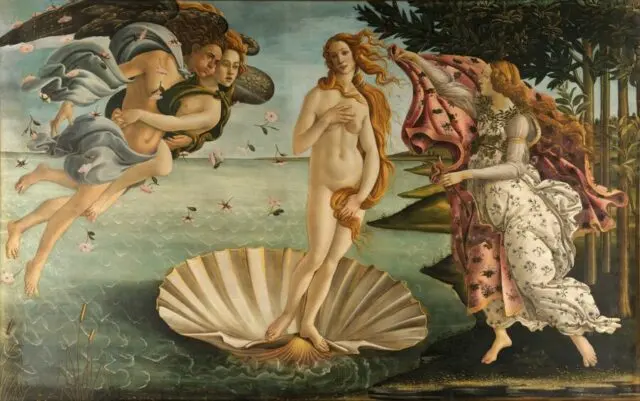
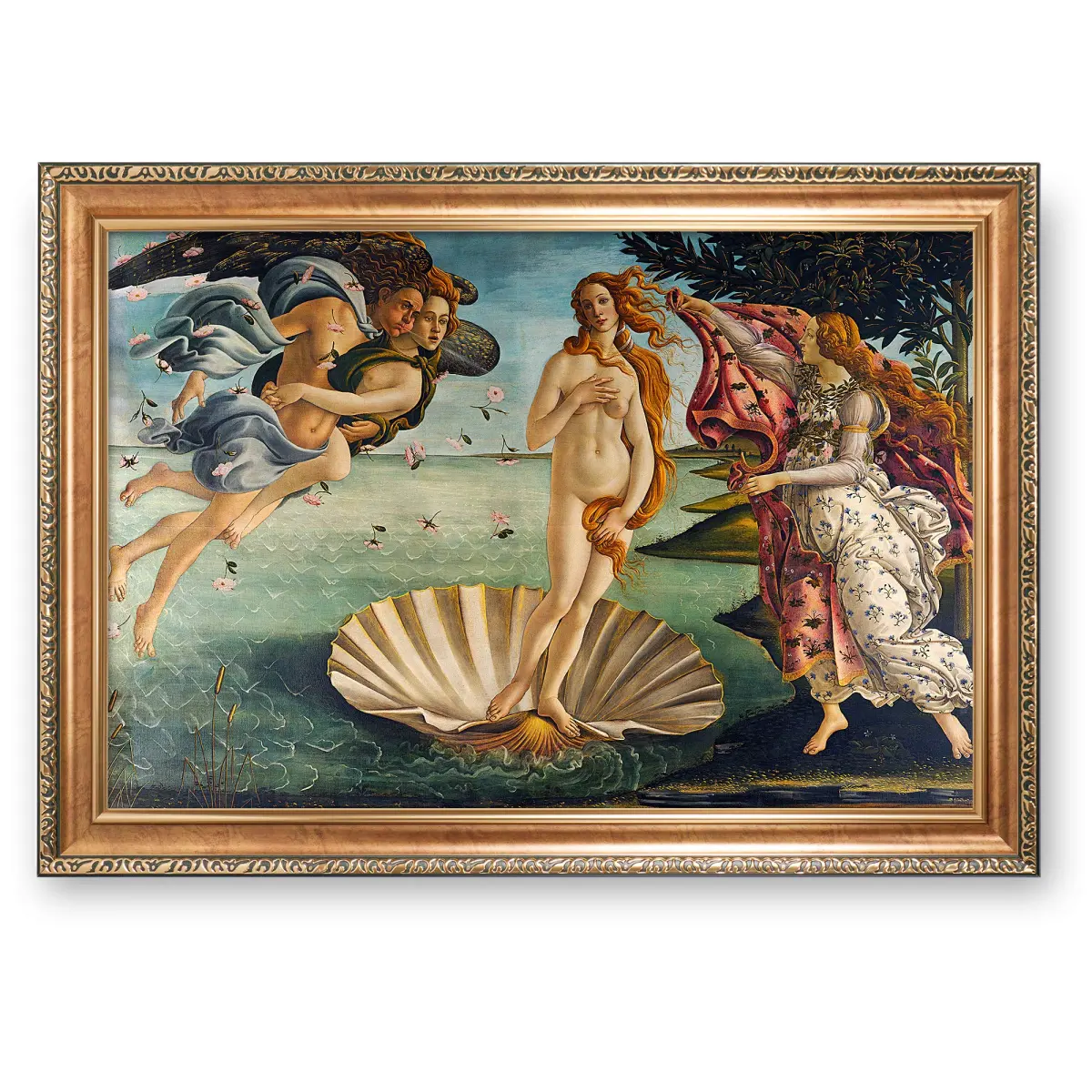
Sandro Botticelli, an Italian Renaissance master, painted The Birth of Venus around 1485. Commissioned by the influential Medici family, this iconic tempera on canvas masterpiece depicts the goddess Venus arriving at the shore after her birth. It is currently housed in the Uffizi Gallery in Florence, Italy, where it remains a cultural landmark.
On this page
Who was Sandro Botticelli?
Sandro Botticelli was a prominent painter of the Early Renaissance, born Alessandro di Mariano di Vanni Filipepi in Florence around 1445. He spent most of his life in his home city, eventually becoming a favorite of the powerful Medici family, who were major patrons of the arts. His work is characterized by a unique blend of classical mythology and Christian themes, often featuring graceful, elongated figures and delicate line work.
Unlike some of his contemporaries who focused heavily on scientific perspective, Botticelli prioritized poetic expression and rhythmic movement. He was deeply influenced by the Neoplatonic philosophy popular in the Medici circle, which sought to reconcile classical pagan myths with Christian theology. This intellectual environment provided the perfect backdrop for his most famous mythological paintings, which helped define the aesthetic of the Florentine Renaissance.
How to identify The Birth of Venus
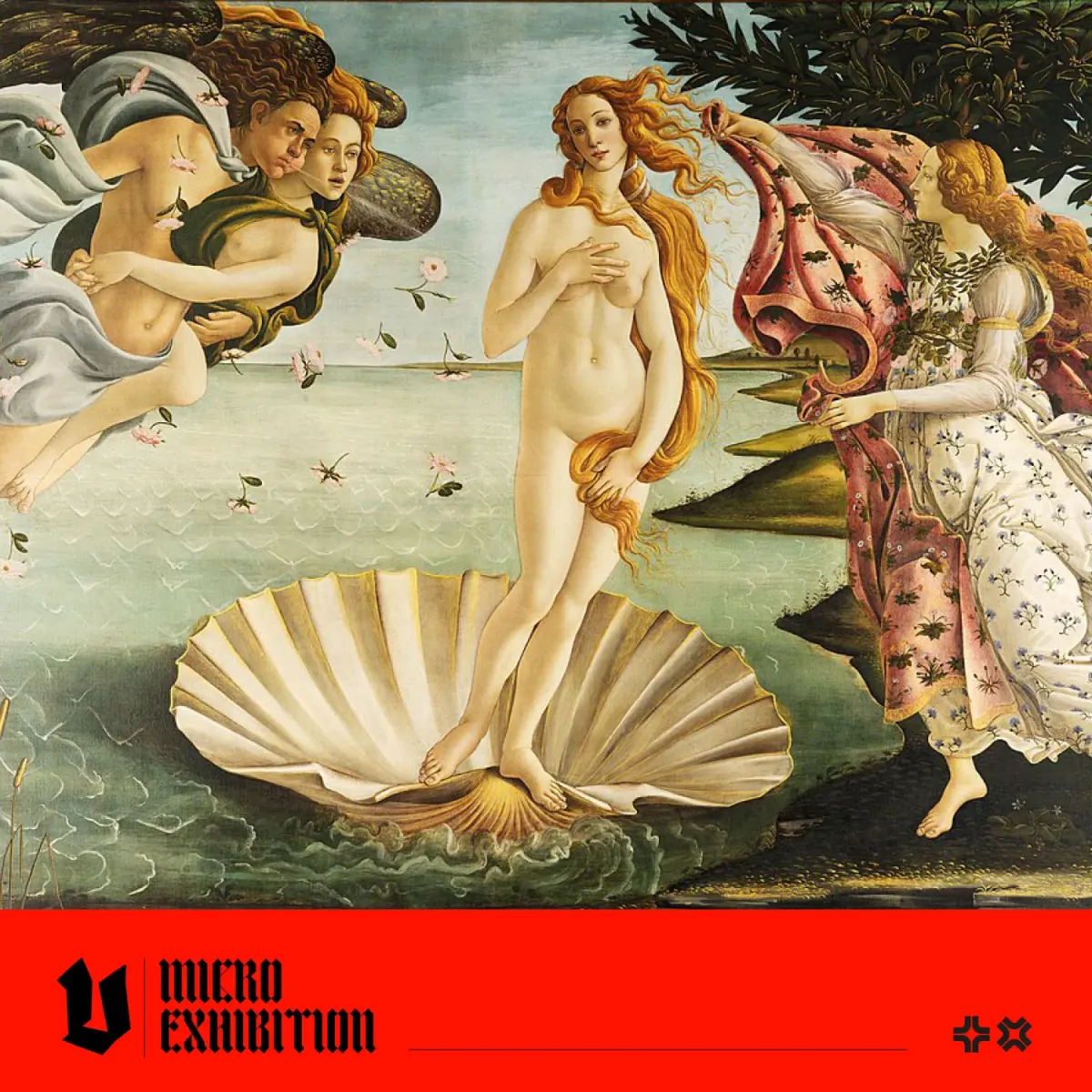
The Birth of Venus is immediately recognizable for its central figure, the goddess Venus, standing nude atop a giant scallop shell. To the left, the wind gods Zephyrus and Aura blow gently toward the shore, while a figure representing the Hora of Spring waits on the right to clothe the goddess in a floral garment. The composition is set against a backdrop of a calm, rippling sea and a stylized coastline.
To distinguish this painting from other Renaissance works, look for these specific visual markers:
- The goddess has long, flowing golden hair and a melancholic, ethereal expression.
- The sea is rendered with stylized, V-shaped waves rather than realistic water.
- The flowers, specifically the roses falling through the air, are painted with extreme botanical precision.
- The figures appear to float rather than stand firmly on the ground, emphasizing the painting's dreamlike quality.
Where can you see The Birth of Venus?
The painting is permanently located in the Uffizi Gallery in Florence, Italy. It is displayed in a dedicated room alongside other masterpieces by Botticelli, including Primavera. Because the painting is executed in tempera on canvas—a relatively fragile medium compared to oil on wood—it is protected behind specialized climate-controlled glass to prevent degradation from humidity and light exposure.
If you are planning a visit to see the work in person, follow these steps to ensure a smooth experience:
- Book your tickets online several weeks in advance, as the Uffizi is one of the most visited museums in the world.
- Arrive early in the morning to avoid the peak crowds that gather in the Botticelli rooms by midday.
- Check the museum’s official website for temporary closures or special exhibitions that might affect the placement of the painting.
- Use the museum’s audio guide to understand the complex mythological symbolism behind the figures.
Why is this painting historically significant?
The Birth of Venus is widely considered one of the first large-scale paintings on canvas in Tuscany. During the 15th century, most major commissions were painted on wooden panels. By choosing canvas, Botticelli signaled a shift in artistic techniques, as the material was cheaper and easier to transport, though it required a different approach to surface preparation and paint application.
The painting also represents a bold departure from the religious subjects that dominated the era. By depicting a nude pagan goddess as the central focus of a large-scale work, Botticelli challenged the artistic norms of the time. This move was only possible because of the protection and intellectual freedom offered by the Medici family. It remains a testament to the Humanist movement, which revived interest in ancient Greek and Roman literature, philosophy, and art, effectively bridging the gap between antiquity and the modern world.
Common mistakes when studying Botticelli
A frequent error is assuming that The Birth of Venus is a realistic depiction of anatomy. While Botticelli was a skilled draftsman, he intentionally distorted the proportions of Venus, giving her an impossibly long neck and sloping shoulders to enhance her grace. Critics often mistake these stylistic choices for technical errors, failing to recognize that the artist was prioritizing aesthetic beauty and symbolic meaning over anatomical accuracy.
Another common mistake involves misinterpreting the painting's narrative. Many viewers assume the painting depicts the literal birth of the goddess from the sea foam. However, the scene actually captures the moment of her arrival at the island of Cyprus. Avoiding these misconceptions requires:
- Understanding that Renaissance art often utilized "poetic license" to convey emotional or philosophical truths.
- Recognizing that the painting is meant to be read as an allegory of divine love rather than a historical event.
- Researching the specific Neoplatonic texts that influenced the artist's vision.
- Distinguishing between the physical act of painting and the intellectual concepts that informed the composition.
Key facts
- The Birth of Venus was painted by the Italian Renaissance artist Sandro Botticelli.
- It was commissioned by the Medici family, specifically Lorenzo di Pierfrancesco de' Medici, around 1485.
- The painting is notable for being one of the first large-scale works in Tuscany to be executed on canvas rather than wood panel.
- It is currently housed in the Uffizi Gallery in Florence, Italy.
- The work depicts the goddess Venus arriving at the shore after her birth, emerging from sea foam on a giant scallop shell.
- To view the painting in person, visit the Uffizi Gallery early in the morning to avoid the largest crowds and ensure you have time to observe the fine details of the tempera paint.
The bottom line
Sandro Botticelli’s The Birth of Venus remains a pinnacle of the Italian Renaissance, celebrated for its graceful composition and profound mythological themes. Commissioned by the influential Medici family, this iconic tempera-on-canvas masterpiece serves as a bridge between classical antiquity and Renaissance humanism. Today, it stands as a centerpiece of the Uffizi Gallery, inviting viewers to appreciate its enduring beauty and significant contribution to Western art history.
People also ask
What is the medium used in The Birth of Venus?
Botticelli used tempera, a permanent, fast-drying painting medium consisting of colored pigments mixed with a water-soluble binder, usually egg yolk. This technique allowed for the delicate, luminous layering seen on the figures' skin.
What does the painting symbolize?
The work represents the Neoplatonic idea of divine love, where Venus embodies both earthly beauty and spiritual purity. It reflects the intellectual climate of the Florentine Renaissance, which sought to reconcile classical mythology with Christian philosophy.
Are there other famous paintings by Botticelli?
Yes, Botticelli is also renowned for his masterpiece Primavera, as well as his contributions to the frescoes on the walls of the Sistine Chapel in the Vatican.
How large is the painting?
The Birth of Venus measures approximately 172.5 centimeters by 278.5 centimeters. Its grand scale was intended to make a significant visual impact within the private residence of the Medici family.
Is the painting historically accurate to mythology?
The painting is a creative interpretation of classical texts, specifically those by the Roman poet Ovid and the Greek poet Hesiod. Botticelli adapted these literary accounts to fit the aesthetic ideals of his time rather than strictly following archaeological records.
Can I take photographs of the painting?
Photography is generally permitted in the Uffizi Gallery, but you must not use a flash, as the intense light can damage the pigments of the tempera over time. Always check the current museum policy before entering the gallery.
This answer was created with the help of AI research tools and reference sources. Spotted an error? Let us know — we correct mistakes quickly. See our editorial policy.