What is impressionism in art?
Short answer
Impressionism is a 19th-century art movement characterized by small, visible brushstrokes, open composition, and an emphasis on the accurate depiction of light in its changing qualities. Originating in France, it broke away from traditional academic painting to capture the fleeting "impression" of a moment rather than precise, realistic detail.
On this page
What defines the impressionist style
Impressionism emerged in Paris during the 1860s as a radical departure from the rigid standards of the French Academy of Fine Arts. Instead of focusing on historical or mythological subjects, artists turned their attention to everyday life, landscapes, and the modern urban environment. They sought to capture the sensory effect of a scene—the "impression"—rather than its photographic likeness.
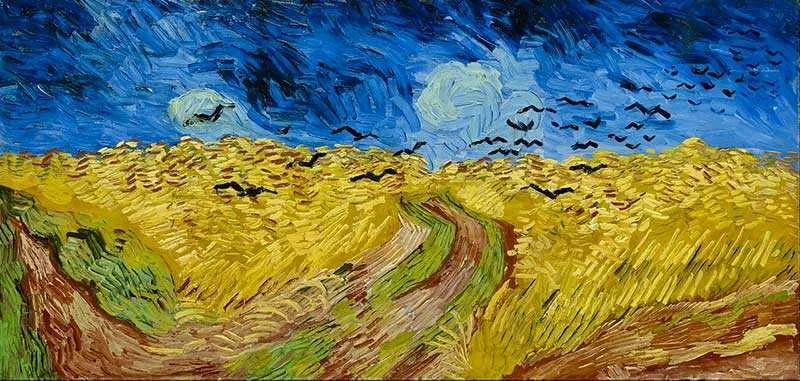
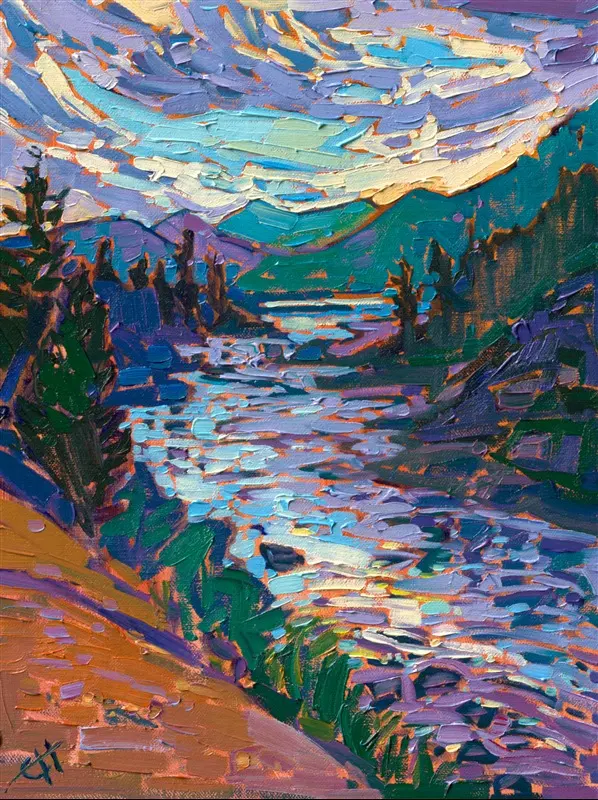
To achieve this, painters utilized specific techniques that prioritized color and light over line and contour. They often applied paint in short, thick dabs, leaving the brushwork visible to the viewer. By placing complementary colors side-by-side with minimal mixing, they allowed the viewer’s eye to optically blend the hues, creating a vibrant, shimmering effect that mimicked the natural movement of light.
- Use of unblended primary colors for maximum luminosity.
- Emphasis on the changing qualities of natural light throughout the day.
- Rejection of traditional black shadows, opting for colored shadows instead.
- Focus on candid poses and asymmetrical, "snapshot" compositions.
How did impressionism start
The movement began when a group of young artists, frustrated by the rejection of their work by the official Salon, formed the Anonymous Society of Painters, Sculptors, and Engravers. In 1874, they organized their own independent exhibition. The term "Impressionist" was initially coined as an insult by a critic mocking Claude Monet’s painting, Impression, Sunrise.
The core group included iconic figures such as Claude Monet, Pierre-Auguste Renoir, Camille Pissarro, and Edgar Degas. They frequently painted en plein air, or outdoors, to observe natural light directly. This was made possible by the invention of portable, collapsible metal paint tubes, which allowed artists to leave their studios and carry their materials into the countryside or city streets to capture fleeting moments.
- Artists rejected the dark, muted tones favored by the Academy.
- They adopted a brighter, lighter palette influenced by new synthetic pigments.
- The group held eight exhibitions between 1874 and 1886.
- Public perception shifted from ridicule to widespread appreciation by the late 1880s.
Why impressionism changed art history
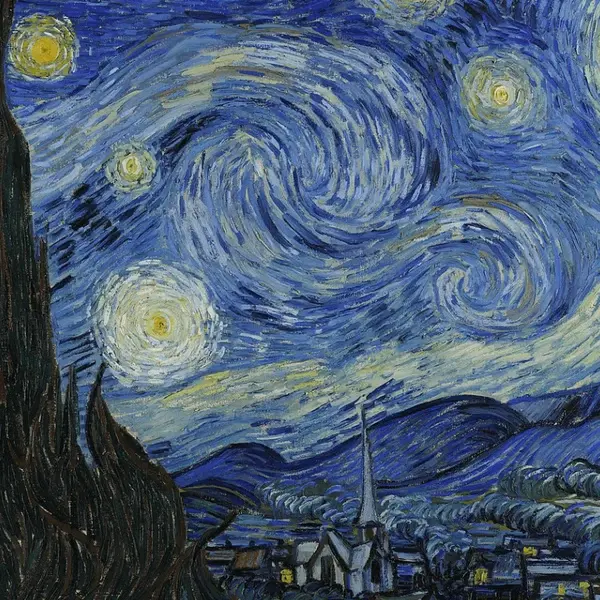
Impressionism served as the bridge between traditional representational art and the abstract movements of the 20th century. By prioritizing the artist's subjective perception over objective reality, it liberated painting from the duty of documentation. This shift encouraged future generations, including Post-Impressionists like Vincent van Gogh and Paul Cézanne, to experiment with color and form in increasingly expressive ways.
Furthermore, the movement democratized art by focusing on the mundane. Impressionists painted train stations, cafes, and parks, validating the beauty of ordinary life. This focus on the "here and now" mirrored the rapid modernization of Paris under Baron Haussmann. By capturing the speed and energy of the industrial age, the Impressionists fundamentally altered how society viewed the relationship between art and contemporary experience.
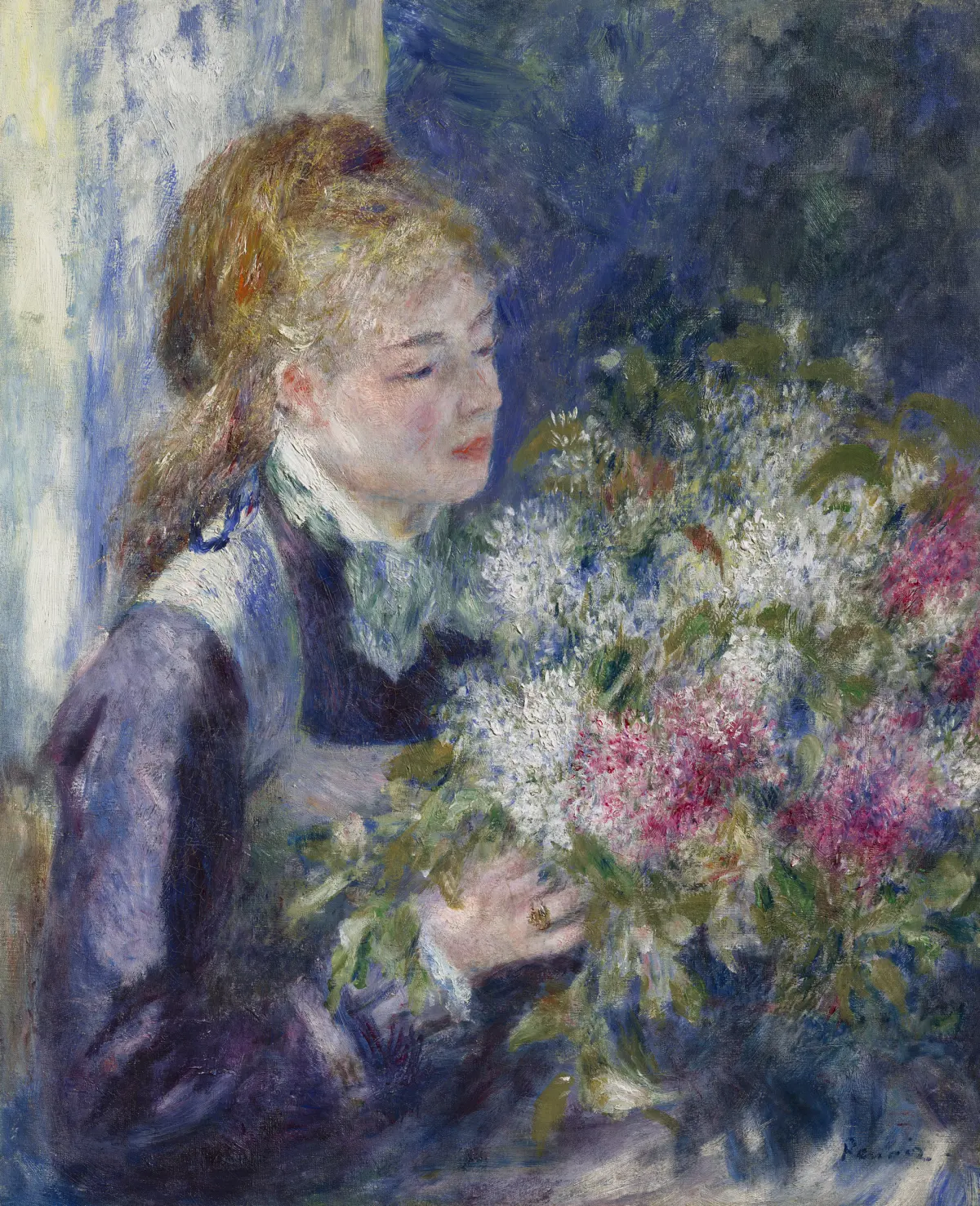
Best ways to identify impressionist paintings
When viewing a painting, look for the absence of hard, defined outlines. Impressionists preferred soft edges, as they believed that the human eye does not see objects with sharp, black borders in nature. If the image appears slightly blurry or "vibrant" when viewed up close but resolves into a clear scene from a distance, it is likely an Impressionist work.
Pay close attention to how the artist treats shadows. Traditional art often used black or brown to darken areas, but Impressionists used blues, purples, and greens to represent shadows. This technique reflects the scientific understanding that shadows are not devoid of color but are actually reflections of the ambient light and the surrounding environment.
- Check for visible, textured brushstrokes on the canvas surface.
- Observe whether the composition feels like a candid, spontaneous photograph.
- Look for the depiction of movement, such as shimmering water or bustling crowds.
- Note the absence of high-gloss, invisible brushwork typical of academic art.
Common mistakes when studying impressionism
A frequent error is assuming that Impressionist paintings were created quickly or without skill. While the style appears spontaneous, it required immense discipline to capture the precise quality of light before it shifted. Artists often worked on multiple canvases simultaneously, switching between them as the sun moved across the sky to maintain consistent lighting conditions for each specific piece.
Another mistake is conflating Impressionism with Post-Impressionism. While Impressionists focused on the objective observation of light, Post-Impressionists like Georges Seurat or Paul Gauguin were more interested in emotional expression and symbolic structure. Understanding this distinction is vital for appreciating the evolution of modern art. Remember that Impressionism is fundamentally about the observation of optics, whereas later movements prioritized the internal world of the artist over the external reality of the landscape.
Key facts
- Impressionism emerged in Paris during the 1860s as a rebellion against the rigid standards of the French Academy of Fine Arts.
- Artists focused on capturing the fleeting effects of light and color rather than creating detailed, realistic depictions of subjects.
- Painters often used short, thick brushstrokes to suggest the essence of a scene instead of blending colors smoothly.
- To practice this style, paint outdoors—known as en plein air—to observe how natural light shifts rapidly across your subject.
- Avoid using black paint for shadows; instead, mix complementary colors to create depth and vibrancy in darker areas.
- When painting, keep your movements quick and spontaneous to prevent overworking the canvas and losing the sense of immediate movement.
The bottom line
Impressionism transformed art by prioritizing the artist’s subjective perception over rigid technical precision. By embracing natural light, loose brushwork, and modern subject matter, these painters broke away from traditional academic constraints. This movement remains vital because it encourages viewers to find beauty in the fleeting, everyday moments of life, proving that a scene’s emotional atmosphere is often more powerful than its exact, photographic detail.
People also ask
Who were the most famous Impressionist painters?
Claude Monet, Pierre-Auguste Renoir, Edgar Degas, Camille Pissarro, and Berthe Morisot are considered the movement's primary figures. Each artist brought a unique focus, such as Monet’s obsession with light or Degas’s interest in movement and human form.
Why were the Impressionists initially criticized?
Critics in the 19th century viewed their loose brushwork as unfinished, sloppy, or "sketchy" compared to the polished, academic art of the time. The public was accustomed to smooth surfaces and historical themes, making the Impressionists' focus on everyday life seem radical.
How did the invention of the camera influence Impressionism?
Photography freed painters from the need to document reality with perfect precision, allowing them to experiment with subjective perspectives. This shift encouraged artists to capture "impressions" or individual interpretations of a moment rather than objective, photographic records.
What is the significance of the "Salon des Refusés"?
This 1863 exhibition was created for artists whose work had been rejected by the official Paris Salon. It provided a platform for avant-garde creators to showcase their unconventional styles, eventually leading to the independent exhibitions that defined the Impressionist movement.
Did Impressionists only paint landscapes?
While landscapes were common, Impressionists also frequently painted urban scenes, social gatherings, and intimate portraits. They aimed to record the modern lifestyle of Paris, capturing cafes, theaters, and busy boulevards to reflect the rapid changes of the Industrial Age.
How can I identify an Impressionist painting?
Look for vibrant, unblended colors, visible brushstrokes, and an emphasis on the changing quality of light. If the subject matter feels like a candid, momentary snapshot of daily life, it is likely an Impressionist work.
This answer was created with the help of AI research tools and reference sources. Spotted an error? Let us know — we correct mistakes quickly. See our editorial policy.