Why is Van Gogh so famous?
Short answer
Vincent van Gogh is famous because his revolutionary use of bold color and expressive brushwork laid the foundation for modern art. His tragic life story, documented through extensive personal letters, adds a profound emotional layer to his work. Today, his paintings are recognized globally as masterpieces of human creativity and psychological depth.
On this page
Why did Van Gogh become famous?
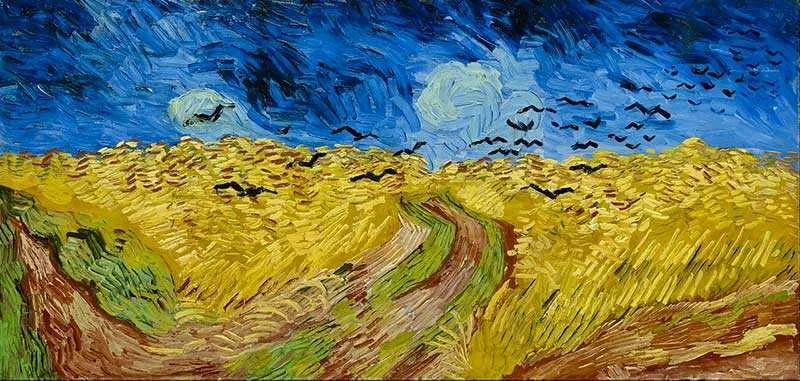
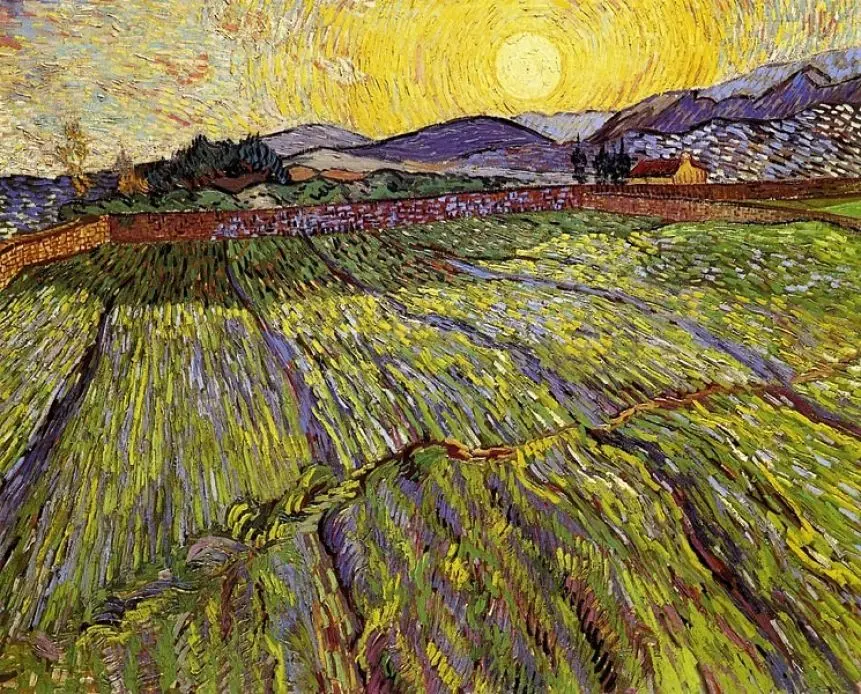
Van Gogh’s fame stems from his unique ability to translate raw emotion into vibrant visual language. Unlike his contemporaries who focused on realistic representation, he used thick, swirling paint—a technique known as impasto—to convey his internal state. This departure from tradition made his work feel alive and deeply personal, capturing the attention of later generations who prioritized expression over objective accuracy.
His posthumous rise to stardom was also fueled by the tireless efforts of his sister-in-law, Jo van Gogh-Bonger. After Vincent’s death in 1890, she inherited his collection of hundreds of paintings and thousands of letters. She dedicated her life to organizing exhibitions and publishing his correspondence, which provided the public with an intimate look into his struggles. This narrative of the "tortured genius" transformed him from an obscure artist into a cultural icon.
How to identify a Van Gogh painting
Recognizing a Van Gogh is often straightforward because of his distinct stylistic signature. His work typically features high-contrast colors, such as the juxtaposition of blue and yellow, which he used to create luminosity and movement. If you look closely at his canvases, you will notice the following characteristics:
- Visible, rhythmic brushstrokes that follow the contours of the objects.
- A heavy application of paint that creates a three-dimensional texture.
- A focus on humble subjects, including sunflowers, peasants, and rural landscapes.
- A lack of traditional blending, where colors are placed side-by-side to vibrate against one another.
When viewing his work, observe how the light seems to radiate from the canvas. This effect is not accidental but the result of his deliberate choice to use complementary color schemes to enhance the emotional impact of the scene.
What is the history of his mental health?
Van Gogh’s struggles with mental illness have become central to his public image, though they often overshadow his technical brilliance. Throughout his adult life, he suffered from episodes of severe depression, anxiety, and auditory hallucinations. His most famous incident occurred in 1888, when he severed a portion of his left ear during a mental breakdown in Arles.
Despite these challenges, he remained remarkably productive. He produced over 2,000 artworks in just one decade, with his most famous pieces, such as The Starry Night, created while he was a patient at the Saint-Paul-de-Mausole asylum. His ability to channel his suffering into art has made him a symbol of resilience for many. However, it is a common misconception that he painted only when he was unwell; in reality, he was a disciplined artist who studied color theory and art history extensively.
Common mistakes when studying Van Gogh
Many people approach Van Gogh’s work with preconceived notions that can hinder a true appreciation of his craft. To better understand his legacy, avoid these common errors:
- Assuming he was a "madman" who painted without skill or planning.
- Believing that he was completely ignored by the art world during his lifetime.
- Focusing solely on his ear injury rather than his artistic evolution.
- Overlooking the influence of Japanese woodblock prints on his compositions.
He was actually a highly intellectual artist who read extensively and corresponded with other leading painters of his time, such as Paul Gauguin. He was deeply aware of contemporary art movements and carefully developed his style through years of practice. By viewing him as a deliberate craftsman rather than a chaotic amateur, you gain a clearer understanding of why his work remains so influential in the history of Western art.
Where to see his art today
If you want to experience the impact of his work firsthand, visiting major museums is the best approach. His paintings are housed in prestigious collections worldwide, but certain locations offer a more comprehensive view of his development. When planning a visit, keep these practical tips in mind:
- The Van Gogh Museum in Amsterdam holds the largest collection of his work, including hundreds of paintings and letters.
- The Musée d'Orsay in Paris showcases his pivotal works from his time in the French capital.
- The Museum of Modern Art in New York City is home to The Starry Night, arguably his most famous painting.
When visiting, try to stand at different distances from the canvas. From afar, the colors blend into a cohesive image, but up close, you can see the individual strokes that reveal his intense creative energy. By observing the physical texture of the paint, you connect directly with the artist's hand and his vision of the world.
Key facts
- Vincent van Gogh created approximately 2,100 artworks, including 860 oil paintings, during a prolific career that lasted only a decade.
- His signature "impasto" technique involved applying thick layers of paint to create physical texture and movement on the canvas.
- The 1889 masterpiece The Starry Night was painted while Van Gogh was a patient at the Saint-Paul-de-Mausole asylum in Saint-Rémy-de-Provence.
- Van Gogh sold only one painting during his lifetime, The Red Vineyard, which was purchased for 400 francs in 1890.
- His fame exploded in the early 20th century, largely due to the efforts of his sister-in-law, Jo van Gogh-Bonger, who curated his letters and organized exhibitions.
- When visiting a museum to view his work, look closely at the brushstrokes to see how he used color to convey emotion rather than just realistic representation.
The bottom line
Vincent van Gogh’s fame stems from a unique combination of profound technical innovation and a compelling, tragic life story. By pioneering the expressive use of color and texture, he fundamentally altered the trajectory of modern art. His vast collection of personal letters provides an intimate connection to his creative process, ensuring that his legacy remains as emotionally resonant today as it was revolutionary in the nineteenth century.
People also ask
Did Van Gogh really cut off his own ear?
Yes, in December 1888, following a heated argument with fellow artist Paul Gauguin, Van Gogh severed part of his left ear with a razor. He later documented the incident in his famous Self-Portrait with Bandaged Ear.
Why did Van Gogh use such bright, intense colors?
Influenced by Impressionist and Neo-Impressionist painters in Paris, he moved away from his early, dark, and somber palette. He used vibrant yellows, blues, and oranges to express his internal emotional state rather than to depict nature exactly as it appeared.
Was Van Gogh considered a failure during his life?
While he struggled financially and suffered from severe mental health issues, he was not entirely unknown. He participated in several exhibitions and received praise from a few influential critics, though he never achieved commercial success.
How many paintings did Van Gogh produce in total?
He produced about 2,100 artworks in total, including 860 oil paintings, most of which were created in the final two years of his life. This immense output reflects his intense, often obsessive, work ethic.
What is the significance of the letters to his brother Theo?
Van Gogh wrote over 800 letters, mostly to his brother Theo, who was an art dealer. These documents provide an intimate record of his thoughts, artistic theories, and the struggles he faced with his mental health.
Why are his paintings so expensive today?
His limited body of work, combined with his dramatic life story and the massive influence he had on the Expressionist movement, has made his paintings highly coveted. Scarcity and historical importance drive the record-breaking prices seen at auctions.
This answer was created with the help of AI research tools and reference sources. Spotted an error? Let us know — we correct mistakes quickly. See our editorial policy.