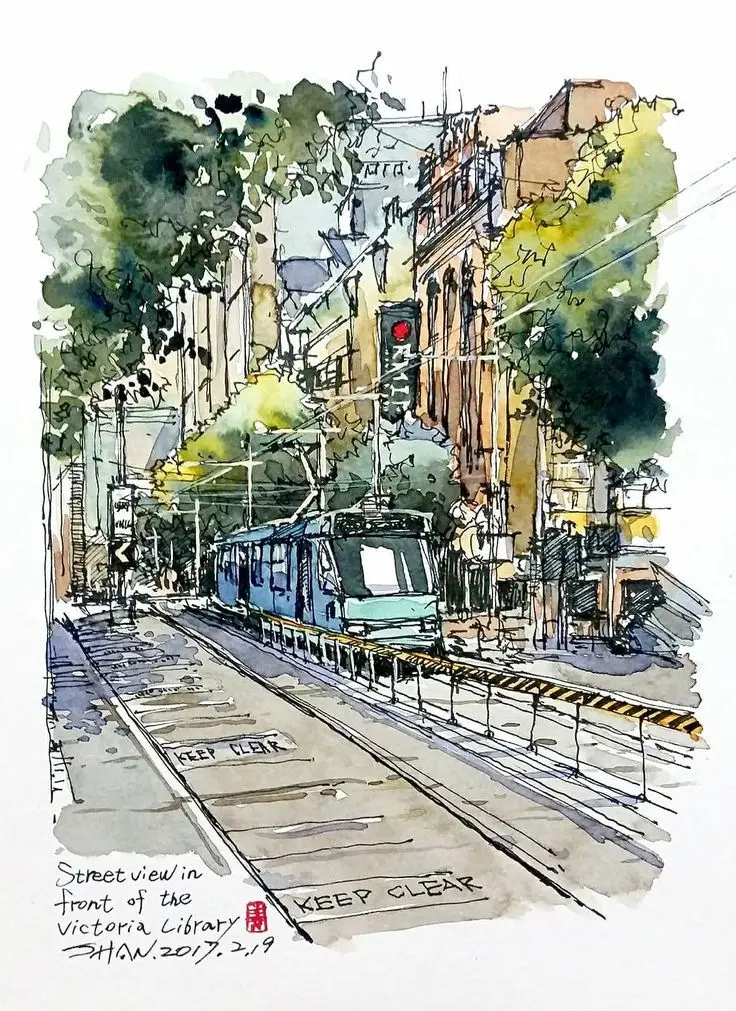
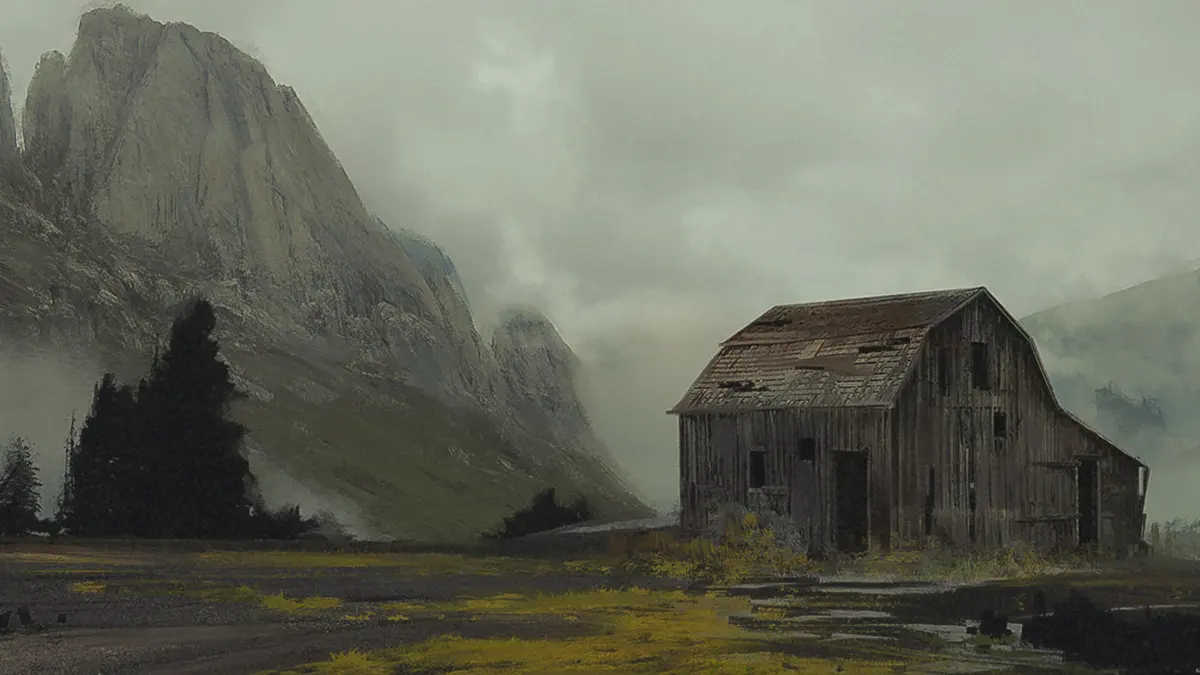
What is charcoal drawing?
Short answer
Charcoal drawing is a traditional art medium using carbonized wood to create monochromatic images. Artists apply it to paper or textured surfaces, utilizing its unique ability to produce deep blacks, soft grays, and high-contrast textures. It remains a foundational skill for sketching, figure drawing, and expressive fine art compositions today.
On this page
What is charcoal drawing made of?
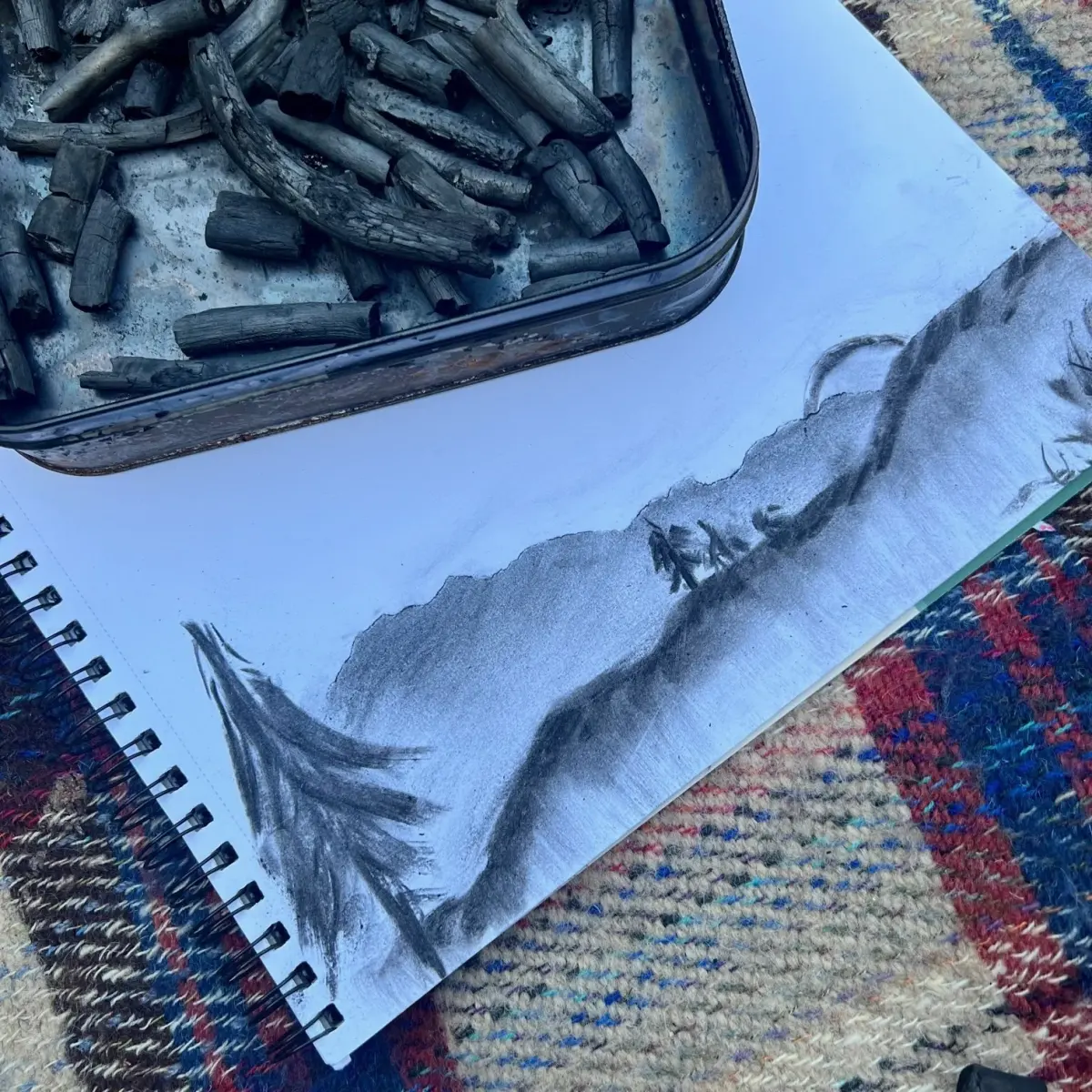
Charcoal drawing involves the use of carbonized organic material, typically willow or vine twigs, to create marks on a surface. The process dates back to prehistoric cave paintings, where early humans used charred wood to depict animals and rituals. Today, artists primarily use three types of charcoal: vine or willow, compressed, and charcoal pencils. Vine and willow charcoal are soft, light, and easily erased, making them ideal for initial sketches. Compressed charcoal, a mixture of charcoal powder and binding gum, offers a much darker, richer pigment that is harder to remove.
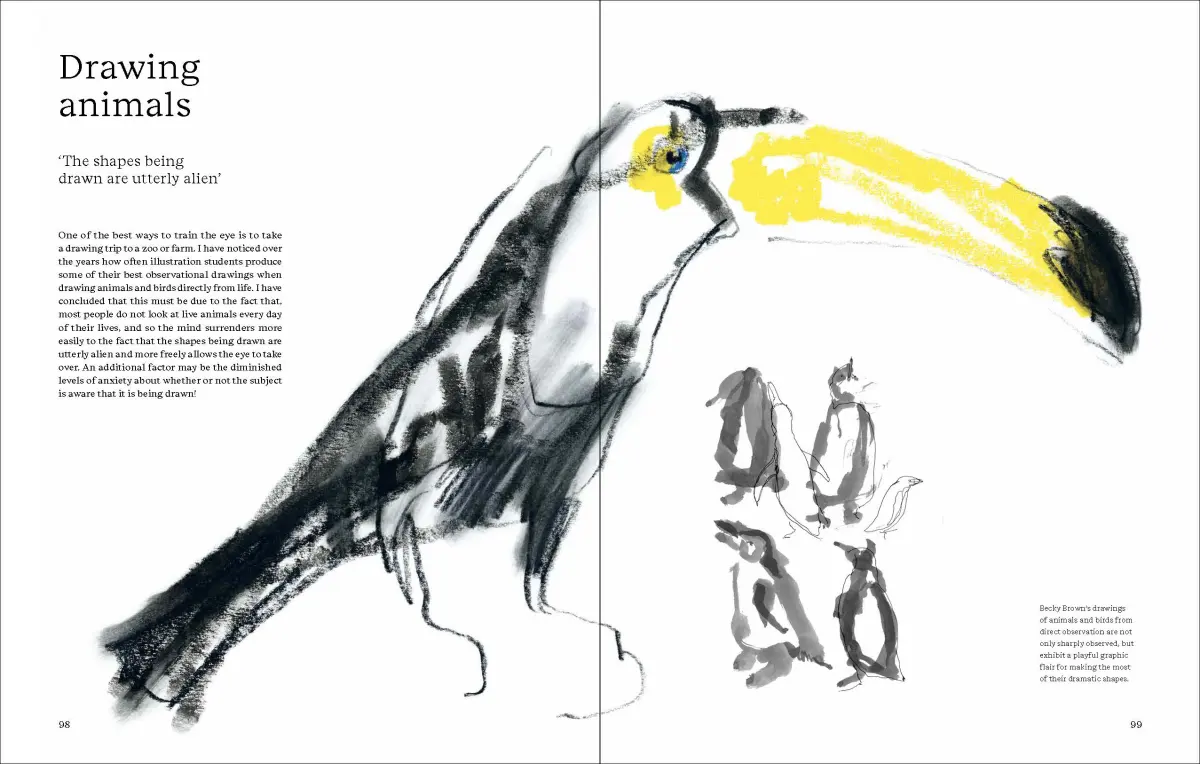
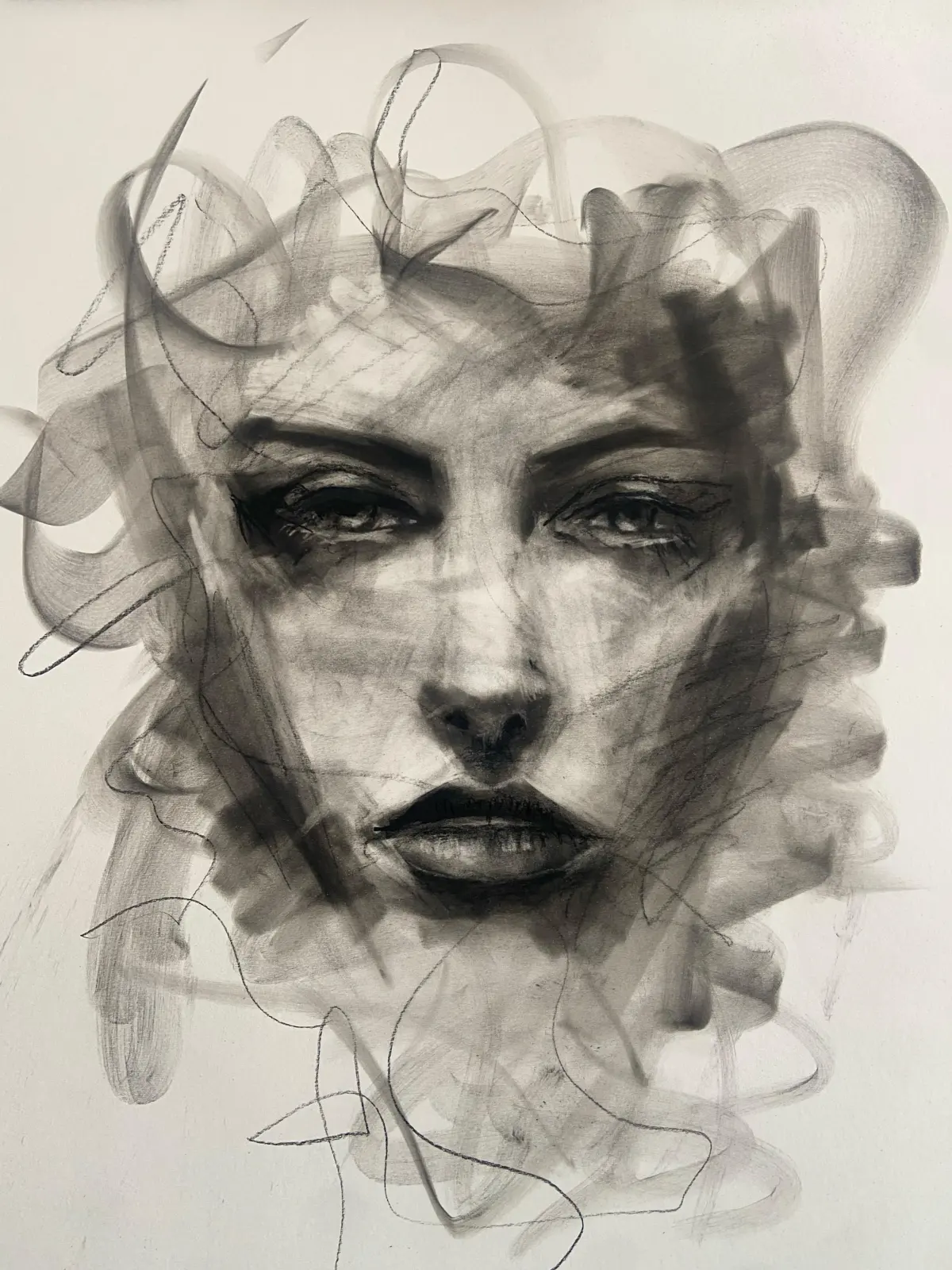
The medium is prized for its versatility and immediacy. Because charcoal is essentially raw carbon, it allows for a wide range of tonal values. Artists can achieve everything from delicate, gossamer-thin lines to bold, opaque shadows. The texture of the paper plays a significant role in the final look, as the charcoal particles catch on the "tooth" or grain of the surface. This interaction between material and paper is what gives charcoal drawings their distinct, atmospheric quality.
How to start a charcoal drawing
Beginning a charcoal drawing requires minimal equipment, but the preparation of your workspace is essential to manage the inevitable dust. You will need a pad of charcoal paper, a few sticks of willow charcoal, a kneaded eraser, and a blending stump. It is also helpful to have a fixative spray to seal your work once finished.
- Secure your paper to a drawing board using clips or masking tape to prevent movement.
- Sketch your initial composition lightly using a thin piece of vine charcoal, focusing on large shapes rather than details.
- Establish your darkest shadows first to create a tonal foundation, then gradually work toward the lighter areas.
- Use a blending stump or a soft cloth to smudge the charcoal, creating smooth gradients and transitions between light and dark.
- Use your kneaded eraser to "draw" the light back into the piece by lifting charcoal off the paper.
Best charcoal drawing techniques for beginners
Mastering charcoal relies on understanding how to manipulate pressure and texture. Beginners should practice "gestural drawing," which involves making quick, fluid marks to capture the movement or essence of a subject. This helps loosen the hand and prevents the common tendency to focus too early on rigid outlines. Another key technique is "subtractive drawing," where you cover the entire page in a light layer of charcoal and then erase areas to reveal the highlights.
- Cross-hatching: Layering sets of parallel lines to build up density and shadow.
- Stumping: Using a paper tool to smear charcoal, creating soft, photographic-like transitions.
- Lifting: Using a kneaded eraser to pull out highlights or correct minor errors.
- Texturing: Pressing the side of a charcoal stick against the paper to create rough, organic patterns.
These methods allow artists to build depth systematically. By layering these techniques, you can create a three-dimensional effect that makes objects appear to have volume and weight.
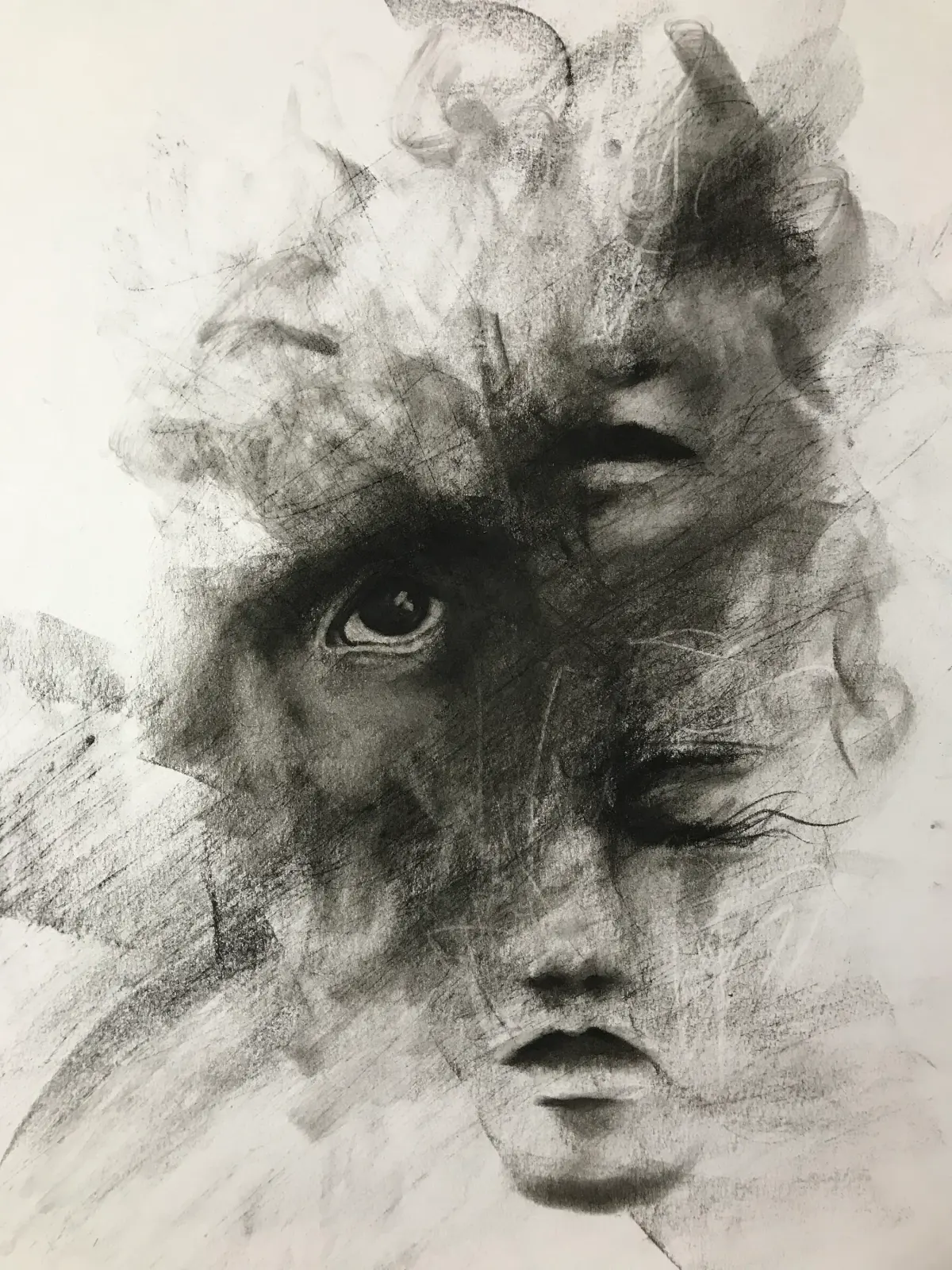
Why charcoal smudges and how to fix it
Charcoal is a dry, powdery medium that does not bond permanently to paper fibers like ink or paint. Because of this, it is prone to smudging, which can be both a creative advantage and a technical frustration. The dust particles remain loose on the surface, meaning even a light touch can shift the pigment. While this makes blending easy, it also means that drawings can lose their crisp edges if not handled with care.
To manage this, artists often use a "mahl stick" to support their hand above the paper while working. Additionally, applying a fixative spray once the drawing is complete creates a protective barrier that locks the charcoal in place. If you accidentally smudge a clean area, do not panic. You can often use a kneaded eraser to gently lift the stray marks. If the smudge is deep, incorporate it into the background or shadow area to maintain the integrity of the composition.
Common mistakes when drawing with charcoal
One frequent error is over-blending, which can result in a muddy, flat appearance that lacks contrast. Beginners often try to smooth every single mark, which destroys the energy and texture that makes charcoal unique. Another common mistake is failing to utilize the full tonal range. Many new artists stay within the middle grays, resulting in drawings that look washed out. It is vital to push for deep, velvety blacks and bright, clean whites to give the work impact.
Avoiding these pitfalls requires patience and a willingness to experiment. Do not be afraid to leave some of the original paper texture visible, as this adds life to the drawing. Furthermore, always keep your hands clean or use a barrier sheet under your palm to prevent accidental oils from transferring to the paper. By focusing on strong light-dark relationships and keeping your tools organized, you will find that charcoal is one of the most rewarding and expressive mediums available to any artist.
Key facts
- Charcoal is made from charred wood, typically willow or vine, which is heated in an oxygen-free environment to create a carbonized stick.
- There are three main types: vine or willow charcoal (soft and erasable), compressed charcoal (dense and dark), and charcoal pencils (controlled and precise).
- You should always use a fixative spray once a drawing is complete to prevent the loose carbon particles from smudging or rubbing off the paper.
- Kneaded erasers are essential tools because they can be molded into points to lift highlights or soften dark transitions without damaging the paper surface.
- The best paper for charcoal is "toothier" or textured paper, such as charcoal paper or heavy-weight sketch paper, which helps hold the loose pigment.
- When drawing, avoid resting your hand directly on the paper to prevent oils from your skin from creating permanent smudges in the charcoal dust.
The bottom line
Charcoal drawing is a versatile, expressive medium that relies on the contrast between dark carbon and the white of the paper. By mastering different types of charcoal—from soft willow to dense compressed sticks—and utilizing tools like kneaded erasers and blenders, artists can create everything from delicate sketches to bold, dramatic portraits. It remains a foundational skill for artists seeking to understand light, shadow, and form.
People also ask
How do I prevent my charcoal drawing from smudging?
Use a fixative spray once the work is finished to seal the particles to the page. While working, place a clean sheet of glassine or scrap paper under your hand to protect the drawing surface.
Can charcoal be used with other drawing media?
Yes, charcoal is often combined with graphite, white chalk, or pastel to add depth and contrast. It is common to use white charcoal or pastel sticks to create bright highlights on top of dark charcoal layers.
What is the difference between vine and compressed charcoal?
Vine charcoal is light, brittle, and easily wiped away, making it ideal for initial sketches. Compressed charcoal contains a binder that makes it much darker and harder to erase, which is better for deep shadows.
Do I need special paper for charcoal?
While you can draw on standard sketch paper, textured paper with a visible "tooth" is superior. The texture traps the charcoal dust, allowing for richer blacks and more complex layering.
How do I create a smooth gradient with charcoal?
Use a blending stump, a chamois cloth, or a soft brush to push the charcoal into the paper's texture. Avoid using your fingers, as the natural oils in your skin can cause the charcoal to clump.
Is charcoal archival?
Charcoal is a permanent medium if properly fixed and framed behind glass. Because it is essentially carbon, it does not fade over time like some pigments, provided it is protected from physical abrasion.
This answer was created with the help of AI research tools and reference sources. Spotted an error? Let us know — we correct mistakes quickly. See our editorial policy.