What is urban sketching?
Short answer
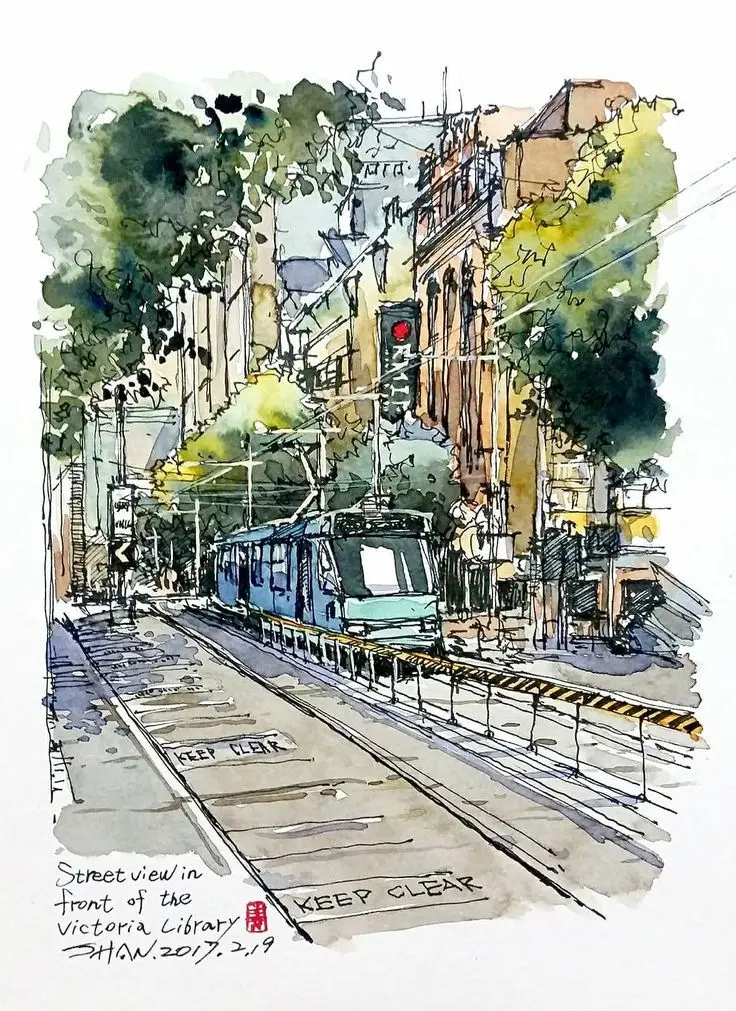
Urban sketching is the practice of drawing on location, capturing the direct observation of city life and architecture. It emphasizes storytelling through spontaneous, authentic marks made in real-time. Practitioners, known as urban sketchers, document their surroundings in portable sketchbooks, focusing on the "here and now" rather than studio-based perfection or photographic accuracy.
On this page
What is the history of urban sketching?
The modern urban sketching movement gained global momentum in 2007 when journalist and illustrator Gabriel Campanario launched an online forum for artists who shared their on-location drawings. This digital community quickly evolved into Urban Sketchers (USk), a non-profit organization that established a formal manifesto. The core principles of this movement mandate that artists draw on location, capturing what they see through direct observation. By documenting the built environment and the daily rhythms of public spaces, the movement encourages a deeper connection to one’s surroundings.
While the act of sketching in public is centuries old, the contemporary movement emphasizes the social aspect of art. Thousands of local chapters now exist worldwide, organizing "sketch crawls" where artists gather to draw the same location simultaneously. This collaborative approach transforms a solitary hobby into a shared cultural experience. By prioritizing the process over the final product, the movement has democratized sketching, making it accessible to anyone with a pen and a pad.
How to start urban sketching for beginners
Beginning your journey as an urban sketcher requires very little equipment, which is a significant part of the practice's appeal. You do not need expensive supplies to produce meaningful work; a simple sketchbook and a reliable pen are sufficient to start. Focus on choosing a location that offers a comfortable place to sit, such as a park bench or a quiet cafe, to ensure you can remain focused for at least thirty minutes without feeling rushed.
- Select a small, portable sketchbook that fits easily into your bag.
- Choose a waterproof ink pen to allow for future watercolor washes if desired.
- Find a subject that interests you, such as a building facade, a street corner, or a group of people.
- Set a timer for 15 minutes to practice capturing the essence of the scene without overthinking details.
- Date and sign your drawing to document the moment in time.
What are the best materials for urban sketching?
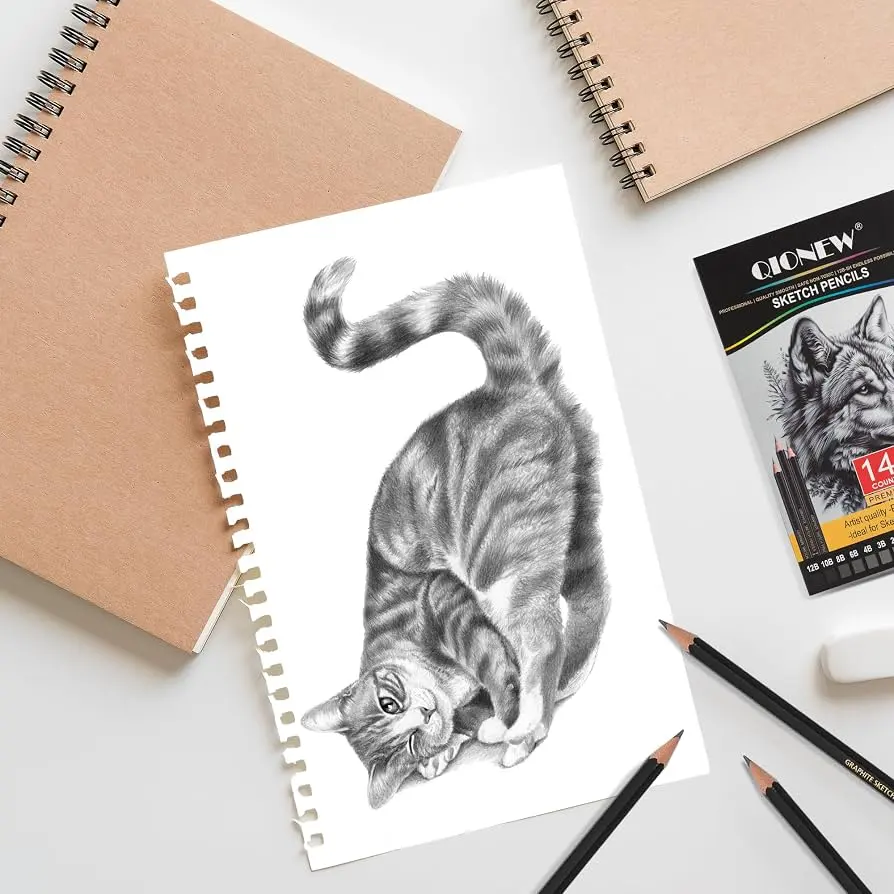
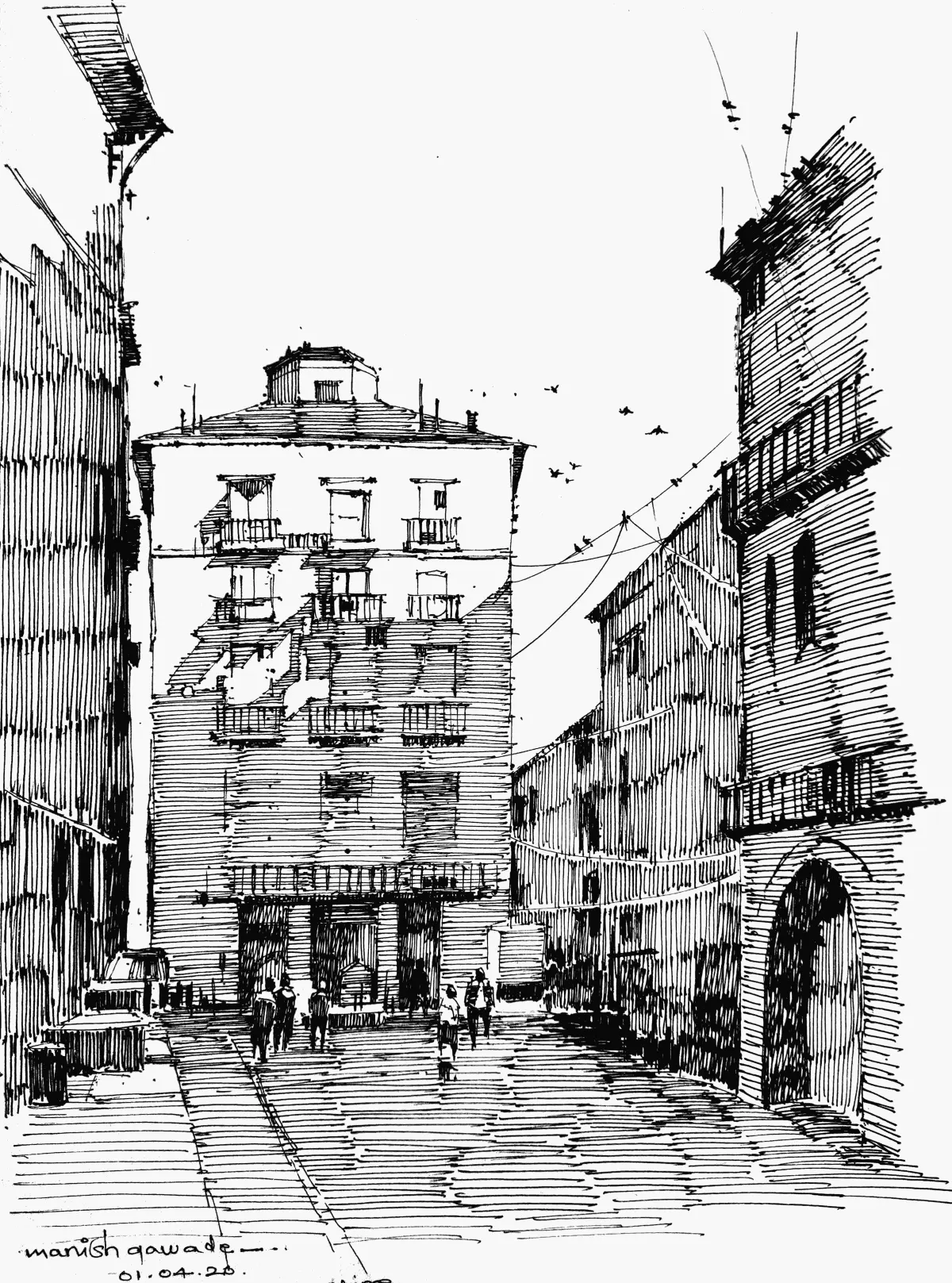
The best tools for urban sketching are those that you are willing to carry with you every day. Portability is the most important factor, as the best sketchbook is the one you actually have in your hand when inspiration strikes. For paper, look for a sketchbook with at least 140gsm weight if you plan to use watercolors, as thinner paper will buckle or bleed when wet. Hardbound books provide a sturdy surface for drawing while standing, while spiral-bound options allow for a flatter working surface.
- Fountain pens with permanent, waterproof archival ink.
- A small, travel-sized watercolor set with a water-brush pen.
- A few graphite pencils or colored pencils for adding texture.
- A lightweight folding stool for longer sessions.
- A sturdy bag to keep your supplies organized and protected from the elements.
Avoid carrying too many supplies, as a heavy kit often discourages artists from heading out. Keep your setup minimalist to ensure you can set up and pack away in under two minutes.
Common mistakes when urban sketching
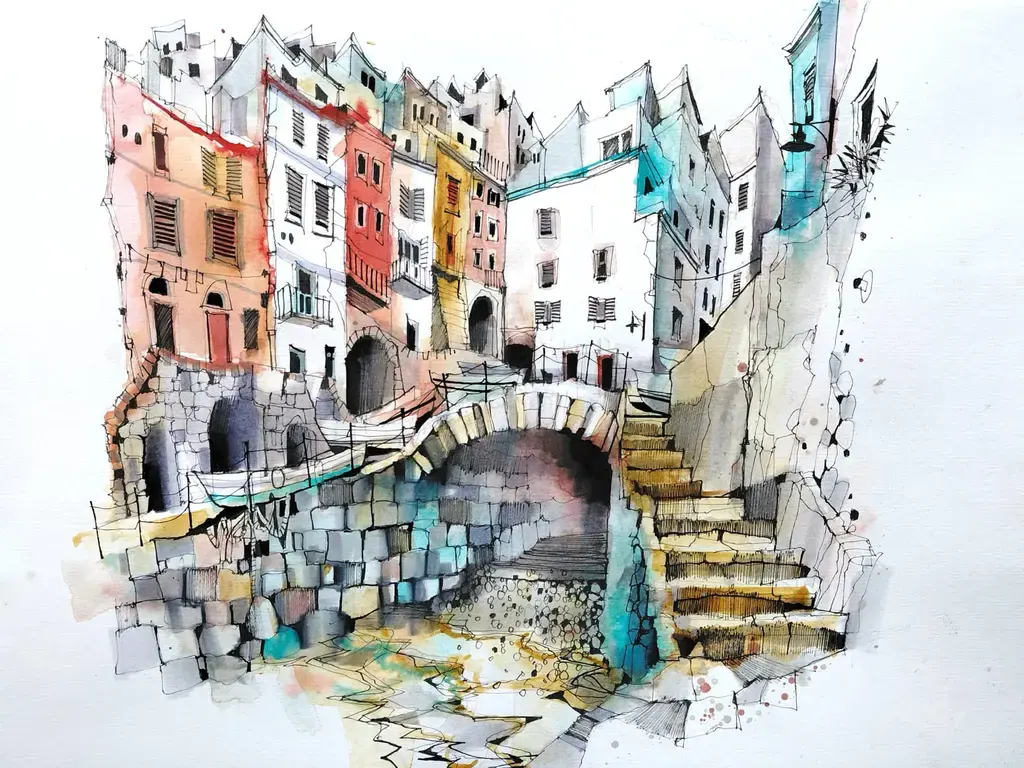
One of the most frequent errors beginners make is attempting to draw every single brick or window pane in a building. This leads to "detail fatigue," where the artist becomes overwhelmed and loses the overall structure of the scene. Instead, focus on the big shapes first—the silhouette of the building or the flow of the street—before adding finer details. Remember that urban sketching is about capturing the feeling of a place, not creating a precise architectural blueprint.
Another common mistake is worrying about the presence of onlookers. Many beginners feel self-conscious about drawing in public, fearing judgment from passersby. In reality, most people are either indifferent or genuinely curious and supportive of the creative process. If you feel nervous, start by sketching in a crowded area where you can blend into the background. Over time, you will find that the act of drawing actually helps you engage with your environment more deeply, effectively silencing your internal critic and allowing you to focus on the lines on the page.
Why urban sketching is good for you
Engaging in urban sketching promotes mindfulness by forcing you to slow down and observe the world with intentionality. When you draw a scene, you notice details that you would otherwise ignore, such as the pattern of shadows on a wall or the specific way a tree grows against a building. This heightened state of observation creates a lasting memory of the location, often more vivid than a photograph. It turns a mundane commute or a lunch break into a creative opportunity.
Beyond the mental health benefits, urban sketching serves as a personal visual diary. Looking back at a collection of sketches allows you to relive the atmosphere, weather, and mood of past experiences. It encourages you to explore your own city with the curiosity of a tourist, uncovering hidden gems in your neighborhood. By consistently practicing, you will develop a unique visual style and a portfolio that reflects your personal perspective on the world. The practice remains a powerful tool for documenting history, one sketchbook page at a time.
Key facts
- Urban sketching is the practice of drawing on location, capturing what you see from direct observation.
- The movement was formalized in 2007 when journalist Gabriel Campanario launched the Urban Sketchers online community.
- The movement’s manifesto requires sketches to be created on location, either indoors or outdoors, capturing a moment in time.
- Standard tools include a portable sketchbook, a waterproof ink pen, and a small set of watercolors or colored pencils.
- The primary goal is to tell the story of your surroundings rather than achieving perfect photographic realism.
- A common mistake is attempting to draw every single brick or window; focus instead on capturing the overall gesture and atmosphere.
The bottom line
Urban sketching is a rewarding practice that encourages you to slow down and truly observe the world around you. By carrying a simple sketchbook and pen, you can document your daily life and travels through personal, expressive drawings. Remember that the value lies in the process of observation and the memories created, not in the perfection of the final image. Pick up a pen and start today.
People also ask
Do I need to be an expert artist to start urban sketching?
No, urban sketching is open to everyone regardless of skill level. The focus is on the act of observing and documenting your environment rather than producing a gallery-ready masterpiece.
What is the best way to start a sketch?
Begin by lightly outlining the largest shapes and the composition of the scene. Once the proportions are established, add details and ink lines before applying color to bring the sketch to life.
Should I use a pencil before using ink?
Many sketchers prefer drawing directly with ink to build confidence and avoid the habit of erasing. However, using a light pencil sketch first is a helpful way to map out complex architectural perspectives.
How long should it take to complete one sketch?
Most urban sketches are completed within 30 to 60 minutes. Keeping the process brief helps you capture the spontaneity of the scene and prevents you from becoming overwhelmed by excessive detail.
Can I sketch from a photograph instead of being on location?
While drawing from photos is a valid artistic exercise, it is technically not considered urban sketching. The core philosophy of the movement relies on the sensory experience of being physically present in the space.
What are the most common mistakes beginners make?
Beginners often try to capture too much information or worry too much about mistakes. Embrace "happy accidents" like ink smudges or wobbly lines, as these imperfections add character and authenticity to your work.
This answer was created with the help of AI research tools and reference sources. Spotted an error? Let us know — we correct mistakes quickly. See our editorial policy.