How do you teach a child to draw?
Short answer
Teaching a child to draw requires fostering curiosity rather than focusing on technical perfection. Begin by providing diverse materials and encouraging observation of the world. Focus on the process of creation, emphasizing experimentation and self-expression. By normalizing mistakes and celebrating effort, you build the confidence necessary for a child to develop their artistic voice.
On this page
How to encourage drawing in young children
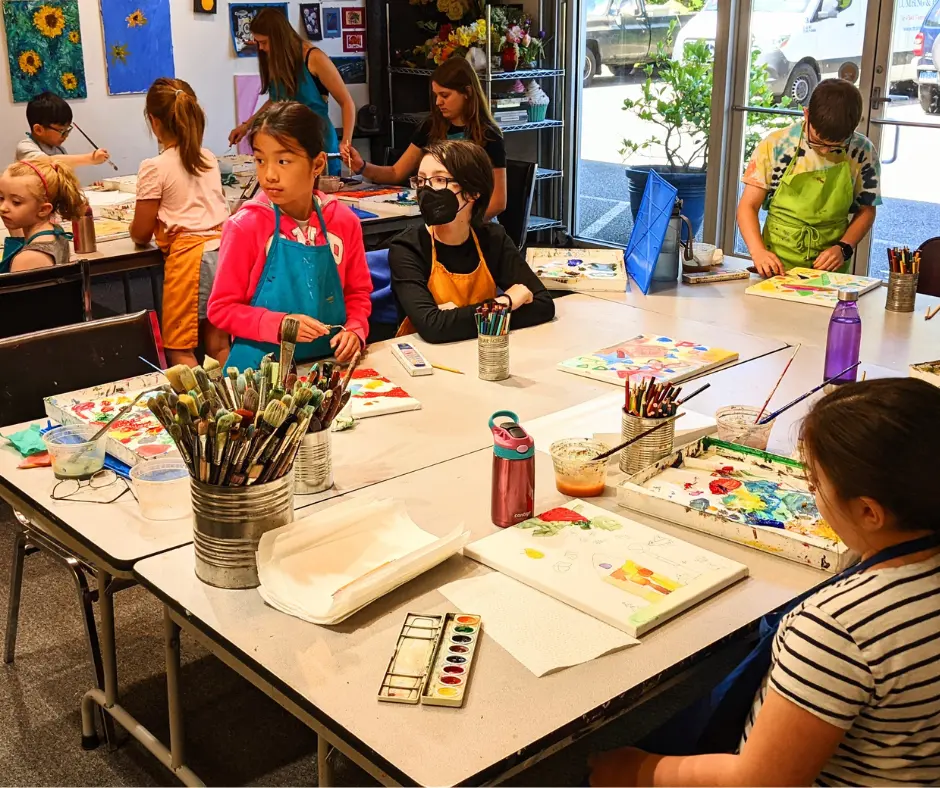
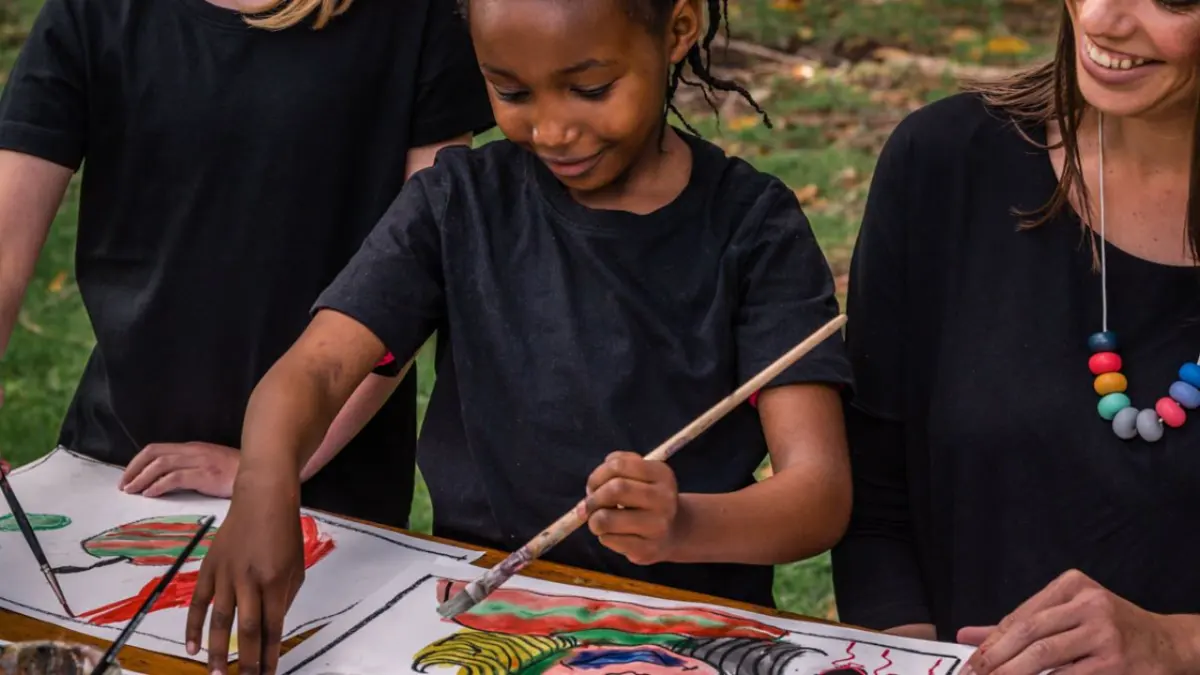
The most effective way to teach a child to draw is to treat the activity as a form of play rather than a formal lesson. Young children naturally explore the world through marks, starting with scribbles that eventually evolve into representational shapes. Provide a dedicated space where they can access paper, crayons, and markers without needing adult permission. This autonomy empowers them to view drawing as a daily habit rather than a chore.
When a child begins to draw, avoid asking "What is that?" as this can pressure them to produce recognizable objects before they are ready. Instead, comment on the physical process, such as noticing the bright colors they chose or the speed of their lines. This descriptive approach validates their effort without imposing adult expectations of realism. By keeping the environment low-pressure, you ensure that the child remains enthusiastic about the act of creation.
Best drawing materials for beginners
Choosing the right tools can significantly improve a child’s experience and comfort. For toddlers, thick, chunky crayons are ideal because they are easier to grip and less prone to snapping. As children develop better fine motor skills, you can introduce a wider variety of mediums to keep their interest high. Experimenting with different tools helps them understand how pressure and texture affect the final result on the page.
Consider stocking a "creative station" with these essential items:
- Large sheets of newsprint or recycled paper to provide ample room for movement.
- Triangular-shaped crayons, which naturally encourage the proper tripod grip.
- Water-soluble markers that allow for easy cleanup on surfaces and clothing.
- Soft-leaded pencils (2B or 4B) that glide across the paper with minimal pressure.
- Oil pastels for vibrant, blendable colors that offer a different tactile experience.
How to teach observation skills
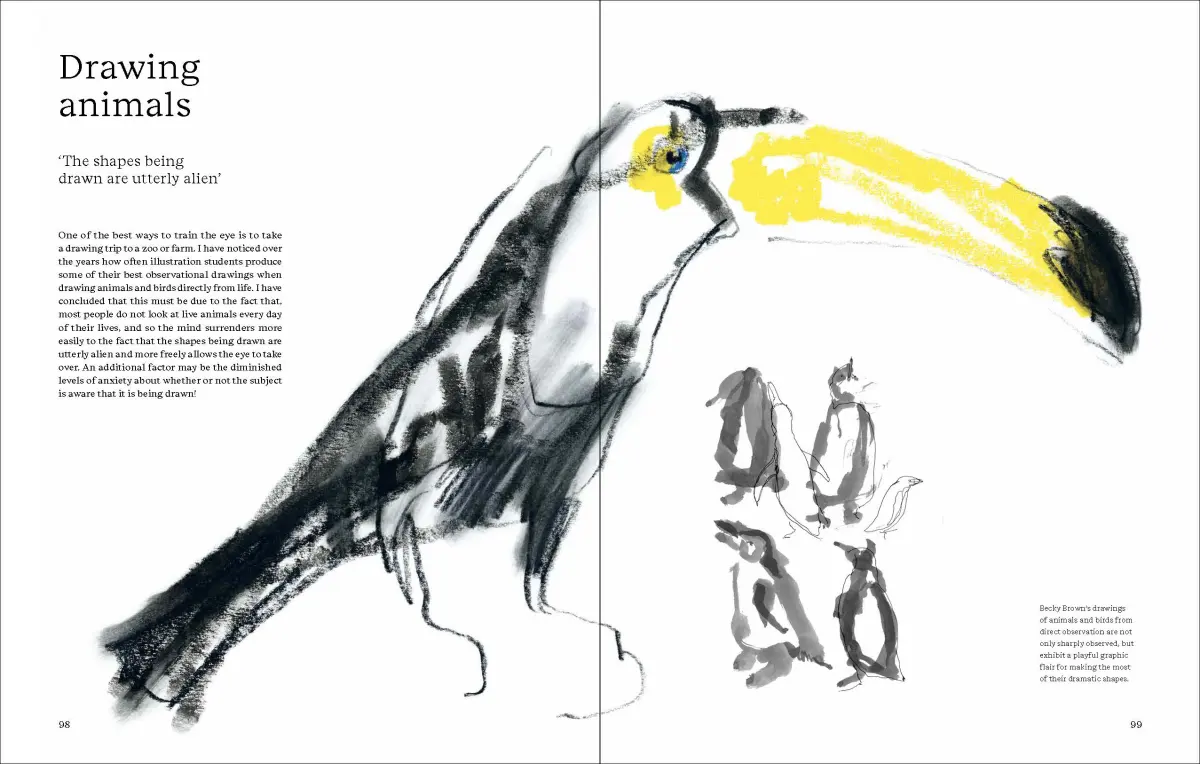
Drawing is fundamentally an exercise in seeing rather than just moving a hand. To help a child improve, encourage them to look closely at the objects around them before they begin their drawing. Ask open-ended questions about what they see, such as the shape of a leaf, the pattern on a rug, or the way light hits a piece of fruit. This practice shifts their focus from drawing from memory to drawing from reality.
You can guide this observational process by following these simple steps:
- Select a simple, stationary object, such as a favorite toy or a piece of fruit.
- Ask the child to trace the outline of the object in the air with their finger.
- Encourage them to notice smaller details, such as spots, lines, or textures.
- Invite them to draw the object while keeping their eyes on it as much as possible.
- Remind them that the goal is to capture the "feeling" of the object, not a perfect photograph.
Common mistakes when teaching children to draw
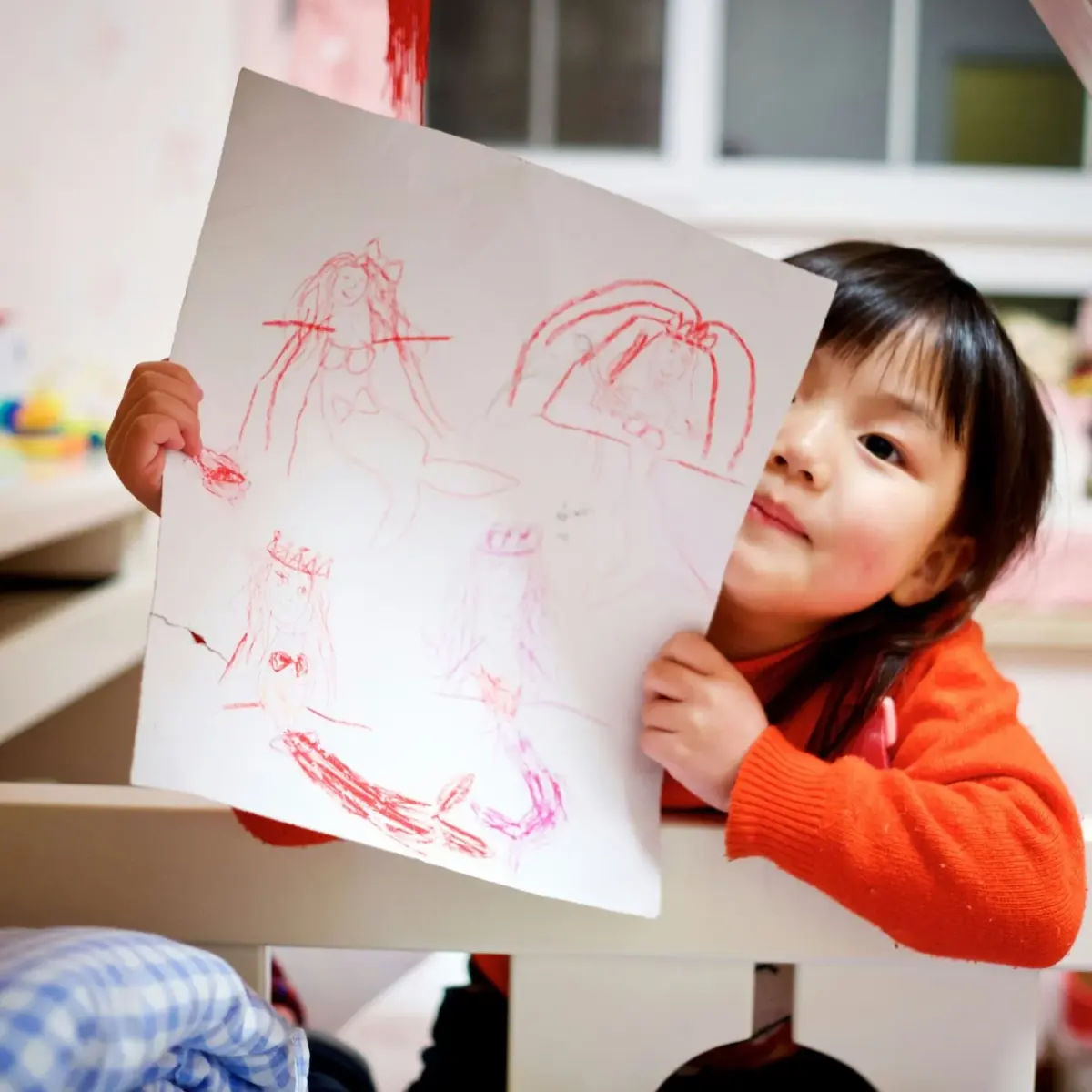
One of the most frequent errors adults make is correcting a child’s work or drawing on their paper to "fix" it. When an adult alters a child's drawing, it sends the message that the child’s own vision is inadequate or incorrect. This often leads to frustration and a loss of confidence. Always respect the child's artistic choices, even if the proportions are unrealistic or the colors are unconventional.
Another mistake is focusing too heavily on the final product rather than the experience. If a child feels that their work will be judged or displayed only if it is "good," they may become afraid to experiment. Avoid comparing their work to other children or to professional art. Instead, focus on the progress they have made over time, such as their increased control over lines or their willingness to try new techniques. Keep the atmosphere supportive and focus on the joy of discovery.
Why drawing skills develop at different rates
It is important to recognize that artistic development is tied to cognitive and physical growth. A child’s ability to draw is closely linked to their hand-eye coordination, which matures at different stages for every individual. Some children may focus on patterns and shapes for a long time, while others may jump straight into drawing figures. Neither approach is better; they are simply different ways of processing the world through a visual medium.
Do not be concerned if a child seems to lose interest in drawing for a time. Interests naturally ebb and flow as children explore other activities like building, reading, or physical play. You can support their growth by keeping materials available and occasionally introducing a new challenge, such as drawing outside or using charcoal. By remaining a consistent, encouraging presence, you provide the foundation for a lifelong relationship with creativity that will continue to evolve as the child grows older and their skills refine.
Key facts
- Start with basic geometric shapes like circles, squares, and triangles to help children simplify complex objects.
- Provide high-quality materials, such as soft-lead pencils or thick crayons, to ensure a satisfying sensory experience.
- Encourage drawing from direct observation rather than memory to develop hand-eye coordination and spatial awareness.
- Focus on the process of creation rather than the final product to build confidence and artistic persistence.
- Dedicate a specific, clutter-free space for art to signal that drawing is a valued and focused activity.
- Expose children to various artistic styles and historical masters to expand their visual vocabulary and creative imagination.
The bottom line
Teaching a child to draw is less about technical mastery and more about fostering observation and confidence. By providing quality tools, encouraging daily practice, and prioritizing the creative process over perfection, you help children translate their internal world onto paper. Keep sessions short and supportive, allowing their unique style to emerge naturally as they refine their coordination and visual understanding through consistent, joyful artistic exploration.
People also ask
At what age should a child start drawing
Children typically begin making marks around 12 to 18 months old as they develop fine motor skills. While these early scribbles are exploratory, structured guidance can begin as soon as a child shows interest in representing objects.
How do I help a child who gets frustrated when their drawing is not perfect?
Emphasize that mistakes are a natural part of the learning process and often lead to creative discoveries. Remind them that even professional artists use erasers and practice sketches to refine their work.
Should I teach a child to draw using a grid method?
The grid method is helpful for older children learning to scale images, but it may prove too technical for beginners. Focus on freehand sketching first to build confidence and a sense of proportion.
Is it better to use colored pencils or markers for beginners?
Markers provide instant, bold color that is rewarding for younger children, while colored pencils allow for shading and layering. Offering both helps children learn how different tools impact the texture and depth of their art.
How much time should a child spend drawing each day?
Short, frequent sessions of 15 to 20 minutes are more effective than long, forced periods. Allow the child to set the pace so that drawing remains an enjoyable hobby rather than a chore.
Should I correct a child's perspective or anatomy while they draw?
Avoid heavy-handed corrections, as these can discourage self-expression. Instead, ask open-ended questions like "How does that shape look to you?" to help them notice details and make their own adjustments.
This answer was created with the help of AI research tools and reference sources. Spotted an error? Let us know — we correct mistakes quickly. See our editorial policy.