What is the difference between drawing and illustration?
Short answer
Drawing is a personal act of mark-making focused on observation, expression, or artistic exploration. Illustration is a functional craft designed to communicate a specific message, clarify an idea, or accompany text. While drawing is often an end in itself, illustration serves a narrative purpose, acting as a bridge between content and audience.
On this page
What is the fundamental difference between drawing and illustration?
The distinction lies primarily in the intent behind the work. Drawing is an open-ended process used to capture form, light, and personal perspective. It is often spontaneous and can exist without a specific audience or commercial requirement. Artists like Leonardo da Vinci used drawing as a tool for scientific inquiry and personal study, viewing the page as a space for discovery rather than a finished product for public consumption.
Illustration, by contrast, is inherently communicative and purposeful. Its primary goal is to translate a concept or story into a visual language that others can easily interpret. An illustrator works within constraints, such as a client’s brief, a book’s layout, or a magazine’s editorial tone. While a drawing might be abstract or purely aesthetic, an illustration must function effectively as a tool for storytelling or information delivery. The illustrator acts as a visual translator, prioritizing clarity and context over purely personal expression.
How to identify the purpose of an artwork
To determine if a piece is a drawing or an illustration, consider the context in which it appears. If the work stands alone as an exploration of a subject or an artist’s internal state, it is likely a drawing. If the work is paired with text, branding, or media to explain a concept, it is an illustration. Understanding this distinction helps artists choose the right mindset for their work.
- Analyze the presence of a narrative: Does the image tell a specific story or explain a concept?
- Evaluate the audience: Is the work intended to inform, persuade, or sell a product?
- Check for external constraints: Was the work created to fit a specific layout, size, or deadline?
- Assess the final output: Is it meant for a gallery wall or a printed publication?
If you find that your work is being evaluated based on how well it communicates a message rather than its technical beauty alone, you are likely working in the field of illustration.
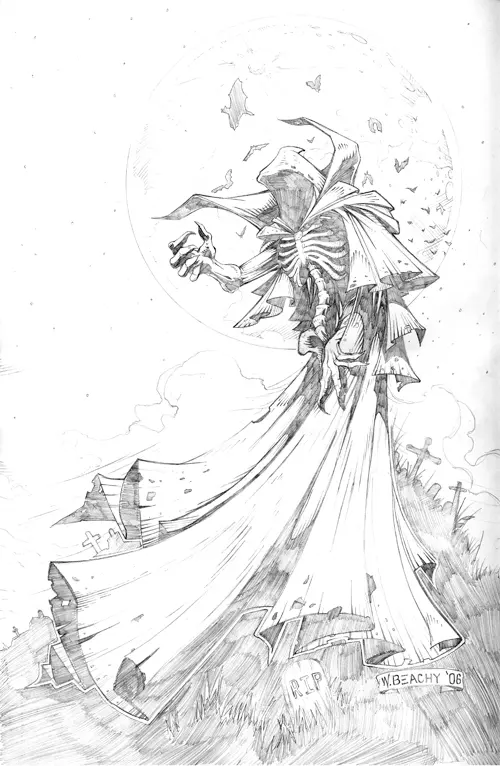
Why professional illustrators use drawing skills
Illustration relies heavily on foundational drawing skills to succeed. An illustrator must be able to render perspective, anatomy, and lighting accurately to ensure that the final message is not lost in poor execution. Even in the digital age, the ability to sketch quickly and iterate on ideas is the hallmark of a skilled illustrator. Drawing serves as the essential "thinking" phase of the illustration process, allowing the artist to solve visual problems before finalizing the artwork.
Many professionals maintain a separation between their personal drawing practice and their commercial illustration work. This distinction is vital for creative health:
- Drawing allows for experimentation with new styles and techniques without the pressure of a client.
- Illustration requires consistent delivery of a specific, recognizable style to satisfy client expectations.
- Drawing keeps the artist’s observational skills sharp, which directly improves the quality of their commercial illustrations.
- Illustration teaches the artist how to simplify complex ideas, which can influence the efficiency of their personal drawings.

Common mistakes when starting in illustration
A frequent error for beginners is focusing too much on technical detail while ignoring the communicative core of the piece. In illustration, a perfectly rendered hand is useless if it does not convey the specific action or emotion required by the story. Beginners often mistake "making it look pretty" for "making it work." An illustration must be legible at a glance, whereas a drawing can invite the viewer to linger and inspect fine details.
Another common mistake is failing to account for reproduction requirements. Illustrations are often printed at various sizes or displayed on different screen resolutions. If an artist creates an illustration with too many fine, muddy lines, the image may become illegible when scaled down for a book cover or a website header. Always consider the final medium during the sketching phase. If you do not plan for the constraints of the end product, your illustration will fail to communicate its message effectively regardless of how well it was drawn.
Best tools and techniques for beginners
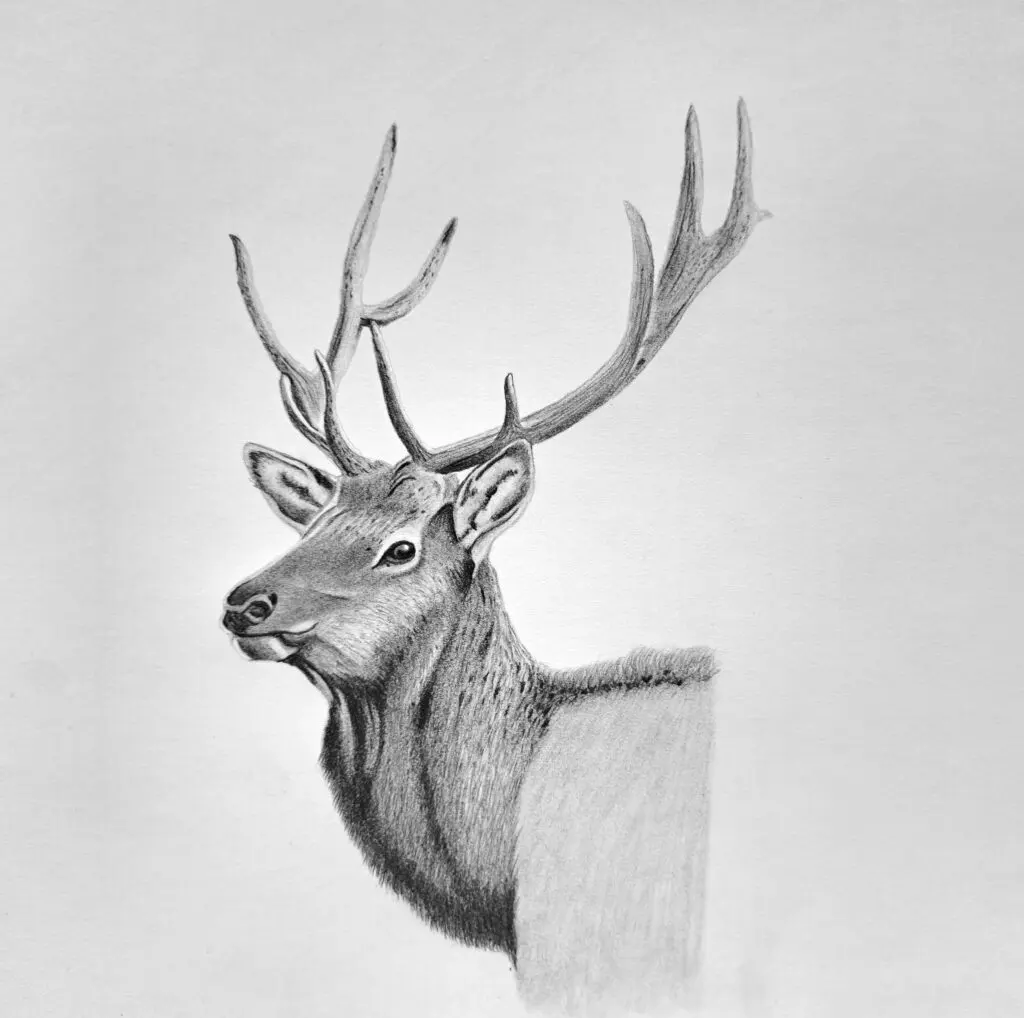
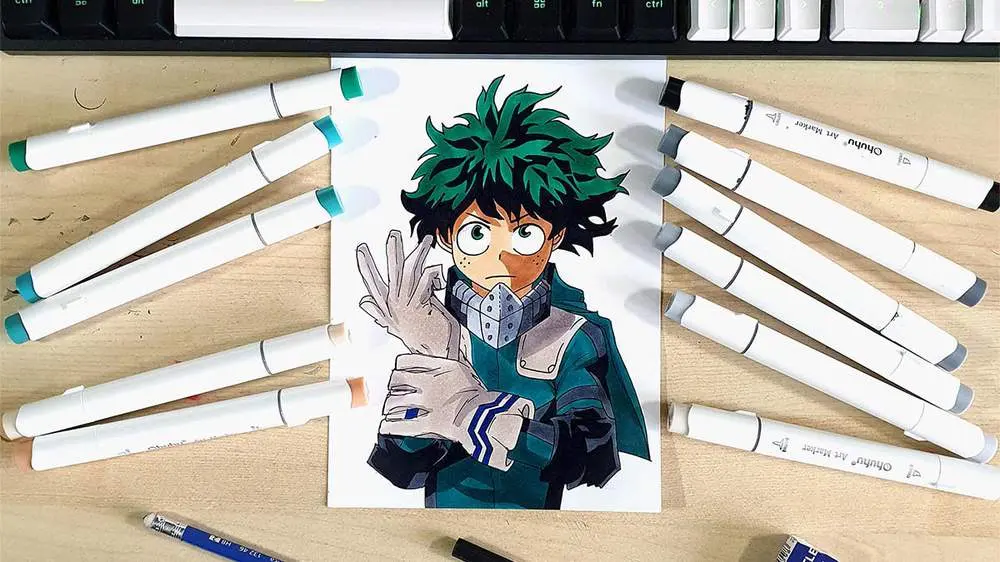
Whether you are drawing for personal growth or illustrating for a project, the tools you choose should serve your specific goal. For drawing, graphite pencils, charcoal, and sketchbooks are ideal because they allow for immediate, tactile feedback. These materials are perfect for observational studies where the goal is to understand the physical world. For illustration, markers, ink pens, and digital tablets are often preferred because they provide the clean lines and consistent output needed for professional reproduction.
- Start with a sketchbook: Use it for daily observational drawing to build your visual vocabulary.
- Practice thumbnailing: Sketch small, rough versions of your ideas to test layout and composition before committing.
- Learn digital software: If you plan to illustrate, master tools like Adobe Photoshop or Procreate to manage layers and color.
- Study composition: Learn how to lead the viewer’s eye through your image to ensure the message is clear.
- Seek feedback: Show your work to others and ask if the story or message is immediately obvious to them.
By balancing the freedom of drawing with the discipline of illustration, you can develop a versatile creative practice that satisfies both your personal artistic needs and your professional goals.
Key facts
- Drawing is primarily an act of personal expression, observation, or study, often serving as an end in itself.
- Illustration is a functional art form designed to clarify, interpret, or decorate a specific text or concept.
- A drawing can become an illustration if it is repurposed to communicate a message or sell a product.
- Illustrators often work under strict deadlines and client briefs, whereas fine artists typically set their own creative agendas.
- Technical skills like perspective and anatomy are essential for both, but illustrators must also master visual storytelling and layout.
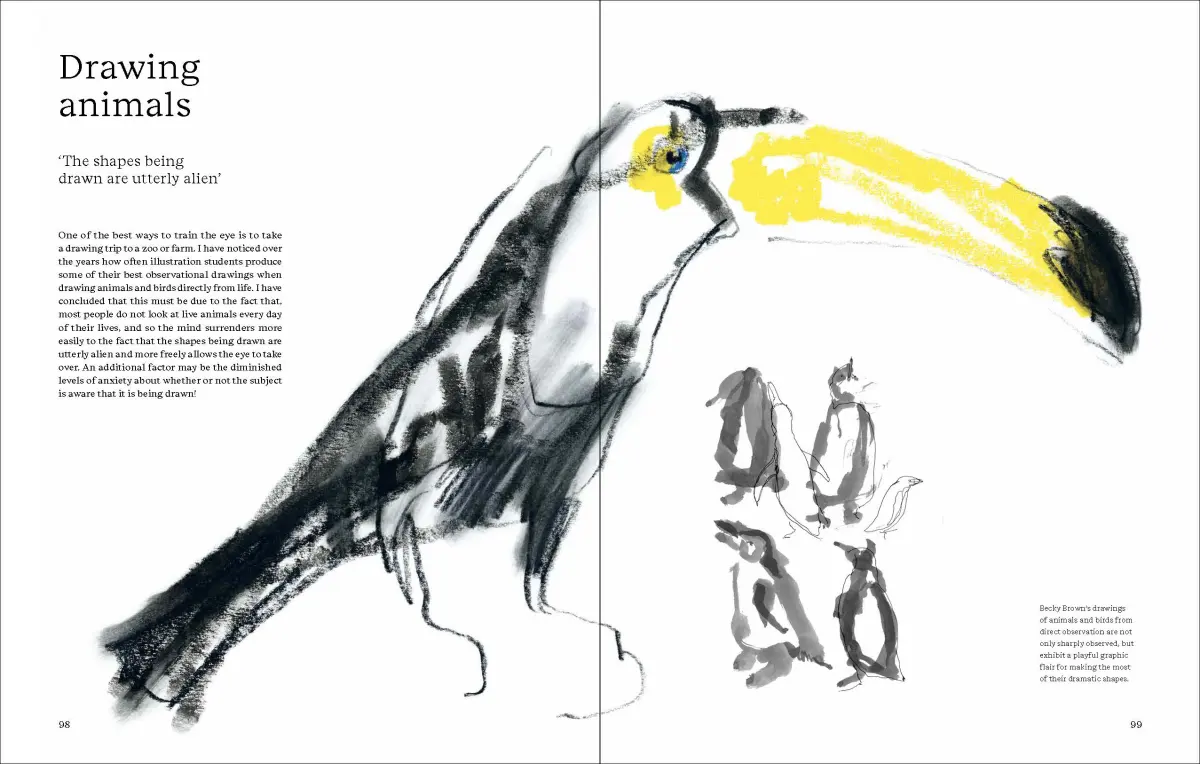
- Common mistakes include confusing the medium (pencil, ink) with the intent; charcoal can be used for both fine art and commercial illustration.
The bottom line
The primary difference between drawing and illustration is intent. Drawing is a fundamental act of mark-making used for personal exploration, study, or fine art. Illustration is a service-oriented craft, created to communicate a specific message, clarify information, or support a narrative for a commercial audience. While the technical skills required for both are identical, the illustrator must prioritize the client’s brief and the viewer’s comprehension.
People also ask
Can a drawing be considered an illustration?
Yes, if the drawing is used to accompany text or convey a specific narrative in a book, magazine, or advertisement. The distinction lies in the purpose of the work rather than the materials used.
Do illustrators need to be better at drawing than fine artists?
Neither is necessarily "better," but they require different skill sets. Illustrators must be versatile and fast, while fine artists often focus on deep conceptual exploration and personal style.
Is graphic design the same thing as illustration?
No, graphic design focuses on the arrangement of text and images to communicate a message, while illustration focuses on creating the imagery itself. They frequently overlap in modern commercial projects.
What tools do professionals use for illustration?
Professionals use a mix of traditional media like graphite, watercolor, and gouache, alongside digital tools like tablets and vector software. The choice depends on the desired aesthetic and the final output medium.
How do I start a career in illustration?
Begin by building a strong portfolio that demonstrates your ability to solve visual problems for clients. Research industry trends, practice drawing from life daily, and seek feedback from peers or mentors.
Why is context important when distinguishing between the two?
Context defines the audience and the goal of the piece. A sketch in a private journal is a drawing, but that same sketch placed on a book cover becomes an illustration.
This answer was created with the help of AI research tools and reference sources. Spotted an error? Let us know — we correct mistakes quickly. See our editorial policy.