What should I draw when I have no ideas?
Short answer
Overcoming creative blocks involves shifting from high-pressure expectations to low-stakes exercises. By utilizing structured prompts, observational studies, or technical drills, you can bypass the need for original inspiration. Drawing becomes a process of manual practice rather than conceptual invention, allowing your mind to rest while your hand stays active and engaged.
On this page
Why creative block happens
Creative block often stems from the "blank page syndrome," where the pressure to produce a masterpiece paralyzes the decision-making process. When you sit down with the intent to create something profound, your brain may freeze because the stakes feel too high. This psychological barrier is common among artists of all levels and is frequently caused by perfectionism or mental fatigue rather than a true lack of talent.
The brain requires a steady stream of input to generate output, and periods of inactivity are often just a sign that your "visual vocabulary" needs refreshing. Instead of forcing a complex composition, recognize that your creative reservoir is temporarily low. By lowering your expectations and focusing on the physical act of mark-making, you can bypass the analytical side of your brain that demands originality. Treat drawing as a mechanical skill rather than a purely expressive one to reduce the intimidation factor.
How to use drawing prompts for inspiration
When you cannot decide what to draw, external constraints act as a catalyst for action. Prompts provide a clear objective, removing the burden of choice and allowing you to focus entirely on execution. You can find thousands of free prompts online or create your own by combining a subject, an action, and a setting.
- Pick a common household object, such as a coffee mug or a pair of scissors.
- Select an unusual perspective, such as looking at the object from directly above or below.
- Choose a specific style or constraint, such as using only continuous lines or limiting your palette to three colors.
- Set a timer for ten minutes to prevent overthinking and encourage quick, decisive strokes.
This method forces you to solve specific visual problems rather than waiting for a vague "spark" of inspiration. By following these steps, you turn an abstract problem into a concrete technical exercise.
Best subjects for observational practice
Observational drawing is the most reliable way to improve your skills while eliminating the need for imagination. By drawing what is physically in front of you, you remove the conceptual work entirely. Your environment is filled with complex shapes, textures, and lighting scenarios that provide endless material for study.
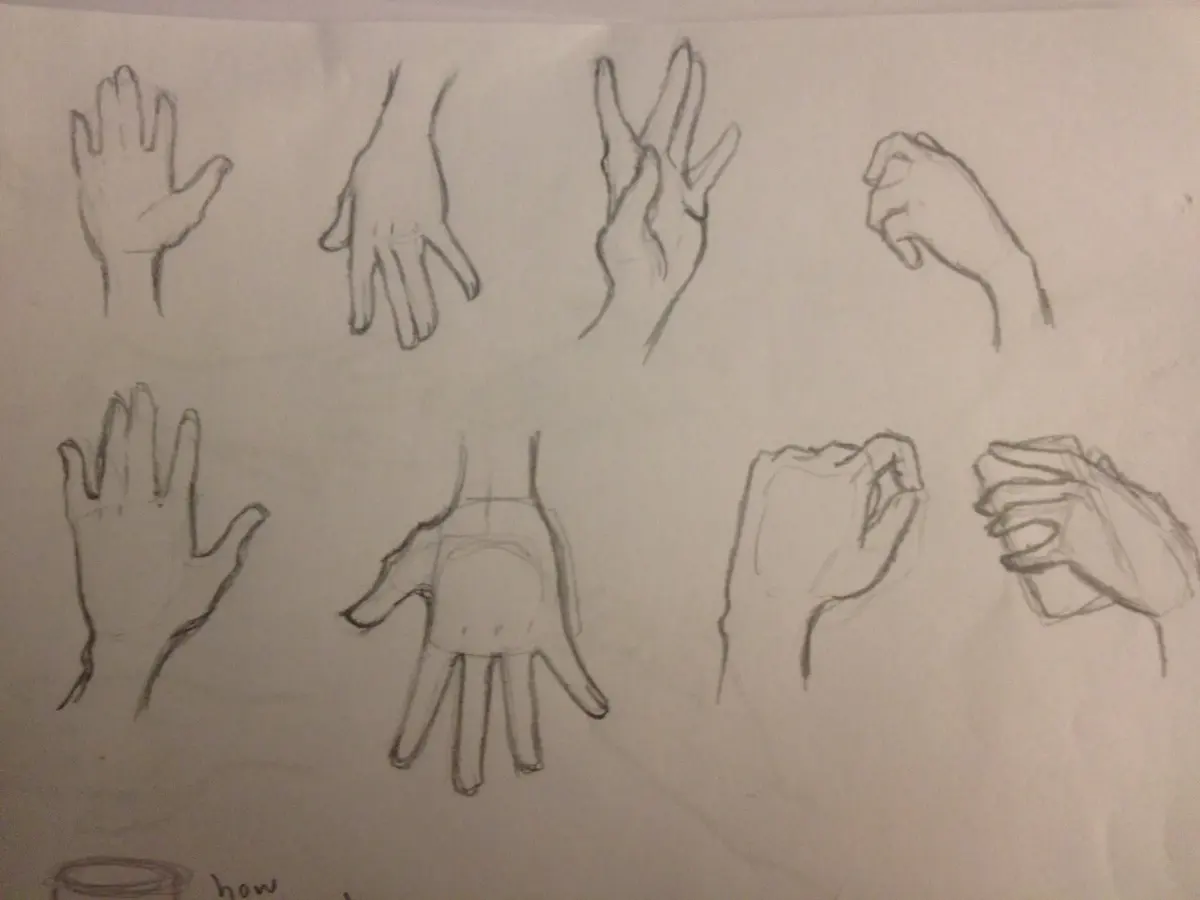
- Human anatomy: Study your own hands or feet in various positions.
- Botanical elements: Sketch house plants, fallen leaves, or fruit from your kitchen.
- Architectural details: Focus on the geometry of window frames, door hinges, or furniture legs.
- Fabric and drapery: Arrange a piece of clothing on a chair to practice capturing folds and shadows.
Focusing on these subjects helps you understand how light interacts with form. You are not trying to create a final piece of art, but rather documenting reality. This practice builds the muscle memory necessary for future, more complex projects.
Common mistakes when starting a drawing
A frequent error is attempting to draw a finished, polished illustration when you have no clear plan. This often leads to frustration when the result does not match the idealized image in your mind. Another mistake is obsessing over materials; beginners often believe that expensive paper or specialized pens will solve their lack of direction. Focus on the process, not the product, to avoid the trap of constant self-criticism.
Avoid these common pitfalls to maintain your momentum:
- Spending too much time on the initial sketch: If you spend an hour on the outline, you will be too terrified to add shading or color.
- Comparing your practice sketches to professional portfolios: Remember that social media displays only the best work, not the thousands of practice drawings done in private.
- Ignoring the importance of warm-ups: Jumping into a complex piece without loosening your hand muscles often leads to stiff, unnatural lines.
How to build a consistent drawing habit
Consistency is more important than intensity when you are struggling with ideas. By committing to a small, daily goal, you normalize the act of drawing so it becomes a routine rather than a chore. Even fifteen minutes a day can lead to significant progress over a year. Keep a dedicated sketchbook that is small enough to carry with you, ensuring you are always prepared to capture a quick study.
To maintain this habit, focus on volume over quality during your practice sessions. If you finish a drawing and dislike it, do not erase it; instead, move immediately to the next page. This practice desensitizes you to the fear of "ruining" a page and encourages a more experimental mindset. Over time, these low-pressure sessions will naturally evolve into more complex ideas, as your technical proficiency grows alongside your ability to observe the world around you with greater clarity and focus.
Key facts
- Use the "limited palette" technique by restricting yourself to only three colors to force creative problem-solving.
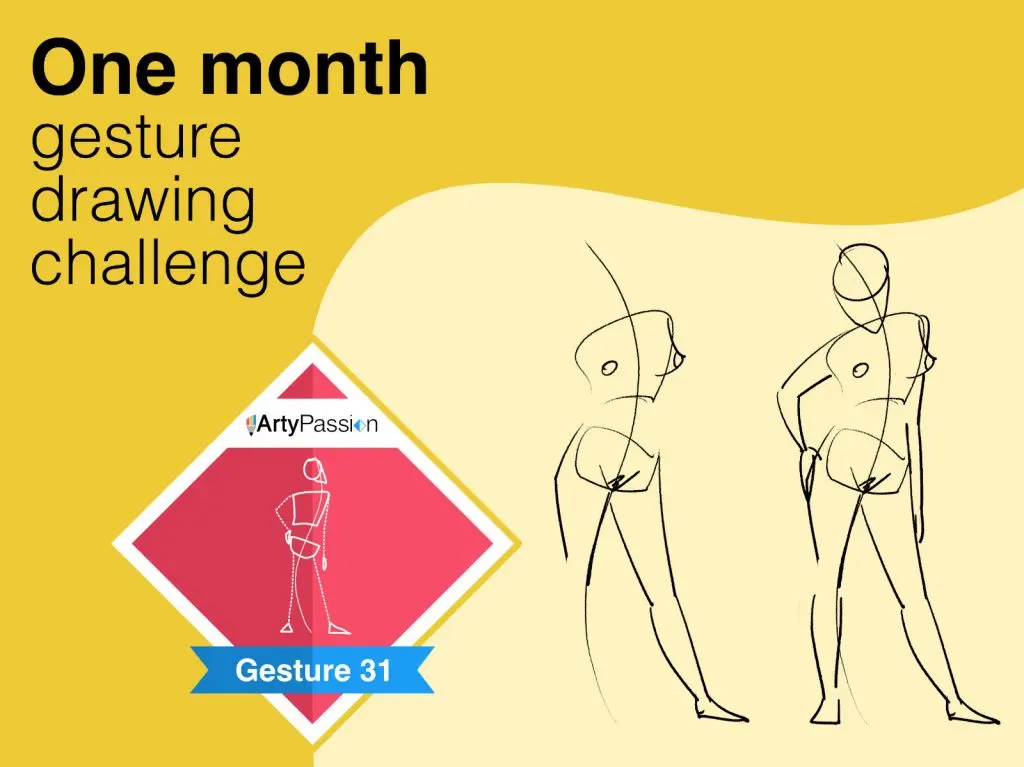
- Practice "gestural drawing" by setting a timer for 30 seconds and sketching the movement of a person or object.
- Combine two unrelated objects, such as a clock and a jellyfish, to create a unique surrealist concept.
- Draw the contents of your immediate surroundings, such as your keys, a coffee mug, or a houseplant, to practice observational skills.
- Utilize "master studies" by copying a small section of a famous painting from the Renaissance or Impressionist era to learn technique.
- Keep a "creative prompt jar" filled with slips of paper containing random settings, characters, or moods to eliminate decision fatigue.
The bottom line
When inspiration wanes, the most effective strategy is to shift your focus from creating a masterpiece to completing a simple exercise. By utilizing constraints like time limits, limited color palettes, or observational studies, you bypass the pressure of perfectionism. Remember that artistic growth relies on consistent practice rather than constant bursts of genius. Embrace the process, learn from your mistakes, and keep your pencil moving daily.
People also ask
How do I overcome the fear of a blank page?
Start by making random marks, scribbles, or geometric shapes anywhere on the paper to break the intimidation of the white space. You can also apply a light wash of watercolor or charcoal to the page first to remove the starkness.
Is it better to draw from imagination or from life?
Drawing from life is the most effective way to build your visual library and understand light, form, and perspective. Once you have mastered realistic representation, you can more easily manipulate those elements to create believable images from your imagination.
How long should I spend on a single drawing when I am stuck?
Limit your session to 15 or 30 minutes to prevent frustration and burnout. Setting a short time constraint forces you to prioritize the most important shapes and lines rather than getting lost in unnecessary details.
Should I use reference photos if I have no ideas?
Using references is a standard practice for professional artists and is not considered cheating. Websites like Unsplash or Pinterest provide high-quality images that can serve as the foundation for your own creative interpretation.
What is the best way to develop a consistent drawing habit?
Focus on frequency rather than duration by committing to drawing for just 10 minutes every day. Consistency builds muscle memory and reduces the mental resistance that often occurs when you try to start a large, complex project.
What should I do if my drawings do not look the way I want?
Accept that every artist produces work they dislike as part of the learning process. Focus on the specific skill you are practicing, such as shading or anatomy, rather than judging the final aesthetic quality of the piece.
This answer was created with the help of AI research tools and reference sources. Spotted an error? Let us know — we correct mistakes quickly. See our editorial policy.