What is a sketchbook used for?
Short answer
A sketchbook is a portable collection of blank pages used by artists, designers, and thinkers to record observations, develop concepts, and practice technical skills. It serves as a private laboratory for creative experimentation, allowing users to document visual ideas, refine compositions, and track personal progress without the pressure of producing finished work.
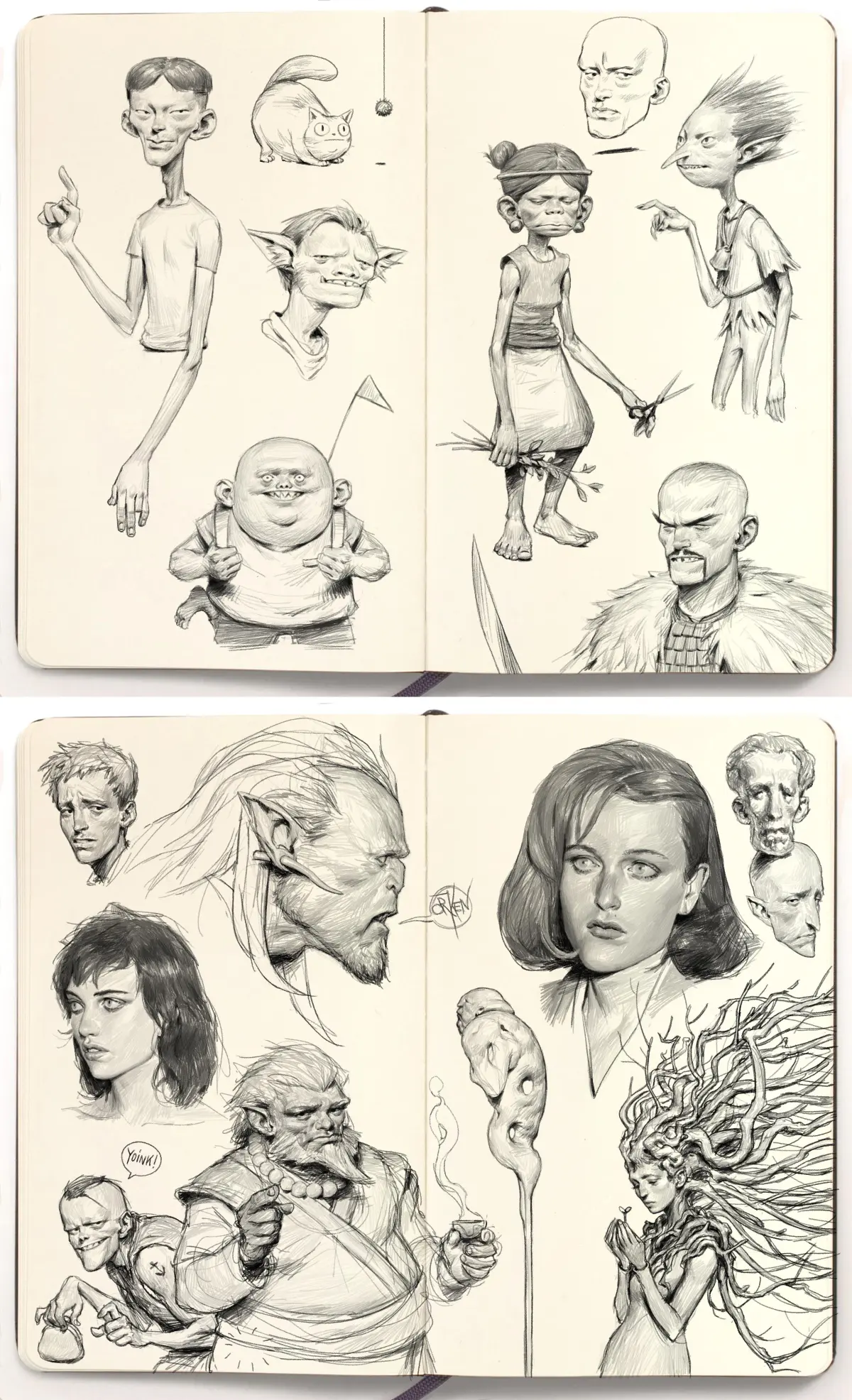
On this page
Why do artists use sketchbooks?
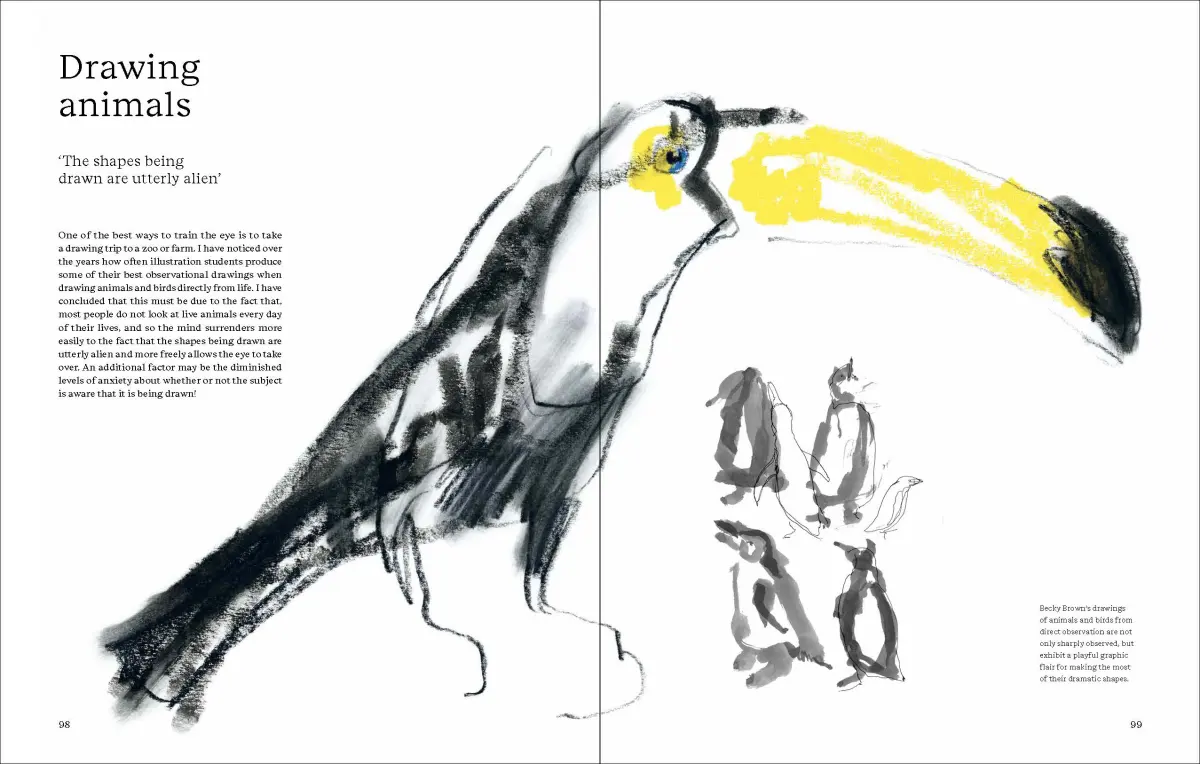
A sketchbook functions as a visual diary, capturing the fleeting thoughts and observations that might otherwise be lost. For professional artists like Leonardo da Vinci, whose notebooks from the late 15th and early 16th centuries remain famous, these volumes were essential for documenting anatomical studies, mechanical inventions, and architectural plans. By keeping ideas in one place, artists create a comprehensive archive of their creative evolution over time.
Beyond simple documentation, the sketchbook acts as a low-stakes environment for risk-taking. Because these pages are often private, they provide a safe space to experiment with new mediums, color palettes, or subject matter without the fear of public judgment. This freedom encourages the "doodling" process, which is often where the most innovative ideas originate. When an artist is not worried about the final result, they are more likely to push boundaries and discover unique stylistic signatures.
How to start a sketchbook for beginners
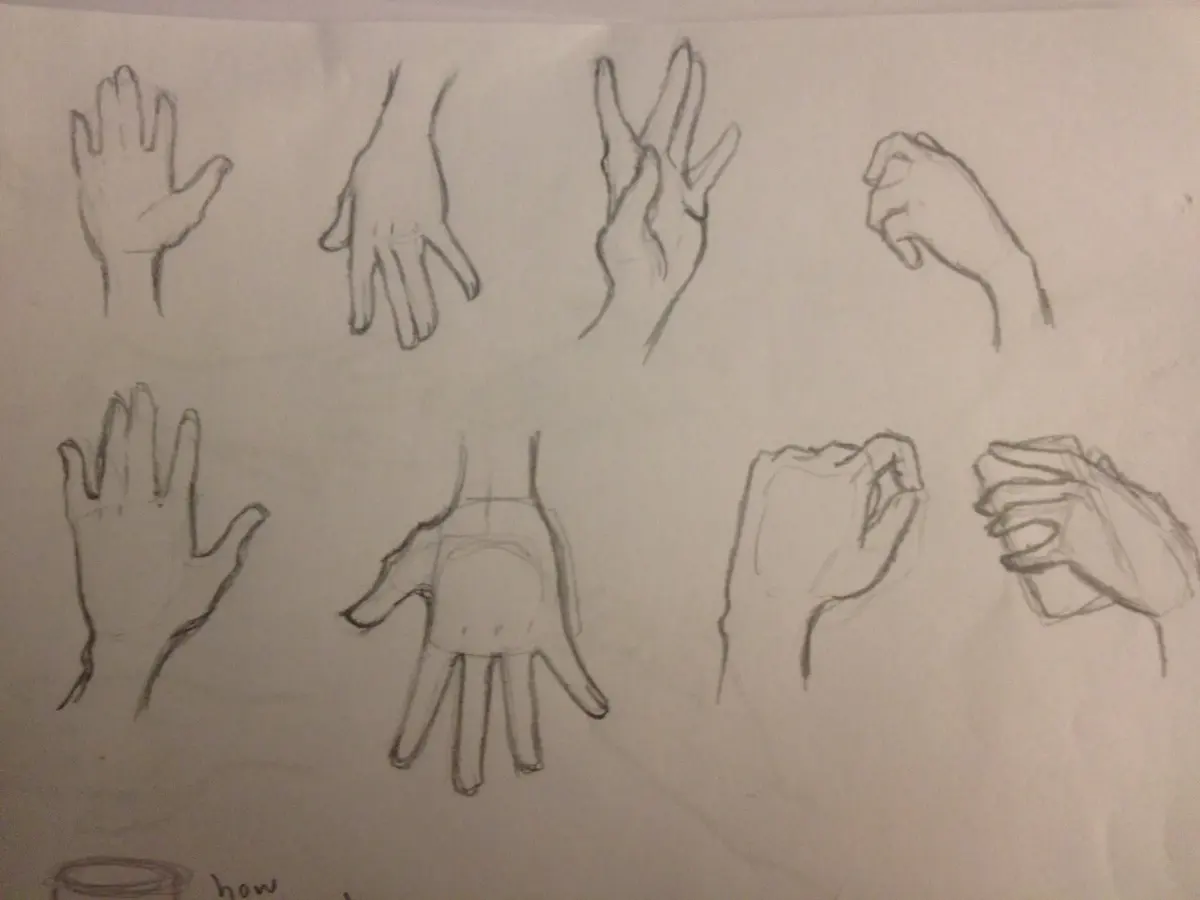
Starting a sketchbook can feel intimidating, but the goal is consistency rather than perfection. Beginners should focus on low-pressure exercises to build a daily habit, such as drawing objects found on a desk or sketching people in a public park. The objective is to normalize the act of mark-making so that the sketchbook becomes a natural extension of one's creative routine.
To begin your practice, follow these simple steps:
- Choose a portable, durable sketchbook that fits comfortably in your bag.
- Select a reliable drawing tool, such as a graphite pencil or a fine-liner pen, to minimize setup time.
- Dedicate just five to ten minutes each day to drawing, regardless of whether the output feels successful.
- Date your pages to track your growth and provide context for your future self.
By keeping the barrier to entry low, you ensure that you can pick up your book whenever inspiration strikes, rather than waiting for the "perfect" moment to create.
What are the different types of sketchbooks?
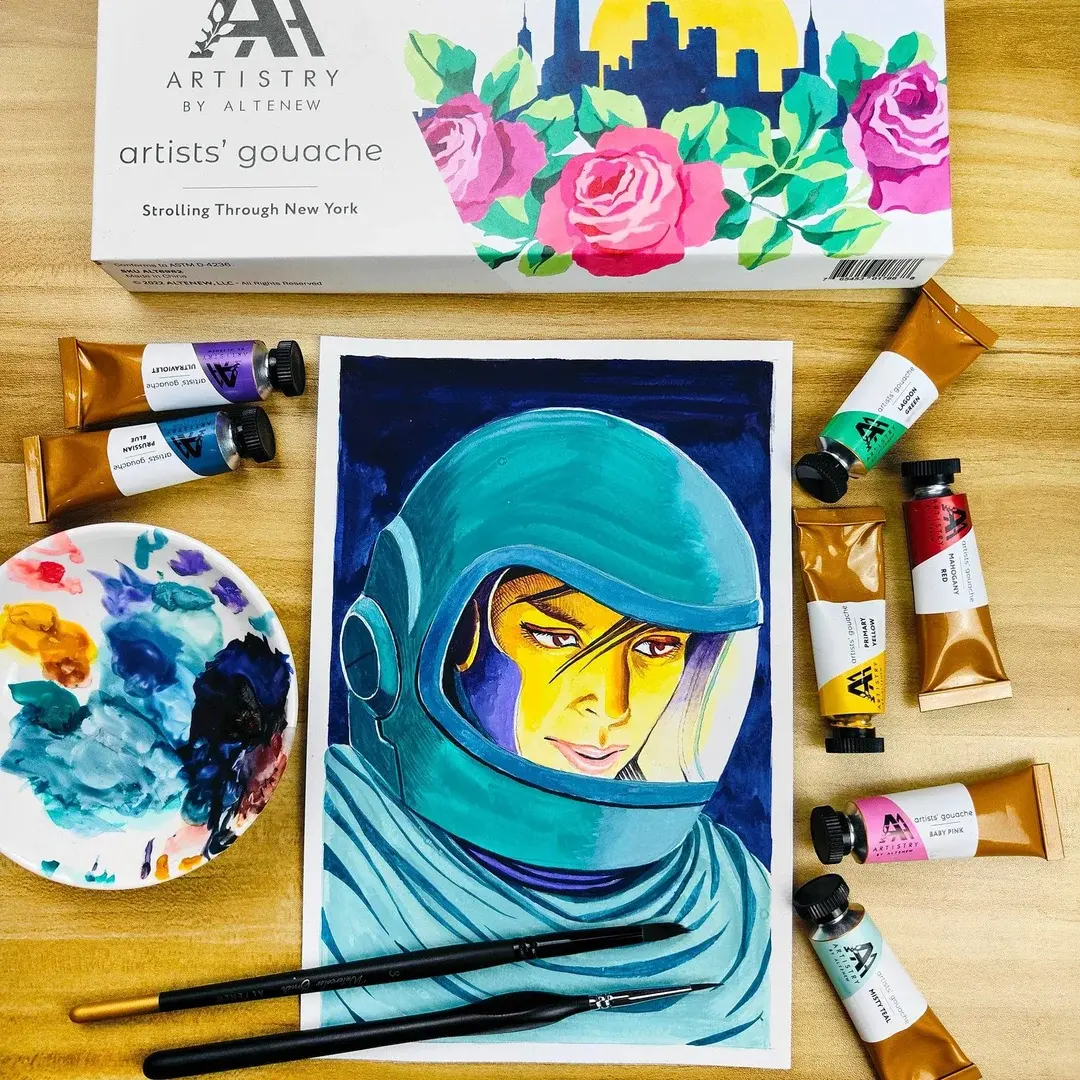
Choosing the right sketchbook depends largely on the medium you intend to use. Paper weight, measured in grams per square meter (gsm), is a critical factor; standard drawing paper usually falls between 80gsm and 120gsm, which is suitable for dry media like charcoal, pencil, and ink. If you plan to use watercolors or markers, you will need heavier paper, typically 200gsm or higher, to prevent the pages from buckling or bleeding through.
The binding method also influences the user experience. Spiral-bound books allow the pages to lay completely flat, which is ideal for scanning or working across a two-page spread. Case-bound or sewn sketchbooks offer a more professional, book-like aesthetic and are generally more durable for long-term storage. Consider these common options:
- Hardcover sketchbooks: Provide a sturdy surface for drawing while standing or traveling.
- Softcover journals: Lightweight and flexible, perfect for carrying in a pocket.
- Mixed-media pads: Versatile paper that handles both dry and wet media effectively.
- Toned paper sketchbooks: Features gray or tan pages, which help artists focus on highlights and mid-tones.
Common mistakes when using a sketchbook
One of the most frequent errors is the "fear of the blank page," where the pressure to create something beautiful prevents any work from being done. Many beginners treat their sketchbook like a museum gallery, feeling that every mark must be a masterpiece. This mindset is counterproductive; a sketchbook is a tool for learning, and mistakes are a necessary part of that process. If a drawing turns out poorly, simply turn the page and continue.
Another common mistake is failing to carry the sketchbook consistently. If the book is left at home, it cannot capture the spontaneous moments of inspiration that occur throughout the day. Furthermore, some users neglect to experiment with different techniques, sticking strictly to one medium or subject. To maximize the utility of your sketchbook, try to vary your approach:
- Avoid the urge to erase every mistake; sometimes, an incorrect line provides a better sense of movement or structure.
- Do not feel obligated to fill every inch of the page; negative space is a valuable design element.
- Avoid using low-quality materials that frustrate your process, such as pens that skip or paper that tears easily.
How to organize a sketchbook effectively
While some artists prefer a chaotic, stream-of-consciousness approach, others find that organizing their sketchbook leads to more productive results. You can categorize your work by project, date, or theme, which makes it easier to reference specific ideas later. Some individuals use index tabs or a simple table of contents at the front of the book to quickly locate sketches from months or years prior.
For those who want to turn their sketchbook into a more structured resource, consider these strategies:
- Create a "reference bank" at the back of the book for color swatches, texture samples, or notes on technique.
- Use a consistent layout style for daily entries, such as placing the date and location in the top corner of every page.
- Integrate written notes or journal entries alongside your drawings to provide context about what you were thinking at the time.
- Periodically review your early pages to identify recurring themes or patterns in your work, which can help you refine your artistic focus.
By treating your sketchbook as a living document, you transform it from a simple pad of paper into a powerful engine for your creative development.
Key facts
- A sketchbook serves as a portable repository for visual ideas, observations, and technical practice.
- Artists often use them to capture "gestures," which are quick, 30-second sketches that build muscle memory.
- Using archival-quality, acid-free paper prevents sketches from yellowing or degrading over time.
- Many professionals use different weights of paper, typically measured in grams per square meter (gsm), to handle various media like ink or watercolor.
- Leonardo da Vinci famously filled dozens of notebooks with anatomical studies and engineering designs, proving the value of the practice.
- Keeping a sketchbook helps overcome "blank page syndrome" by providing a low-pressure space to make mistakes.
The bottom line
A sketchbook is an essential tool for any creative individual, acting as a private laboratory for experimentation and observation. By prioritizing consistent practice over perfection, you transform the book into a living record of your artistic development. Whether you are capturing quick life studies or planning complex projects, the sketchbook remains the most effective way to refine your technical skills and document your unique perspective on the world.
People also ask
What is the difference between a sketchbook and a journal?
A sketchbook is primarily focused on visual documentation, such as drawings, diagrams, and color studies. A journal is typically centered on written entries, reflections, and personal narrative, though many people combine both in a practice called "art journaling."
Should I use a hardbound or spiral-bound sketchbook?
Hardbound books offer a professional look and better protection for your work, making them ideal for long-term archiving. Spiral-bound books are more practical for daily practice because they lie completely flat and allow you to fold the cover back for easier sketching on the go.
How do I choose the right paper weight?
For dry media like graphite or charcoal, a standard 80–100 gsm paper is sufficient. If you plan to use wet media like watercolor or markers, choose paper that is at least 200–300 gsm to prevent the pages from buckling or bleeding through.
Is it better to draw in ink or pencil?
Pencil is ideal for beginners because it allows for easy corrections and tonal shading. Ink encourages confidence and permanence, helping you learn to commit to your marks without the temptation to erase.
How often should I draw in my sketchbook?
There is no strict rule, but drawing for 10 to 15 minutes daily is more effective than a single three-hour session once a week. Consistency builds observation skills and helps you track your artistic progress over time.
What are common mistakes beginners make?
A common mistake is feeling that every page must be a "masterpiece," which leads to perfectionism and creative blocks. Another error is using low-quality materials that make drawing frustrating, such as paper that tears easily or pens that skip.
This answer was created with the help of AI research tools and reference sources. Spotted an error? Let us know — we correct mistakes quickly. See our editorial policy.