What is portrait photography?
Short answer
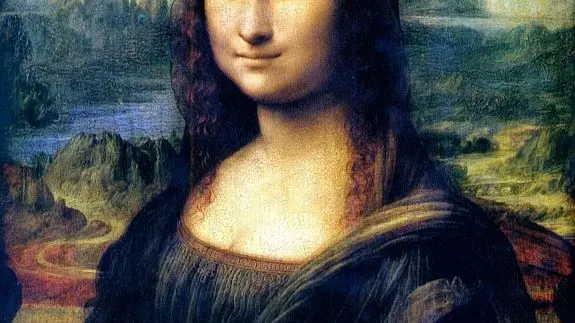
Portrait photography is the art of capturing the personality, identity, and essence of a person or group through visual imagery. By utilizing lighting, composition, and focus, photographers highlight the subject’s unique features and expressions. It serves as a medium for artistic expression, historical documentation, and personal storytelling across various professional and casual contexts.
On this page
What is the purpose of portrait photography?
Portrait photography aims to reveal the character of a subject rather than simply documenting their physical appearance. While a standard snapshot records what a person looks like, a portrait seeks to convey emotion, status, or a specific narrative. Photographers often manipulate the environment and lighting to suggest a mood, whether it is professional, candid, or dramatic.
This genre encompasses a wide range of styles, from formal studio headshots used for corporate identification to environmental portraits that capture individuals within their natural workspaces or homes. Throughout history, figures like Julia Margaret Cameron and Yousuf Karsh used the medium to immortalize the psychological depth of their subjects. Today, the practice remains essential for journalism, fashion, and personal branding, serving as a bridge between the viewer and the subject's inner world.
How to take a professional portrait
Achieving a professional-looking portrait requires careful attention to technical settings and communication with the subject. The goal is to isolate the person from the background while ensuring the eyes remain sharp and expressive. Most professional portraits utilize a shallow depth of field to create a soft, blurred background, known as bokeh, which keeps the focus entirely on the subject.
- Select a lens with a focal length between 85mm and 135mm to minimize facial distortion.
- Position the subject away from the background to enhance separation and depth.
- Set your aperture to a low f-stop, such as f/2.8, to create a pleasing blur.
- Ensure the light source hits the subject's face at an angle to create dimension through subtle shadows.
- Direct your subject to relax their shoulders and maintain a natural posture to avoid stiffness.
Best camera settings for portraits
Mastering camera settings is crucial for achieving consistent results in varying lighting conditions. For most portrait work, photographers prioritize aperture control to manage how much of the frame is in focus. A wide aperture is standard for portraits because it emphasizes the subject while softening distracting elements in the environment.
- Shutter speed: Keep this at least double your focal length to prevent motion blur from camera shake.
- ISO: Use the lowest setting possible, typically 100 or 200, to ensure maximum image clarity and minimal digital noise.
- Focus mode: Utilize continuous autofocus or eye-tracking features to ensure the subject’s eyes remain the sharpest point of the image.
- White balance: Adjust this manually to match the color temperature of your light source, ensuring skin tones appear natural and healthy.
Common mistakes when shooting portraits
Many beginners struggle with lighting choices that can flatten the subject's features or create unflattering shadows. A frequent error is placing the subject directly under harsh, midday sunlight, which causes deep, dark shadows under the eyes and nose. Instead, photographers should seek out soft, diffused light, such as that found in the shade or on an overcast day.
Another common mistake is failing to engage with the subject, resulting in expressions that look forced or uncomfortable. If the subject feels awkward, the camera will record that tension. Photographers should provide clear, encouraging feedback throughout the session to build rapport. Additionally, neglecting to check the background for distracting objects—like poles or signs that appear to grow out of the subject’s head—can ruin an otherwise technically perfect shot. Always scan the edges of your frame before pressing the shutter button.
How to edit portrait photographs
Post-processing is the final stage of portrait photography, used to refine the image without compromising the subject's natural appearance. The primary goal is to enhance the existing light and colors while removing temporary skin blemishes or distracting background elements. Over-editing is a significant pitfall; excessive smoothing can make a person look artificial or "plastic," which undermines the authenticity of the portrait.
Focus your editing efforts on subtle adjustments to contrast, exposure, and color balance. You might choose to slightly brighten the eyes or adjust the highlights on the skin to add a sense of life to the image. Professional editors often use localized adjustments to brighten the face while slightly darkening the background, which naturally draws the viewer's eye to the subject. By keeping edits minimal and respectful of the subject's true likeness, you ensure the final result remains a timeless and honest representation of the individual.
Key facts
- Portrait photography focuses on capturing the personality, identity, and mood of a subject through lighting, posing, and composition.
- The "rule of thirds" is a fundamental technique where the subject’s eyes are placed along the top horizontal grid line to create a natural, engaging look.
- A portrait lens typically has a focal length between 85mm and 135mm to minimize facial distortion and create a flattering compression of features.
- Aperture settings between f/1.8 and f/2.8 are commonly used to create a shallow depth of field, effectively blurring the background to isolate the subject.
- Direct eye contact with the camera lens builds an immediate, intimate connection between the subject and the viewer.
- Avoid placing the subject directly against a wall; stepping them forward creates depth and prevents harsh shadows from appearing behind them.
The bottom line
Portrait photography is an art form centered on revealing the essence of a person through technical precision and human connection. By mastering focal lengths, aperture control, and soft lighting, you can transform a simple photograph into a compelling narrative. The ultimate goal is to capture a genuine moment that resonates with the viewer, proving that the most successful portraits are those that feel both intentional and authentic.
People also ask
What is the best lighting for portraits?
Soft, diffused light is generally considered the most flattering for human skin. Photographers often use large windows, overcast skies, or light modifiers like softboxes to minimize harsh shadows and blemishes.
How do I make a subject feel comfortable during a shoot?
Communication is essential; provide clear, gentle direction and maintain a conversational tone throughout the session. Encouraging natural movement rather than rigid, static poses often results in more authentic expressions.
Should I use a flash for portrait photography?
Flash can be highly effective, especially when balanced with ambient light to fill in shadows under the eyes or nose. Professional photographers often use off-camera flash to create more three-dimensional, dramatic lighting setups.
What is a "headshot" versus a "portrait"?
A headshot is a specific type of portrait typically cropped from the chest up, used primarily for professional branding or acting portfolios. A portrait is a broader term that can include full-body shots and environmental storytelling.
How do I choose the right background for a portrait?
The background should complement the subject without distracting from them. Simple, neutral colors or environments that provide context about the person’s life or profession are usually the most effective choices.
What are the most common mistakes beginners make?
Beginners often fail to focus sharply on the subject's eyes, which is the most critical point of engagement. Another common error is using a wide-angle lens too close to the subject, which causes unflattering facial distortion.
This answer was created with the help of AI research tools and reference sources. Spotted an error? Let us know — we correct mistakes quickly. See our editorial policy.