What is the best age for kids to start art classes?
Short answer
Children can begin formal art classes as early as age three, though developmental needs vary significantly. Between ages three and five, classes should focus on sensory exploration and fine motor skills. By age seven, children typically possess the cognitive maturity to follow structured techniques and engage in sustained, goal-oriented artistic projects.
On this page
When should kids start art classes?
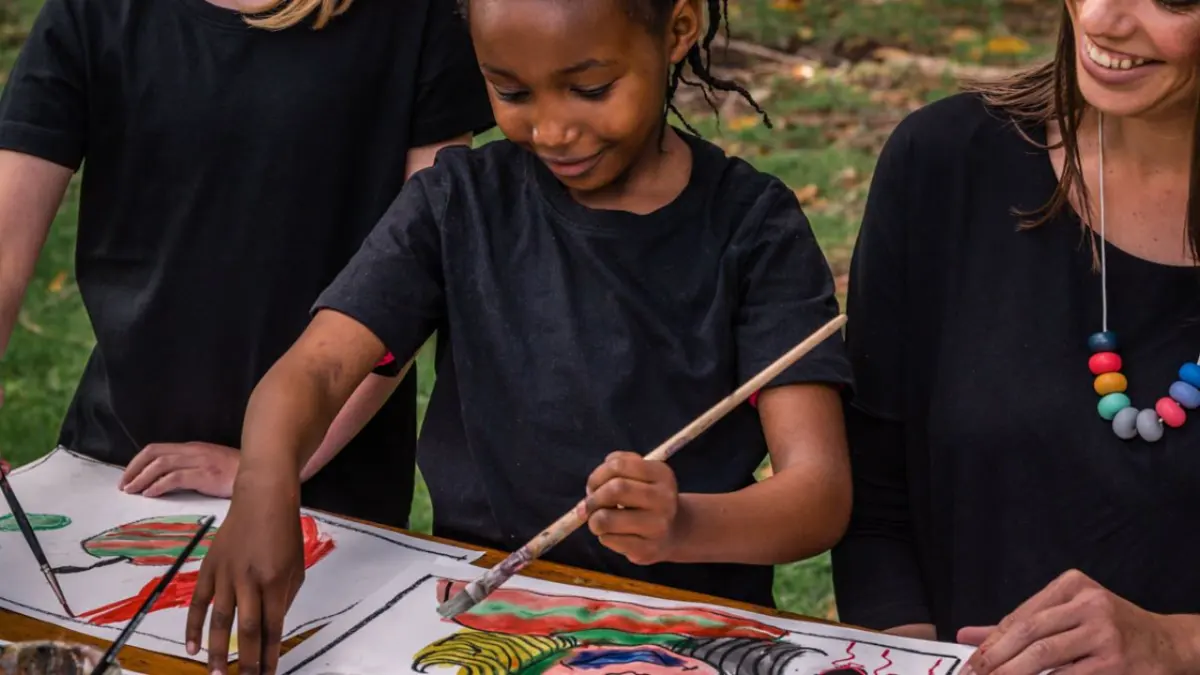
The ideal age to introduce structured art instruction depends on a child’s ability to focus and follow multi-step directions. While toddlers engage in "process art"—where the act of creating is more important than the result—formal classes usually become effective around age five or six. At this stage, children have developed the hand-eye coordination necessary to manipulate brushes, pencils, and clay with more intentionality.
Parents should observe their child’s interest level before committing to a long-term program. If a child enjoys drawing at home or shows curiosity about how colors mix, they are likely ready for a guided environment. Starting too early with rigid, technique-heavy lessons can stifle creativity, so look for programs that prioritize play and experimentation for younger students.
What are the benefits of art classes for children?
Art education provides more than just aesthetic pleasure; it is a critical tool for cognitive and emotional development. Engaging in artistic activities enhances fine motor skills, which are essential for handwriting and other daily tasks. Furthermore, art encourages problem-solving, as children must decide how to represent their ideas visually or fix a mistake in their work.
Beyond technical skills, art classes offer significant social and psychological advantages. They provide a safe space for self-expression, allowing children to process complex emotions through color and form. In a classroom setting, students learn to appreciate diverse perspectives by observing their peers' unique interpretations of the same assignment.
- Improved spatial reasoning and visual-perceptual skills.
- Enhanced patience through the completion of multi-stage projects.
- Increased confidence gained from presenting finished work.
- Better understanding of cultural history and visual communication.
How to choose the right art program?
Selecting the correct class requires balancing the child's personality with the instructor's teaching style. For younger children, look for classes that emphasize sensory experiences, such as finger painting or collage, rather than formal drawing techniques. As children grow older, they may benefit from specialized courses focusing on specific mediums like watercolor, charcoal, or digital illustration.
When evaluating potential studios, consider the following criteria:
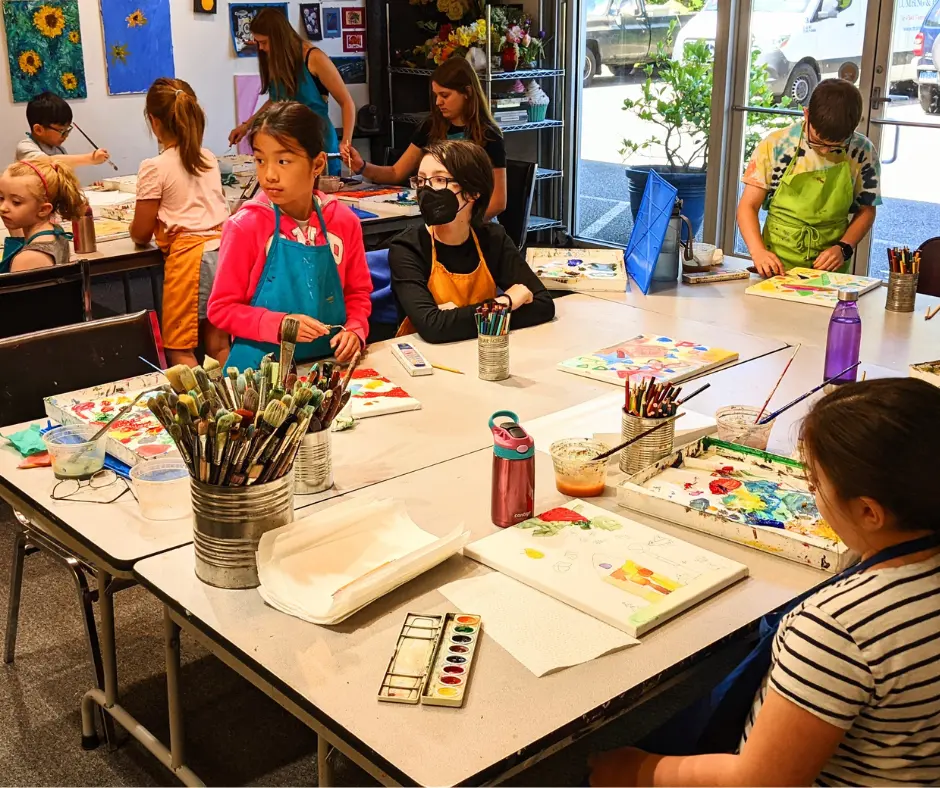
- Class size: Smaller groups allow for individualized attention and feedback.
- Curriculum balance: Ensure the program offers a mix of guided instruction and creative freedom.
- Instructor credentials: Look for teachers who have experience in both art practice and child development.
- Atmosphere: The environment should feel encouraging rather than overly competitive or rigid.
Common mistakes when starting art classes
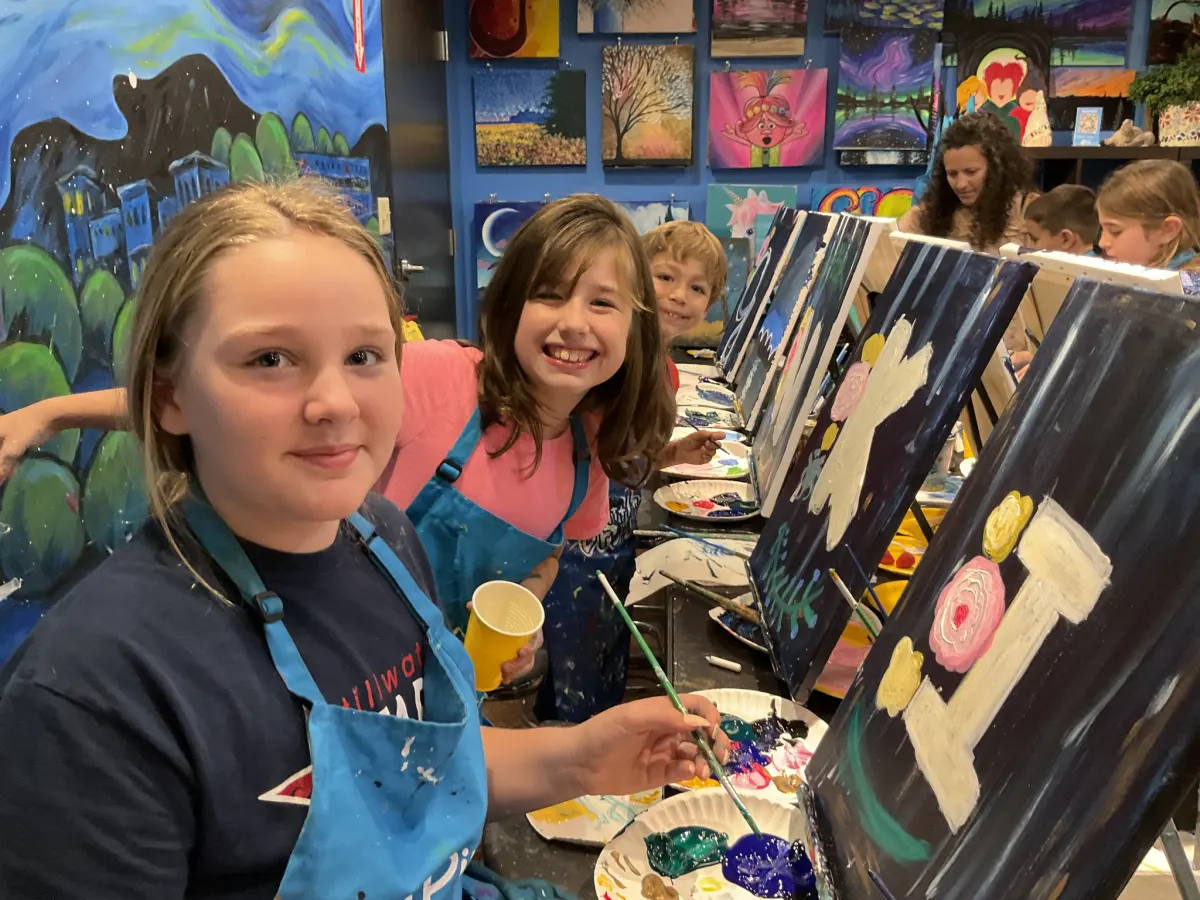
A frequent error parents make is prioritizing the final product over the child’s learning process. When adults focus too heavily on whether a drawing looks "realistic," it can discourage children from taking risks or experimenting with their own style. It is vital to celebrate the effort and the creative choices made during the session rather than just the finished result.
Another mistake is over-scheduling a child, which can turn a creative outlet into a source of stress. Art should remain an enjoyable escape, not another chore on a busy calendar. If a child seems resistant or bored, it may be time to switch mediums or take a break. Forcing a child to continue a specific class when they have lost interest often leads to a long-term aversion to artistic pursuits.
How to support artistic growth at home?
Formal classes are most effective when supplemented by a supportive home environment. You do not need a dedicated studio to foster creativity; simply providing a consistent space with accessible supplies can make a significant difference. Keep a variety of materials available, such as construction paper, markers, oil pastels, and modeling clay, so your child can create whenever inspiration strikes.
Encourage your child by asking open-ended questions about their work, such as "Tell me about the colors you chose" instead of "What is this supposed to be?" This validates their creative process and encourages them to explain their artistic intent. By valuing their work as a legitimate form of communication, you help them develop the confidence to continue exploring their artistic identity throughout their formative years and beyond.
Key facts
- Children can begin exploring art materials as early as 18 months, focusing on sensory experiences rather than finished products.
- Formal instruction in techniques like color theory or perspective is most effective starting between ages 7 and 9.
- Preschoolers aged 3 to 5 benefit most from process-oriented classes that emphasize creativity over rigid structure.
- Engagement with art improves fine motor skills, which are essential for handwriting and other academic tasks.
- Avoid classes that require children to copy a teacher's exact model, as this can stifle individual expression.
- Look for programs that provide a variety of mediums, such as clay, watercolor, and collage, to keep young students interested.
The bottom line
There is no single "best" age to start art classes, as the ideal approach evolves with your child’s development. Focus on sensory play for toddlers and transition to structured skill-building once they reach elementary school. Prioritize programs that celebrate the creative process and individual expression. By keeping the experience low-pressure and fun, you will help your child develop a lifelong appreciation for art and creative thinking.
People also ask
Should I worry if my child makes a mess during art class?
Messiness is a natural and necessary part of the creative process for young children. It allows them to explore textures and spatial relationships without the pressure of achieving a perfect result.
How long should an art class be for a toddler?
Classes for toddlers and preschoolers should be short, typically lasting between 30 and 45 minutes. Young children have limited attention spans, and shorter sessions keep the experience fun rather than overwhelming.
Is it better to have private lessons or group classes?
Group classes are generally better for young children because they foster social interaction and peer inspiration. Private lessons are more appropriate for older students who want to master specific technical skills.
What supplies should I have at home for a budding artist?
Keep basic, non-toxic supplies like thick crayons, washable markers, construction paper, and glue sticks accessible. Providing a dedicated space for creativity encourages daily practice and experimentation.
How can I tell if an art teacher is good for my child?
A high-quality instructor encourages questions, praises effort over talent, and allows children to deviate from the lesson plan. Observe a trial class to ensure the environment feels supportive and inclusive.
Does art class help with school performance?
Yes, art education is linked to improved critical thinking, problem-solving abilities, and emotional regulation. These cognitive benefits often translate into better performance across other academic subjects like math and science.
This answer was created with the help of AI research tools and reference sources. Spotted an error? Let us know — we correct mistakes quickly. See our editorial policy.