What is a foundation year in art school?
Short answer
A foundation year is an intensive, one-year preparatory course designed to bridge the gap between secondary education and specialized undergraduate art degrees. It provides students with a broad exploration of various creative disciplines, helping them build a professional portfolio, develop critical thinking skills, and determine their specific artistic focus before committing to a degree.
On this page
What is a foundation year in art school?
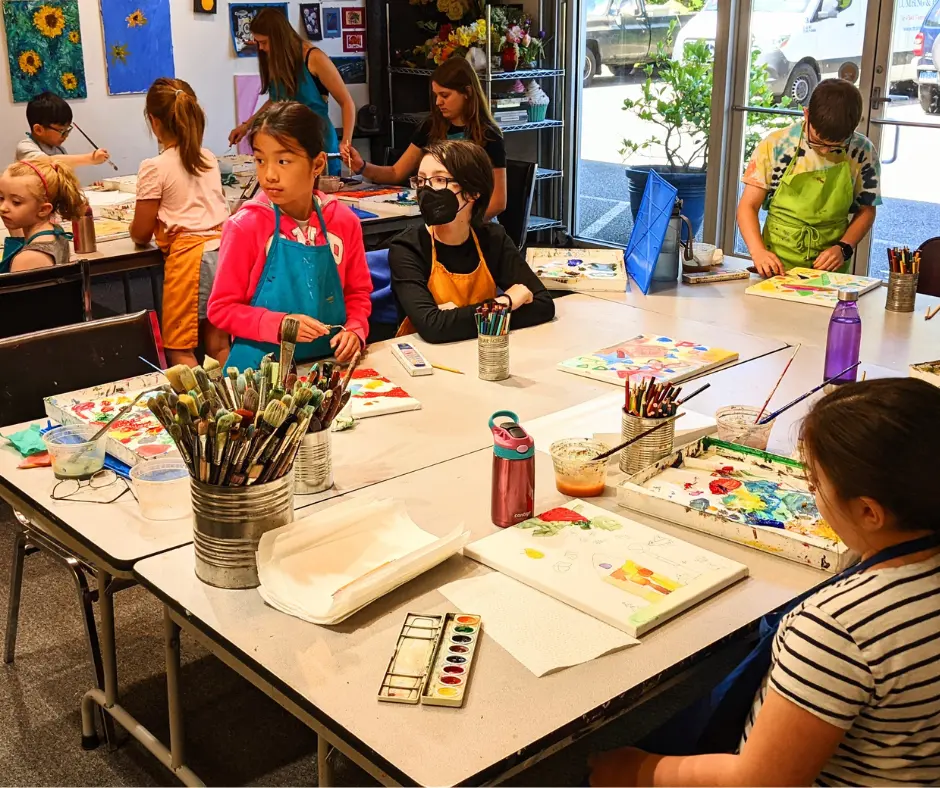
A foundation year, often referred to as a Foundation Diploma in Art and Design, serves as a diagnostic period for aspiring artists. Unlike specialized bachelor’s programs, this year encourages students to experiment across multiple media, including fine art, graphic design, fashion, textiles, and 3D design. By moving away from the rigid structure of high school art, students learn to approach creative problems through research, experimentation, and iterative processes.
The curriculum typically transitions from structured workshops to independent project work. Students are introduced to the "creative process," which emphasizes that the journey of making is as significant as the final product. This period is essential for those who are unsure about their specific career path or those who need to improve their technical skills to meet the rigorous entry requirements of top-tier art universities.
How long does a foundation year take?
Most foundation programs are full-time courses lasting one academic year, typically spanning nine months from September to June. Because the program is immersive, students are expected to spend significant time in the studio outside of scheduled lectures. This intensity mimics the professional environment of a working artist, requiring high levels of self-discipline and time management.
- Autumn term: Focuses on diagnostic exploration and skill-building workshops.
- Winter term: Involves specialized projects where students narrow their focus.
- Spring term: Dedicated to the Final Major Project (FMP), which serves as the capstone.
- Summer term: Final assessment and portfolio preparation for degree applications.
The pace is intentionally fast to prepare students for the demands of a three-year undergraduate degree. Completing this year ensures that when a student eventually enters their chosen major, they possess the technical vocabulary and studio habits necessary to excel immediately.
Why do students choose a foundation year?
Many students enroll in a foundation year to build a competitive portfolio. Art schools look for evidence of conceptual thinking rather than just polished final pieces; a foundation year provides the environment to create this depth. It allows students to document their research, sketches, and failed experiments, which are often more valuable to admissions tutors than a single perfect painting.
- Clarification: It helps students decide if they prefer digital media over traditional crafts.
- Maturity: It provides a year of personal growth before the pressure of a degree.
- Networking: Students meet peers and faculty who provide guidance on industry standards.
- Skill Acquisition: Exposure to specialized equipment like laser cutters, looms, or darkrooms.
By the end of the year, students often have a clearer sense of their own artistic voice. This clarity prevents the common issue of switching majors halfway through a degree, saving both time and tuition money in the long run.
Common mistakes when applying for foundation years
A frequent error is treating the foundation year as a "gap year" or a secondary option. Because these programs are highly competitive, applicants must demonstrate a genuine curiosity and a willingness to be challenged. Another mistake is failing to research the specific focus of a school; some foundation programs are more fine-art oriented, while others lean toward commercial design or architecture.
When preparing your application, avoid these pitfalls:
- Submitting only "finished" work without showing your process or sketchbooks.
- Ignoring the specific entry requirements regarding English language or previous grades.
- Applying to schools that do not align with your long-term creative aspirations.
- Failing to visit the campus to see if the studio culture suits your personality.
Treat the application process with the same level of seriousness as a degree application. Admissions tutors want to see your potential for growth rather than a finished professional portfolio.
Best ways to prepare for a foundation year
To make the most of your foundation year, start by keeping a sketchbook that documents your daily observations. Do not worry about making things look beautiful; focus on recording textures, colors, and ideas that interest you. Engage with contemporary art by visiting galleries, reading design journals, and following the work of current practitioners in your field of interest.
Additionally, familiarize yourself with basic software if you are interested in digital design, such as the Adobe Creative Cloud suite. While the school will teach you these tools, having a baseline understanding allows you to focus on the conceptual aspects of your projects earlier. Finally, be prepared to receive constructive criticism. The most successful students are those who can detach their ego from their work and view feedback as a vital tool for improvement. By entering the program with an open mind and a commitment to hard work, you will maximize the value of this transformative year.
Key facts
- A foundation year is an intensive, one-year preparatory program designed to bridge the gap between secondary school and specialized undergraduate art degrees.
- Students rotate through various disciplines like fine art, graphic design, 3D design, and fashion to build a diverse portfolio for university applications.
- The curriculum focuses on "process over product," emphasizing experimentation, critical thinking, and the development of a personal creative voice.
- Most programs conclude with a final exhibition or "degree show," where students present their best work to faculty and external critics.
- Common mistakes include focusing too heavily on a single medium too early or failing to document the "sketchbook journey" that tutors value during assessments.
- Successful completion often guarantees a place on a degree course at the same institution or provides a competitive edge for applications to prestigious art schools.
The bottom line
A foundation year is a vital transition period that allows aspiring artists to explore various mediums before committing to a specialized degree. By prioritizing experimentation and portfolio development, students gain the confidence and technical proficiency required for higher education. While the workload is demanding, the experience provides an essential foundation for long-term success in the competitive creative industries, ensuring students choose the right path for their future.
People also ask
Is a foundation year mandatory for art school?
It is not strictly mandatory, but many top-tier art schools strongly recommend or require it for students who lack a specialized high school background. It provides the technical skills and portfolio depth necessary to succeed in a rigorous degree program.
How much does a foundation year typically cost?
Costs vary significantly by country and institution, often ranging from $5,000 to $20,000 for domestic students, while international fees can be higher. Many students qualify for government loans or institutional scholarships specifically earmarked for preparatory art education.
What is the difference between a foundation year and a degree program?
A foundation year is exploratory and non-specialized, whereas a degree program focuses on mastering a specific discipline like illustration or architecture. The foundation year serves as a "taster" phase to ensure the student chooses the right major for their future career.
Do I need a portfolio to apply for a foundation year?
Yes, most schools require a portfolio of your recent work to assess your creative potential and willingness to experiment. The admissions team looks for raw talent and a curious mind rather than perfectly polished professional pieces.
Can I work while studying in a foundation program?
These programs are notoriously time-consuming, often requiring 30 to 40 hours of studio work per week. While some students work part-time, it is difficult to balance a heavy studio schedule with a significant job commitment.
What happens if I decide I do not want to pursue art after the foundation year?
Many students discover that their interests lie in related fields like art history, arts administration, or creative marketing. The critical thinking and visual literacy skills gained during the year are highly transferable to many non-artistic professional sectors.
This answer was created with the help of AI research tools and reference sources. Spotted an error? Let us know — we correct mistakes quickly. See our editorial policy.