What is a sketch?
Short answer
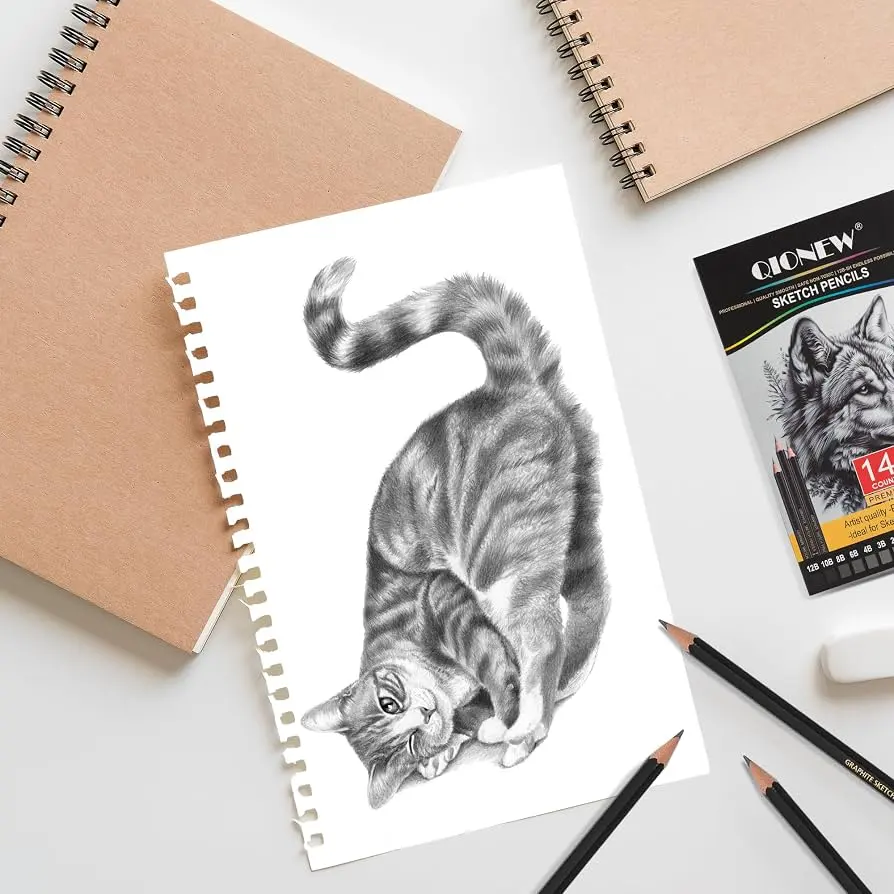
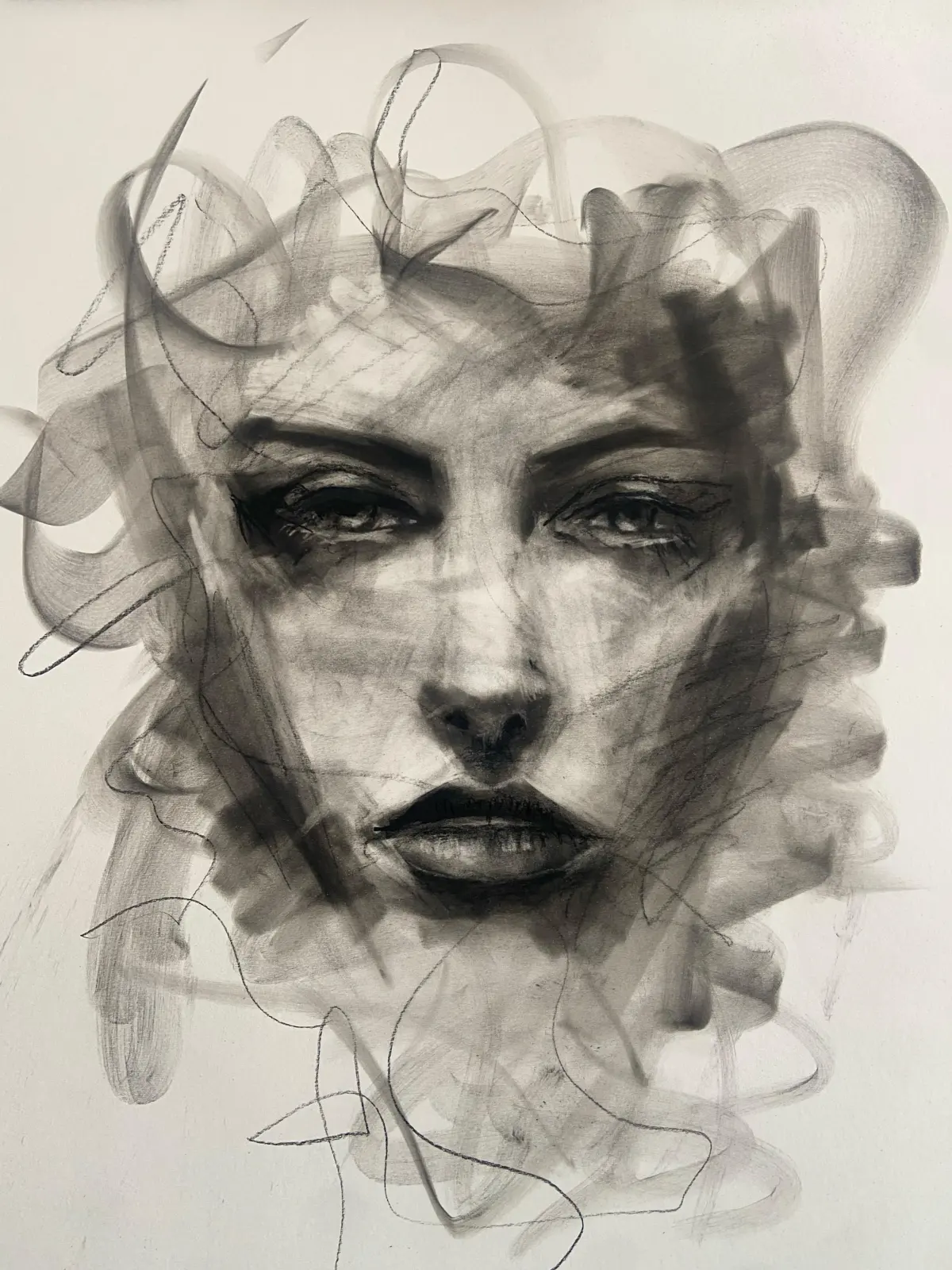
A sketch is a rapidly executed freehand drawing that captures the essential features of a subject without focusing on refined detail. Artists use sketches as preliminary studies, visual notes, or foundations for more complex works. They prioritize movement, composition, and proportion over precision, serving as a vital tool for creative development.
On this page
What is the purpose of a sketch?
A sketch functions primarily as a bridge between a fleeting idea and a finished masterpiece. By stripping away the pressure of perfection, artists can explore spatial relationships, light, and form in a low-stakes environment. Whether you are a painter planning a canvas or an architect drafting a building layout, the sketch acts as a mental map that guides the subsequent execution of your project. It is less about the final aesthetic and more about the process of observation and problem-solving.
Beyond planning, sketching is a method of visual documentation. Many historical figures, such as Leonardo da Vinci, filled notebooks with sketches to study anatomy, engineering, and botany. These drawings were not intended for public exhibition but were essential for understanding how the world functions. When you sketch, you are forced to look more closely at your subject, which improves your ability to translate three-dimensional reality onto a two-dimensional surface.
How to start a sketch for beginners
Beginning a sketch requires minimal equipment, making it one of the most accessible forms of creative expression. You do not need expensive materials to start; a simple graphite pencil and a piece of paper are sufficient. The goal is to loosen your hand and overcome the fear of the blank page. Focus on the "big shapes" rather than the intricate textures or small details that often distract novices.
Follow these steps to begin your first sketch:
- Identify the primary geometric shapes that make up your subject, such as circles, squares, or triangles.
- Lightly map out these shapes on your paper using very faint lines that can be easily erased.
- Establish the overall proportions by comparing the size of one shape to another.
- Gradually add lines that define the contours and the direction of the subject's movement.
- Apply subtle shading only after you are satisfied with the structural accuracy of your layout.
What materials are best for sketching?
While you can sketch with almost any medium, certain tools are favored for their versatility and ease of use. Graphite pencils are the industry standard, typically ranging from H (hard) to B (black/soft) grades. An HB pencil is a perfect middle ground for general sketching, while a 2B or 4B pencil allows for darker, more expressive lines. Many artists also prefer mechanical pencils for technical sketches where precision is required, as they maintain a consistent line width.
In addition to pencils, consider these common sketching tools:
- Sketchbooks with acid-free paper to ensure your drawings remain preserved over time.
- Kneaded erasers, which can be molded into specific shapes to lift graphite without damaging the paper surface.
- Charcoal sticks for creating bold, dramatic sketches with high contrast.
- Fineliner pens for permanent, clean lines that help you commit to your marks without the possibility of erasing.
- Blending stumps for smoothing out graphite or charcoal to create soft gradients and shadows.
Why do artists use sketches to plan?
The primary reason artists utilize sketches is to minimize errors before committing to expensive or permanent materials. If a composition feels imbalanced or a perspective is skewed, it is infinitely easier to correct these issues on a scrap piece of paper than on a finished oil painting. Sketches allow for multiple iterations, enabling the artist to test different angles, lighting scenarios, and cropping techniques. This iterative process builds confidence and ensures the final work is structurally sound.
Furthermore, sketching serves as a record of artistic growth. By keeping a collection of your sketches, you can track how your understanding of form and light evolves over months or years. This retrospective view provides invaluable insight into your personal style and recurring technical challenges. Many professional illustrators keep "sketchbooks" that act as a library of ideas, which they revisit whenever they feel stuck or need inspiration for a new commission.
Common mistakes when sketching
One of the most frequent errors is the tendency to focus on fine details too early in the process. When you start by drawing an eye or a leaf before establishing the overall shape of the head or the branch, you often run out of space or end up with distorted proportions. Always work from the general to the specific. If the foundation is incorrect, no amount of detailed shading or texture will save the drawing from looking unbalanced.
Another common mistake is applying too much pressure with the pencil. Heavy, dark lines are difficult to erase and can leave indentations in the paper that are impossible to hide. Keep your initial strokes light and feathery; you can always darken your lines once you are confident in the placement. Finally, avoid the urge to constantly use an eraser. Sketching is meant to be an exploration, and even "wrong" lines can provide context for where the correct lines should eventually be placed.
Key facts
- A sketch is a rapidly executed freehand drawing that is not intended as a finished work of art.
- Artists use sketching to capture the essence of a subject, explore compositions, or record observations for later development.
- Sketches are typically created using graphite pencils, charcoal, ink, or digital styluses on paper or tablets.
- The term originates from the Dutch word "schets," meaning a rough draft or outline.
- Leonardo da Vinci’s notebooks contain thousands of sketches that served as the foundation for his scientific studies and paintings.
- To improve sketching skills, focus on loose wrist movements rather than rigid finger control to create fluid, expressive lines.
The bottom line
Sketching is an essential practice that bridges the gap between observation and creation. By focusing on speed and the fundamental structure of a subject rather than polished detail, you can effectively record ideas and develop your artistic vision. Whether you are a professional designer or a casual observer, regular sketching sharpens your visual perception and provides a low-pressure environment to explore your creativity without fear of failure.
People also ask
What is the difference between a sketch and a drawing?
A sketch is a preliminary, informal study focusing on gesture and basic form, while a drawing is often a more refined, detailed, and complete artistic statement. Sketches are meant to be quick, whereas drawings may take hours or days to finalize.
Should I use an eraser when sketching?
It is generally discouraged to use an eraser during the initial stages of a sketch because it interrupts the flow of your ideas. Instead of erasing mistakes, draw over them or start a new sketch to maintain the momentum of your observation.
What is a gesture sketch?
A gesture sketch is a technique used to capture the movement, weight, and energy of a subject in a very short amount of time, often under two minutes. It prioritizes the "feel" of the pose over anatomical accuracy.
What materials are best for beginners?
Beginners should start with a simple HB or 2B graphite pencil and a sketchbook with medium-weight paper. These tools are inexpensive, forgiving, and allow for a wide range of line weights and shading techniques.
How do I know when a sketch is finished?
A sketch is finished when you have captured the primary information or the specific idea you intended to record. Do not feel pressured to add detail if the essential character of your subject is already present on the page.
Can sketching help with non-artistic problem solving?
Yes, sketching is a powerful tool for visual thinking in fields like engineering, architecture, and design. It allows professionals to externalize complex concepts and iterate on structural ideas before committing to formal blueprints.
This answer was created with the help of AI research tools and reference sources. Spotted an error? Let us know — we correct mistakes quickly. See our editorial policy.