What is Stanley Park known for?
Short answer
Stanley Park is a 405-hectare public park in Vancouver, British Columbia, known for its iconic seawall, lush temperate rainforest, and Indigenous heritage. It features diverse attractions including totem poles, beaches, wildlife, and extensive trail networks, serving as a vital urban green space that attracts millions of visitors from around the world annually.
On this page
Why is Stanley Park famous?
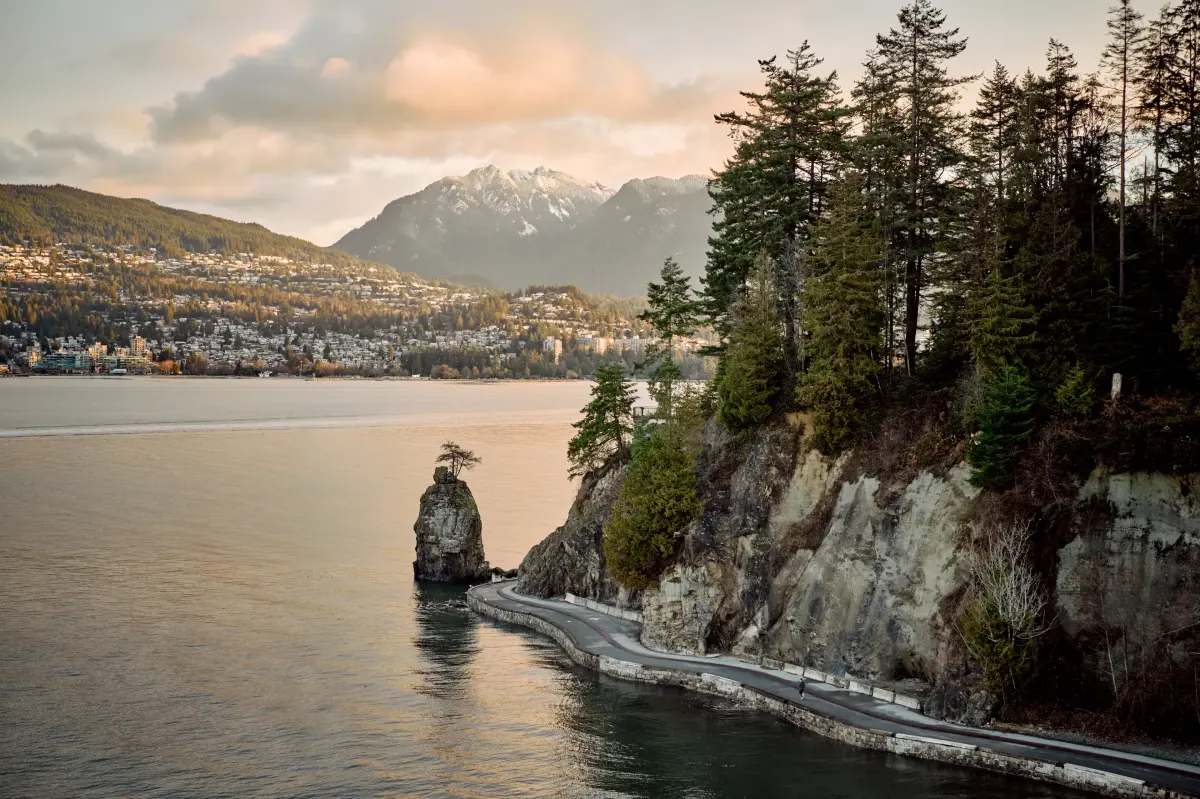
Stanley Park is celebrated as one of the world's premier urban parks, often cited for its seamless blend of natural beauty and cultural significance. Established in 1888, the park encompasses a massive peninsula that juts into the Burrard Inlet, offering panoramic views of the Vancouver skyline, the North Shore Mountains, and the Pacific Ocean. Unlike many city parks that are carefully manicured, much of Stanley Park remains a dense, old-growth forest, providing a rare wilderness experience within a major metropolitan area.
The park is also globally recognized for its deep connection to the Musqueam, Squamish, and Tsleil-Waututh Nations. Visitors can explore various sites that honor this history, most notably the Brockton Point totem poles. These carved monuments represent the artistic traditions of Indigenous peoples from across British Columbia. By preserving both the ecological integrity of the forest and the cultural legacy of the Coast Salish peoples, Stanley Park stands as a unique landmark that defines the identity of Vancouver.
How long does it take to explore the park?
The time required to see Stanley Park depends entirely on your chosen mode of transport and your interest in its various attractions. If you simply want to complete the famous Stanley Park Seawall loop, which is approximately 9 kilometers (5.6 miles) long, a brisk bike ride takes about 45 to 60 minutes. However, most visitors should budget at least three to four hours to account for stops at viewpoints, gardens, and historical sites.
If you plan to explore the interior forest trails or spend time at the beaches, you could easily dedicate an entire day to the park. To maximize your time, consider the following itinerary options:
- Short visit (1-2 hours): Focus on the Seawall, the totem poles at Brockton Point, and the Rose Garden.
- Half-day visit (3-5 hours): Add a visit to the Vancouver Aquarium or a walk through the Beaver Lake trails.
- Full-day visit (6+ hours): Combine the Seawall with a picnic at Second Beach, a swim in the pool, and a hike through the interior forest.
Best ways to get around Stanley Park
Navigating the park is straightforward, but choosing the right method is essential for a pleasant experience. Bicycles are the most popular choice, as the dedicated cycling lane on the Seawall provides a safe and scenic path. If you do not have your own bike, several rental shops are located on Denman Street, just outside the park entrance. For those who prefer a more relaxed pace, the park is also highly accessible by walking, with numerous paved and gravel paths winding through the interior.
If you are visiting with family or have limited mobility, you might consider these alternatives:
- The Stanley Park Shuttle: A seasonal bus service that makes stops at major attractions throughout the park.
- Horse-drawn carriage tours: A guided, leisurely way to see the main sights while learning about the park’s history.
- Private vehicle: You can drive through the park, though parking can be limited and expensive during peak summer weekends.
Common mistakes when visiting the park
Many visitors underestimate the size of the park and the physical demands of the Seawall. A frequent error is starting the Seawall loop without adequate water or sun protection, especially during the summer months. Because the route is long and exposed, dehydration can happen quickly. Additionally, many tourists make the mistake of feeding the local wildlife, particularly the raccoons and squirrels. These animals are accustomed to humans, but feeding them disrupts their natural behavior and can lead to aggressive encounters.
Another common oversight involves the traffic flow on the Seawall. To avoid accidents, follow these simple rules:
- Always stay in the designated lane for your speed; the Seawall is divided into separate paths for cyclists and pedestrians.
- Yield to faster cyclists and avoid stopping abruptly in the middle of the path to take photographs.
- Check the weather forecast before heading out, as the seawall is highly exposed to wind and rain coming off the ocean.
What to see in the forest and gardens
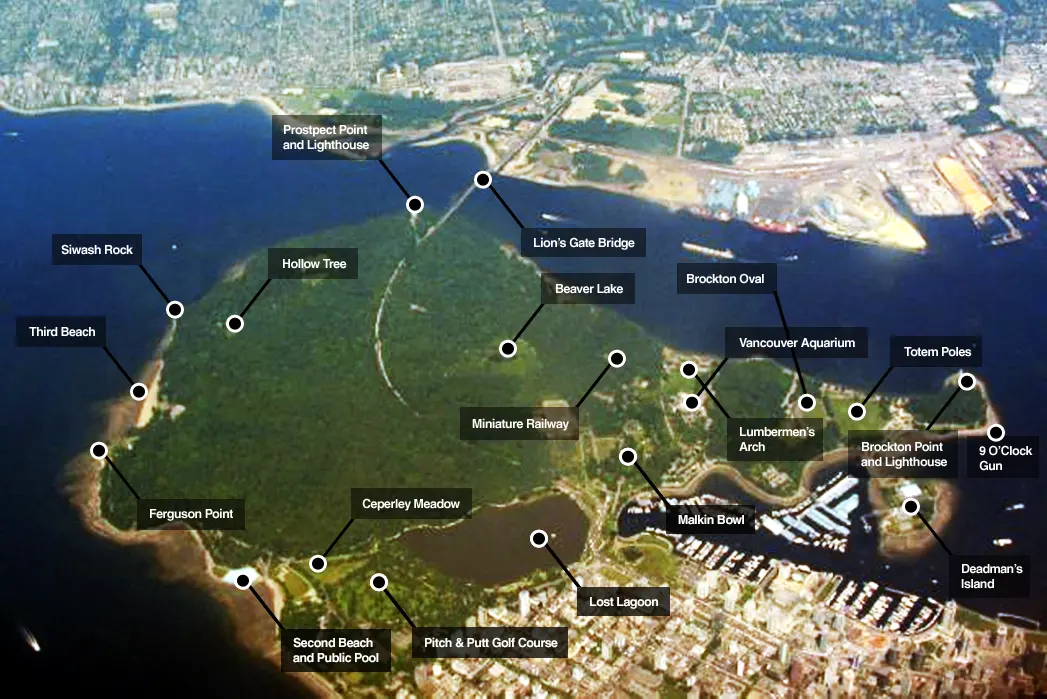
Beyond the famous coastline, the interior of Stanley Park offers a tranquil escape into nature. The park features over 27 kilometers of forest trails that wind through towering Douglas fir, western red cedar, and hemlock trees. One of the most popular spots is Beaver Lake, a quiet, marshy area that is excellent for birdwatching and observing local amphibians. Nearby, the Shakespeare Garden and the Ted and Mary Greig Rhododendron Garden provide vibrant displays of color, particularly during the spring months when the flowers are in full bloom.
The park is also home to several historical landmarks that provide context to its development over the last century. Visitors often overlook the Hollow Tree, a massive, ancient cedar stump that has been a favorite photo opportunity for over a century. Whether you are interested in botanical beauty, historical artifacts, or simply finding a quiet place to sit under the canopy of an ancient forest, the interior of the park offers a peaceful contrast to the bustling activity of the Seawall.
Key facts
- Stanley Park covers 405 hectares (1,001 acres) and is the largest urban park in Vancouver, British Columbia.
- The park’s famous Seawall is a 10-kilometer (6.2-mile) paved path that circles the entire perimeter, perfect for walking, running, or cycling.
- It was officially opened in 1888 and named after Lord Stanley, the Governor General of Canada at the time.
- The park is home to a collection of nine totem poles at Brockton Point, which are among the most visited tourist attractions in British Columbia.
- Visitors should avoid cycling the Seawall in the clockwise direction, as the path is strictly one-way counter-clockwise for cyclists.
- The Vancouver Aquarium, located within the park, is Canada’s largest aquarium and a major center for marine research and conservation.
The bottom line
Stanley Park is a premier destination that perfectly blends natural beauty with urban convenience. Whether you are cycling the iconic Seawall, exploring the lush temperate rainforest trails, or visiting the world-class aquarium, the park offers something for every traveler. By arriving early and respecting the one-way cycling rules, you can fully enjoy this historic landmark, which remains the crown jewel of Vancouver’s expansive public park system.
People also ask
Is there an entrance fee to visit Stanley Park?
No, the park is a public space and is free to enter for all pedestrians and cyclists. However, you must pay for parking if you bring a vehicle, and there are separate admission fees for attractions like the Vancouver Aquarium.
How long does it take to walk the entire Seawall?
Walking the full 10-kilometer loop typically takes between two and three hours at a moderate pace. It is recommended to wear comfortable shoes and bring water, as there are limited spots to buy refreshments along the northern stretch.
Can I drive my car through the park?
Yes, Stanley Park Drive is a scenic road that allows vehicles to travel through the park. Be aware that traffic can be heavy during summer months, and parking lots often fill up quickly by midday.
What is the best time of day to visit?
Early morning is ideal for avoiding large crowds and enjoying the peaceful atmosphere of the forest trails. If you visit in the evening, you can witness spectacular sunsets over English Bay from the western side of the park.
Are dogs allowed in Stanley Park?
Yes, dogs are welcome in most areas of the park, provided they remain on a leash. There are also designated off-leash areas, such as the one near Hadden Park, where pets can run freely.
What should I pack for a day trip?
Bring layers of clothing, as the weather near the ocean can change quickly, along with sunscreen and a camera. If you plan to cycle, consider renting a bike from one of the many shops located on Denman Street just outside the park entrance.
This answer was created with the help of AI research tools and reference sources. Spotted an error? Let us know — we correct mistakes quickly. See our editorial policy.