What is vine charcoal used for?
Short answer
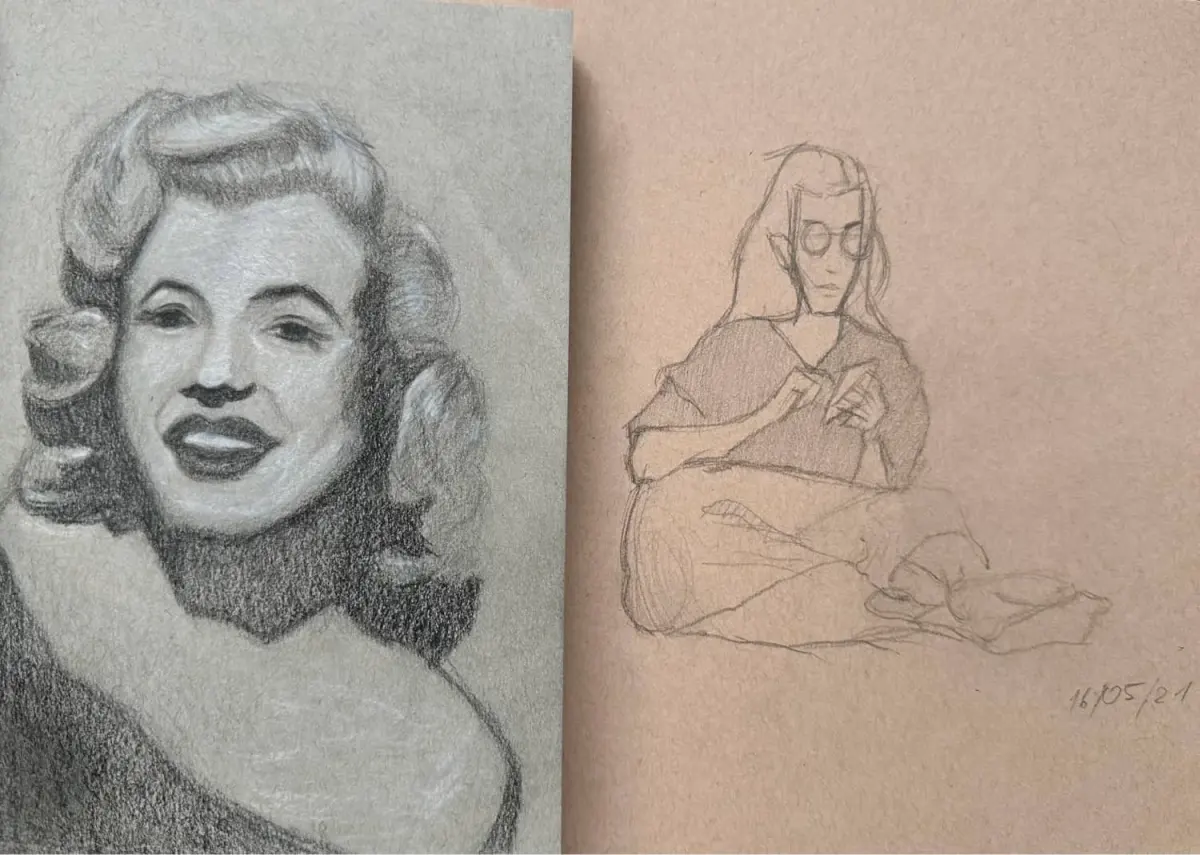
Vine charcoal is a lightweight, brittle drawing medium made from charred grapevines. Artists use it primarily for sketching initial compositions, mapping out proportions, and establishing light values in charcoal drawings. Because it is easily erased and blended, it serves as a versatile tool for planning complex works before applying permanent media.
On this page
What is vine charcoal made of?
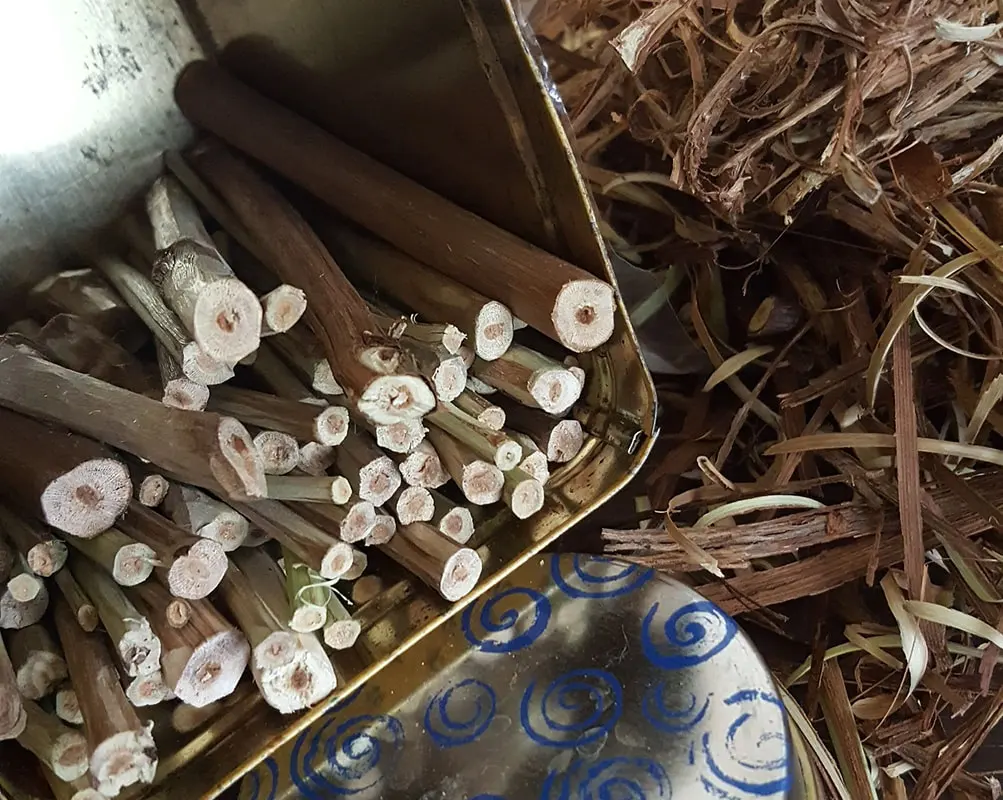
Vine charcoal is produced by burning thin, natural grapevine twigs in a kiln without oxygen, a process known as carbonization. This method ensures the wood does not turn to ash, instead becoming a soft, porous stick of pure carbon. Because the branches retain their natural shape, the resulting sticks vary in diameter, ranging from thin, delicate twigs to thicker, more robust pieces.
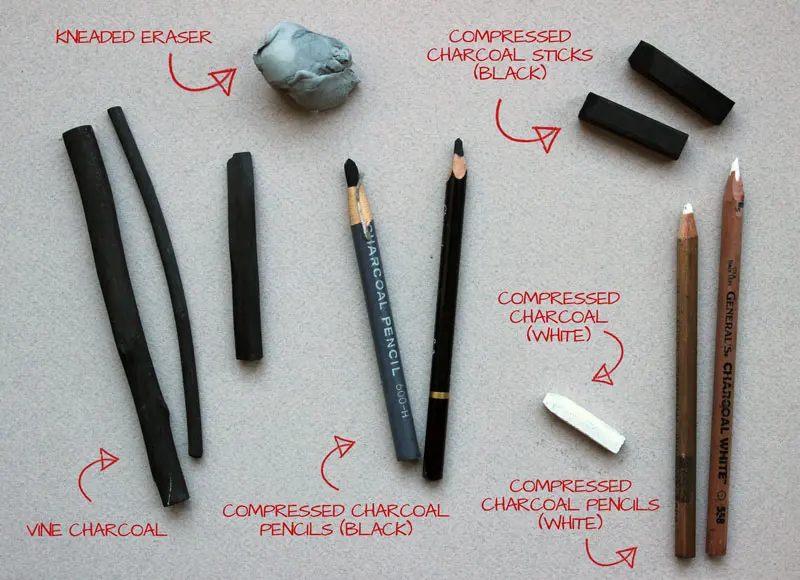
Unlike compressed charcoal, which is mixed with binders like gum or wax, vine charcoal is entirely organic and lacks additives. This lack of binder makes it remarkably soft and friable, meaning it crumbles easily under pressure. The material is prized for its ability to produce a wide range of soft, dusty grays that can be lifted from the paper surface with minimal effort. It remains a staple in fine art studios because of its predictable, forgiving nature.
How to use vine charcoal for sketching
Artists typically use vine charcoal during the early stages of a drawing to establish the structure and composition. Because the medium is so light and easily removed, it allows for trial and error without damaging the paper. You can quickly block in large shapes or gestures, adjusting lines as needed before committing to darker, more permanent materials like compressed charcoal or ink.
To effectively use vine charcoal for initial layouts, follow these steps:
- Hold the stick lightly between your thumb and fingers to maintain a loose, gestural grip.
- Apply the charcoal to the paper using the side of the stick to cover large areas quickly.
- Use a soft cloth or a kneaded eraser to lift away excess pigment or refine the edges of your forms.
- Once the proportions are correct, use a fixative spray if you wish to lock the light sketch in place before layering heavier media.
Why artists prefer vine charcoal over other media
The primary advantage of vine charcoal is its extreme ease of manipulation. While compressed charcoal is dense and difficult to erase, vine charcoal sits loosely on the surface of the paper. This makes it ideal for artists who prefer a subtractive drawing method, where they lay down a light tone across the entire page and then "draw" by erasing highlights back into the surface.
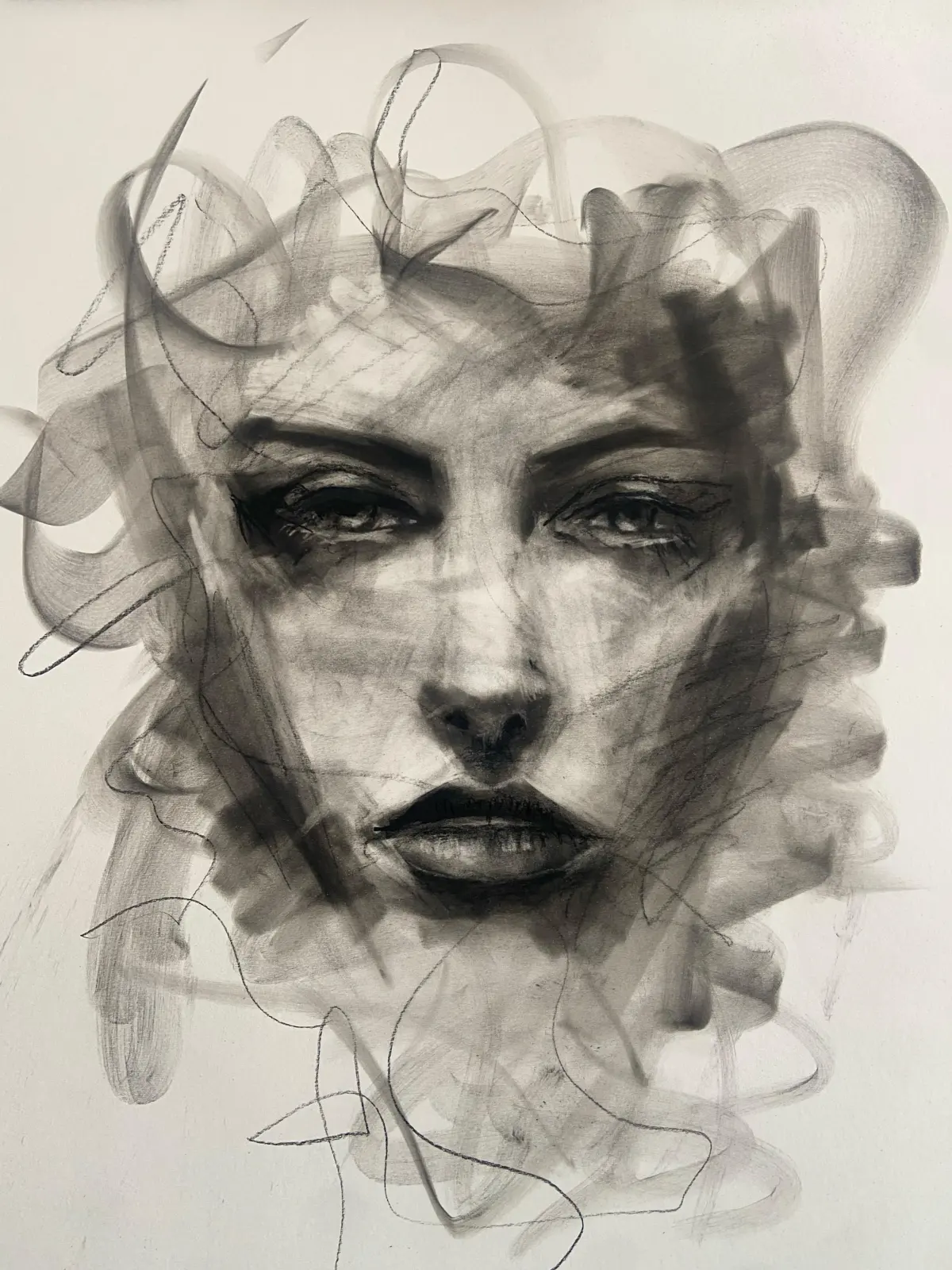
Furthermore, the consistency of vine charcoal is unmatched for creating subtle transitions. It blends seamlessly with a finger, a paper stump, or a soft brush, allowing for delicate atmospheric effects. It is particularly popular for life drawing sessions, where the speed of the medium allows artists to capture the essence of a pose in just a few minutes. Its ability to create soft, ethereal edges makes it a favorite for portraiture and landscape studies alike.
Common mistakes when using vine charcoal
One of the most frequent errors beginners make is applying too much pressure to the stick. Because vine charcoal is brittle, pressing hard will cause it to snap immediately, leading to unnecessary waste. Additionally, heavy pressure can grind the charcoal particles deep into the paper fibers, making it nearly impossible to erase cleanly later. Always start with the lightest touch possible and build up density through multiple layers rather than force.
Another common mistake involves failing to protect the finished work. Because the particles sit so loosely on the paper, they are prone to smudging or falling off if the drawing is handled roughly. To avoid losing your hard work, keep these tips in mind:
- Always store finished drawings in a portfolio with glassine paper between sheets to prevent transfer.
- Use a high-quality workable fixative spray to stabilize the carbon particles once you have finished your sketch.
- Avoid blowing on the paper to remove excess dust, as this can cause the charcoal to scatter unevenly and create unwanted streaks.
Best techniques for cleaning and erasing
Mastering the eraser is just as important as mastering the charcoal stick itself. A kneaded eraser is the essential companion to vine charcoal because it can be molded into various shapes to lift specific highlights or clean up smudged areas. Unlike hard rubber erasers, which can tear the paper surface, a kneaded eraser acts like a sponge, gently pulling the loose carbon particles away without leaving residue behind.
When you need to clean up a drawing or create highlights, try these techniques:
- Roll the kneaded eraser over the surface to pick up light layers of dust.
- Press the eraser firmly into the paper to create sharp, bright highlights in areas like eyes or light reflections.
- If the eraser becomes saturated with charcoal, stretch and fold it repeatedly until a clean, grey surface is exposed.
- Use a soft, dry brush to gently sweep away loose charcoal dust from the paper before erasing to prevent accidental smearing across your clean highlights.
Key facts
- Vine charcoal is made by burning grape vines or willow branches in a kiln without oxygen.
- It is prized for its soft, dusty texture that allows artists to wipe it away easily with a cloth or kneaded eraser.
- Because it contains no binders, it does not leave permanent marks, making it ideal for preliminary sketches.
- Artists use it primarily for establishing light, shadow, and composition before committing to permanent media like paint or ink.
- It is fragile and snaps easily, so it is best used in long, fluid strokes rather than heavy, pressured lines.
- The material is extremely messy and requires a fixative spray if you wish to preserve the drawing long-term.
The bottom line
Vine charcoal is an essential tool for artists seeking a versatile, erasable medium for initial sketches and tonal studies. Its unique composition allows for effortless blending and removal, providing the freedom to experiment with composition and light without permanence. By mastering light pressure and using proper fixatives, you can leverage this delicate material to create expressive, professional-grade drawings that effectively map out your creative vision.
People also ask
How does vine charcoal differ from compressed charcoal?
Compressed charcoal is mixed with a binder like gum or wax, making it much darker, harder, and difficult to erase. Vine charcoal is pure carbon, which makes it lighter in tone and much easier to manipulate or remove from the surface.
Can I use vine charcoal on any type of paper?
It works best on paper with "tooth," or texture, such as charcoal paper or heavy-weight drawing paper. Smooth paper will not hold the charcoal particles well, causing the drawing to fall off or smear excessively.
What is the best way to sharpen vine charcoal?
You should not use a mechanical pencil sharpener, as the brittle wood will shatter. Instead, use a sandpaper block to gently sand the tip into a point or a chisel shape.
How do I prevent my charcoal drawing from smudging?
Keep a piece of scrap paper under your hand while drawing to avoid transferring oils from your skin to the page. Once finished, apply a light coat of workable fixative in a well-ventilated area to lock the particles in place.
Is vine charcoal toxic?
Vine charcoal is non-toxic as it is simply charred organic matter. However, the fine dust can be an irritant to the lungs, so you should avoid blowing excess dust off your paper and instead tap the board gently.
Why does my vine charcoal keep breaking?
Vine charcoal is naturally brittle because it lacks binders and is often hollow. Avoid applying heavy pressure; instead, build up your values by layering light, soft strokes repeatedly.
This answer was created with the help of AI research tools and reference sources. Spotted an error? Let us know — we correct mistakes quickly. See our editorial policy.