What is compressed charcoal used for?
Short answer
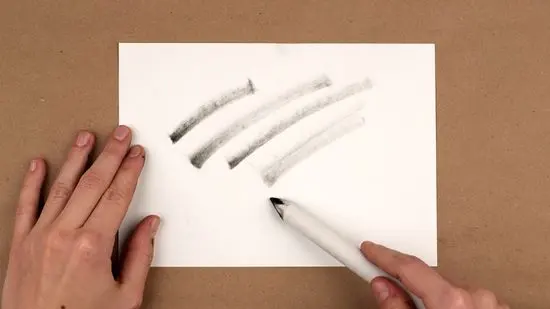
Compressed charcoal is a drawing medium made from powdered charcoal mixed with a clay binder. It is primarily used by artists to create deep, intense blacks and high-contrast sketches. Because it is denser and harder than willow or vine charcoal, it is ideal for bold, permanent marks and detailed shading.
On this page
What is compressed charcoal made of?
Compressed charcoal consists of finely ground charcoal dust combined with a clay binder, which is then extruded into sticks or blocks. The ratio of clay to charcoal determines the hardness of the stick, typically labeled as soft, medium, or hard. Unlike natural vine charcoal, which is simply charred wood, compressed charcoal is a manufactured product that offers a consistent texture and significantly darker pigment density.
The manufacturing process allows for a variety of shapes, including square sticks for sharp edges and round sticks for smooth, broad strokes. Because of the clay content, this medium adheres more strongly to paper fibers than traditional charcoal, making it less prone to accidental smudging. However, this same quality makes it more difficult to erase completely, requiring artists to use specific techniques to lift the pigment from the surface.
How to use compressed charcoal for drawing
To achieve the best results with compressed charcoal, artists should work on paper with a "tooth" or texture, such as charcoal paper or heavy-weight drawing paper. The rough surface catches the charcoal particles, allowing for layering and deep tonal values. Beginners often find that starting with a hard stick helps establish light guidelines, while soft sticks are reserved for the final, darkest accents.
- Begin by sketching light outlines using a hard compressed charcoal stick, applying very little pressure to ensure the marks remain erasable.
- Build mid-tones by lightly layering the medium, using a blending stump or a soft cloth to distribute the particles evenly across the paper.
- Apply deep shadows and dark accents last, using a soft stick to achieve the maximum black intensity that this medium is famous for.
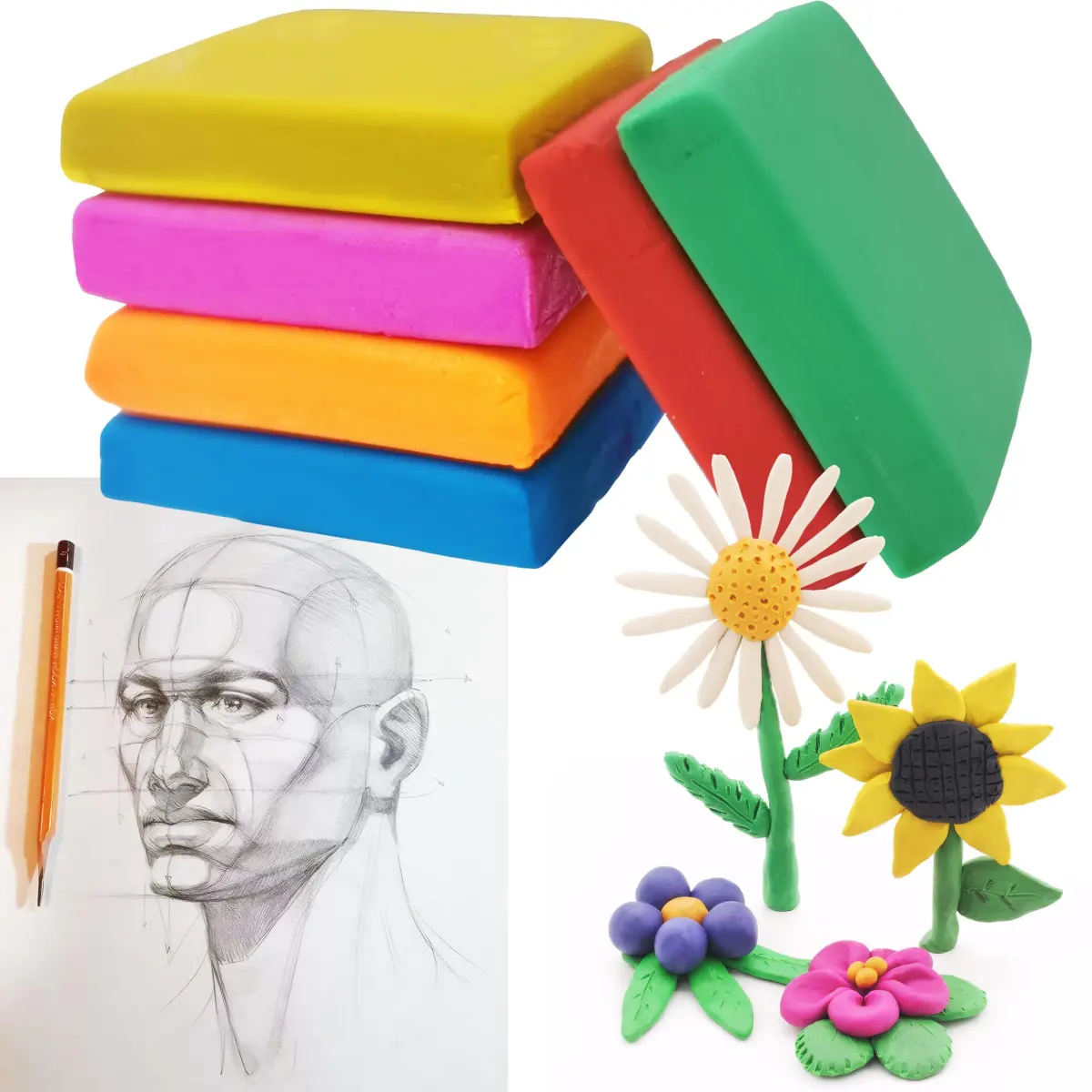
- Use a kneaded eraser to lift highlights, pressing and rolling it against the paper rather than rubbing, which can smear the charcoal.
Why use compressed charcoal over other media
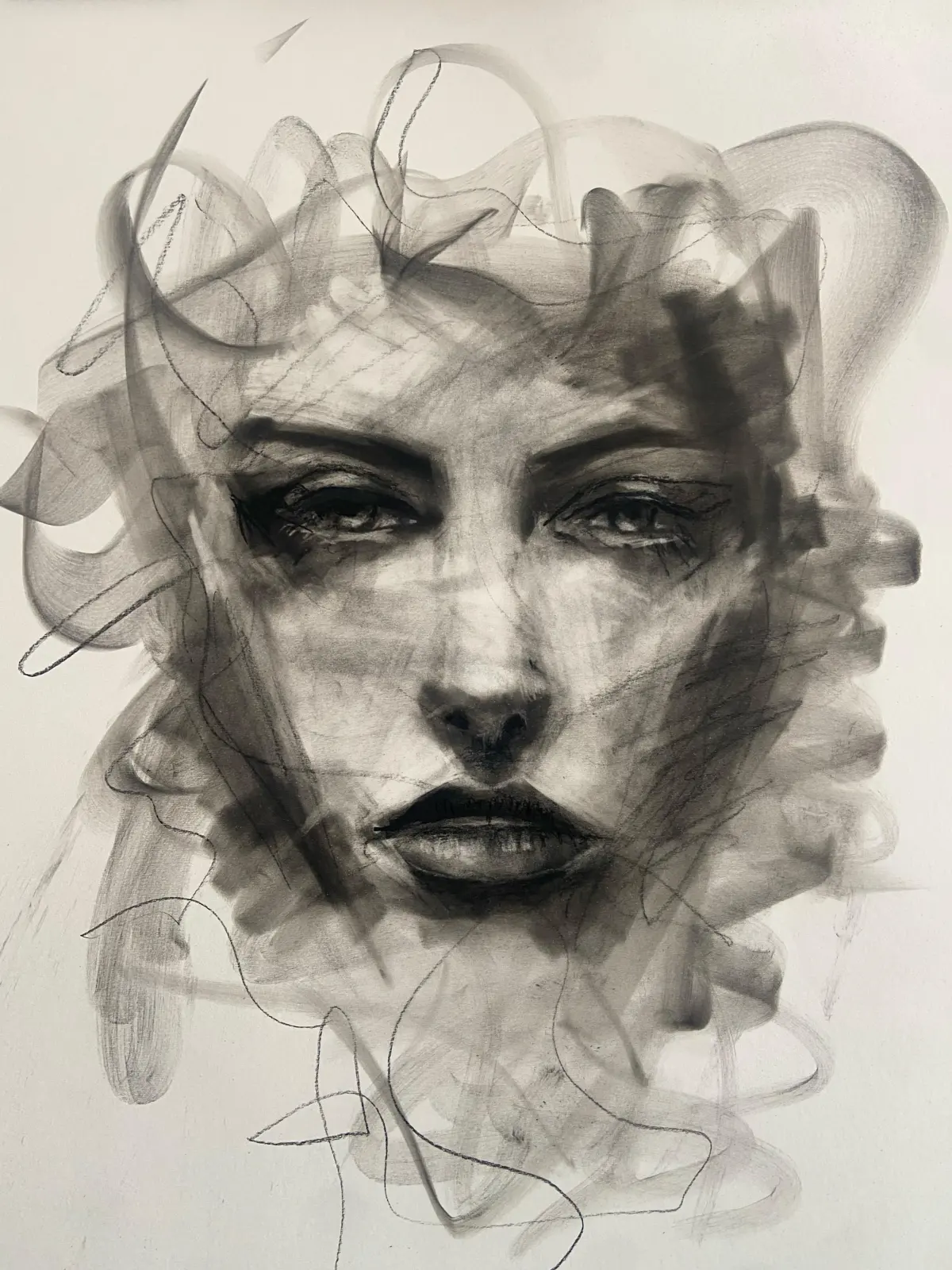
Compressed charcoal is favored by artists who require high-contrast imagery and bold, graphic lines. While vine charcoal is excellent for loose, gestural sketches that are easily wiped away, compressed charcoal provides a permanent, rich black that is essential for dramatic chiaroscuro effects. It holds a point much longer than natural charcoal, allowing for precise details in portraiture or architectural rendering.
The medium is also highly versatile when combined with other materials. It works exceptionally well with white charcoal or chalk for highlights, creating a striking range of values on toned paper. Many artists prefer it for large-scale work because it covers surface area quickly and does not break as easily as softer, more fragile drawing materials. Its ability to create both razor-sharp lines and velvety, deep shadows makes it a staple in professional art studios.
Common mistakes when using compressed charcoal
A frequent error among beginners is applying too much pressure too early in the drawing process. Because compressed charcoal is highly pigmented, heavy-handed application can clog the paper's tooth, making it impossible to add further layers or blend effectively. Once the paper is saturated with carbon, the drawing may appear muddy and lose its luminosity.
- Smudging with fingers, which introduces natural oils that create permanent, uneven streaks.
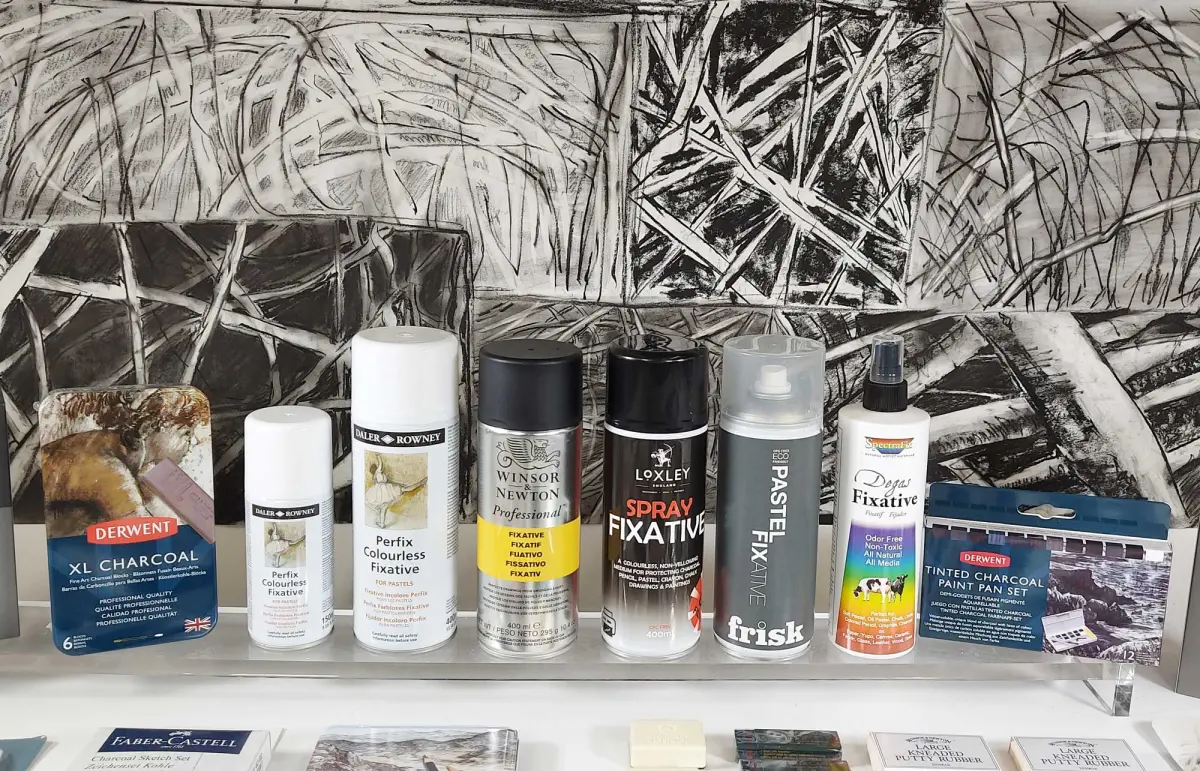
- Forgetting to use a fixative spray, which leads to the charcoal flaking off the page over time.
- Attempting to erase deep, soft-grade charcoal marks with a standard rubber eraser instead of a kneaded one.
- Using paper that is too smooth, which prevents the charcoal from gripping the surface and leads to a patchy appearance.
- Over-blending, which causes the crisp, vibrant black to turn into a dull, flat gray.
How to store and preserve charcoal drawings
Proper storage is essential to prevent compressed charcoal drawings from smearing or degrading. Because the medium is essentially a loose powder held by clay, it remains susceptible to friction even after the drawing is complete. To preserve the work, artists should apply a light, even coat of workable fixative spray, holding the can at least twelve inches away from the paper to avoid spotting.
After the fixative has dried, drawings should be protected with glassine paper or stored in a portfolio with interleaving sheets to prevent rubbing. For finished pieces intended for display, framing behind glass is the best method to ensure the charcoal remains undisturbed. Avoid storing drawings in humid environments, as moisture can affect the clay binder and potentially cause the charcoal to lift or shift on the paper surface over time.
Key facts
- Compressed charcoal is made from a mixture of charcoal powder and a clay binder, resulting in a denser, harder stick than willow or vine charcoal.
- It produces a significantly darker, more intense black mark that is difficult to erase compared to natural charcoal sticks.
- Artists use it primarily for high-contrast sketching, deep shadows, and bold, expressive mark-making in drawing projects.
- Because of its high pigment density, it is prone to smudging and requires a fixative spray to prevent the drawing from deteriorating over time.
- It can be sharpened to a fine point with a sandpaper block or a sharp blade, allowing for precise detail work that softer charcoals cannot achieve.
- When applying compressed charcoal, start with light pressure and build up layers gradually, as the heavy pigment is challenging to remove once it adheres to the paper.
The bottom line
Compressed charcoal is an essential tool for artists seeking deep, velvety blacks and high-contrast effects in their work. By combining charcoal powder with a clay binder, it offers a level of intensity and durability that natural charcoal lacks. While it requires careful handling and a steady hand due to its permanent nature, mastering this medium allows for bold, expressive drawings that stand out with professional-grade depth.
People also ask
How does compressed charcoal differ from willow or vine charcoal?
Willow and vine charcoals are natural, soft, and easily erased, making them ideal for initial sketches. Compressed charcoal is manufactured with binders, creating a much darker, permanent, and harder medium that is better suited for final rendering.
Can compressed charcoal be used on any type of paper?
It performs best on paper with a "tooth" or texture, such as charcoal paper or heavy-weight drawing paper. Smooth surfaces often fail to grip the heavy pigment, causing the charcoal to flake off or slide across the page.
What is the best way to sharpen compressed charcoal sticks?
Use a sandpaper block to sand the stick down to a chisel or needle point. Avoid using traditional pencil sharpeners, as the brittle nature of the compressed material often causes it to snap inside the mechanism.
Is compressed charcoal considered archival?
While the charcoal itself is permanent, it is not archival unless properly sealed. You must apply a professional-grade fixative to stop the particles from shifting or rubbing off the paper surface during storage or framing.
Can I blend compressed charcoal like graphite?
Yes, you can blend it using a paper tortillon, a chamois, or even your fingers. However, because it is so dark and dense, blending requires a light touch to avoid muddying the drawing or over-darkening the paper.
Should I use compressed charcoal for the initial underdrawing?
It is generally recommended to avoid using it for the first layers of a drawing. Because it is difficult to erase, it is better reserved for adding dark values and final details after the composition is established with lighter media.
This answer was created with the help of AI research tools and reference sources. Spotted an error? Let us know — we correct mistakes quickly. See our editorial policy.