What is mixed media paper used for?
Short answer
Mixed media paper is a versatile, heavy-duty substrate designed to withstand both wet and dry artistic media. It balances the absorbency required for watercolors or inks with the tooth necessary for charcoal, graphite, and pastels. This hybrid surface allows artists to layer diverse materials on a single sheet without buckling or tearing.
On this page
What is mixed media paper made of?
Mixed media paper is engineered to bridge the gap between lightweight drawing paper and heavy-duty watercolor paper. Most varieties feature a weight between 90 lb (190 gsm) and 140 lb (300 gsm), providing enough structural integrity to hold moisture without disintegrating. Manufacturers typically use a blend of cellulose fibers or cotton, which are treated with internal and surface sizing to control how liquids soak into the sheet.
This specific construction prevents the "pilling" or shredding that occurs when drawing paper is exposed to water. By balancing surface texture, or "tooth," with chemical sizing, the paper remains receptive to dry media while maintaining enough rigidity to support light washes of paint. It is the ideal compromise for creators who do not want to switch between different pads for every stage of a multi-layered project.
How to use mixed media paper for layering
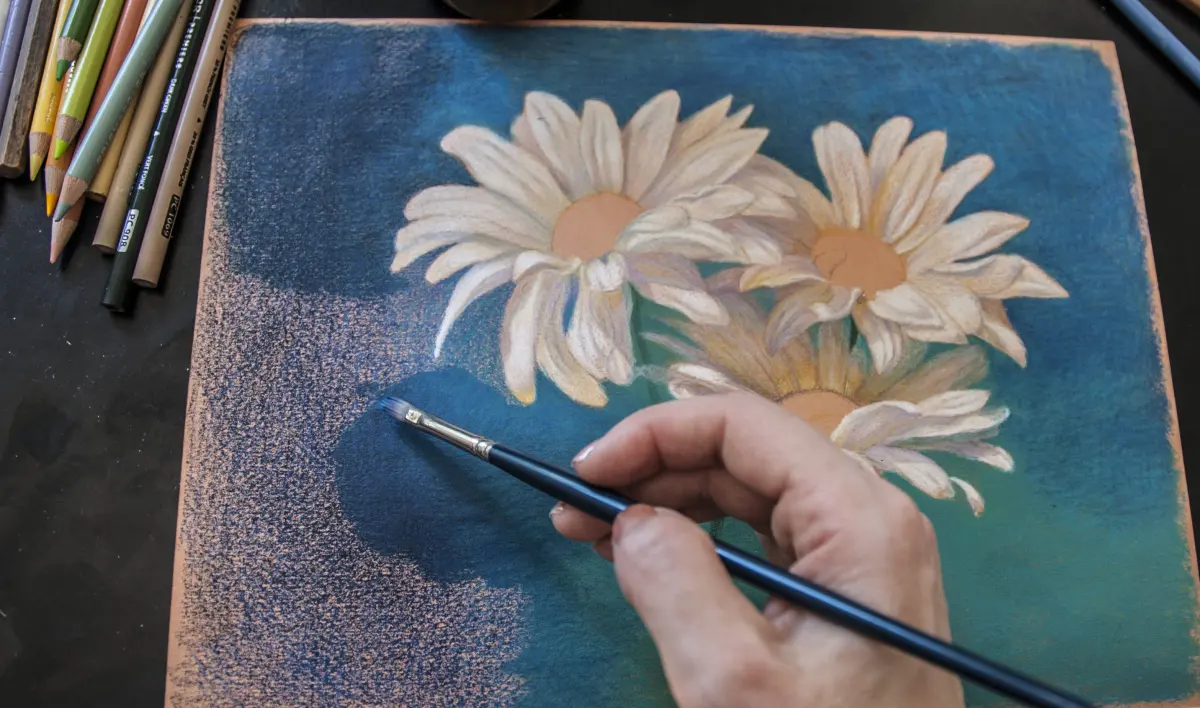
Artists utilize this paper to combine incompatible mediums, such as layering permanent ink markers over dried acrylic washes. Because the surface is durable, you can build depth by alternating between drawing tools and liquid pigments. The paper’s ability to remain flat under light moisture makes it a favorite for sketching, journaling, and experimental collage work where glue or heavy media might be applied.
To achieve the best results when layering, follow these professional techniques:
- Apply dry media first if you intend to add water-based layers on top.
- Use light washes of watercolor or ink to establish a base tone before adding detailed line work.
- Allow each layer to dry completely to prevent the paper fibers from softening too much.
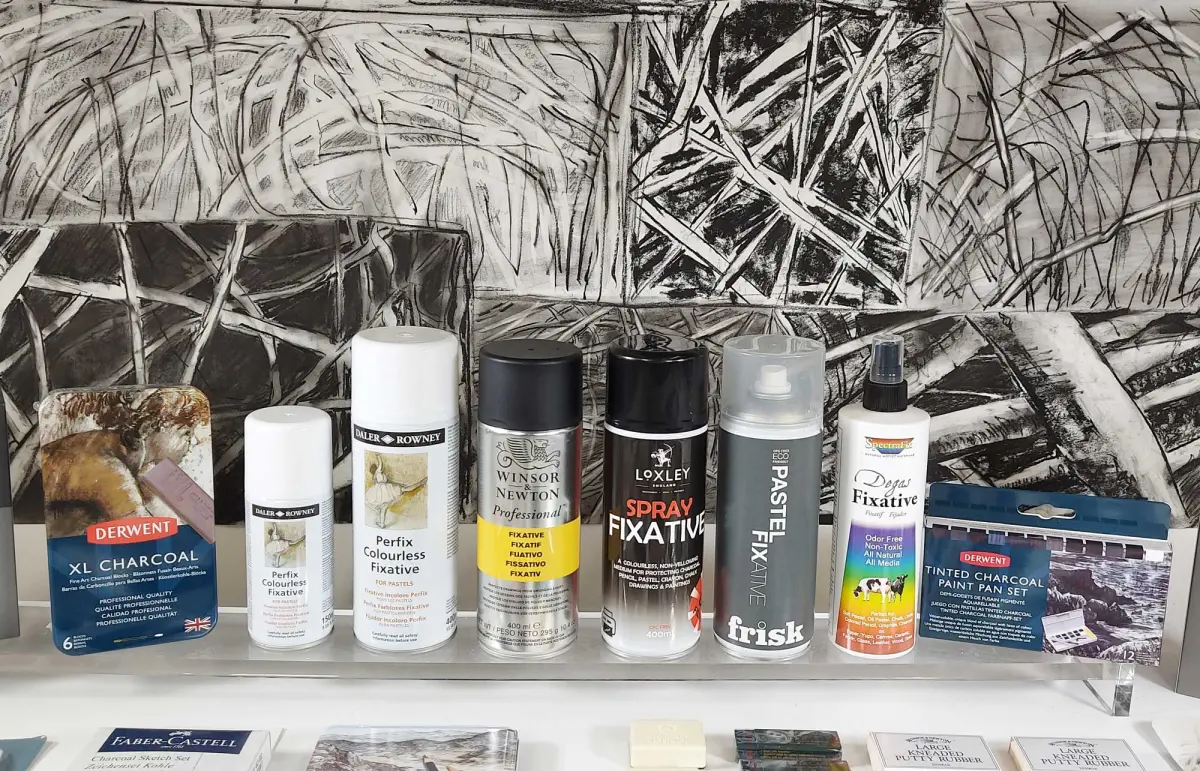
- Use a fixative spray between layers if you are combining charcoal and wet paint to prevent smudging.
Best mixed media paper for beginners
For those just starting, look for pads labeled specifically as "mixed media" rather than general-purpose sketchbooks. Brands like Strathmore, Canson, and Bee Paper offer excellent entry-level options that are affordable and widely available in art supply stores. Beginners should prioritize a weight of at least 98 lb to ensure the paper does not warp significantly when using markers or light acrylics.
When selecting your first pad, consider these factors:
- Size: A 9x12 inch pad is standard and fits easily into most backpacks or desks.
- Texture: Choose a "vellum" or "medium" surface, as these provide the most versatility for both pens and paints.
- Binding: Spiral-bound pads are often better for beginners because they allow the book to lay flat, making it easier to work across two pages.
- Sheet count: Look for pads with 30 to 60 sheets, which offer enough room to practice without the pressure of wasting expensive materials.
Common mistakes when using mixed media paper
The most frequent error is applying too much water to the paper, which exceeds its capacity to handle moisture. Even at 140 lb, mixed media paper is not as robust as professional-grade watercolor paper. If you soak the surface, the sizing will break down, leading to buckling, warping, or holes. Always test your water-to-pigment ratio on a scrap piece before applying it to your final composition.
Another common mistake is failing to account for the paper's tooth when using delicate graphite pencils. Because mixed media paper is designed to be slightly rougher than smooth Bristol board, fine-detail work can sometimes appear grainier than expected. If you find your lines are too textured, use a harder lead pencil or apply a light layer of gesso to the surface before starting to create a smoother, more refined foundation for your drawing.
Why mixed media paper is essential for artists
This paper is essential because it encourages experimentation by removing the technical barriers between different art forms. By offering a single, reliable surface, it allows artists to focus on their creative process rather than worrying about material compatibility. Whether you are a student exploring new techniques or a professional creating quick studies, this paper acts as a reliable foundation for complex, multi-layered visual storytelling.
The versatility of the medium also makes it a cost-effective choice for those who work in multiple disciplines. Instead of stocking three different types of paper, you can rely on one high-quality mixed media pad to handle everything from initial pencil sketches to final ink highlights or acrylic glazes. This efficiency reduces clutter in the studio and provides a consistent surface experience that helps you develop a distinct style across various media. It remains the most practical solution for any artist who values flexibility and performance in their daily practice.
Key facts
- Mixed media paper is specifically engineered to handle both wet and dry media without buckling or tearing.
- It typically features a weight between 90 lb (185 gsm) and 140 lb (300 gsm) to support layering.
- The surface has a "tooth" or texture that provides enough grip for charcoal and graphite while remaining smooth enough for ink pens.
- Unlike standard drawing paper, it is internally and externally sized to resist saturation from watercolor or gouache.
- It is an ideal choice for artists who combine techniques like collage, markers, acrylics, and colored pencils on a single sheet.
- Always check the packaging for "acid-free" or "archival" labels to ensure your artwork will not yellow or degrade over time.
The bottom line
Mixed media paper is a versatile, durable essential for artists who enjoy experimenting with diverse materials. By balancing the absorbency needed for paints with the texture required for drawing, it eliminates the need to switch between different sketchbooks. Whether you are layering ink, acrylics, or graphite, choosing a high-quality, heavyweight sheet ensures your creative process remains fluid and your final artwork stays protected for years to come.
People also ask
Can I use watercolor paper for mixed media instead?
Yes, you can use watercolor paper, but it is often more expensive and may have a rougher texture that makes fine detail work with pencils difficult. Mixed media paper offers a more versatile, middle-ground surface for those who do not exclusively use water-based paints.
Is mixed media paper suitable for oil paints?
No, you should not use standard mixed media paper for oil paints because the oil will soak into the paper fibers and eventually cause the paper to rot. You must use a surface primed with gesso or a dedicated oil-painting paper if you wish to work with oils.
Why does my paper curl when I add paint?
Paper curls when it absorbs too much moisture, causing the fibers to expand unevenly. To prevent this, use a heavier weight paper, tape your edges down to a board with masking tape, or apply a light wash of water to both sides before you begin.
Does the brand of paper matter for mixed media?
Different brands use different sizing agents and textures, which significantly change how media reacts to the surface. It is helpful to test small samples from brands like Strathmore, Canson, or Bee Paper to see which texture complements your specific artistic style.
Can I use markers on mixed media paper?
You can use markers, but be aware that alcohol-based markers will likely bleed through to the other side of the page. If you plan to use markers, place a scrap sheet of paper underneath your work to protect the surface of your desk.
How do I store finished mixed media artwork?
Store your finished pieces in a flat, dry, and cool environment away from direct sunlight. Using acid-free sleeves or portfolios will protect your work from dust, moisture, and potential smudging of dry media like charcoal or pastel.
This answer was created with the help of AI research tools and reference sources. Spotted an error? Let us know — we correct mistakes quickly. See our editorial policy.