How do you draw with a fountain pen?
Short answer
Drawing with a fountain pen requires a light touch, as the nib delivers ink through capillary action without needing pressure. By varying the angle of the nib and controlling your stroke speed, you can achieve diverse line widths and shading effects. Consistent practice with high-quality paper is essential for mastering this medium.
On this page
How to start drawing with a fountain pen
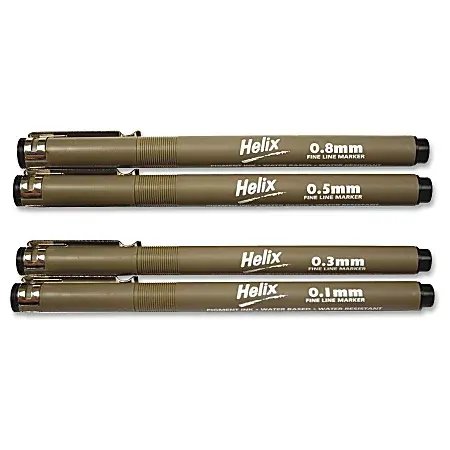
To begin, select a fountain pen with a steel nib, as these are durable and provide the feedback necessary for learning line control. Fine or extra-fine nibs are generally preferred for drawing because they allow for intricate detail and cross-hatching. Pair your pen with a fountain-pen-friendly sketchbook; standard printer paper is too porous and will cause the ink to feather or bleed through the page.
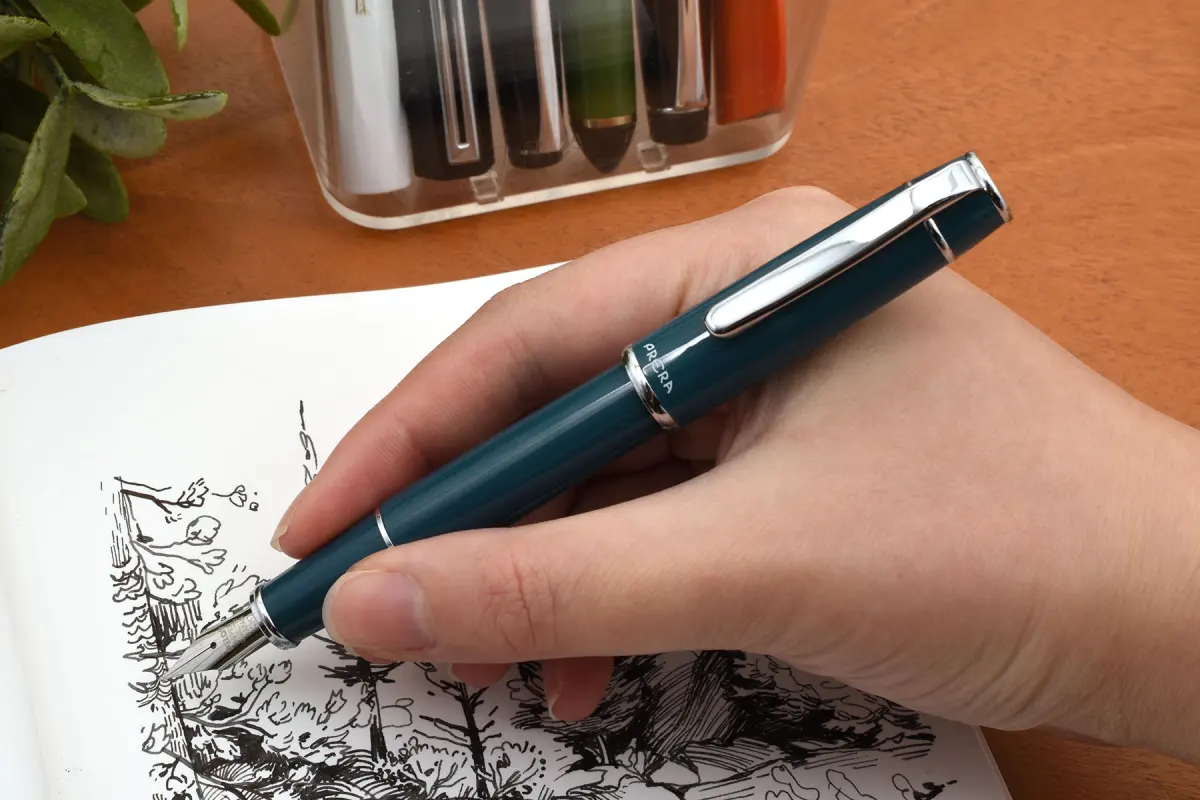
Hold the pen at a comfortable angle, typically between 40 and 50 degrees to the paper. Unlike a ballpoint pen, a fountain pen requires virtually no downward pressure to release ink. Let the weight of the pen do the work, allowing the nib to glide across the surface. If you press too hard, you risk damaging the tines, which can cause the pen to scratch or skip during use.
- Clean your pen regularly to prevent dried ink from clogging the feed.
- Experiment with different ink brands to find one that flows well with your specific nib.
- Keep your hand steady and use your shoulder for long, sweeping lines rather than relying solely on wrist movement.
Best fountain pens for beginners
For those new to the medium, the Pilot Metropolitan and the Lamy Safari are widely considered the gold standard. The Pilot Metropolitan features a smooth, consistent steel nib that is forgiving for those transitioning from graphite. The Lamy Safari, known for its ergonomic triangular grip, encourages proper finger placement, which helps maintain the correct nib angle for consistent ink flow.
When choosing your first tool, consider the filling mechanism. Cartridge-based pens are the most convenient for beginners, as they eliminate the mess associated with bottled ink. However, a converter allows you to use bottled ink, which is significantly more cost-effective and offers a wider palette of colors and properties, such as shading or water resistance.
- Pilot Metropolitan: Excellent entry-level option with a classic aesthetic.
- Lamy Safari: Durable, lightweight, and features a comfortable grip.
- Platinum Preppy: An inexpensive way to test different nib sizes before investing in a premium pen.
How to create shading and texture
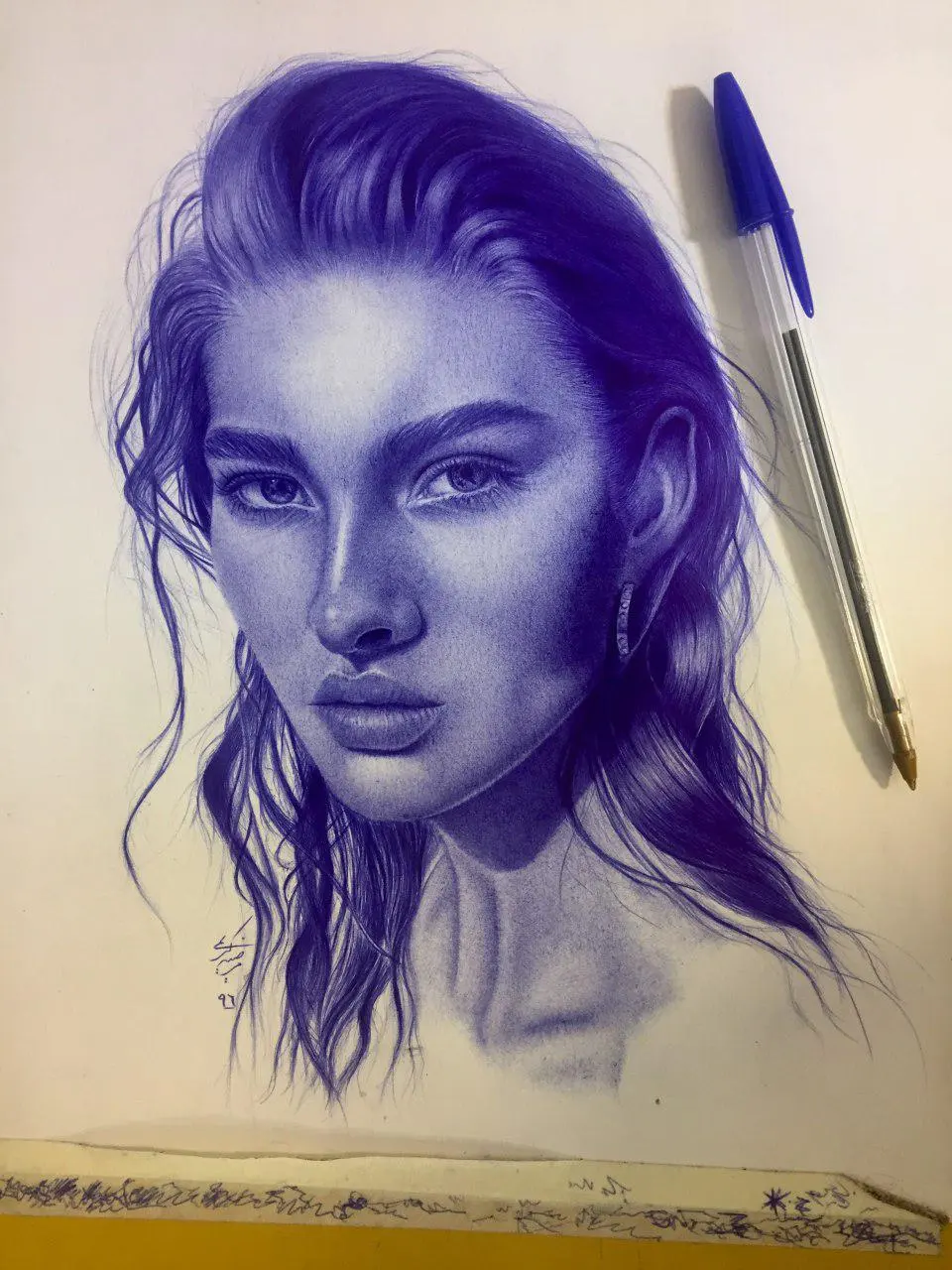
Shading with a fountain pen is achieved through techniques like cross-hatching, stippling, and varying line weight. Because fountain pens produce a constant flow of ink, you cannot shade by pressing harder or softer as you might with a pencil. Instead, you must build up density by overlapping lines or placing dots closer together to create the illusion of darker areas.
Varying the speed of your stroke can also affect the appearance of your lines. A slower stroke allows more ink to saturate the paper, resulting in a darker, broader line, while a faster stroke produces a lighter, thinner mark. Additionally, using a flexible nib allows for line variation, where the tines spread apart under slight pressure to create thicker strokes, mimicking the look of traditional dip pens.
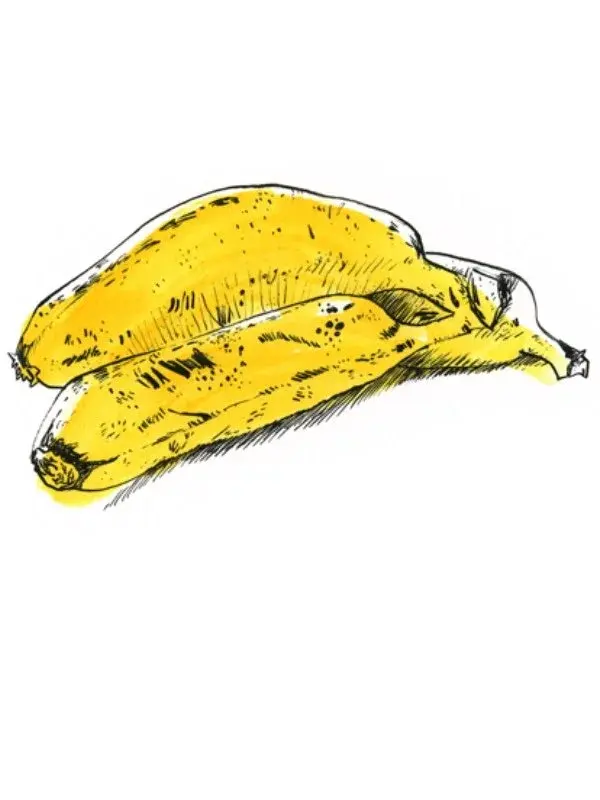
- Cross-hatching: Layering perpendicular lines to create shadows.
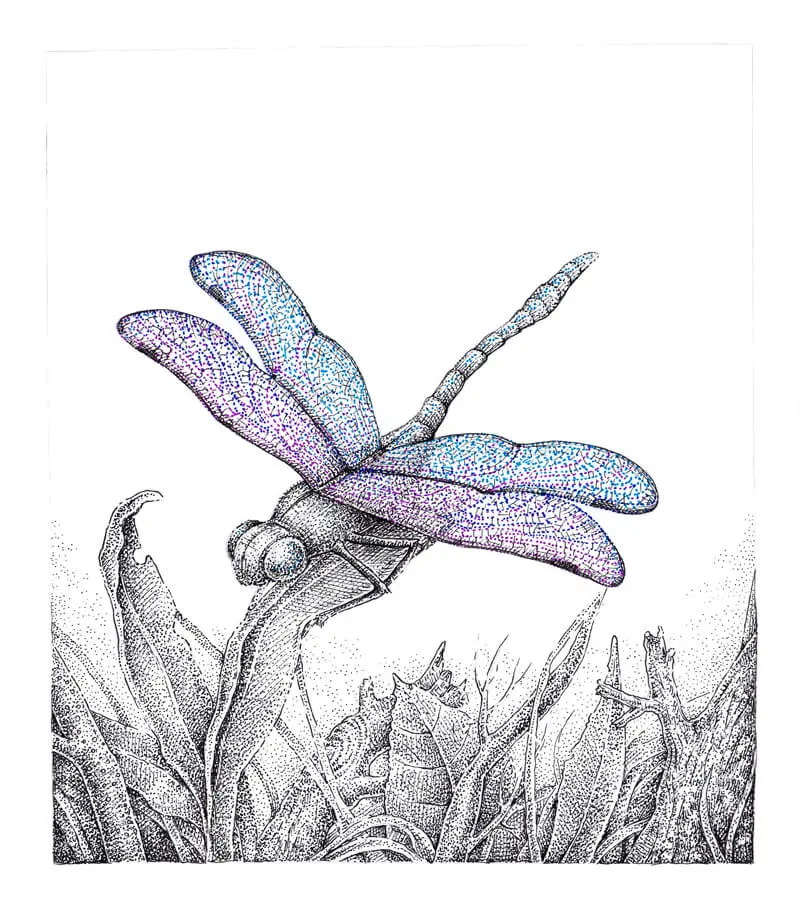
- Stippling: Using small dots to build tone and volume.
- Scumbling: Using scribbled loops to create texture and depth.
Why ink flow problems happen
Inconsistent ink flow is usually caused by dried ink, poor paper quality, or an incorrect nib angle. If your pen stops writing mid-stroke, it is likely that the feed has become clogged with dried pigment or binder. Flushing the pen with clean, cool water—or a dedicated pen flush solution—will typically resolve these blockages and restore the capillary action required for smooth drawing.
Paper choice is equally critical, as low-quality paper contains fibers that act like a wick, pulling ink away from the nib too quickly. This results in "feathering," where the ink spreads into the paper fibers, ruining fine details. Always look for paper labeled as "fountain pen friendly," which is often coated or high-gsm, preventing the ink from soaking through and ensuring your lines remain crisp and defined.
- Avoid using drawing paper intended for charcoal or pastels, as the toothy surface can catch the nib.
- Ensure your hands are clean, as oils from your skin can prevent ink from adhering to the paper.
- Store your pen nib-up when not in use to prevent leaking and drying.
Common mistakes when drawing with fountain pens
One of the most frequent mistakes is using excessive pressure, which can permanently misalign the nib tines. When the tines are misaligned, the pen will feel scratchy and may skip, as the ink is no longer flowing evenly from the feed to the paper. Another common error is failing to cap the pen during breaks; fountain pen ink is water-based and evaporates quickly, leading to "hard starts" where the pen refuses to write.
Finally, many beginners neglect the importance of ink properties. Some inks are "dry," meaning they flow slowly, while others are "wet" and flow freely. Matching the right ink to your pen’s flow characteristics is essential for a frustration-free experience. If your pen feels too dry, try a wetter ink to improve performance. By avoiding these pitfalls and practicing consistent maintenance, you will find that the fountain pen is a versatile, expressive tool for any artist.
Key facts
- Fountain pens use capillary action to draw ink from a reservoir through a feed to the nib.
- Use fountain pen-specific ink, as calligraphy or India inks contain shellac that will clog the internal mechanism.
- Hold the pen at a 45-degree angle to the paper to ensure the nib’s slit maintains contact with the surface.
- Apply minimal pressure; the weight of the pen is usually sufficient to produce a consistent line.
- Select high-quality, fountain pen-friendly paper, such as Rhodia or Tomoe River, to prevent ink feathering and bleed-through.
- Clean your pen every 4 to 6 weeks by flushing the nib and converter with cool, distilled water.
The bottom line
Drawing with a fountain pen offers a unique tactile experience that rewards patience and technique. By mastering the light touch required for the nib and selecting the correct ink and paper, you can achieve expressive line variations impossible with ballpoint pens. Consistent maintenance, including regular cleaning, ensures your instrument remains reliable, allowing you to focus entirely on the artistic process and the fluid movement of ink.
People also ask
Can I use any type of paper for fountain pen drawing?
No, standard printer paper is often too porous, causing ink to spread and bleed through the page. Use papers labeled as fountain pen-friendly or those with a higher weight, such as 90gsm or above, to maintain crisp lines.
How do I achieve different line widths?
You can vary line width by using a flexible nib, which spreads its tines under light pressure to create thicker strokes. Alternatively, rotate the pen to use the reverse side of the nib for a much finer, drier line.
What should I do if my pen stops writing mid-sketch?
This is often caused by dried ink in the feed or an air bubble in the converter. Gently shake the pen or touch the nib to a damp paper towel to re-establish capillary flow.
Is it possible to use waterproof ink for sketching?
Yes, many artists prefer iron-gall or pigmented inks that become permanent once dry. These allow you to add watercolor washes over your ink lines without the drawing smearing or dissolving.
How do I prevent ink from smudging while I draw?
Keep a small piece of scrap paper under your drawing hand to act as a barrier between your skin oils and the page. Additionally, allow sufficient drying time before layering colors or turning the page.
Why does my fountain pen leak when I travel?
Changes in air pressure, such as those experienced during air travel, can force ink out of the reservoir. To prevent this, keep your pen in a vertical position with the nib facing upward or empty the ink before flying.
This answer was created with the help of AI research tools and reference sources. Spotted an error? Let us know — we correct mistakes quickly. See our editorial policy.