How do you use India ink?
Short answer
India ink is a versatile, permanent black pigment used for drawing, calligraphy, and technical drafting. To use it, apply the ink with dip pens, brushes, or technical pens onto high-quality, heavy-weight paper. Once dry, the ink becomes waterproof and lightfast, making it an ideal medium for archival-quality illustrations and detailed ink washes.
On this page
What tools are needed for India ink?
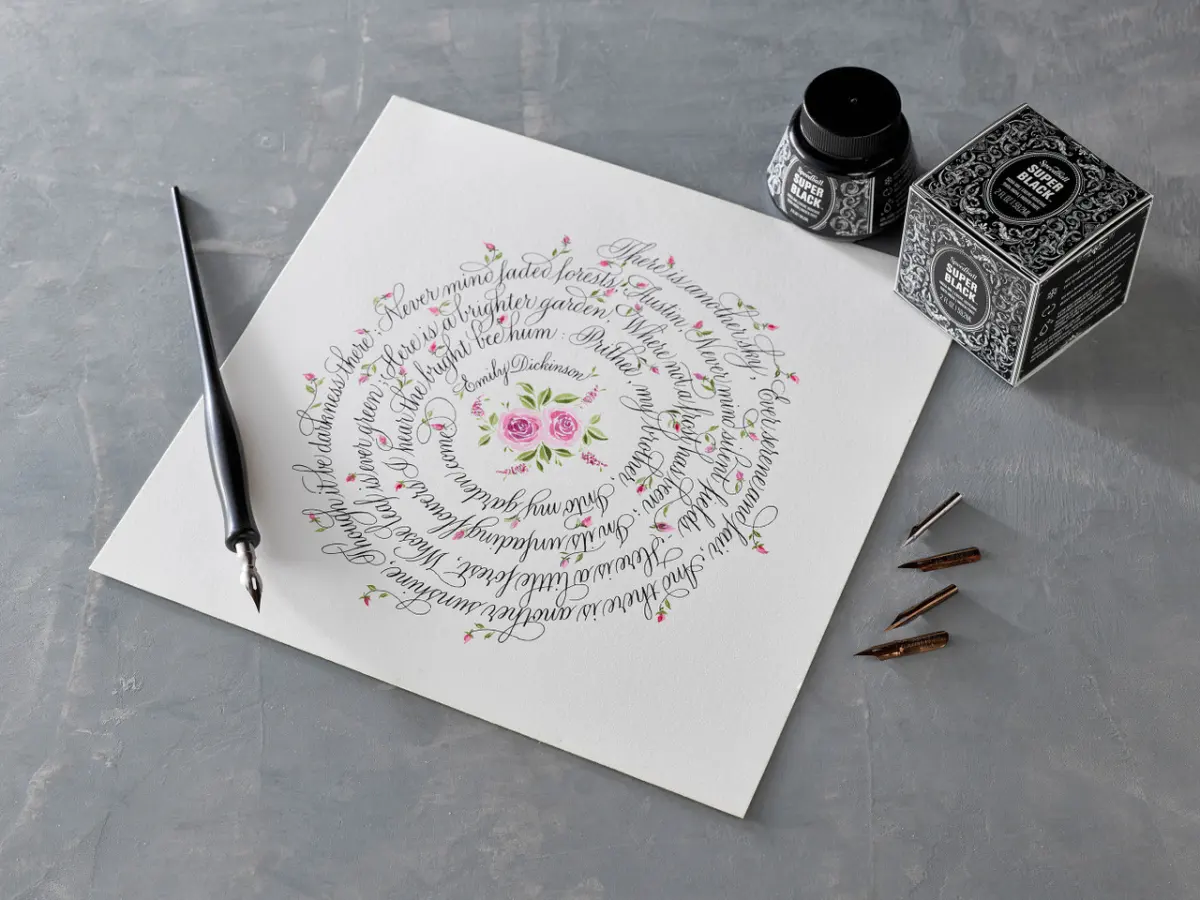
To begin working with India ink, you must select the appropriate application tools. Dip pens with interchangeable nibs are the standard for fine lines and calligraphy, while sable or synthetic brushes are preferred for washes and bold strokes. Technical pens are also popular for consistent, precise lines in architectural or design work. Because India ink contains shellac or other binders, it can quickly clog fine mechanisms, so choosing the right tool is essential for longevity.
In addition to your drawing implements, you will need a suitable surface. Standard printer paper is too thin and will buckle or bleed when exposed to the moisture of the ink. Instead, opt for hot-press watercolor paper, bristol board, or vellum, which are designed to handle wet media without warping. Having a small ceramic or glass palette is also helpful for diluting the ink with water to create varying shades of gray, known as ink washes.
- Select a high-quality, non-porous paper stock.
- Choose a dip pen nib that matches your desired line weight.
- Prepare a water container for cleaning brushes immediately after use.
- Use a dedicated palette to mix washes if necessary.
How to use India ink for drawing
The process of drawing with India ink requires a steady hand and an understanding of how the medium behaves. Unlike standard fountain pen inks, India ink is a suspension of carbon black pigment in water with a binder. This makes it opaque and permanent once dry. Start by dipping your nib or brush into the ink, then gently tap it against the side of the bottle to remove excess droplets. This prevents large, uncontrolled blobs from ruining your work.
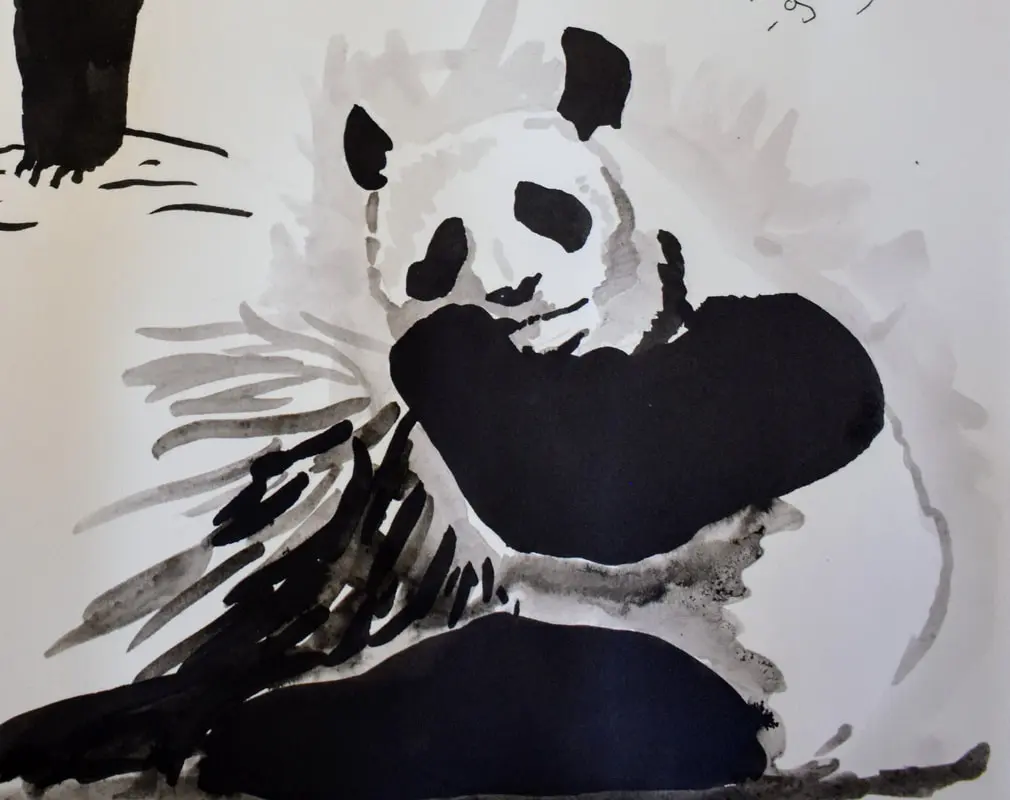
When layering, work from light to dark if you are using washes, or focus on line weight variation for direct drawings. Apply pressure to your nib to create thicker lines and lift it to achieve delicate, thin lines. If you are creating a wash, dip your brush into water first, then touch it to a small amount of ink on your palette. Gradually add more ink to the water until you reach the desired tone, testing the color on a scrap piece of paper before applying it to your final composition.
- Keep a scrap piece of paper nearby for testing ink flow.
- Apply light pressure for thin lines and heavy pressure for thick lines.
- Work in thin, buildable layers to avoid saturating the paper.
- Allow each layer to dry completely before adding further detail.
How long does it take for India ink to dry?
The drying time for India ink depends heavily on the thickness of the application and the humidity of your environment. On average, a thin line drawn with a dip pen will be dry to the touch within a few minutes. However, thicker pools of ink or heavy washes may take several hours to cure fully. It is crucial to be patient, as touching the ink before it is completely set can lead to smearing, which is difficult to correct given the permanent nature of the medium.
Environmental factors such as room temperature and airflow also play a significant role. In a dry, warm room, the water content of the ink evaporates faster, speeding up the process. Conversely, in humid conditions, the ink remains tacky for much longer. If you are working on a large piece, you can use a hairdryer on a cool, low setting to accelerate drying, but be careful not to blow the ink around the page. Always ensure the ink is bone-dry before attempting to erase any underlying pencil sketches.
Common mistakes when using India ink
The most frequent error beginners make is failing to clean their tools immediately after use. Because India ink contains binders that harden as they dry, it can permanently ruin a brush or clog a technical pen within minutes. If the ink dries inside a nib or brush, the tool may become unusable. Always keep a jar of clean water on your desk and rinse your equipment thoroughly as soon as you finish a session. Using a specialized pen cleaner or a mild soap solution can help remove stubborn residue.
Another common mistake is using the wrong paper. Using thin paper will result in "feathering," where the ink spreads along the paper fibers, creating fuzzy and imprecise edges. Furthermore, avoid shaking the bottle of ink vigorously before use, as this can create air bubbles that interfere with the flow of the ink. Instead, gently roll the bottle between your hands to mix the pigment. Finally, never pour unused ink back into the original bottle, as this can introduce contaminants that spoil the entire supply.
Why India ink is used for archival art
India ink has been a staple in the art world for centuries due to its exceptional permanence. Unlike dye-based inks that fade over time when exposed to sunlight, the carbon-based pigment in India ink is highly lightfast. This means that drawings created today will retain their deep, rich black color for decades or even centuries. This quality makes it the preferred choice for artists, comic book illustrators, and calligraphers who want their work to stand the test of time.
Beyond its longevity, the medium offers a unique aesthetic quality that is difficult to replicate with digital tools. The way the ink sits on the surface of the paper creates a subtle texture and depth that adds character to an illustration. Whether you are creating intricate cross-hatched portraits or bold, expressive calligraphy, India ink provides a level of contrast and intensity that remains unmatched. Mastering this medium requires practice, but the archival results and the tactile experience of working with traditional materials make it a deeply rewarding pursuit for any artist.
Key facts
- India ink is a permanent, water-resistant medium composed of fine soot or lampblack suspended in a binder like shellac or gelatin.
- Always shake the bottle thoroughly before use to ensure the pigment particles are evenly distributed throughout the liquid.
- Use a dip pen, technical pen, or high-quality sable brush to apply the ink, as it can clog fountain pens due to its shellac content.
- Clean your tools immediately after use with water or specialized pen cleaner because the ink becomes waterproof once it dries.
- Work on heavy-weight, cold-press watercolor paper or bristol board to prevent the ink from bleeding or warping the surface.
- Dilute the ink with distilled water to create varying shades of gray, known as "washes," to add depth and dimension to your drawings.
The bottom line
India ink is a versatile, permanent medium valued by artists for its deep black pigment and archival quality. By using the correct tools, such as dip pens or brushes, and ensuring thorough cleanup, you can achieve professional results on paper or primed canvas. Mastering the technique of diluting the ink allows for a wide range of tonal values, making it an essential tool for illustrators.
People also ask
Can India ink be used with a fountain pen?
No, you should avoid using standard India ink in fountain pens. The shellac binder will dry inside the delicate internal mechanisms, causing permanent clogs that are often impossible to repair.
How do you remove India ink stains from clothing?
If the ink is still wet, blot it immediately with a clean cloth, but do not rub it. Once dry, India ink is generally permanent, though some professional-grade solvents or heavy-duty laundry stain removers may lighten the mark.
Is India ink lightfast?
Yes, high-quality India ink is highly lightfast, meaning it will not fade significantly when exposed to sunlight over time. This makes it an ideal choice for archival illustrations and historical documents.
Can I use India ink on canvas?
You can use India ink on canvas, provided the surface has been properly primed with gesso. Without gesso, the ink will bleed into the fibers and create fuzzy, uncontrolled edges.
What is the difference between India ink and Chinese ink?
While both are carbon-based, traditional Chinese ink is often sold as a solid stick that must be ground with water on an inkstone. India ink is typically sold as a liquid, often containing binders like shellac for added durability.
How long does it take for India ink to dry?
India ink typically dries to the touch within a few minutes, depending on the humidity and the thickness of the application. However, it is best to wait at least 24 hours before applying other media over the ink.
This answer was created with the help of AI research tools and reference sources. Spotted an error? Let us know — we correct mistakes quickly. See our editorial policy.