What is journaling?
Short answer
Journaling is the practice of keeping a written record of personal thoughts, experiences, and observations. It serves as a tool for self-reflection, emotional regulation, and memory preservation. By documenting daily life, individuals can identify behavioral patterns, reduce stress, and improve clarity, making it a versatile habit for mental and personal development.
On this page
What is the purpose of journaling?
Journaling functions as a private space to externalize internal dialogues. By moving thoughts from the mind onto paper, individuals often gain a clearer perspective on complex emotions or stressful situations. Psychologists frequently recommend the practice to help clients process trauma, track mood fluctuations, and develop a stronger sense of self-awareness. It acts as a cognitive offloading mechanism that can lower anxiety levels by organizing scattered concerns into coherent narratives.
Beyond emotional health, journaling serves as a historical record of one’s life. Many people use it to document milestones, professional goals, and creative ideas that might otherwise be forgotten. Historically, figures like Leonardo da Vinci and Anne Frank utilized journals to capture observations and internal monologues, demonstrating how the practice bridges the gap between private reflection and intellectual growth. Whether used for therapeutic catharsis or systematic planning, the primary purpose remains the creation of a structured outlet for the human experience.
How to start journaling for beginners
Beginning a journaling habit does not require elaborate equipment or significant time commitments. The most effective approach is to lower the barrier to entry by focusing on consistency rather than volume. Beginners often find success by choosing a specific time of day, such as immediately after waking or just before bed, to anchor the habit to an existing routine.
- Select a medium that feels comfortable, such as a physical notebook or a digital application.
- Set a small, achievable goal, such as writing three sentences or five minutes per day.
- Choose a prompt if you feel stuck, such as "What is one thing I am grateful for today?"
- Write without worrying about grammar, spelling, or the quality of your prose.
- Review your entries periodically to identify recurring themes or personal growth over time.
By keeping the process simple, you avoid the common trap of perfectionism that often leads to abandoning the habit. The goal is to establish a sustainable rhythm that feels like a relief rather than a chore.
How long does it take to see benefits?
The timeline for experiencing the benefits of journaling varies depending on individual goals and the consistency of the practice. Some people report immediate relief after a single session of "brain dumping," where they write down all their anxieties to clear their mind. For long-term improvements in emotional regulation or habit tracking, however, most practitioners notice significant changes after four to six weeks of daily writing. This timeframe allows enough data to accumulate, enabling the writer to spot patterns in their behavior or triggers in their mood.
Consistency is a stronger predictor of success than duration. A five-minute entry written daily is generally more effective for cognitive development than a one-hour session once a month. As you continue the practice, the neurological pathways associated with reflection and self-regulation become more efficient. You may find that you can process stressors faster or approach problems with greater objectivity. Like physical exercise, the cumulative effect of journaling builds over time, turning a simple writing habit into a powerful tool for long-term mental resilience.
Common mistakes when journaling
One of the most frequent errors is treating the journal as a performance rather than a tool. Many beginners feel pressured to write profound or poetic entries, which leads to "writer’s block" and eventual burnout. When you approach the page with the expectation of being interesting, you stifle the honesty required for true self-reflection. It is essential to remember that nobody else will read your entries, so there is no need to edit or curate your thoughts for an audience.
- Trying to write too much, too often, which leads to fatigue.
- Focusing only on negative events, which can reinforce a pessimistic outlook.
- Using the journal as a place to dwell on problems without looking for solutions.
- Skipping entries and then feeling guilty, which creates a negative association with the habit.
- Neglecting to review past entries, missing out on valuable insights into your personal evolution.
To avoid these pitfalls, practice self-compassion. If you miss a day, simply resume the next day without trying to "catch up" on the missed time.
Best tools for journaling
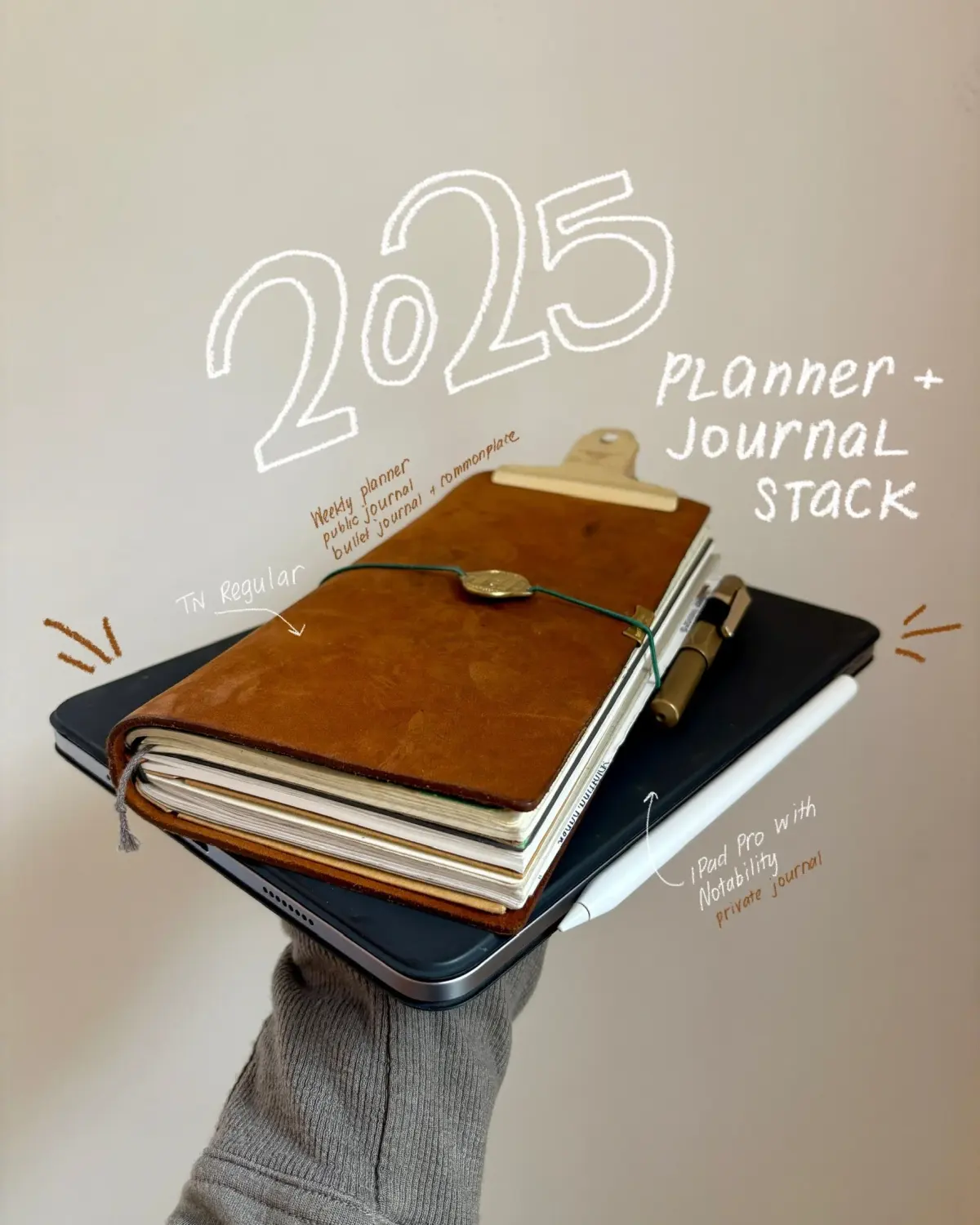
Choosing the right tools can significantly increase the likelihood of maintaining a journaling habit. For those who prefer a tactile experience, a high-quality notebook and a comfortable pen are essential. The physical act of writing by hand has been shown to improve memory retention and slow down the thought process, which is beneficial for deep reflection. If you choose physical journals, consider options with lay-flat bindings or archival-quality paper to ensure your thoughts are preserved for years to come.
Digital journaling has gained popularity due to its convenience and searchability. Many users prefer apps that offer features like password protection, automatic date stamping, and the ability to attach photos or audio clips. These tools are ideal for those who want to track their life on the go or who prefer typing over handwriting. Ultimately, the best tool is the one that you find most accessible and enjoyable to use. Regardless of the medium, the value of the journal lies entirely in the content you create and the consistency with which you engage with your own mind.
Key facts
- Journaling is the practice of keeping a written record of personal thoughts, experiences, and reflections.
- The practice dates back to at least the 10th century with the Japanese "nikki bungaku" or diary literature.
- Studies suggest that expressive writing for 15–20 minutes a day can reduce stress and improve immune function.
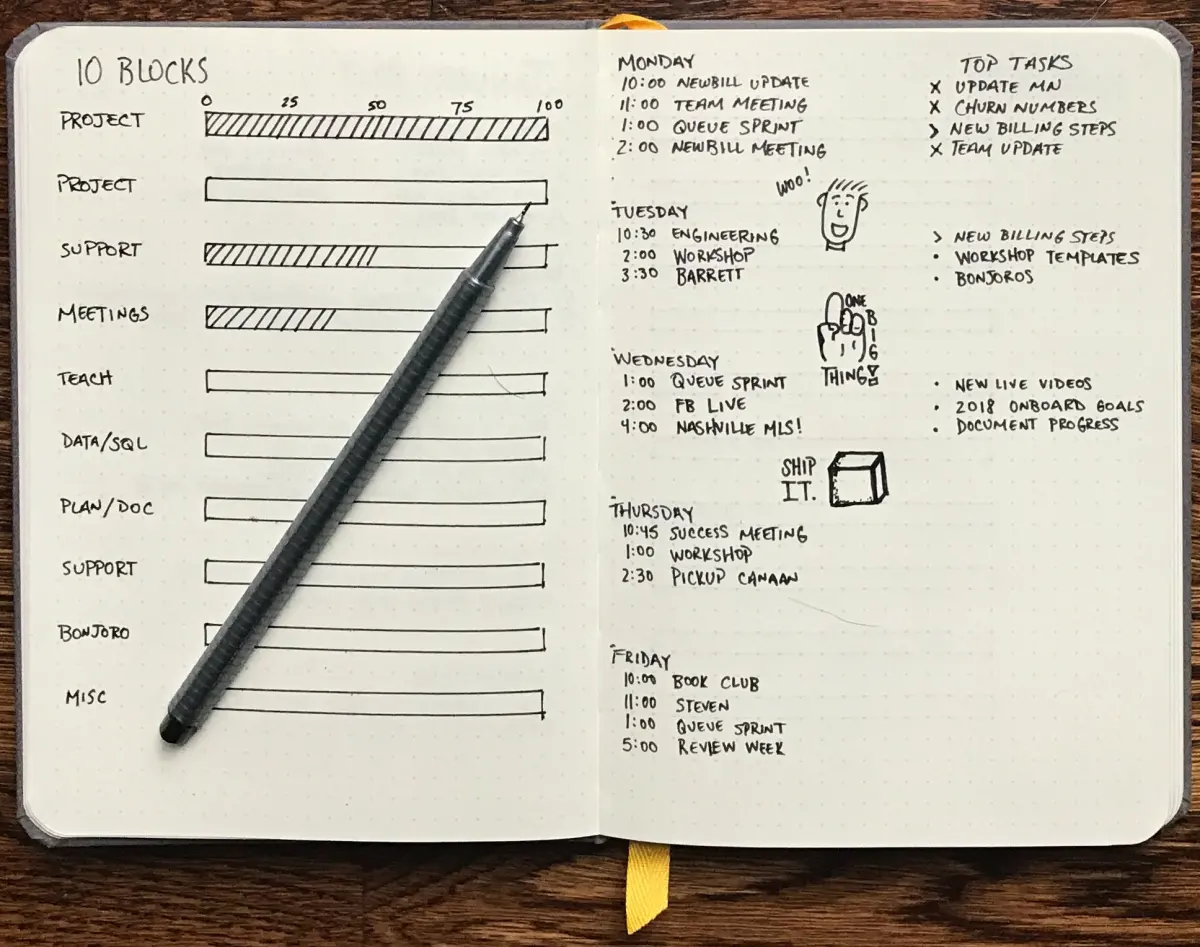
- Bullet journaling, created by Ryder Carroll in 2013, uses a specific system of symbols to track tasks and goals.
- Morning pages, a concept popularized by Julia Cameron, involve writing three pages of stream-of-consciousness thoughts immediately upon waking.
- Consistency is more important than volume; writing a single sentence daily is more effective than writing a long entry once a month.
The bottom line
Journaling is a versatile practice that serves as a private laboratory for your thoughts, emotions, and goals. Whether you prefer a structured bullet system or free-form reflection, the primary value lies in the act of consistent expression. By removing the pressure of perfection, you create a sustainable habit that fosters self-awareness, reduces stress, and provides a clear historical record of your personal growth over time.
People also ask
What is the difference between a diary and a journal?
A diary is typically a chronological record of daily events, while a journal often focuses on personal reflection, goal setting, or creative expression. While the terms are often used interchangeably, a journal is generally broader in scope and purpose.
How do I start a journaling habit if I am busy?
Begin by committing to just two minutes of writing per day or using a template with specific prompts. Place your journal next to your bed or coffee maker to ensure it becomes a part of your existing morning or evening routine.
Should I write by hand or use a digital app?
Handwriting is often recommended for better memory retention and a slower, more meditative pace. However, digital apps offer benefits like searchability, password protection, and the ability to add photos or audio clips easily.
What are the most common mistakes beginners make?
Many beginners make the mistake of trying to write perfectly or worrying about grammar and spelling. Another error is setting an unrealistic goal, such as writing a full page every day, which leads to burnout.
Can journaling help with mental health?
Yes, journaling provides a private space to process emotions, identify triggers, and practice gratitude. It serves as a tool for cognitive reframing, allowing individuals to see their challenges from a more objective perspective.
What should I do if I run out of things to write about?
Use prompts such as "What is one thing I learned today?" or "What is a challenge I am currently facing?" You can also track habits, list books you want to read, or simply describe your immediate surroundings.
This answer was created with the help of AI research tools and reference sources. Spotted an error? Let us know — we correct mistakes quickly. See our editorial policy.