What is the history of watercolor painting?
Short answer
Watercolor painting is a medium where pigments are suspended in a water-soluble binder, typically gum arabic. Its history spans from prehistoric cave paintings and Egyptian papyrus scrolls to the refined landscapes of the 18th-century English school. Today, it remains a versatile, portable, and transparent medium favored for its luminous, fluid aesthetic qualities.
On this page
How did watercolor painting begin?
The history of watercolor is as old as human artistic expression. Prehistoric artists used water-based pigments—often earth ochres and charcoal mixed with water or animal fat—to decorate cave walls. Ancient Egyptians later utilized watercolor-like paints on papyrus scrolls, while East Asian artists developed sophisticated ink wash traditions using bamboo brushes and mulberry paper. These early practices focused on line and symbolic representation rather than the layered transparency associated with modern Western watercolor.
During the Middle Ages, European monks used watercolor to illuminate manuscripts. They applied opaque pigments, often called gouache, to vellum to decorate religious texts with gold leaf and vibrant colors. It was not until the Renaissance that artists like Albrecht Dürer began using watercolors for independent studies of nature. Dürer’s detailed botanical drawings and landscape sketches demonstrated the medium’s potential for capturing light and texture, setting the stage for its eventual rise as a distinct fine art form in Europe.
Why did watercolor become popular in England?
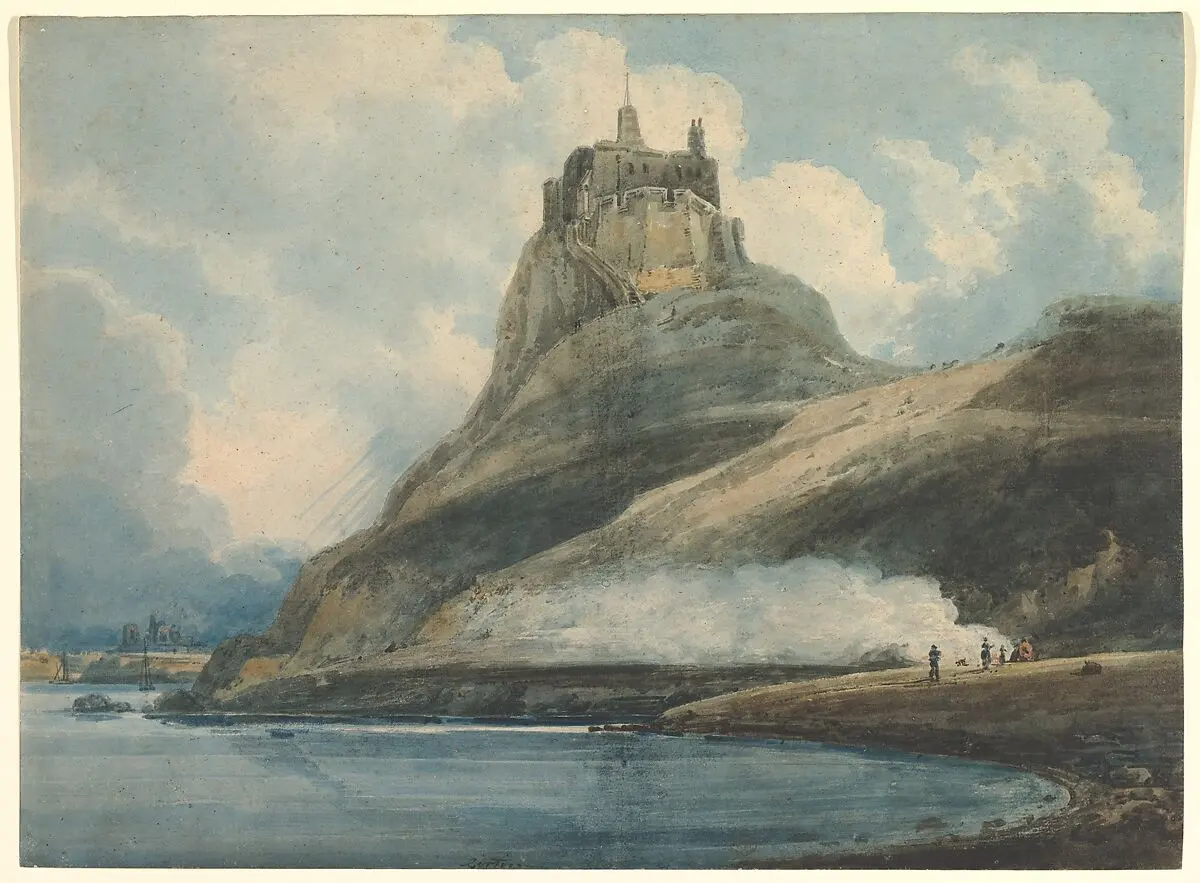
In the 18th century, England became the epicenter of watercolor innovation. Initially, it served as a practical tool for topographical artists and military engineers who needed to document landscapes and fortifications quickly. Because the materials were lightweight and dried rapidly, artists could easily travel to remote locations. These practical benefits transformed watercolor from a secondary sketching medium into a respected professional pursuit for serious painters.
The rapid rise of the medium was driven by several key factors:
- The portability of watercolor sets allowed artists to paint "en plein air" or outdoors.
- The development of commercially prepared cake paints simplified the mixing process.
- The influence of the Royal Academy provided a platform for watercolorists to exhibit their work.
- The growing middle class sought affordable, high-quality landscape art for their homes.
Figures like Paul Sandby, often called the "father of English watercolor," and later J.M.W. Turner, pushed the boundaries of the medium. Turner, in particular, used watercolor to capture atmospheric effects, light, and movement, proving that the medium could rival the complexity and emotional depth of traditional oil painting.
What are the essential watercolor techniques?
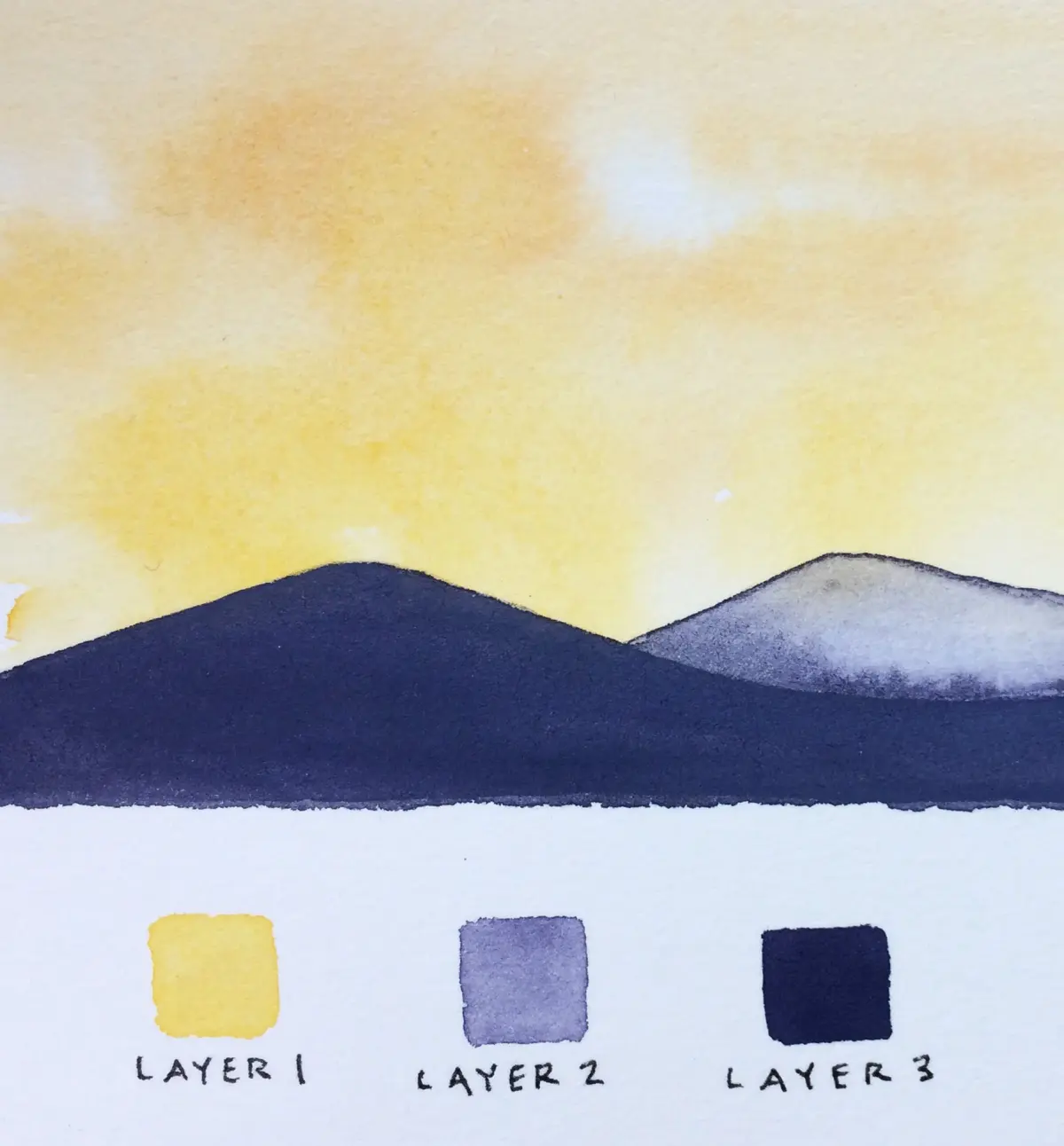
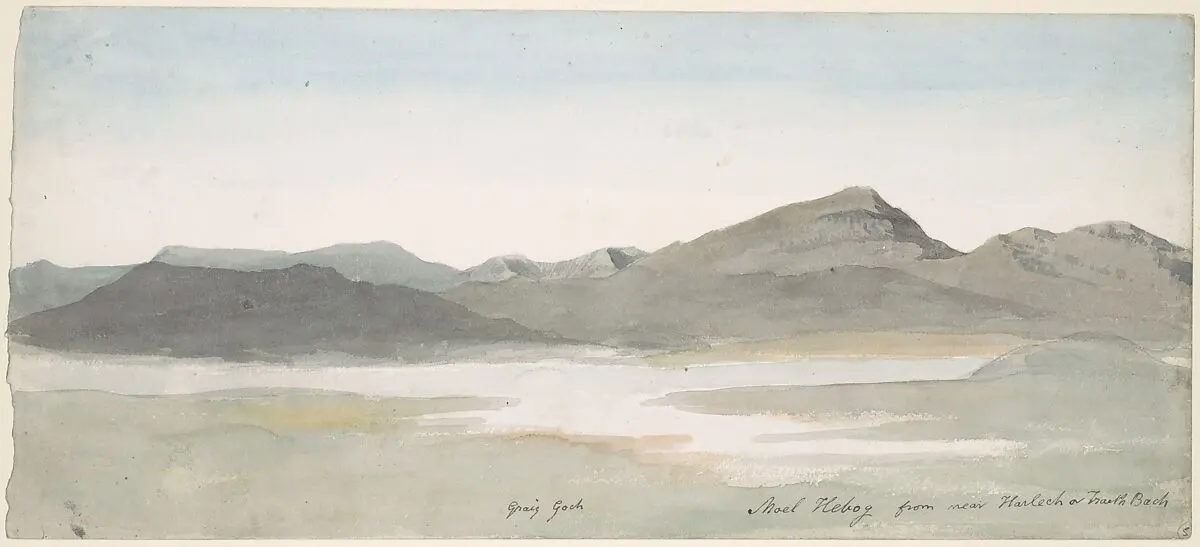
Mastering watercolor requires an understanding of how water interacts with paper and pigment. The defining characteristic of the medium is its transparency, which relies on the white of the paper to provide light. Unlike oil or acrylic, watercolor is applied from light to dark, meaning artists must plan their composition carefully to preserve the brightest highlights before applying deeper washes of color.
To begin your own watercolor journey, follow these fundamental steps:
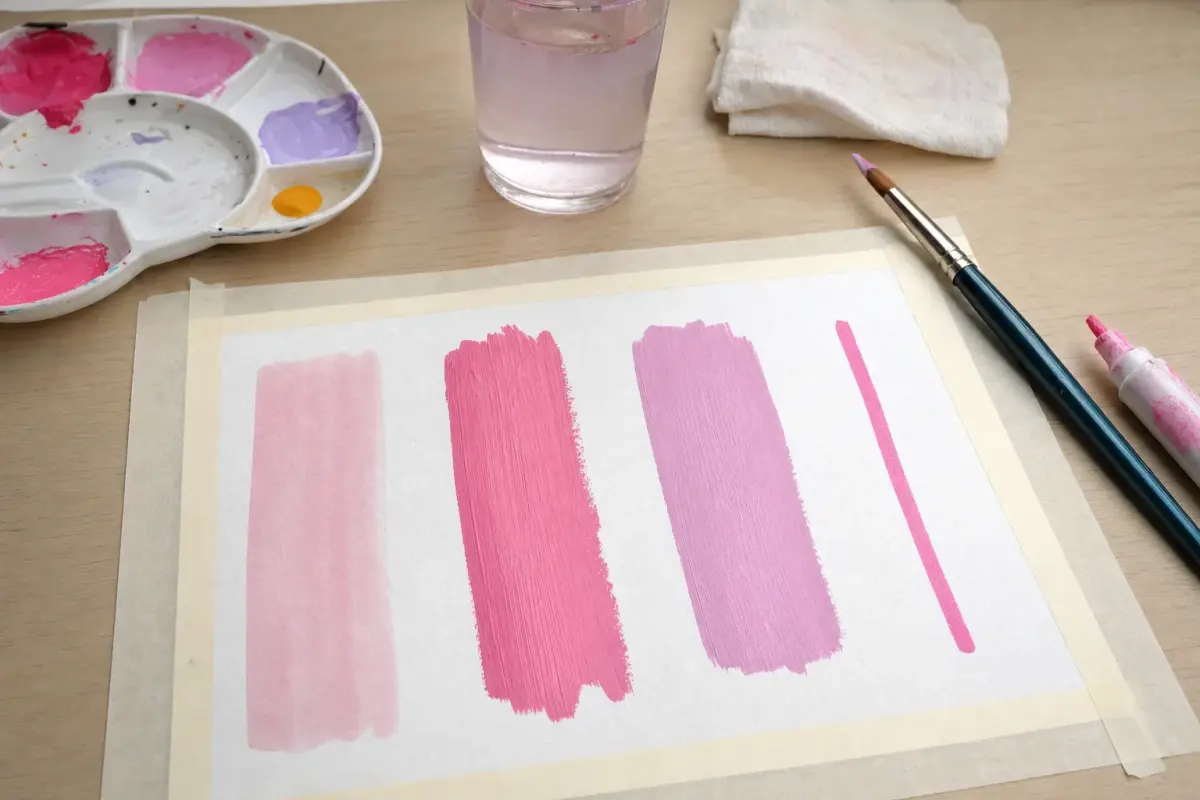
- Stretch your watercolor paper by soaking it in water and taping it to a board to prevent buckling.
- Mix a generous amount of pigment and water in your palette to ensure a consistent wash.
- Apply a "flat wash" by tilting your board slightly and pulling the bead of paint across the surface.
- Allow each layer to dry completely before applying a new color to avoid muddying the pigments.
- Use a "wet-on-wet" technique for soft, diffused backgrounds, or "wet-on-dry" for crisp, defined details.
How do you avoid common watercolor mistakes?
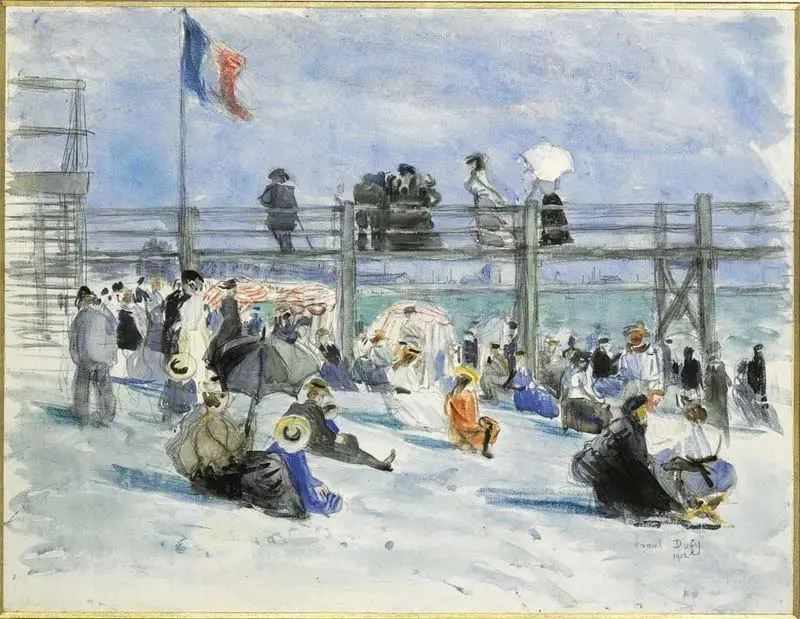
One of the most frequent errors beginners make is overworking the paper. Because watercolor is a delicate medium, scrubbing the surface with a brush can damage the paper fibers and create a dull, overworked appearance. It is better to apply a single, confident stroke and move on. Additionally, many novices use too little water, resulting in thick, streaky paint that lacks the characteristic luminosity of the medium.
Another common issue is the use of poor-quality materials. Watercolor is highly sensitive to the surface it is applied to, and cheap wood-pulp paper often resists pigment or dries too quickly. To ensure success, avoid these pitfalls:
- Using low-grade paper that pills or tears when wet.
- Neglecting to test colors on a scrap piece of paper before applying them to the final work.
- Using too many colors in a single mix, which creates a muddy, gray appearance.
- Failing to clean brushes thoroughly, which can contaminate future color mixtures.
Always invest in professional-grade pigments and 100% cotton cold-press paper to achieve the best results.
What is the future of watercolor painting?
While digital art and synthetic mediums have gained popularity, watercolor remains a vital and evolving discipline. Modern artists continue to experiment with the medium, often combining it with ink, gouache, or collage elements to create mixed-media works. The contemporary focus on sustainability and non-toxic materials has also renewed interest in traditional, earth-based pigments. As technology advances, the core appeal of watercolor—its unpredictable nature and the dialogue between artist and water—remains unchanged.
The medium continues to thrive in both academic and hobbyist circles globally. Whether it is used for intricate botanical illustration or large-scale abstract expressionism, watercolor offers a unique sensory experience that digital tools cannot replicate. Its history is a testament to its endurance, proving that the simple combination of pigment, water, and paper continues to offer infinite possibilities for creative exploration. As long as artists seek to capture the fleeting qualities of light and atmosphere, watercolor will remain an essential part of the artistic canon.
Key facts
- Watercolor paint consists of pigment suspended in a water-soluble binder, typically gum arabic.
- Cave paintings from the Paleolithic era used water-based binders like animal fat or plant resins.
- Albrecht Dürer is credited with elevating watercolor to a fine art form in the early 16th century.
- The 18th-century English school, led by J.M.W. Turner, established watercolor as a primary medium for landscapes.
- Always work from light to dark, as watercolor is transparent and cannot easily cover mistakes.
- Use high-quality, cold-press watercolor paper to prevent buckling and ensure even pigment absorption.
The bottom line
Watercolor painting is a historic, versatile medium defined by its transparency and fluidity. From ancient cave art to the masterful landscapes of the English Romantic era, it has evolved into a sophisticated art form. By mastering water control, paper selection, and layering techniques, artists can create luminous works. Success in this medium requires patience, as the paint’s inherent transparency demands deliberate planning and careful color management.
People also ask
What is the difference between watercolor and gouache?
Watercolor is transparent, allowing the white of the paper to shine through, while gouache is opaque due to added chalk. Gouache can be layered over dark colors, whereas watercolor requires careful planning of highlights.
Read the full answer →Can I use regular paper for watercolor painting?
Standard printer paper is not suitable because it is too thin and will warp or tear when wet. Watercolor paper is specifically sized to handle saturation and allows for proper pigment flow.
What are the essential brushes for a beginner?
A beginner needs a round brush for detail work and a flat or mop brush for covering large areas. Synthetic brushes are durable and affordable, while natural hair brushes hold more water.
How do I fix a mistake in a watercolor painting?
You can lift wet paint with a clean, damp brush or a paper towel to lighten an area. Once the paint is dry, however, it becomes permanent and is very difficult to remove without damaging the paper surface.
Why does my watercolor painting look muddy?
Muddy colors often result from overworking the paint or mixing too many colors together at once. Clean your brush thoroughly between colors and avoid excessive layering on the same spot.
How should I store my watercolor paintings?
Watercolor paintings are sensitive to light and moisture, so they should be framed behind glass with an acid-free mat. Keep them away from direct sunlight to prevent the pigments from fading over time.
This answer was created with the help of AI research tools and reference sources. Spotted an error? Let us know — we correct mistakes quickly. See our editorial policy.