What does a fashion illustrator do?
Short answer
A fashion illustrator creates visual representations of clothing, accessories, and style concepts through drawing, painting, or digital media. They bridge the gap between abstract design ideas and tangible marketing, producing sketches for runway shows, editorial magazines, advertising campaigns, and brand storytelling to communicate the aesthetic vision of a fashion house.
On this page
What does a fashion illustrator actually do?
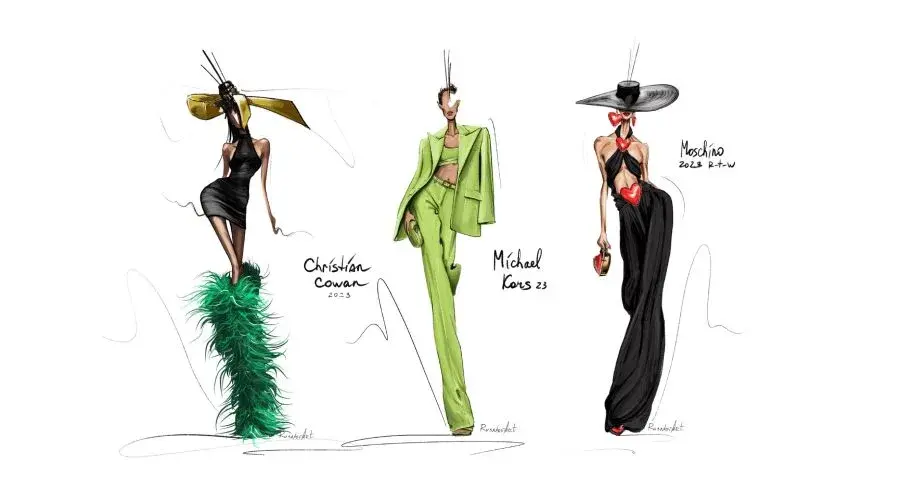
Fashion illustrators translate the creative vision of designers into compelling visual narratives. While a technical designer focuses on the precise measurements and construction of a garment, an illustrator captures the mood, movement, and silhouette of the design. Their work serves as the bridge between the initial concept and the final consumer experience, often appearing in luxury advertisements, high-fashion editorials, and social media campaigns. By emphasizing the "vibe" of a collection rather than the exact stitching, they help brands build an aspirational identity.
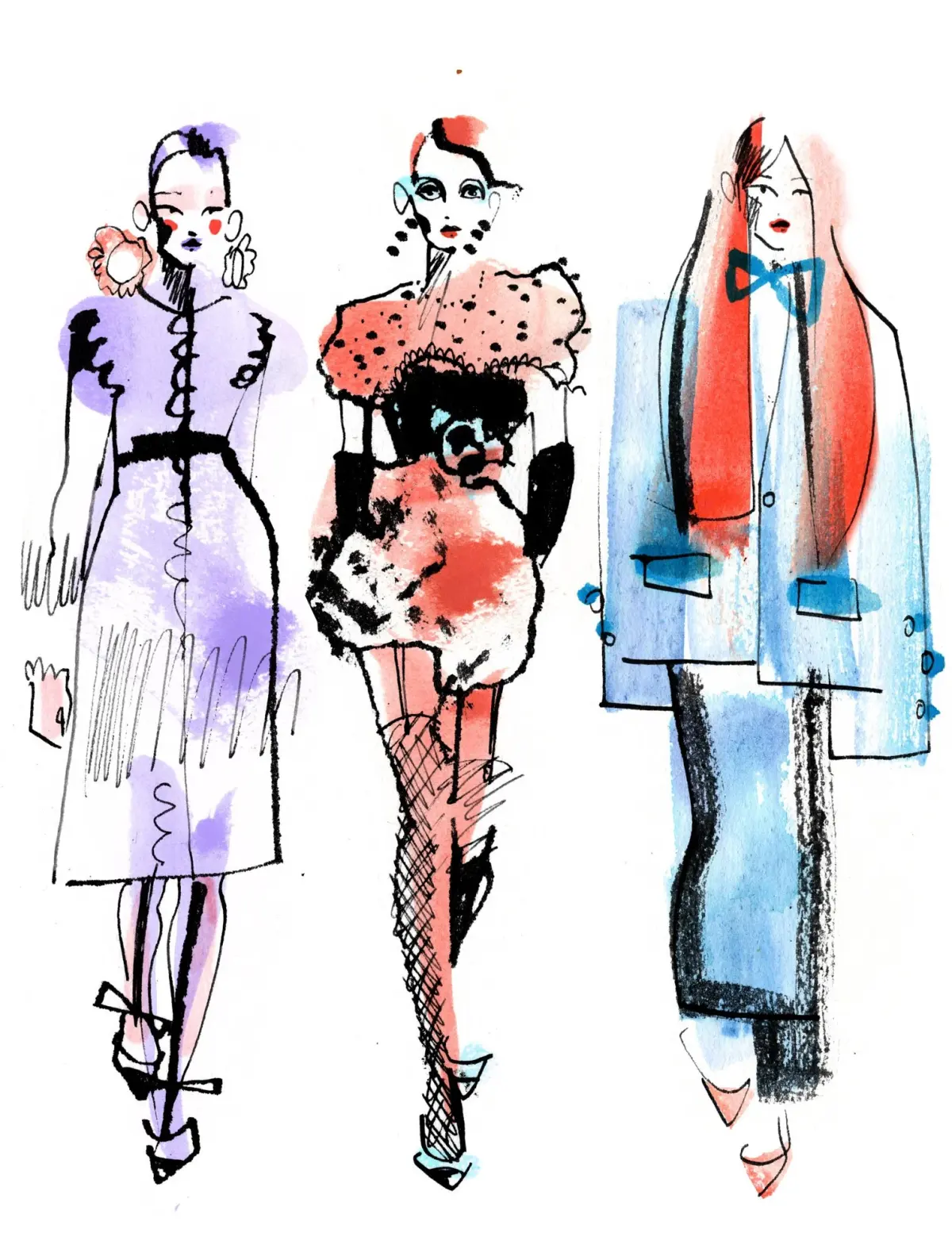
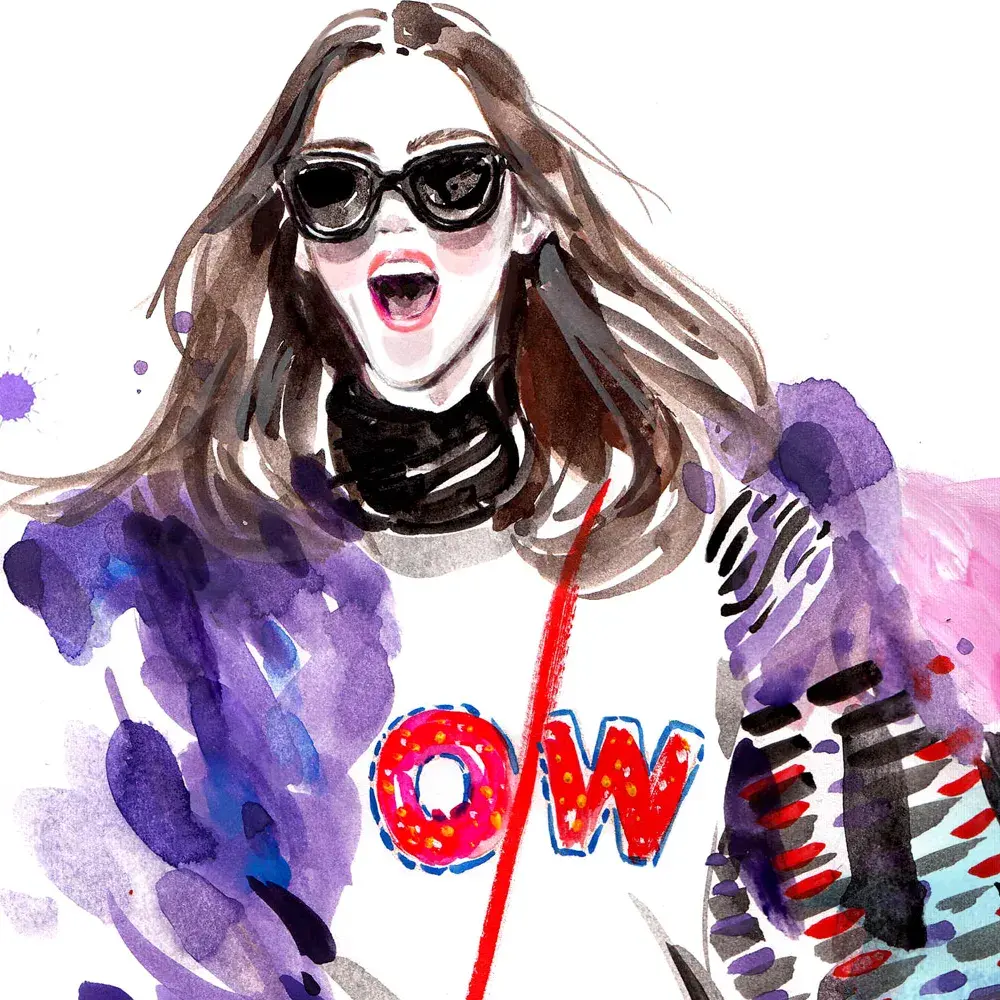
The profession requires a deep understanding of anatomy, fabric drape, and color theory. Illustrators must be able to translate the texture of silk, the weight of leather, or the transparency of chiffon onto paper or digital screens. They often work closely with creative directors to ensure the illustrations align with the season's overarching theme. Whether working in-house for a major label or as a freelance artist, they provide the essential artistic flair that keeps fashion marketing engaging and distinct from standard product photography.
How do you start a career in fashion illustration?
Building a career in this field requires a blend of artistic talent and a strong understanding of the fashion industry. Most professionals begin by developing a signature style that distinguishes their work from others. A strong portfolio is the most critical asset for any aspiring illustrator, as it demonstrates both technical proficiency and a unique creative voice. Many successful artists start by sketching runway looks from major fashion weeks, which allows them to practice capturing trends in real-time while building a body of work.
To establish yourself, follow these foundational steps:
- Master human anatomy and the "fashion figure," which is typically elongated to emphasize the drape of clothing.
- Build a diverse portfolio featuring different mediums, such as watercolor, ink, gouache, and digital software like Adobe Illustrator or Procreate.
- Network with editors, art directors, and brand managers through professional platforms and industry events.
- Create a dedicated social media presence to showcase your process, as many brands now scout talent directly through visual platforms.
What tools do fashion illustrators use?
The tools of the trade have evolved significantly, moving from traditional paper and pigment to sophisticated digital workflows. While many illustrators still prefer the tactile feel of physical media, the industry increasingly demands digital files for quick turnaround times and easy integration into marketing materials. A professional kit usually includes a mix of both worlds to ensure versatility.
Commonly used equipment includes:
- Professional-grade markers, such as Copic or Winsor & Newton, for vibrant and blendable color application.
- High-quality drawing paper or Bristol board that can withstand heavy ink or paint.
- Digital tablets, specifically those with pressure-sensitive styluses, for precision in digital painting.
- Software suites that allow for layering, which is essential for editing complex patterns or textures.
- Light boxes for tracing and refining sketches during the early stages of design development.
Why do fashion brands hire illustrators?
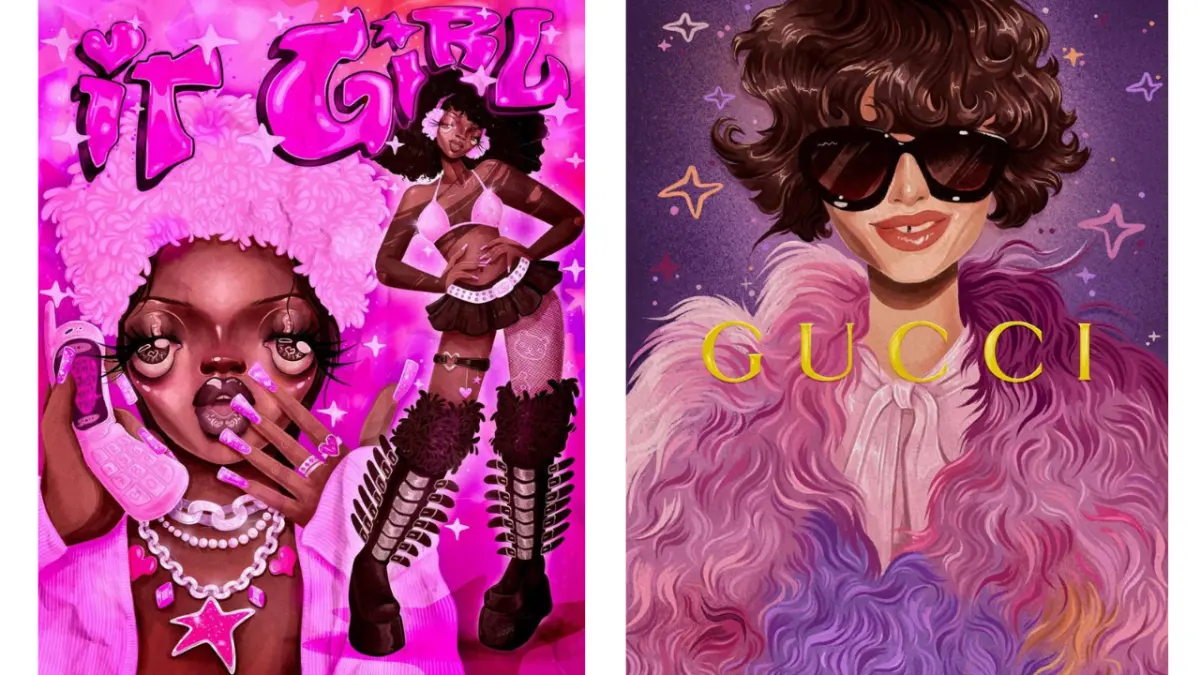
In an era dominated by high-definition photography, illustration offers a unique, human-centric appeal that photos often lack. Brands hire illustrators to inject personality and artistic interpretation into their campaigns, which can make a collection feel more exclusive or whimsical. Illustrations are particularly effective for storytelling, as they allow artists to exaggerate features or place models in surreal, imaginative environments that would be impossible or prohibitively expensive to capture with a camera.
Furthermore, illustrations provide a timeless quality that transcends the limitations of a specific model's look. By using stylized figures, a brand can ensure that the focus remains entirely on the design and the aesthetic concept. This artistic abstraction allows consumers to project themselves into the clothing, fostering a deeper emotional connection. Illustrators are also frequently commissioned for live sketching events at retail boutiques, where they create personalized portraits of customers, effectively turning a simple purchase into a memorable, high-touch brand experience.
Common mistakes when starting in fashion illustration
One of the most frequent errors beginners make is focusing too heavily on the face and hair while neglecting the actual garment. In fashion illustration, the clothing is the protagonist; if the fabric does not look like it has weight, movement, or texture, the illustration fails its primary purpose. Another mistake is failing to understand the technical aspects of the garments being drawn. Even if the style is abstract, an illustrator must understand how a sleeve attaches to a bodice or how a hemline falls, otherwise, the drawing will look structurally impossible and unprofessional.
Avoid these common pitfalls to improve your work:
- Over-detailing the background at the expense of the clothing design.
- Ignoring the importance of fabric physics, such as how heavy wool folds differently than light rayon.
- Failing to keep up with current fashion trends, which makes your portfolio look dated.
- Neglecting to learn basic graphic design principles, which are essential for formatting your work for print or web layouts.
- Being too precious with early sketches; speed and volume are often more important than perfection in the fast-paced world of commercial fashion.
Key facts
- Fashion illustrators translate clothing designs from abstract concepts into visual representations using traditional media like watercolor or digital software like Adobe Illustrator.
- The profession gained prominence in the early 20th century through magazines like Vogue and Harper’s Bazaar before photography became the industry standard.
- Illustrators often work on a freelance basis, charging either a flat project fee or an hourly rate that typically ranges from $50 to $200 depending on experience.
- A standard fashion figure, or "croquis," is intentionally elongated, often featuring 9 to 10 head-lengths to emphasize the drape and movement of fabric.
- Successful illustrators must possess a deep understanding of textile physics, including how silk, wool, and leather react to light and gravity.
- Common mistakes include neglecting the anatomy of the hands and feet or failing to maintain a consistent style that aligns with a brand's specific aesthetic.
The bottom line
Fashion illustration serves as a bridge between a designer’s vision and the final product, blending technical accuracy with artistic expression. By mastering anatomy, fabric physics, and digital tools, illustrators help brands communicate the mood and aesthetic of a collection. Whether working for high-end magazines or independent labels, these professionals play a vital role in visual storytelling, proving that hand-crafted imagery remains essential in modern fashion.
People also ask
Do fashion illustrators need a formal degree?
While a degree in fashion design or illustration provides foundational skills, it is not strictly required. Many professionals build successful careers through self-taught portfolios, specialized workshops, and consistent networking within the industry.
What is the difference between a fashion designer and an illustrator?
A fashion designer focuses on the technical construction, pattern making, and functional aspects of a garment. An illustrator focuses on the artistic communication of the design, often emphasizing mood and style over technical manufacturing specifications.
What tools are essential for a beginner?
Beginners should start with high-quality markers like Copic, fine-liner pens, and heavy-weight bleed-proof paper. Digital artists typically require a drawing tablet, such as a Wacom or iPad Pro, paired with professional design software.
How do illustrators find clients?
Most illustrators secure work by maintaining a curated online portfolio and engaging with art directors on platforms like LinkedIn or Instagram. Attending industry trade shows and fashion weeks also provides vital opportunities to connect with potential brand partners.
Is sketching by hand still relevant today?
Yes, hand-drawn sketches are highly valued for their unique, human touch and artistic flair. Many luxury brands commission hand-painted illustrations for marketing campaigns, store displays, and exclusive editorial content to differentiate themselves from mass-produced photography.
Can you specialize in a specific type of illustration?
Many illustrators specialize in niches such as bridal wear, streetwear, live event sketching, or technical fashion flats. Specialization allows artists to become experts in the specific textures and silhouettes associated with those particular markets.
This answer was created with the help of AI research tools and reference sources. Spotted an error? Let us know — we correct mistakes quickly. See our editorial policy.