What is fashion illustration?
Short answer
Fashion illustration is the visual art of communicating design concepts, garment silhouettes, and textile textures through drawing, painting, or digital media. It serves as a bridge between a designer’s initial creative vision and the final manufactured product, functioning as both a technical blueprint for production and an evocative marketing tool for brands.
On this page
What is the purpose of fashion illustration?
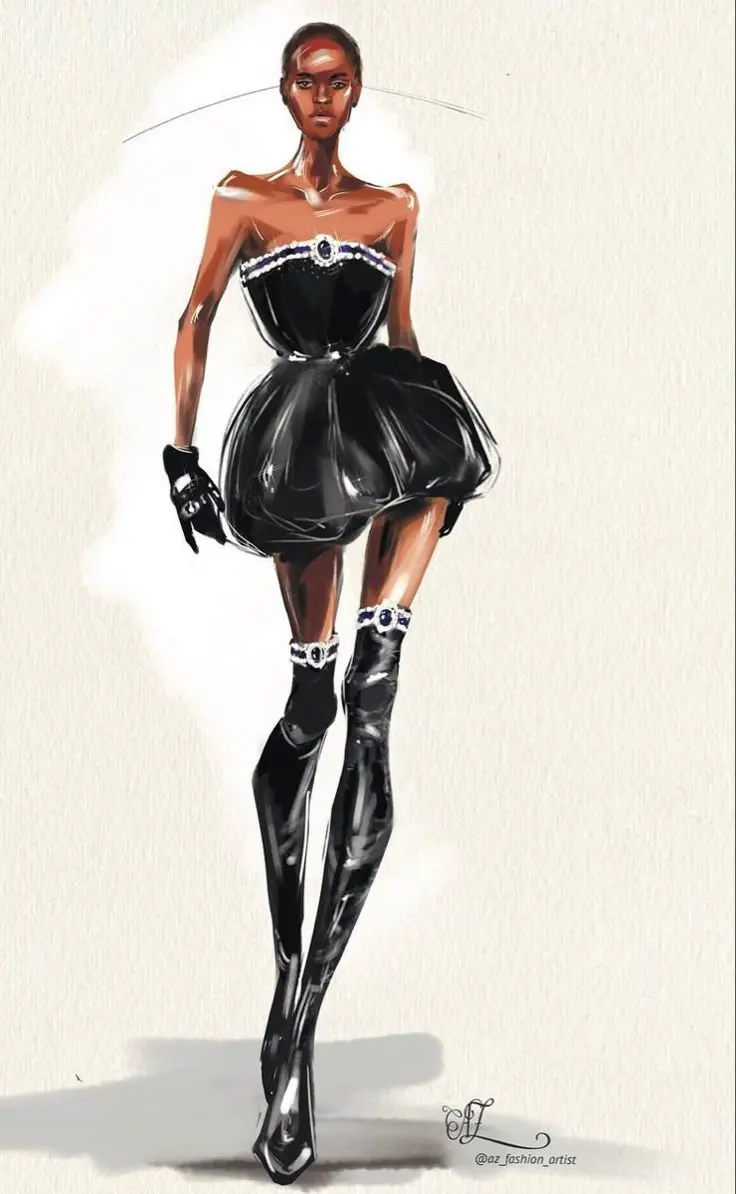
Fashion illustration serves two primary functions in the industry: creative conceptualization and commercial promotion. At the start of the design process, sketches allow designers to explore proportions, drape, and color palettes before committing to expensive fabrics. These rough drafts, often called croquis, provide a quick way to visualize how a garment moves on a human form.
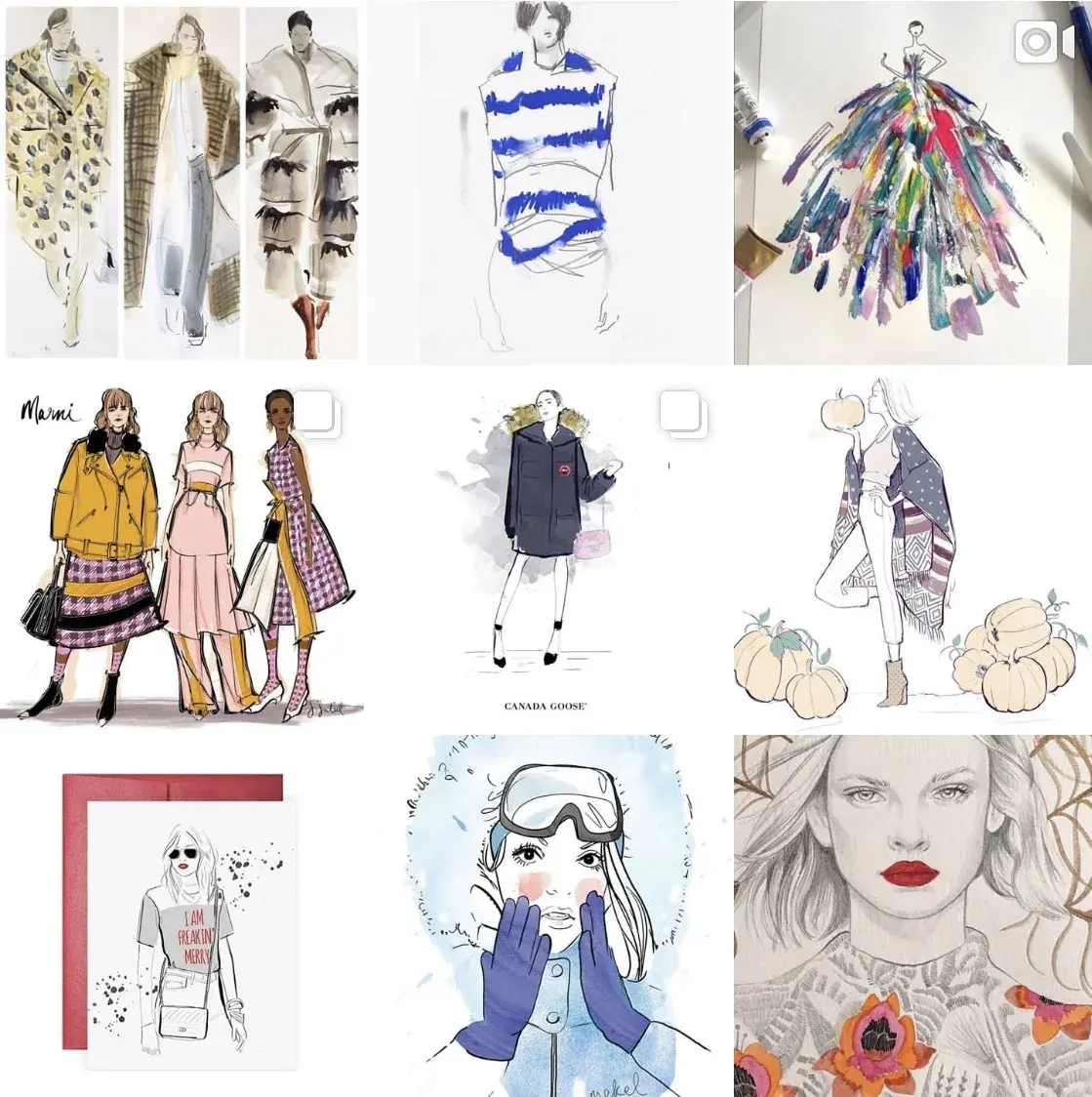
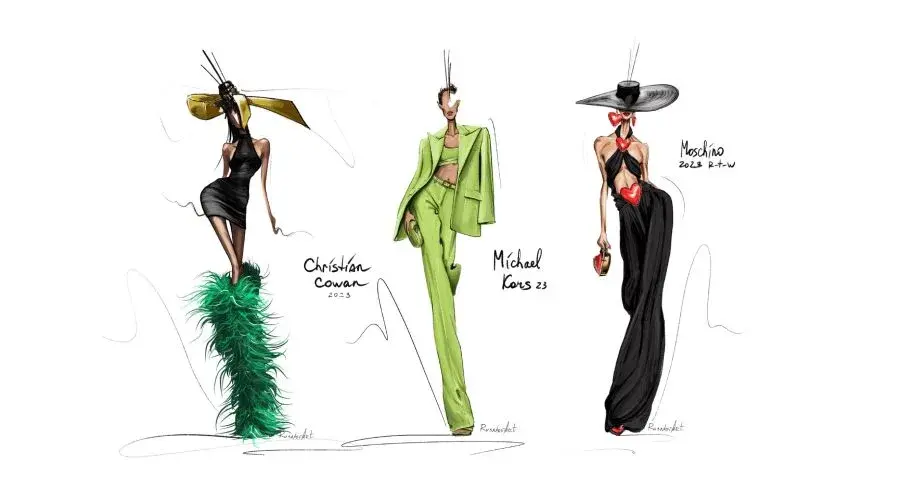
Beyond the studio, these illustrations act as a powerful medium for storytelling. High-end fashion houses use stylized, artistic renderings to establish a brand identity that photographs cannot always capture. By emphasizing specific details like the flow of a gown or the sharp tailoring of a suit, illustrators create an aspirational image that defines the mood of a collection. This visual shorthand is essential for communicating complex aesthetic ideas to stakeholders, editors, and consumers long before the clothing hits the retail floor.
How to start fashion illustration for beginners
Beginning a fashion illustration practice requires mastering the basic proportions of the human figure. Unlike standard anatomy, fashion figures are typically elongated to emphasize the garment’s silhouette. Most professional illustrators use a "nine-head" or "ten-head" scale, where the total height of the figure is measured by the length of the head.
To begin your journey, follow these fundamental steps:
- Sketch a vertical line to represent the spine and balance of the figure.
- Mark out nine equal segments along that line to serve as guides for the head, torso, and legs.
- Draw a simple oval for the head and a trapezoid for the shoulders to establish the frame.
- Add the torso and hips, keeping them slightly tilted to create a sense of movement.
- Sketch the limbs, focusing on the flow of the fabric rather than realistic muscle definition.
What tools do fashion illustrators use?
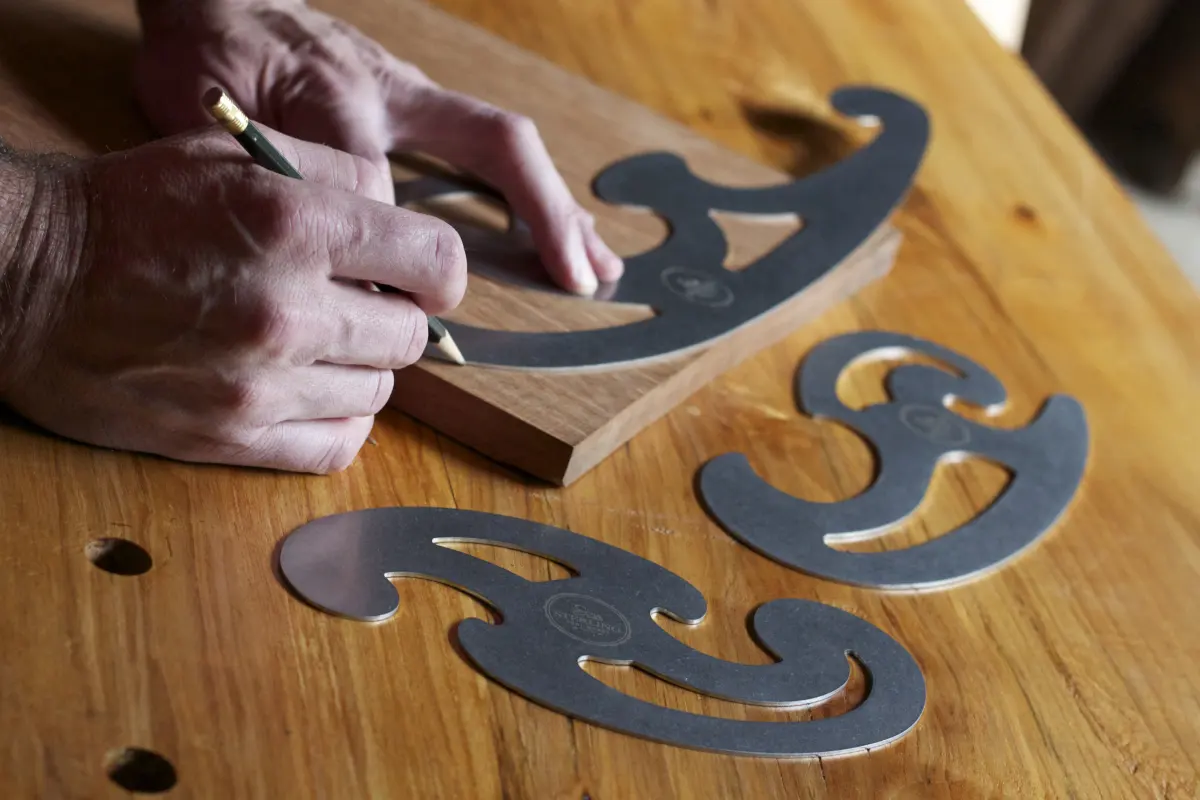
The choice of medium often dictates the final aesthetic of the illustration. Traditionalists frequently prefer tactile materials that offer unique textures and layering capabilities. Markers, such as Copic or Winsor & Newton, are industry favorites because they are translucent and blend seamlessly, making them ideal for rendering skin tones and fabric shadows.
Professional illustrators often utilize a variety of tools to achieve specific effects:
- Graphite pencils or mechanical pencils for initial structural outlines.
- Alcohol-based markers for vibrant, streak-free color application.
- Gouache or watercolor paints to create soft, ethereal textures and gradients.
- Fine-liner pens for adding intricate details like lace patterns, stitching, or embroidery.
- High-quality marker paper or Bristol board, which prevents ink from bleeding or feathering.
Why fashion illustration remains relevant today
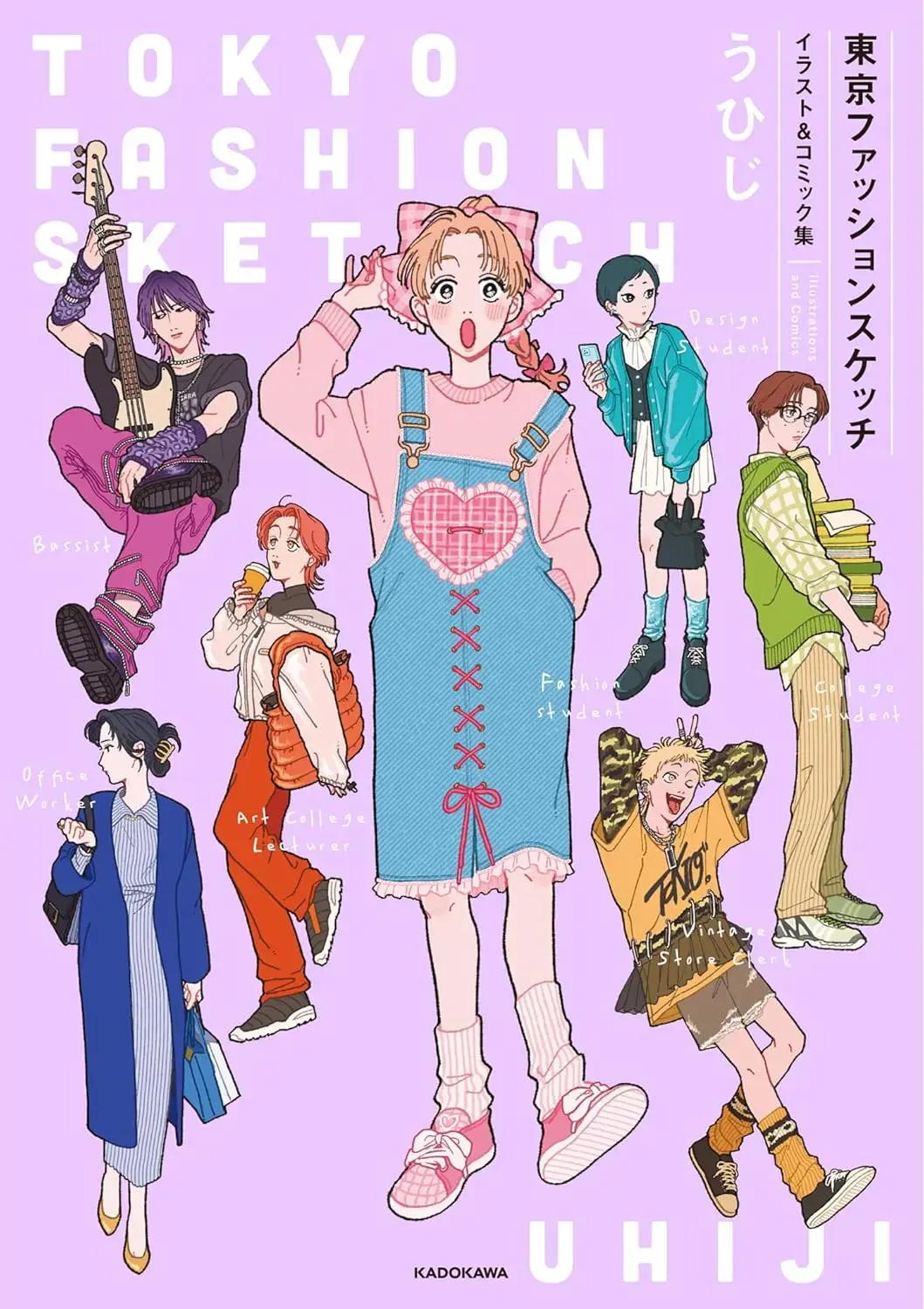
Despite the rise of photography and videography, illustration remains a cornerstone of the fashion industry because of its unique ability to interpret reality. A photograph captures a garment exactly as it exists, but an illustration can exaggerate features to highlight the designer’s intent. For instance, an illustrator can make a skirt appear more voluminous or a neckline more dramatic than is physically possible, focusing the viewer's attention on the artistic vision rather than the technical limitations of a garment.
Furthermore, illustration adds a layer of exclusivity and luxury to fashion communication. Hand-drawn works are perceived as bespoke and personal, creating an emotional connection with the audience. Many contemporary brands collaborate with renowned illustrators to create limited-edition prints, invitations, and social media content. This intersection of fine art and commercial design ensures that illustration remains a vital, evolving language within the global fashion landscape, constantly adapting to new trends while maintaining its historical prestige.
Common mistakes when drawing fashion figures
The most frequent error beginners make is focusing too heavily on anatomical accuracy at the expense of the clothing. While understanding the body is important, fashion illustration is ultimately about the garment. If the figure is too realistic, the clothes often look stiff or poorly fitted. Another common pitfall is neglecting the "line of action," which is the invisible curve that gives a drawing energy. Without this, the figure appears static and lifeless, failing to showcase how the fabric drapes during natural movement.
To improve your work, avoid these common pitfalls:
- Over-detailing the facial features, which distracts from the clothing design.
- Using heavy, dark outlines that flatten the image and remove depth.
- Ignoring the weight and texture of different fabrics, such as treating silk the same as denim.
- Failing to account for gravity, which causes fabric to bunch or stretch in specific ways.
- Neglecting the negative space around the figure, which is essential for a balanced composition.
Key facts
- Fashion illustration is the art of communicating fashion ideas in a visual form that originates with illustration, drawing, and painting.
- The "croquis" is the standard elongated figure template used by designers, typically drawn with 9 to 10 heads in height to exaggerate garment drape.
- Historically, the medium shifted from 16th-century woodcuts to the refined ink and watercolor sketches popularized by magazines like Vogue in the early 1900s.
- Modern illustrators often use a mix of traditional media like gouache and markers alongside digital tools to achieve specific textures.
- A common mistake is focusing too much on facial features; the priority must remain on the silhouette, fabric movement, and garment construction.
- Professionals often use a light box to trace their initial rough sketches onto high-quality marker paper or Bristol board for a clean final render.
The bottom line
Fashion illustration serves as the essential bridge between a designer's abstract vision and the physical garment. By mastering stylized proportions and focus on fabric behavior, illustrators communicate the mood and silhouette of a collection effectively. Whether used for industry production or artistic expression, this practice remains a cornerstone of design, requiring both technical discipline and a keen eye for the aesthetic movement of textiles.
People also ask
What is the difference between a fashion sketch and a technical drawing?
A fashion sketch is an artistic interpretation focusing on mood, style, and movement. A technical drawing, or "flat," is a precise, scaled diagram used by manufacturers to show exact seams, pockets, and construction details.
Do I need to know how to draw realistic human anatomy?
You need a foundational understanding of anatomy, but fashion illustration relies on stylized proportions. Most designers lengthen the limbs to emphasize the flow of fabric rather than anatomical accuracy.
What are the best materials for a beginner to start with?
Start with a 2H pencil for light sketching, a fine-liner pen for outlining, and alcohol-based markers for coloring. High-quality marker paper is essential to prevent ink from bleeding or soaking through the page.
How do illustrators represent different fabric textures?
Illustrators use specific mark-making techniques, such as cross-hatching for denim or soft, blurred gradients for silk. They often leave white space on the page to represent highlights and the reflective quality of shiny materials.
Is fashion illustration still relevant in the age of photography?
Yes, illustration offers a unique emotional quality and artistic vision that photography cannot always capture. It remains a vital tool for conceptualizing designs before they are ever cut from fabric.
How can I develop my own personal illustration style?
Experiment with different media and focus on what aspect of clothing interests you most, such as volume or intricate detail. Study the works of iconic illustrators like Antonio Lopez or René Gruau to see how they interpreted the human form.
This answer was created with the help of AI research tools and reference sources. Spotted an error? Let us know — we correct mistakes quickly. See our editorial policy.