What is medical illustration?
Short answer
Medical illustration is a specialized professional field that combines art and science to create accurate visual representations of biological and clinical information. Practitioners translate complex medical concepts into clear, accessible imagery for education, patient communication, and research. They use advanced digital tools and anatomical knowledge to document human health and disease.
On this page
What does a medical illustrator do?
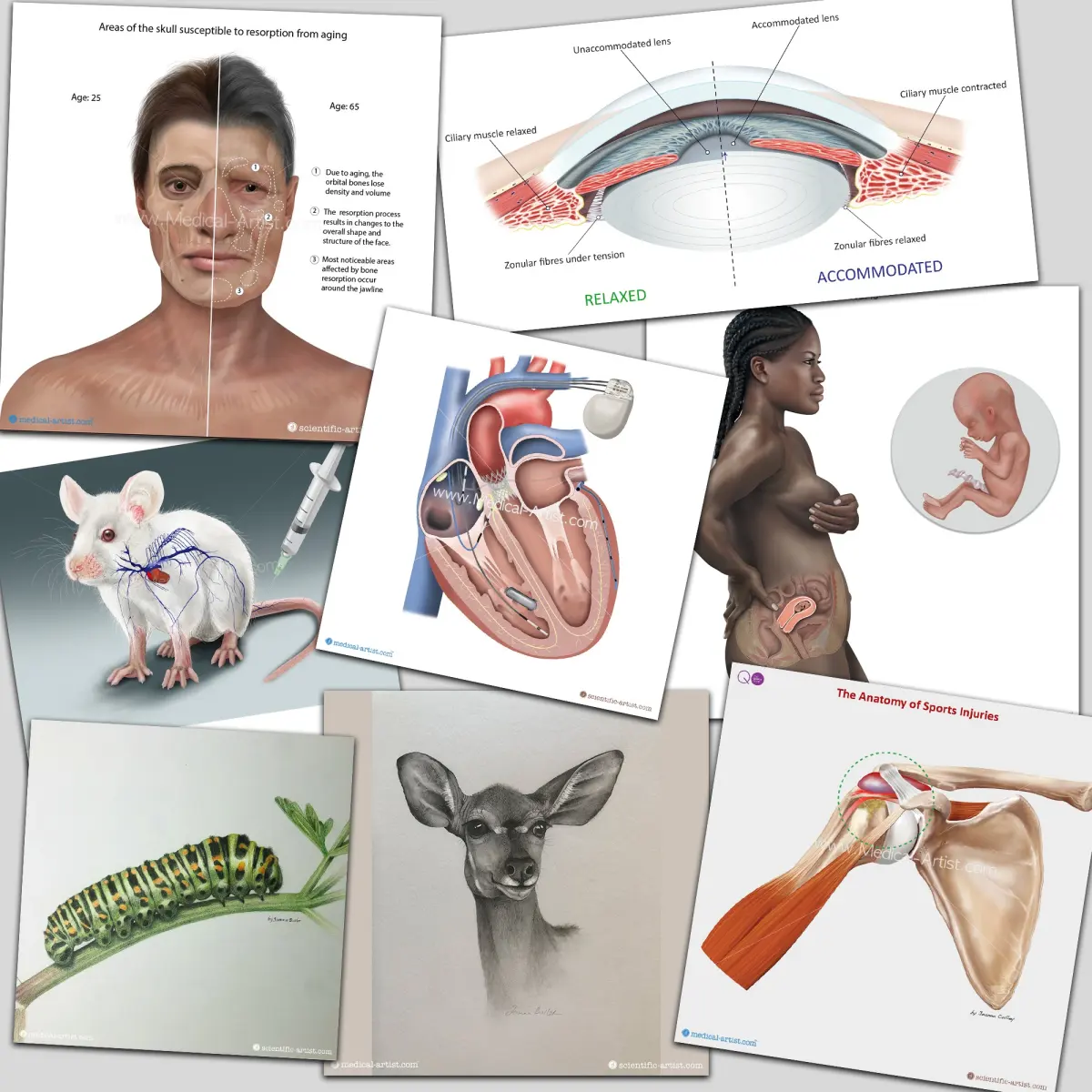
Medical illustrators function as visual translators for the healthcare and scientific communities. They bridge the gap between complex medical data and the audience's ability to understand it, whether for surgeons, medical students, or patients. By synthesizing information from clinical observations, cadaveric dissection, and medical imaging like MRI or CT scans, they create images that highlight specific anatomical structures or physiological processes.
Their work appears in various formats, including textbooks, surgical atlases, interactive digital modules, and patient education brochures. Beyond static images, many illustrators now produce 3D animations and augmented reality experiences to demonstrate procedures. They must possess a deep understanding of human anatomy, pathology, and artistic technique to ensure their work remains scientifically rigorous while being visually effective.
- Researching the medical topic through clinical literature and expert consultation.
- Sketching preliminary layouts to establish anatomical accuracy and perspective.
- Rendering the final image using digital painting or 3D modeling software.
- Reviewing the work with medical professionals to verify clinical precision.
How to become a medical illustrator?
Becoming a professional medical illustrator requires a unique blend of rigorous academic training in both fine arts and the biological sciences. Most practitioners hold a master's degree from an accredited graduate program in medical illustration. These specialized programs are highly competitive and typically require a portfolio demonstrating advanced drawing skills alongside a strong foundation in biology, chemistry, and anatomy.
Graduate curricula focus on advanced subject matter, including neuroanatomy, gross anatomy, and surgical observation. Students spend significant time in the dissection lab, gaining firsthand knowledge of human structure. This academic path ensures that graduates are not only skilled artists but also competent scientists who understand the clinical implications of the imagery they produce for high-stakes medical environments.
- Bachelor’s degree in fine arts or pre-medical sciences.
- Portfolio showcasing life drawing and anatomical accuracy.
- Master of Science in Medical Illustration from an accredited institution.
- Board certification through the Board of Certification of Medical Illustrators (BCMI).
Why is medical illustration important in medicine?
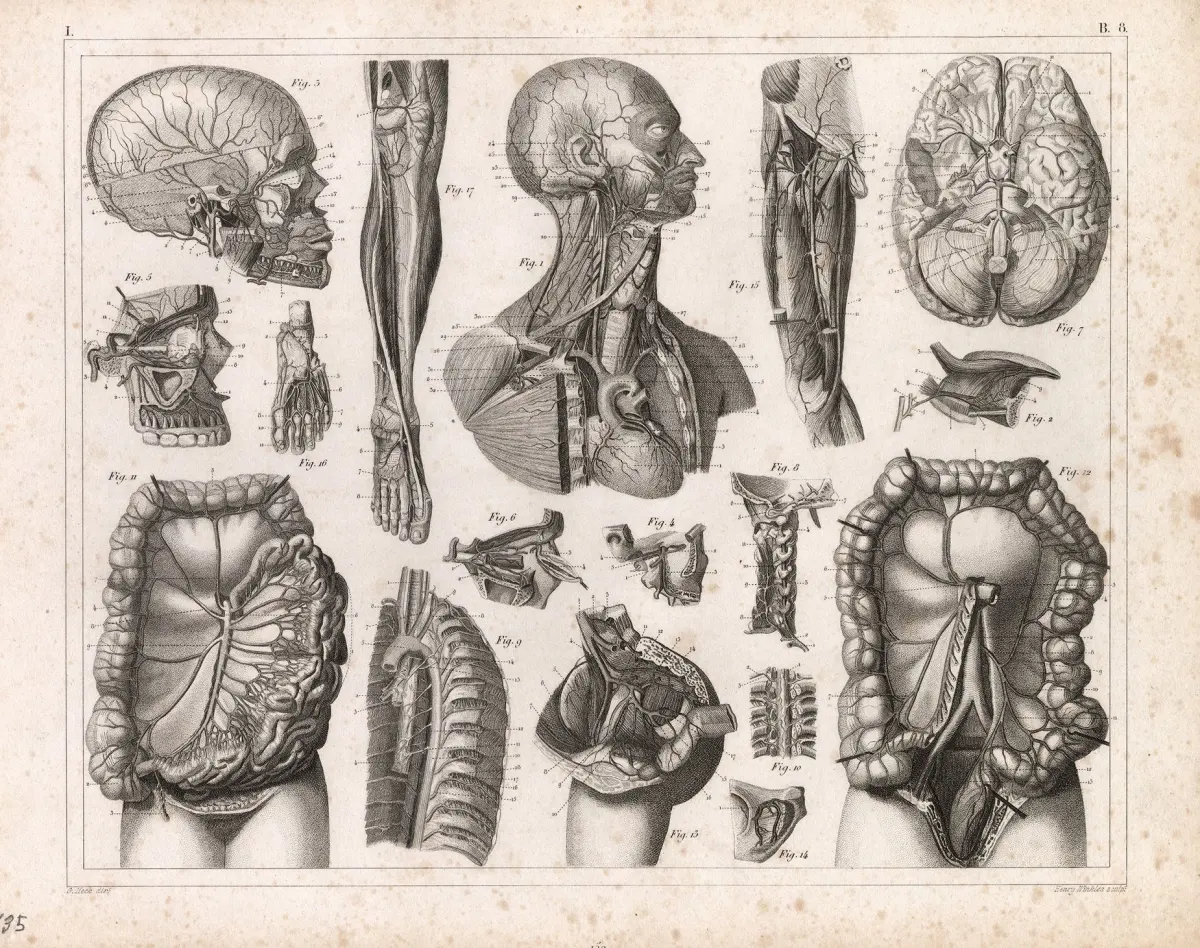
Medical illustration serves as an essential tool for knowledge transfer in medicine. Because human anatomy is complex and often obscured by skin and tissue, illustrations provide a "window" into the body that photographs cannot always achieve. An illustrator can choose to omit distracting details or highlight specific nerves and vessels, creating a simplified, clear representation that emphasizes the most critical information for the viewer.
This clarity is vital for surgical planning and patient outcomes. When a surgeon reviews an illustration of a specific procedure, they can better visualize the approach and potential complications. Similarly, patients who understand their diagnosis through clear visual aids are more likely to adhere to treatment plans. By standardizing medical knowledge through high-quality imagery, illustrators help reduce errors and improve the efficiency of medical communication across the globe.
Common mistakes when creating medical illustrations
One of the most frequent errors in the field is prioritizing aesthetic appeal over anatomical accuracy. While a piece may look visually stunning, it fails its primary purpose if the anatomical relationships or physiological processes are misrepresented. Illustrators must avoid "artistic license" that distorts the actual structure of the body, as this can lead to dangerous misconceptions among medical students or practitioners.
Another common mistake is failing to consult with subject matter experts throughout the development process. An illustrator should never assume their initial research is exhaustive. Without regular feedback from surgeons or specialists, an illustration may contain subtle errors in orientation, scale, or surgical technique. Furthermore, neglecting the intended audience can lead to designs that are either too simplistic for professionals or too technical for the general public, rendering the work ineffective.
Best practices for medical illustration projects
Successful projects begin with a clear definition of the intended audience and the specific learning objective. Before picking up a digital stylus, the illustrator must determine whether the goal is to teach a surgical technique, explain a disease mechanism, or provide a general overview for a patient. This focus dictates the level of detail, the color palette, and the overall composition of the final piece.
Consistency and clarity are the hallmarks of professional work. Use a standardized visual language, such as consistent color-coding for specific tissues or systems, to help the viewer navigate the image. Always ensure that the scale and perspective are maintained throughout the series to prevent disorientation. By maintaining a balance between scientific integrity and visual storytelling, an illustrator ensures that their work remains a reliable and enduring resource for the medical community.
Key facts
- Medical illustration is a specialized profession that combines fine art, biological science, and communication design to visualize complex anatomical and physiological information.
- Professionals in this field typically hold a Master of Science degree from an accredited program, such as those recognized by the Association of Medical Illustrators (AMI).
- Most medical illustrators use a combination of 3D modeling software, digital painting tools, and traditional sketching techniques to create accurate educational assets.
- These experts work across diverse sectors, including medical textbook publishing, patient education, surgical planning, and legal exhibits for personal injury litigation.
- A foundational requirement for the career is a deep understanding of human anatomy, often gained through direct observation of human cadaver dissection.
- Accuracy is the highest priority; a common mistake is prioritizing aesthetic appeal over the biological precision required for medical training or clinical documentation.
The bottom line
Medical illustration serves as an essential bridge between complex scientific data and human understanding. By blending rigorous anatomical knowledge with sophisticated digital artistry, these professionals clarify intricate biological processes for surgeons, students, and patients alike. Whether through static diagrams or dynamic 3D animations, the field ensures that critical medical information is communicated with the precision and clarity necessary to advance healthcare education and clinical practice.
People also ask
How does medical illustration differ from medical photography?
Medical illustration focuses on conceptualizing and simplifying complex internal processes that are often invisible or obscured during surgery. While photography captures a literal snapshot of a patient or procedure, illustration can highlight specific layers, remove distracting tissue, or show the flow of blood and medicine through the body.
Do medical illustrators need to be doctors?
No, medical illustrators are not required to be doctors, though they must possess a deep, near-clinical understanding of anatomy and pathology. They function as translators, bridging the gap between scientific research and public understanding through visual communication.
What software do medical illustrators use?
Professionals commonly use industry-standard tools like Adobe Creative Cloud for 2D work and programs such as ZBrush, Maya, or Cinema 4D for 3D modeling. These tools allow for the creation of interactive models that can be rotated or sectioned for better educational clarity.
Is medical illustration only used in textbooks?
While textbooks are a traditional outlet, the field has expanded significantly into digital media, including surgical simulation software and patient-facing mobile applications. Illustrators also create animations that visualize cellular processes, which are essential for pharmaceutical marketing and research presentations.
How do I become a medical illustrator?
You must typically earn a bachelor’s degree in fine arts or pre-medical science before applying to a specialized graduate program. These programs provide the rigorous training in anatomy, embryology, and digital technology necessary to pass the Certified Medical Illustrator (CMI) board examination.
Can medical illustrators work as freelancers?
Many medical illustrators operate as independent contractors, serving a variety of clients such as hospitals, legal firms, and medical device companies. Freelancers must manage their own business operations while maintaining a portfolio that demonstrates both artistic versatility and scientific accuracy.
This answer was created with the help of AI research tools and reference sources. Spotted an error? Let us know — we correct mistakes quickly. See our editorial policy.