What are the best calligraphy pens for beginners?
Short answer
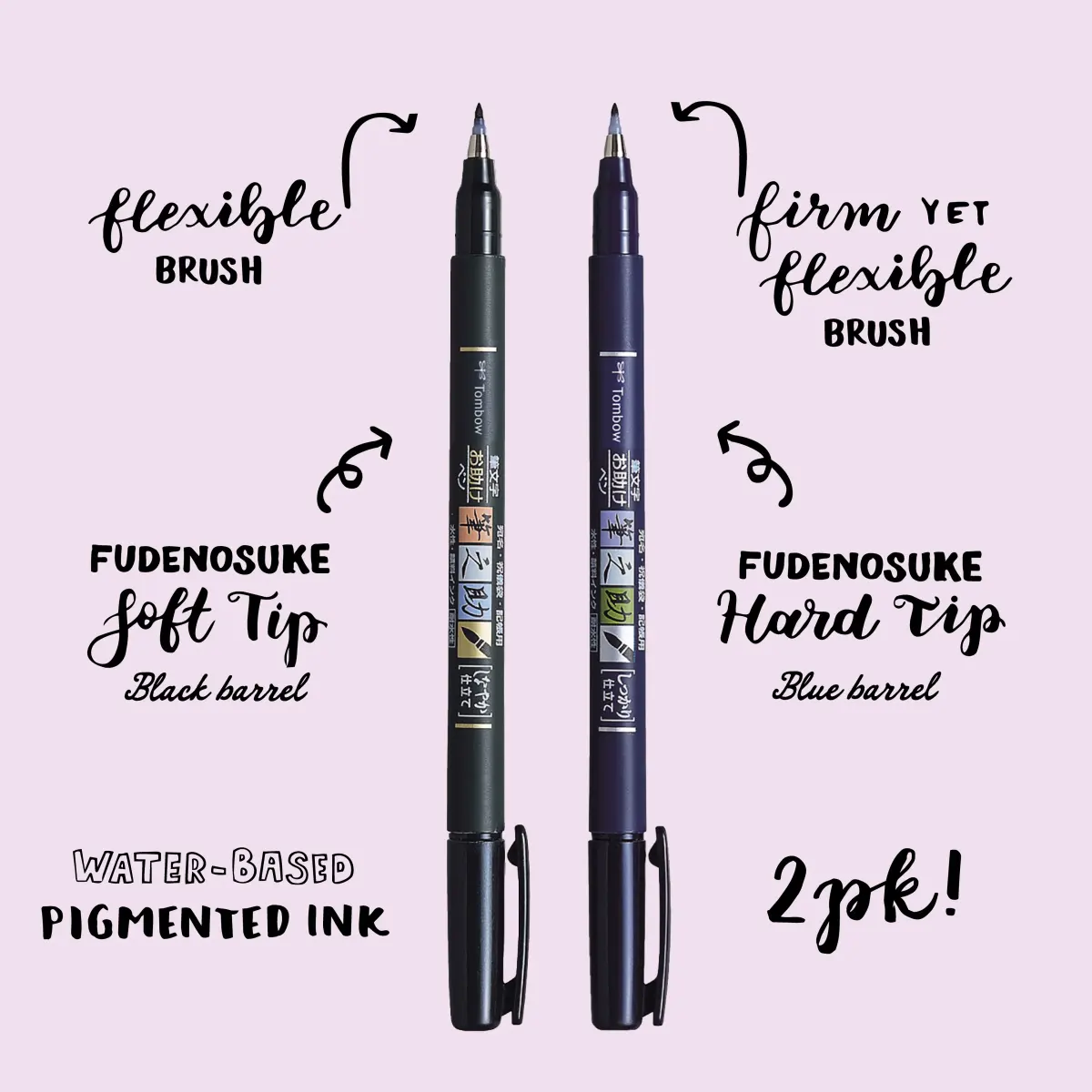
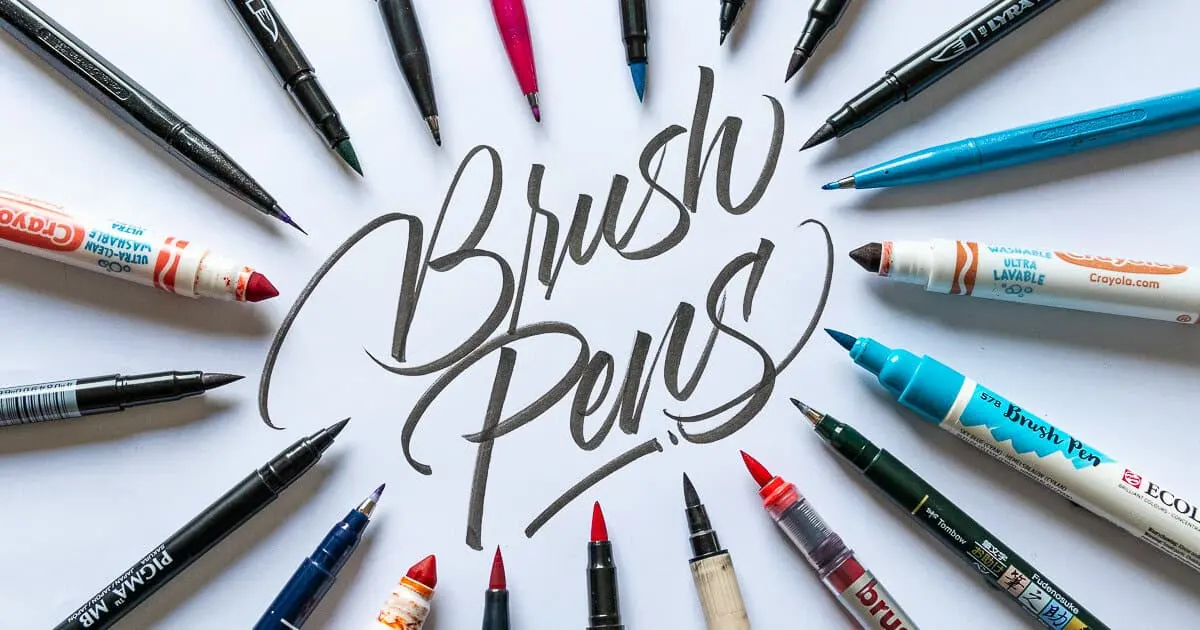
The best calligraphy pens for beginners are felt-tip brush pens, such as the Tombow Fudenosuke or Pentel Fude Touch. These tools offer excellent control, require no ink preparation, and mimic the pressure-sensitive strokes of traditional dip pens. They are ideal for mastering basic letterforms and building muscle memory before transitioning to advanced equipment.
On this page
Best calligraphy pens for beginners
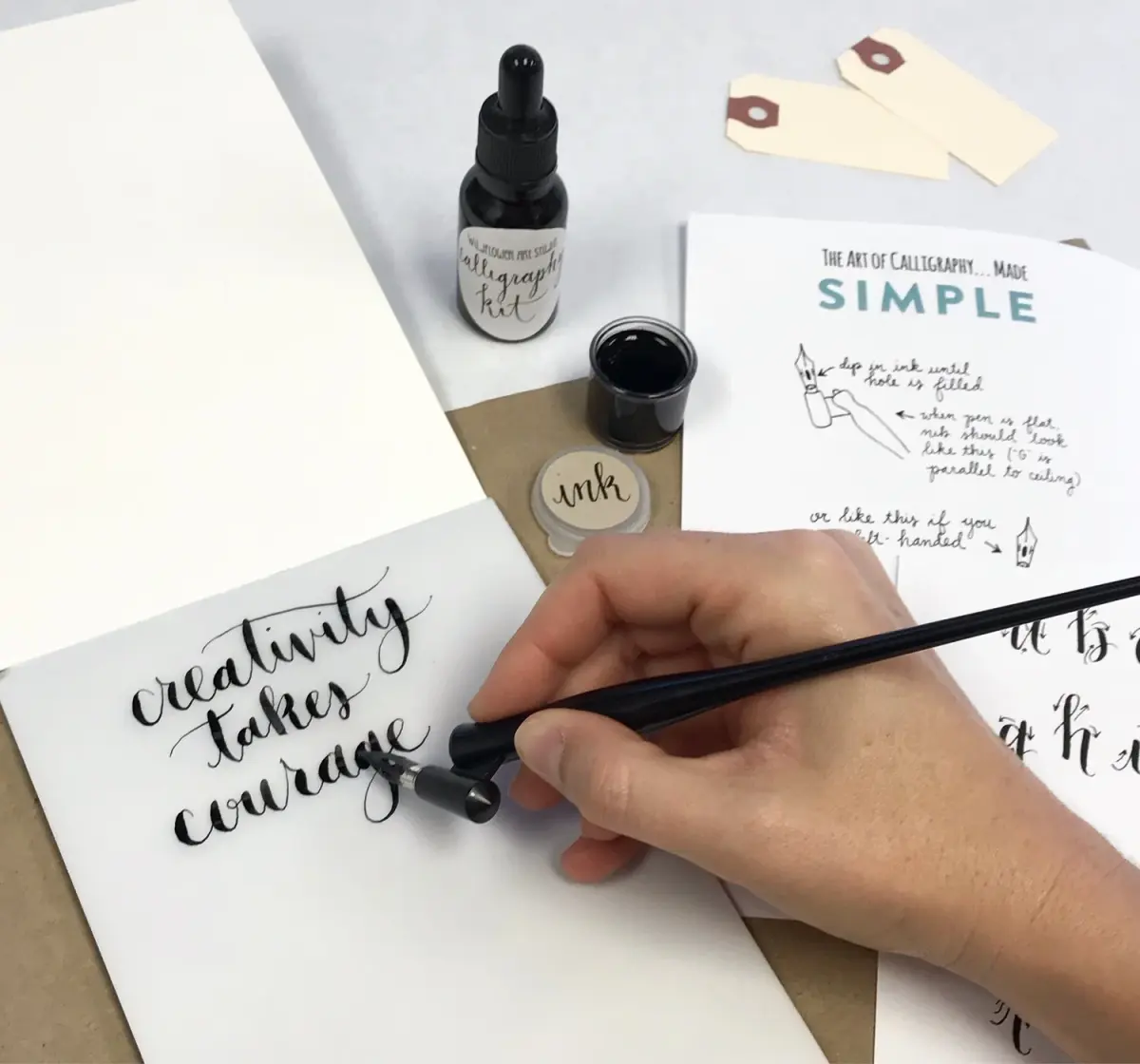
For those just starting, felt-tip brush pens are the gold standard. Unlike traditional dip pens that require a separate nib, holder, and ink bottle, these pens are self-contained and ready for immediate use. They feature a flexible tip that reacts to the pressure applied by your hand, allowing you to create thick downstrokes and thin upstrokes, which is the foundation of modern calligraphy.
The Tombow Fudenosuke Hard Tip is widely considered the best starting point because its firm nib provides significant stability. If you prefer a slightly softer feel, the Pentel Fude Touch Sign Pen offers a more forgiving experience for fluid, bouncy lettering. Both options are affordable and widely available, making them perfect for practicing basic drills without the frustration of managing messy ink wells or delicate metal nibs.
How to choose the right calligraphy pen
Selecting a pen depends largely on your preferred scale and the type of paper you are using. Beginners should look for pens with small to medium-sized tips, as large brush pens are significantly harder to control and often require a larger workspace. Always check the packaging to ensure the ink is water-based, as this is easier to clean and less likely to bleed through standard practice paper.
When shopping, consider these three essential factors to ensure you buy a tool that matches your skill level:
- Tip Firmness: Beginners should prioritize firm tips to maintain consistent stroke width while learning control.
- Ink Flow: Look for pens that offer a steady, consistent flow to prevent blotches or dry, scratchy lines.
- Ergonomics: Choose a barrel shape that feels comfortable in your hand, as long practice sessions can lead to fatigue.
How to use calligraphy pens for practice
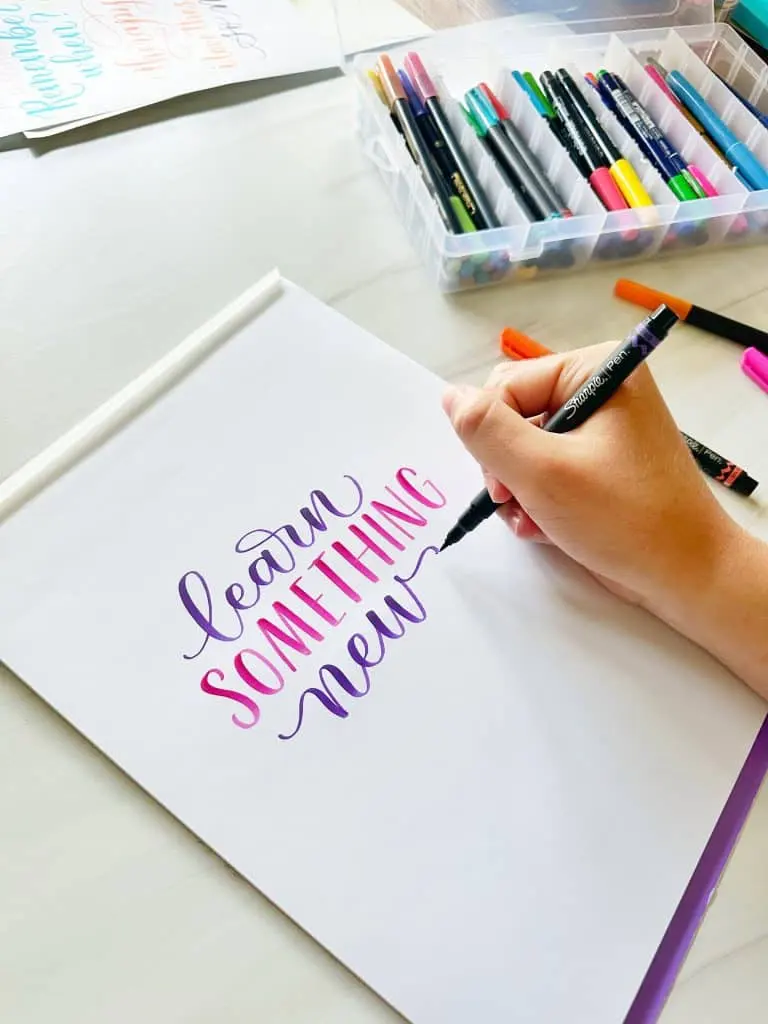
Mastering calligraphy starts with understanding the relationship between pressure and stroke. Begin by holding the pen at a 45-degree angle to the paper. Apply light pressure for upward strokes to achieve thin lines, and gradually increase pressure as you pull the pen downward to create bold, thick lines. Consistency is more important than speed during these early stages of development.
Follow these steps to establish a productive practice routine:
- Warm up by drawing simple shapes, such as loops, straight lines, and ovals, to get a feel for the pen's flexibility.
- Focus on the transition between thick and thin lines, ensuring that the movement is smooth rather than jerky.
- Practice basic letterforms by breaking them down into individual strokes rather than trying to write full words immediately.
- Dedicate at least 15 minutes a day to these drills to build the necessary muscle memory for fluid, elegant script.
Common mistakes when learning calligraphy
One of the most frequent errors beginners make is applying too much pressure on every stroke, which quickly ruins the tip of a felt pen. When the tip becomes frayed or soft, it loses the ability to produce sharp, thin lines, rendering the pen ineffective. Another common mistake is using low-quality, rough paper, which catches the tip and causes the ink to bleed or feather, destroying the crisp edges of your letters.
Additionally, many novices try to write too quickly, which leads to shaky lines and uneven spacing. Calligraphy is a slow, deliberate process that requires constant attention to the angle of the pen and the amount of pressure applied. Avoid rushing through your practice sheets; instead, focus on the quality of each individual stroke. If you find your hand cramping, take a break, as tension often results in poor letter formation and inconsistent line weight.
How to maintain your calligraphy pens
Proper care significantly extends the lifespan of your pens and ensures consistent performance. Always replace the cap securely after each use to prevent the ink from drying out. Store your pens horizontally rather than vertically; storing them upright can cause the ink to pool at one end, leading to either an overly saturated tip or a dry one. Following these simple storage habits will keep your tools in peak condition.
If you notice the tip becoming slightly dry, you can sometimes revive it by gently dipping the very end in a tiny amount of water or storing it tip-down for a few hours. However, once the felt tip begins to fray or lose its shape, it is time to replace the pen. Keeping a dedicated notebook for your practice sessions will help you track your progress over time and identify which pens work best for your specific style and grip.
Key facts
- Beginners should start with a felt-tip brush pen rather than a metal nib to avoid ink spills and paper tearing.
- The Tombow Fudenosuke Hard Tip is widely considered the gold standard for learning basic stroke control.
- Calligraphy requires high-quality, smooth paper like Rhodia or HP Premium 32lb to prevent pen fraying.
- Proper technique involves holding the pen at a 45-degree angle to the paper surface for consistent line width.
- Always store brush pens horizontally to ensure the ink remains evenly distributed in the tip.
- Beginners should practice basic "upstrokes" (thin lines) and "downstrokes" (thick lines) before attempting full letters.
The bottom line
The best way to begin your calligraphy journey is by investing in a reliable felt-tip brush pen and smooth, high-quality paper. Focus your early sessions on mastering consistent pressure for thick and thin strokes rather than rushing into complex alphabets. By practicing daily and avoiding common mistakes like using rough paper or excessive pressure, you will build the muscle memory required for beautiful, professional-looking lettering.
People also ask
Do I need expensive fountain pens to learn calligraphy?
No, you do not need expensive equipment to start. Affordable felt-tip brush pens provide excellent feedback for beginners and are much easier to maintain than traditional dip pens.
How long does it take to master basic calligraphy?
Most students can learn the fundamental strokes and basic alphabet in about four to six weeks of consistent daily practice. Mastery of complex flourish styles often takes several months or years of dedicated study.
What is the difference between calligraphy and hand lettering?
Calligraphy is the art of writing letters using specific tools and techniques to create thick and thin strokes in a single pass. Hand lettering is the art of drawing or illustrating letters as individual shapes.
Can I use regular printer paper for calligraphy practice?
You should avoid standard printer paper because it is porous and will cause your ink to bleed and feather. Rough paper also causes the delicate tips of brush pens to fray quickly.
Why are my brush pen tips fraying so quickly?
Fraying is usually caused by applying too much downward pressure or using the wrong type of paper. Aim to use the side of the brush tip rather than the very point to preserve its shape.
Should I learn cursive before starting calligraphy?
While cursive knowledge helps with letter formation, it is not strictly necessary. Calligraphy is more about controlling the pressure of your tool than it is about your natural handwriting style.
This answer was created with the help of AI research tools and reference sources. Spotted an error? Let us know — we correct mistakes quickly. See our editorial policy.