What is brush pens used for?
Short answer
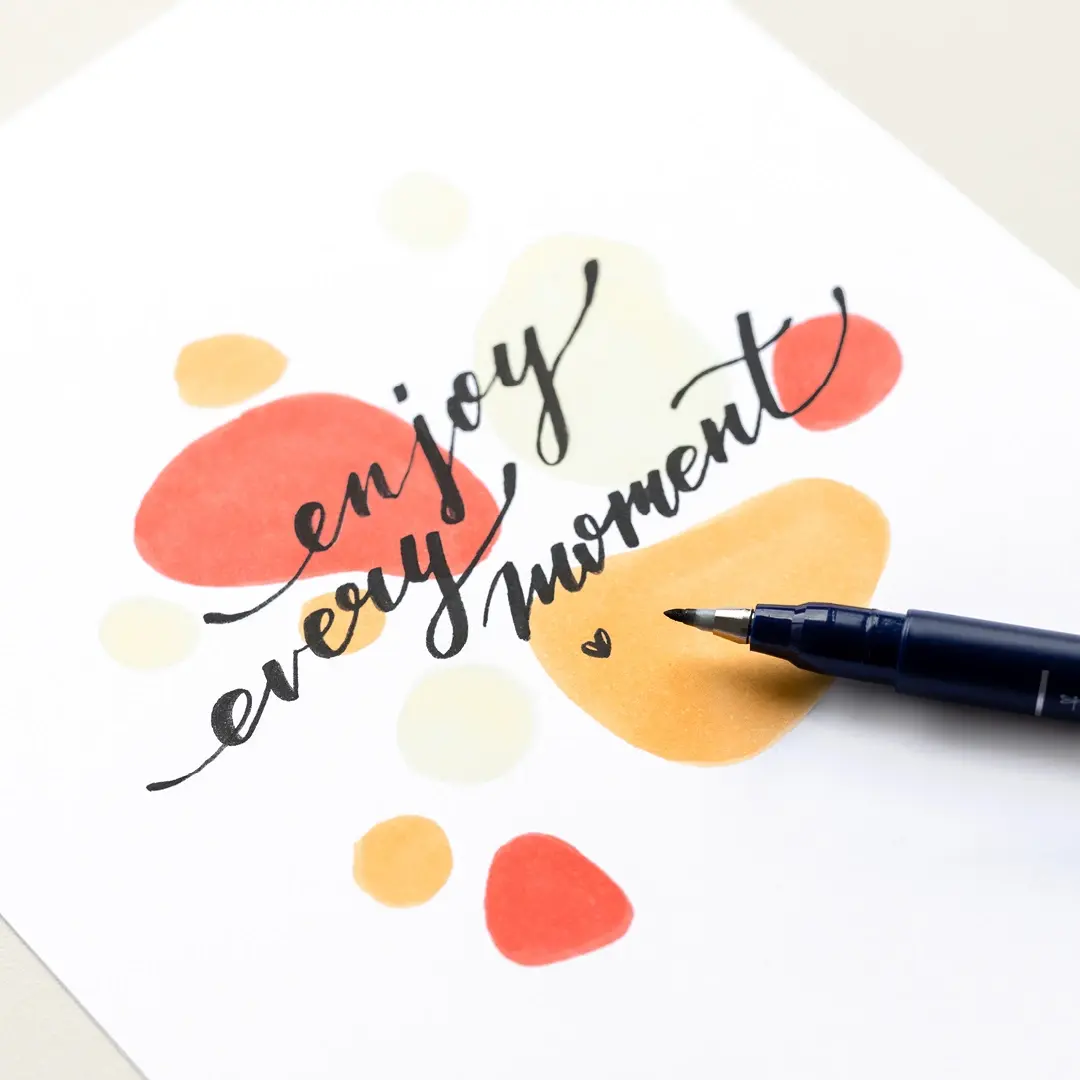
Brush pens are versatile writing tools featuring flexible, tapered tips that mimic traditional hair brushes. They are primarily used for modern calligraphy, hand lettering, illustration, and watercolor-style painting. By adjusting pressure, users create varying line widths, making them essential for expressive typography, detailed sketching, and adding vibrant color to artistic projects.
On this page
How to use brush pens for calligraphy
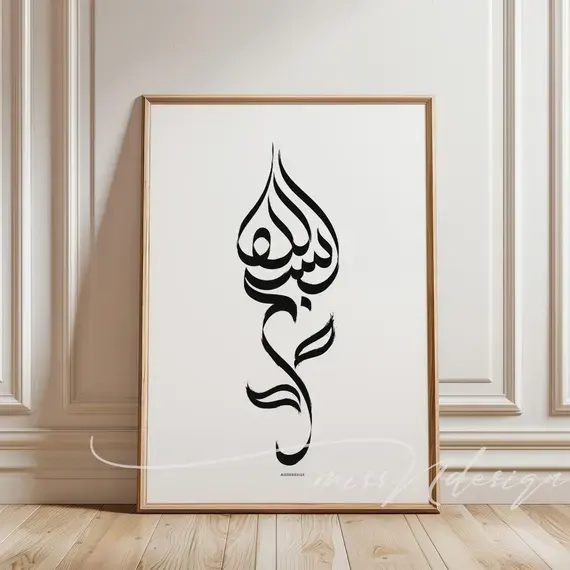
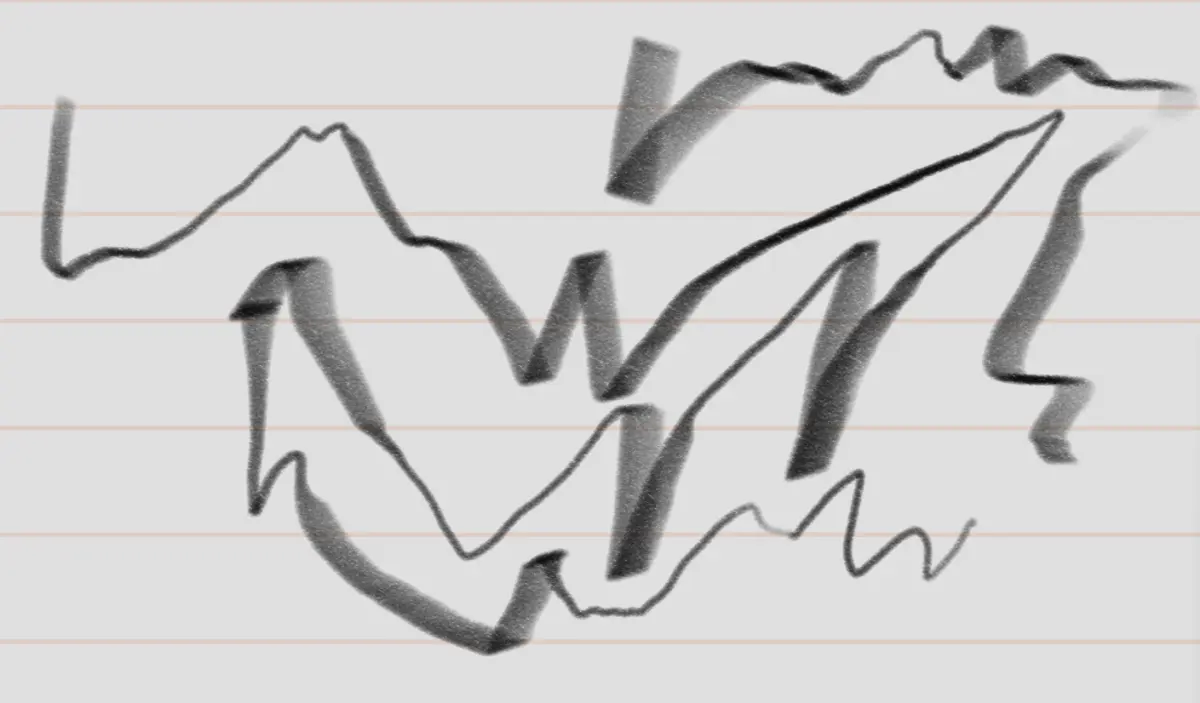
Brush pens are the standard instrument for modern calligraphy because they allow for fluid transitions between thin and thick strokes. The key technique involves applying light pressure on upward strokes to create thin lines and firm pressure on downward strokes to produce bold, heavy lines. This contrast is the foundation of the elegant, rhythmic aesthetic found in contemporary script styles.
To master this technique, maintain a consistent angle of approximately 45 degrees between the pen and the paper. Keep your hand relaxed to ensure the flexible tip can glide smoothly across the surface. Regular practice is essential to build muscle memory, as the tip’s responsiveness requires precise control. Follow these steps to improve your control:
- Hold the pen further up the barrel to allow for a greater range of motion.
- Practice basic drills, such as continuous loops and "u" shapes, to stabilize your hand.
- Keep your wrist off the paper to allow for broader, more sweeping movements.
- Focus on the transition point between thick and thin lines to ensure they appear seamless.
Best brush pens for beginners
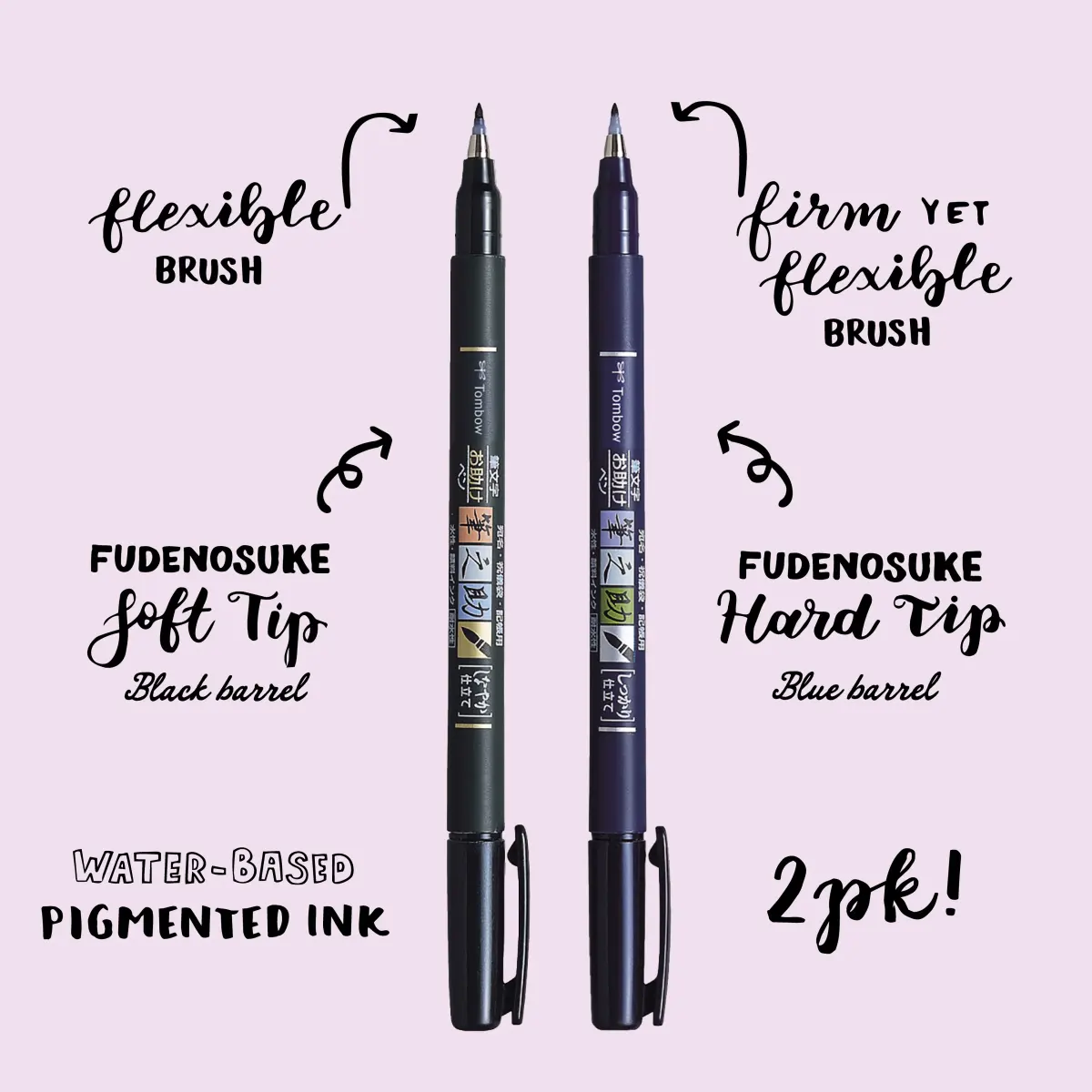
Choosing the right tool is vital for those just starting, as some pens are significantly easier to control than others. Beginners should look for pens with firm, small, or medium-sized felt tips rather than long, soft hair tips. A firmer tip provides more stability, which helps prevent the "wobbly" lines that often occur when learning to manage pressure.
Popular options for novices include the Tombow Fudenosuke, which is highly regarded for its precision and durability. Another excellent choice is the Pentel Fude Touch Sign Pen, known for its vibrant ink colors and manageable tip. When shopping, consider the following features to ensure the tool matches your skill level:
- Tip size: Smaller tips are generally more forgiving for small-scale lettering.
- Ink type: Dye-based inks are common, but pigment-based inks are often waterproof once dry.
- Flexibility: Avoid extra-soft tips until you have mastered basic pressure control.
- Barrel design: A comfortable grip helps reduce hand fatigue during long practice sessions.
Why brush pens are used for illustration
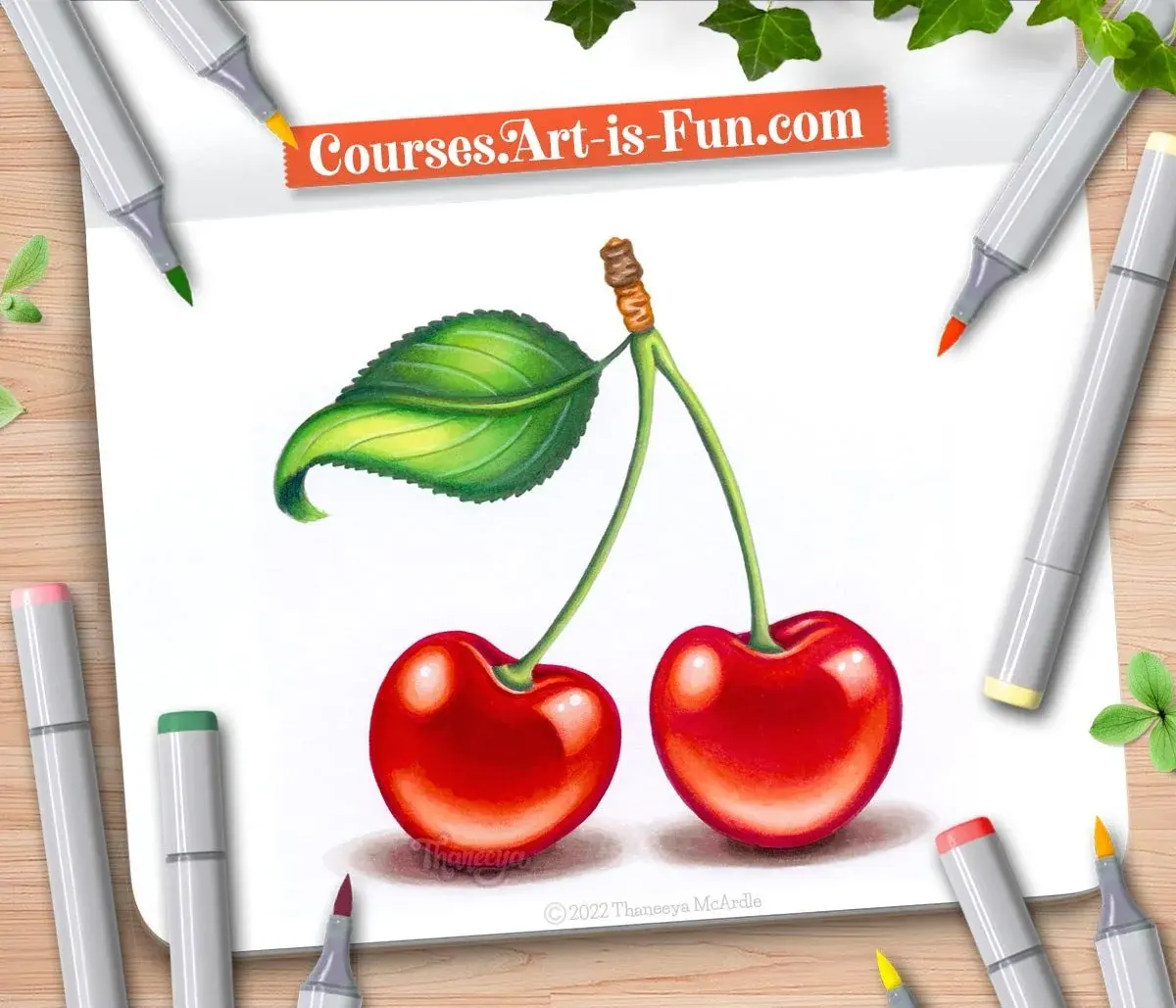
Beyond lettering, brush pens are powerful tools for illustrators and sketch artists. The ability to vary line weight within a single stroke allows for dynamic shading, contouring, and expressive character design. Artists often use them for "inking" sketches, where the pen provides a clean, bold outline that defines the structure of a drawing before color is applied.
Many professional illustrators prefer brush pens because they eliminate the need for carrying traditional ink pots and brushes. They offer the same expressive quality as a traditional brush but with the convenience of a portable, mess-free marker. Whether working in black-and-white manga style or adding watercolor-like washes to a sketch, these pens provide a level of versatility that standard fine-liners cannot replicate. They are particularly effective for creating depth in landscapes or adding movement to organic shapes.
Common mistakes when using brush pens
The most frequent error beginners make is applying too much pressure, which can permanently damage the delicate tip of the pen. Once the tip begins to fray or lose its shape, it becomes impossible to achieve the fine, crisp lines required for professional-looking calligraphy. Always use a light touch, letting the flexibility of the material do the work rather than forcing the ink out.
Another common pitfall is using the wrong type of paper, which can drastically shorten the lifespan of your pens. Rough or textured paper acts like sandpaper, catching the fibers of the tip and causing it to fray prematurely. To maintain your tools, follow these simple maintenance guidelines:
- Always use smooth, coated paper specifically designed for markers or calligraphy.
- Store your pens horizontally to ensure the ink remains evenly distributed in the tip.
- Replace the cap immediately after use to prevent the ink from drying out.
- Avoid using brush pens on surfaces like cardboard or wood, which absorb ink too quickly.
How to blend colors with brush pens
One of the most creative applications for brush pens is color blending, which allows artists to create gradients and custom hues. There are several methods to achieve this, such as touching the tips of two pens together to transfer ink or using a blending palette. By picking up a darker color with a lighter pen tip, you can create a smooth transition from one shade to another on the page.
This technique is widely used in hand lettering to add depth and visual interest to words. It requires a bit of experimentation to see which ink formulations blend well together. When blending, work quickly while the ink is still wet to ensure the colors merge properly. If the colors do not blend smoothly, try applying the lighter color first, then overlapping with the darker shade while the paper is still damp. This approach creates a professional, polished finish that elevates simple lettering into a complex piece of art.
Key facts
- Brush pens feature a flexible, tapered tip that mimics the properties of a traditional hair brush to create variable line widths.
- Pressure control is the primary technique: pressing harder creates thick, bold strokes, while a light touch produces thin, delicate lines.
- These pens are categorized into two main types: felt-tip markers with synthetic bristles and fountain-style pens with actual hair or nylon fibers.
- They are essential tools for modern calligraphy, hand lettering, and expressive illustration due to their responsiveness to movement.
- Synthetic felt tips are generally more durable and easier for beginners to control than traditional hair-bristled pens.
- Using smooth, non-textured paper is critical to prevent the delicate tips of the pens from fraying or drying out prematurely.
The bottom line
Brush pens are versatile instruments that bridge the gap between traditional painting and precise writing. By mastering pressure, you can achieve dynamic line variations that add character to any creative project. Whether you are practicing elegant calligraphy or detailed illustration, choosing the right paper and maintaining light pressure are the most important steps to ensure your tools remain functional and your artwork looks professional.
People also ask
Can brush pens be used for everyday writing?
While they can be used for note-taking, they are primarily designed for artistic expression and stylized lettering. Their flexible tips can make standard cursive or print writing appear inconsistent if you are not accustomed to controlling the line weight.
How do I prevent the brush tip from fraying?
Avoid pressing down too hard on the paper, as excessive force bends the fibers permanently. Always store your pens horizontally to ensure the ink remains evenly distributed and the tip does not dry out.
What is the difference between water-based and alcohol-based brush pens?
Water-based pens are often used for watercolor effects because they can be blended with a damp brush. Alcohol-based pens are typically permanent, dry quickly, and are favored for professional illustration and coloring.
Do I need special paper for brush lettering?
Yes, using rough or recycled paper will act like sandpaper on the soft tips of your markers. Choose smooth, coated, or "marker-friendly" paper to maintain the longevity of your tools and achieve crisp, clean lines.
Are brush pens refillable?
Some high-end fountain-style brush pens allow you to replace ink cartridges or use a converter for bottled ink. However, most felt-tip brush markers are disposable and must be replaced once the ink is depleted.
How do I clean a brush pen?
You should never submerge or scrub the tip of a felt-tip brush pen, as this destroys the material. If you are using a fountain-style brush pen, you can gently rinse the bristles in lukewarm water to remove dried ink buildup.
This answer was created with the help of AI research tools and reference sources. Spotted an error? Let us know — we correct mistakes quickly. See our editorial policy.