What is calligraphy?
Short answer
Calligraphy is the art of decorative handwriting, transforming letters into expressive visual compositions through precise strokes and rhythmic movement. Historically rooted in communication, it utilizes specialized tools like broad-edged pens or brushes to manipulate line width and pressure. Today, it remains a disciplined practice blending technical skill with aesthetic intent across diverse cultures.
On this page
What are the different types of calligraphy?
Calligraphy is categorized primarily by the tools used and the cultural traditions from which the styles emerge. Western calligraphy typically relies on broad-edged pens to create thick and thin lines, following historical scripts like Uncial, Blackletter, or Copperplate. These styles prioritize the angle of the nib and the consistency of letter height to achieve a balanced, elegant appearance on the page.
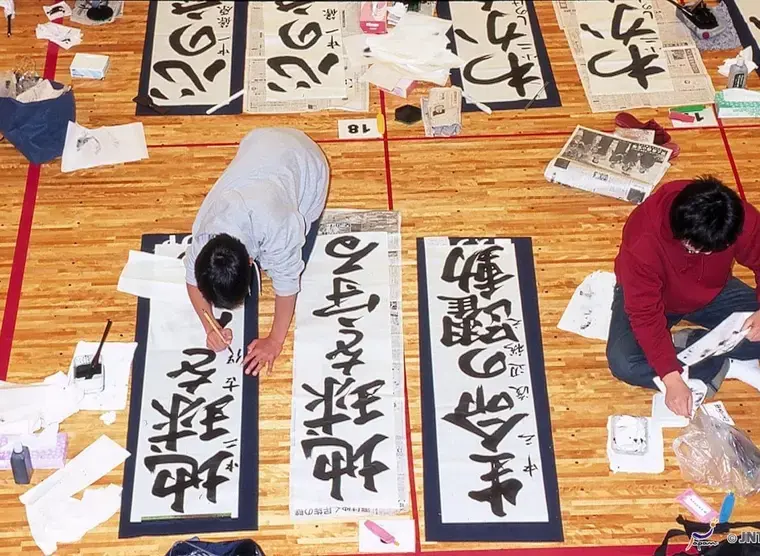
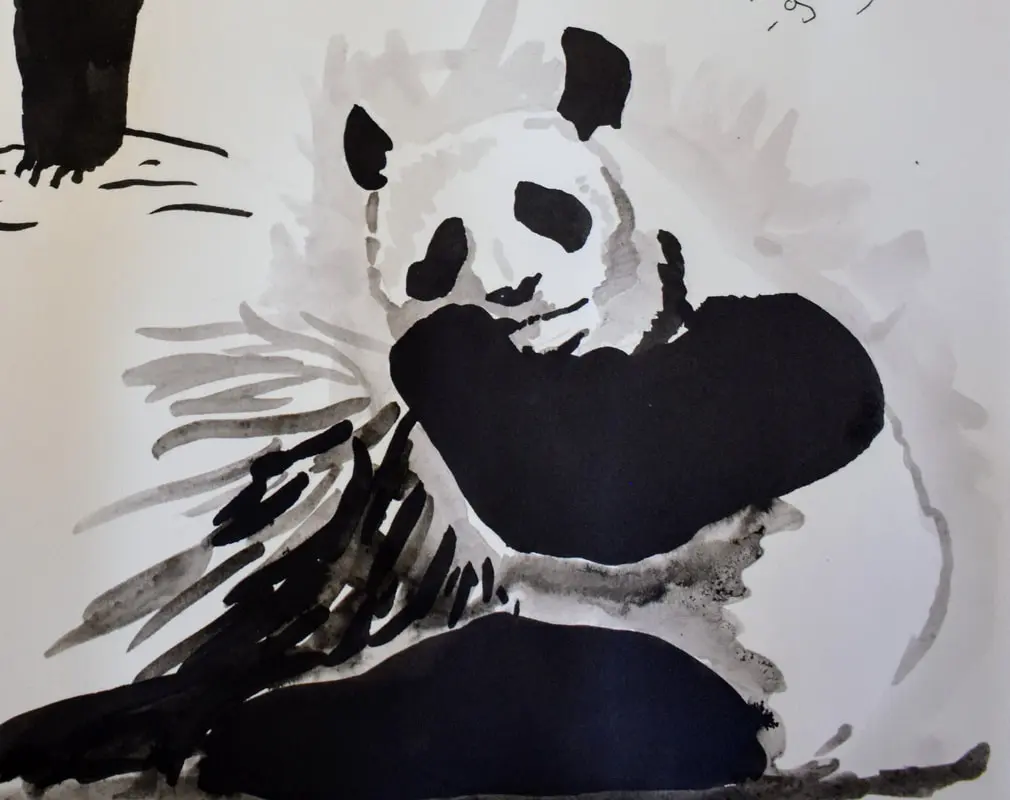
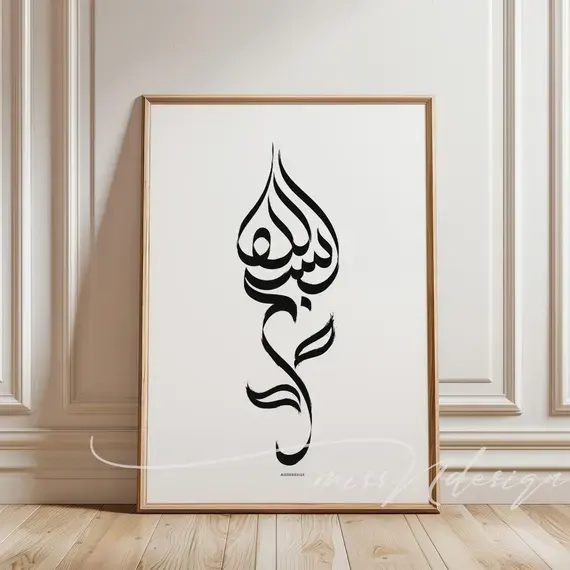
Eastern traditions, particularly those from China, Japan, and Korea, utilize brushes and ink to achieve fluid, dynamic strokes. This form, often called shodo or brush calligraphy, emphasizes the flow of energy and the balance between the inked characters and the negative space surrounding them. Arabic calligraphy, or Islamic calligraphy, is deeply intertwined with geometry and spiritual expression, focusing on the harmonious proportions of letters to create intricate, flowing designs.
- Western: Focuses on rigid nib angles and structural consistency.
- Eastern: Emphasizes brush pressure, motion, and artistic expression.
- Arabic: Prioritizes geometric precision and rhythmic, elongated letterforms.
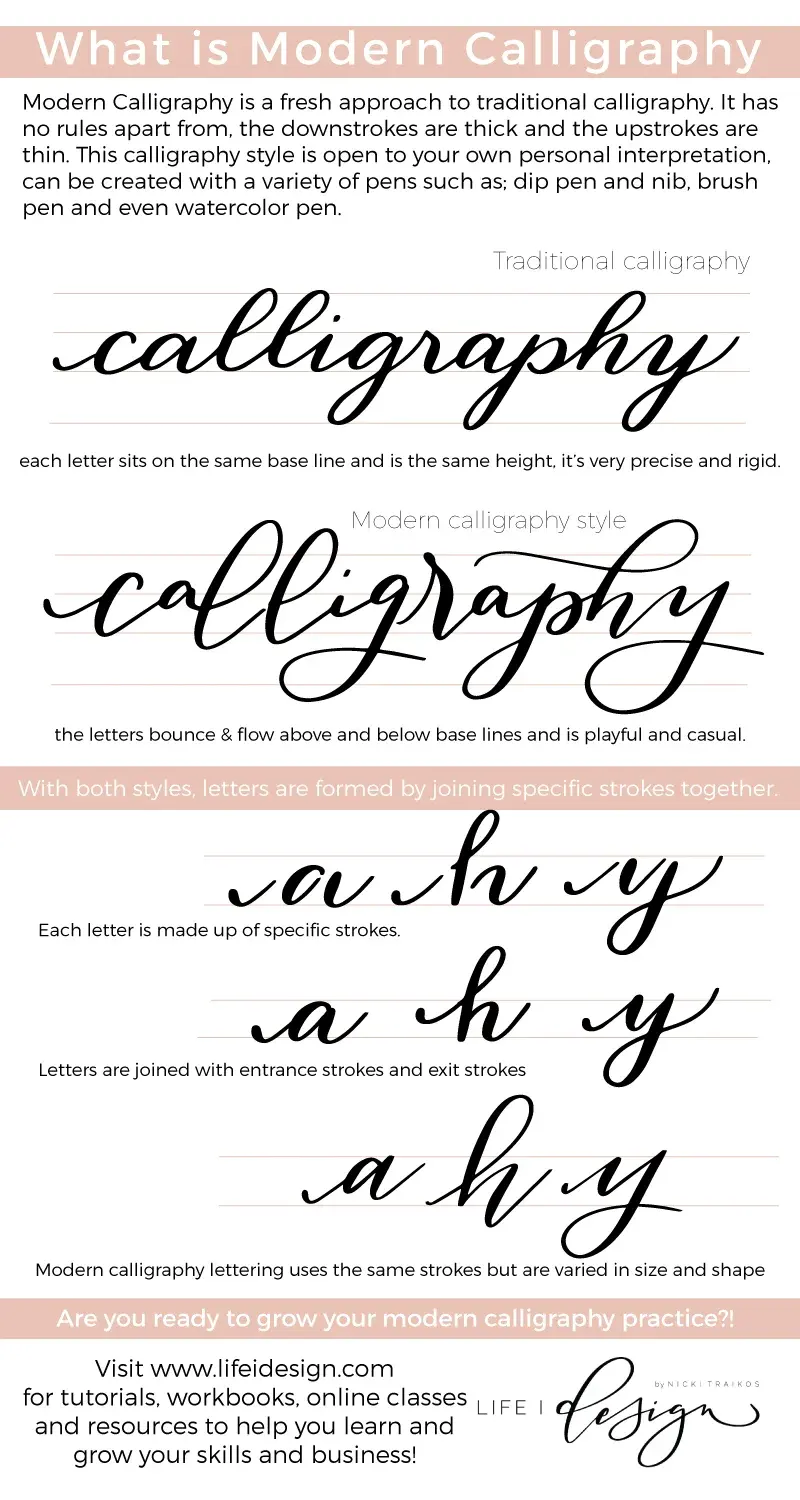
- Modern: Incorporates experimental techniques and non-traditional tools like markers.
How to start learning calligraphy for beginners
Beginning your journey into calligraphy requires only a few essential tools: a high-quality pen holder, a specific nib, ink, and smooth, bleed-proof paper. For those starting with Western styles, a broad-edge nib is recommended because it clearly demonstrates how the angle of the pen dictates the thickness of the stroke. Beginners should avoid standard printer paper, as its porous surface causes ink to feather and spread, obscuring the crisp lines necessary for practice.
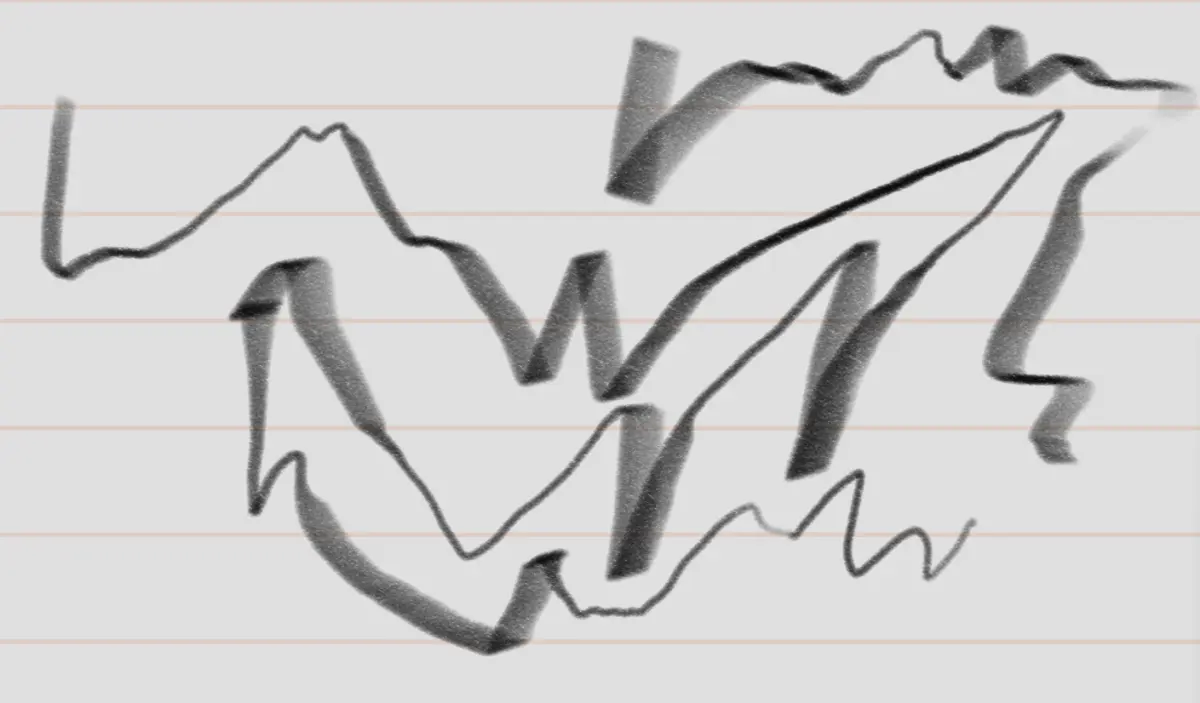
Consistency is the most important factor when learning the fundamental strokes that compose individual letters. Rather than attempting full words or phrases immediately, spend time mastering the basic "downstroke" and "upstroke" movements. These repetitive exercises build the muscle memory required to maintain a steady hand and consistent pressure throughout a session.
- Gather your supplies: a pen holder, a nib (like a 2mm broad-edge), black ink, and marker-layout paper.
- Prepare your workspace by ensuring your paper is taped down to prevent movement.
- Practice basic strokes, focusing on keeping the nib at a constant 45-degree angle.
- Move on to lowercase letters, then uppercase, maintaining uniform height and spacing.
Why does ink flow vary during writing?
The flow of ink is determined by the interaction between the nib, the ink viscosity, and the surface tension of the paper. If ink refuses to flow from a new nib, it is often due to a protective manufacturing oil coating that prevents the ink from adhering to the metal. Carefully cleaning the nib with a mild soap or a quick pass through a flame can remove this residue and allow the ink to travel smoothly down the slit.
Environmental factors also play a significant role in how ink behaves on the page. High humidity can cause paper to absorb moisture, leading to ink spreading, while extremely dry conditions might cause ink to dry too quickly on the nib, leading to clogging. Understanding these variables allows calligraphers to adjust their technique, such as diluting ink with distilled water or using a different paper weight to compensate for the current climate.
- Nib oil: Prevents ink flow; clean with soap or a soft cloth.
- Paper absorption: High-absorbency paper causes fuzzy lines; use coated or smooth stocks.
- Ink viscosity: Too thick, and it won't flow; too thin, and it will blot.
Common mistakes when practicing calligraphy
The most frequent error beginners make is applying too much pressure to the nib, which can bend the metal tines and ruin the tool's precision. A calligraphy nib is designed to be guided across the paper with minimal force, letting the tool's geometry do the work. Pressing too hard not only damages the equipment but also makes it impossible to achieve the delicate, tapered lines that define professional-grade work.
Another common pitfall is neglecting the importance of posture and hand positioning. Many students hunch over their desks, which restricts the movement of the arm and leads to cramped, shaky lettering. It is essential to sit upright, allowing the arm to move as a single unit from the shoulder rather than relying solely on the wrist. Keeping the hand relaxed prevents tension from transferring to the pen, resulting in smoother, more confident strokes across the page.
- Pressing too hard: Causes tines to splay and ruins the nib.
- Poor posture: Leads to muscle fatigue and inconsistent line quality.
- Rushing: Results in uneven spacing and lack of control over letterforms.
- Incorrect angle: Deviating from the required nib angle breaks the style's visual logic.
How long does it take to master calligraphy?
Mastering calligraphy is a lifelong pursuit, though a dedicated student can achieve proficiency in a specific script within several months of consistent practice. The time required depends on the complexity of the chosen style and the amount of time devoted to daily drills. While basic competency in a script like Italic or Copperplate might take three to six months, true mastery involves refining the nuances of spacing, rhythm, and artistic flair over several years.
Progress is rarely linear, and calligraphers often experience plateaus where their work feels stagnant. The key to overcoming these periods is to return to the fundamentals, analyzing the spacing between letters and the consistency of the slant. By focusing on deliberate, slow practice rather than speed, you will gradually develop the intuition necessary to handle more complex compositions and eventually create your own unique variations on traditional scripts.
Key facts
- Calligraphy is defined as the art of decorative handwriting or lettering, derived from the Greek words "kallos" (beauty) and "graphein" (to write).
- Western calligraphy primarily utilizes a broad-edged pen to create thick and thin lines based on the angle of the nib.
- Eastern calligraphy, common in China, Japan, and Korea, traditionally uses a brush, ink, and absorbent paper to emphasize flow and movement.
- The "ductus" is the sequence and direction of strokes used to form a letter; mastering this is essential for consistent professional results.
- Beginners should start with a 2mm or 3mm broad-edged pen, as larger sizes make it easier to identify errors in stroke pressure and alignment.
- A common mistake is holding the pen too tightly; keeping a relaxed grip allows for the fluid, rhythmic motion required for elegant lettering.
The bottom line
Calligraphy is a disciplined art form that transforms functional writing into a visual masterpiece through rhythm, balance, and intentional movement. By mastering the sequence of strokes and maintaining consistent pressure, practitioners can produce elegant scripts that convey both meaning and aesthetic beauty. Whether using a traditional brush or a modern pen, the practice remains a meditative exercise in patience, precision, and personal expression.
People also ask
What is the difference between calligraphy and hand lettering?
Calligraphy is the art of writing letters using a single pass of a tool, while hand lettering is the art of drawing or illustrating letters. Calligraphy relies on the pressure and angle of the pen, whereas lettering focuses on constructing shapes through sketching and filling.
Do I need expensive equipment to start learning calligraphy?
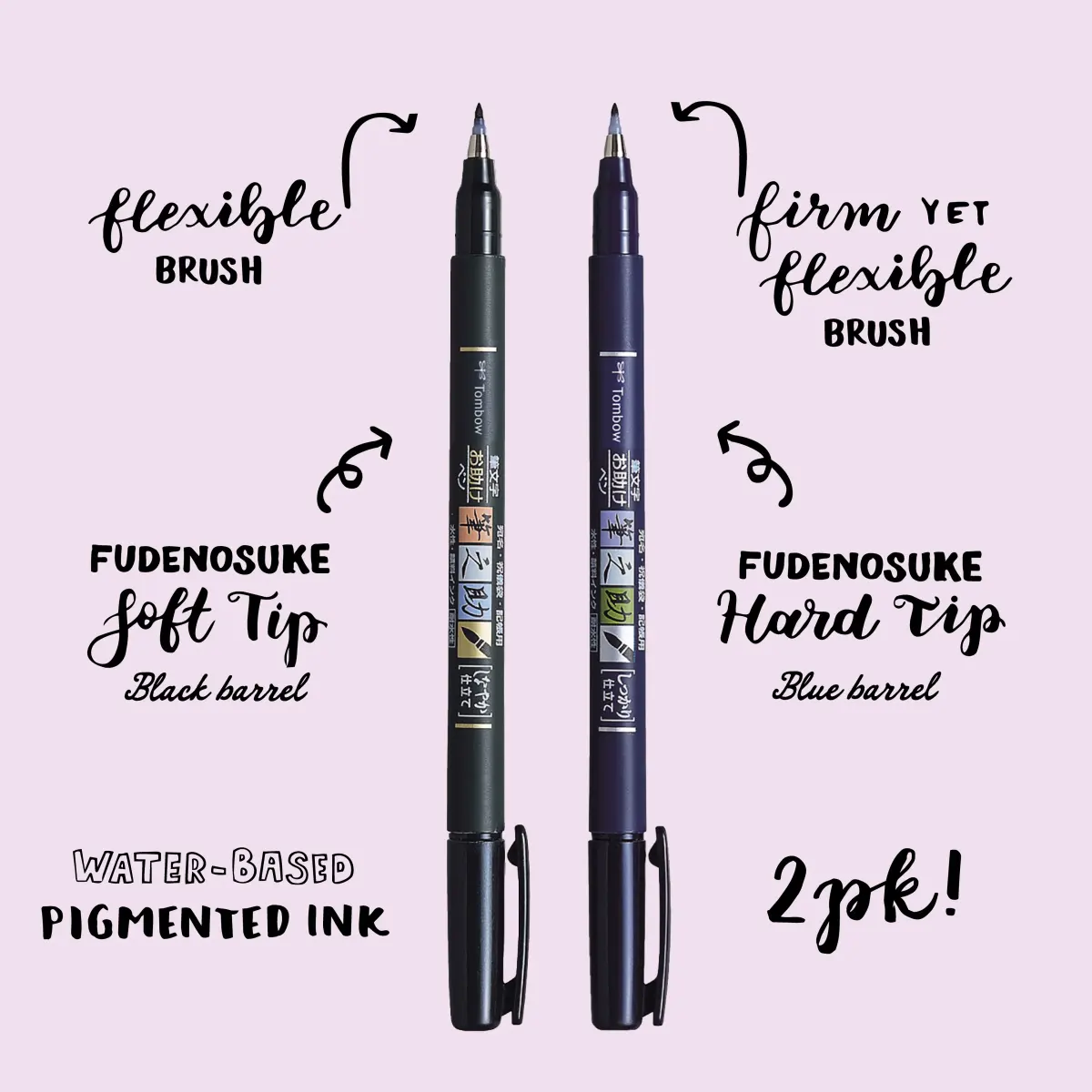
You can begin with basic supplies like a felt-tip calligraphy marker, a pencil, and grid paper. High-quality fountain pens or dip pens are only necessary once you have mastered basic stroke consistency and alignment.
How long does it take to become proficient in calligraphy?
Most students can learn the basic alphabet of a script like Foundational or Italic in about 20 to 30 hours of focused practice. Achieving professional-level mastery, however, requires years of dedication to refine muscle memory and artistic style.
Can left-handed people practice calligraphy?
Left-handed calligraphers can absolutely succeed, though they may need to adjust their paper angle or use specific nibs to avoid smudging ink. Many left-handed artists find that pushing the pen rather than pulling it requires a slight change in technique.
What is the best way to practice calligraphy strokes?
Start by practicing basic shapes like vertical lines, horizontal bars, and ovals before attempting full letters. Consistent repetition of these foundational strokes builds the muscle memory necessary for uniform spacing and height.
Why is paper quality important for calligraphy?
Low-quality paper is often porous, causing ink to bleed or "feather" at the edges of your strokes. Using high-quality, smooth-finish paper ensures crisp, clean lines and prevents the nib from catching on the surface fibers.
This answer was created with the help of AI research tools and reference sources. Spotted an error? Let us know — we correct mistakes quickly. See our editorial policy.