What is the history of drawing?
Short answer
Drawing is the foundational human practice of creating marks on a surface to represent ideas, objects, or emotions. Originating in prehistoric caves over 40,000 years ago, it evolved from simple symbolic communication into a sophisticated artistic discipline, serving as the essential precursor to writing, architecture, engineering, and fine art throughout global history.
On this page
How did drawing begin in history?
The history of drawing traces back to the Upper Paleolithic period, where early humans used charcoal, ochre, and hematite to leave marks on cave walls. Sites such as Chauvet and Lascaux in France feature intricate depictions of animals like horses, lions, and rhinos. These early drawings were likely functional, serving as ritualistic tools or methods for storytelling and recording the natural world.
As civilizations developed, drawing became more structured. In ancient Egypt, artists utilized a strict grid system to ensure consistent proportions in tomb paintings and papyrus scrolls. This period marked a shift from purely observational sketches to symbolic representation, where drawing functioned as a bridge between the physical world and the afterlife. These early techniques established the principles of composition and form that would influence Western and Eastern art for millennia.
Why did drawing evolve during the Renaissance?
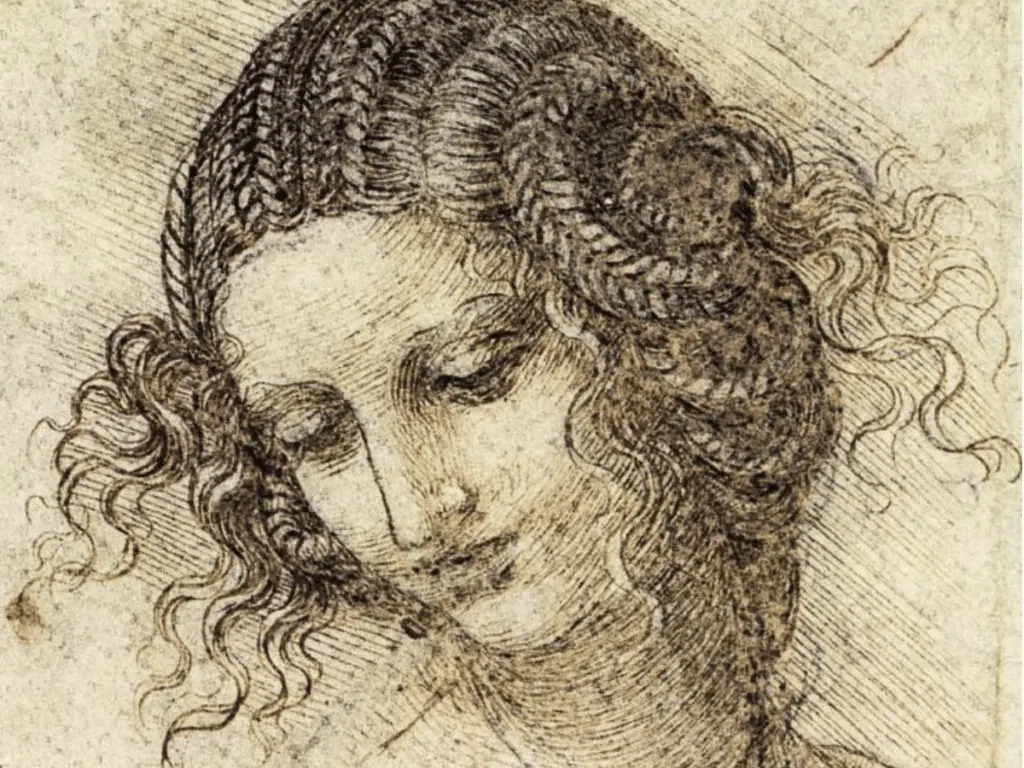
During the Renaissance in the 14th and 15th centuries, drawing transitioned from a preliminary craft to a highly respected intellectual pursuit. Artists like Leonardo da Vinci and Michelangelo utilized drawing as a primary method for scientific inquiry and anatomical study. They moved beyond flat representations, experimenting with light, shadow, and perspective to create the illusion of three-dimensional space on a two-dimensional surface.
The invention of the printing press and the increased availability of paper further revolutionized the medium. Artists began to treat drawings as finished works of art rather than just preparatory studies for paintings or sculptures. This era introduced the concept of the "sketchbook," allowing artists to document their surroundings and refine their technical skills.
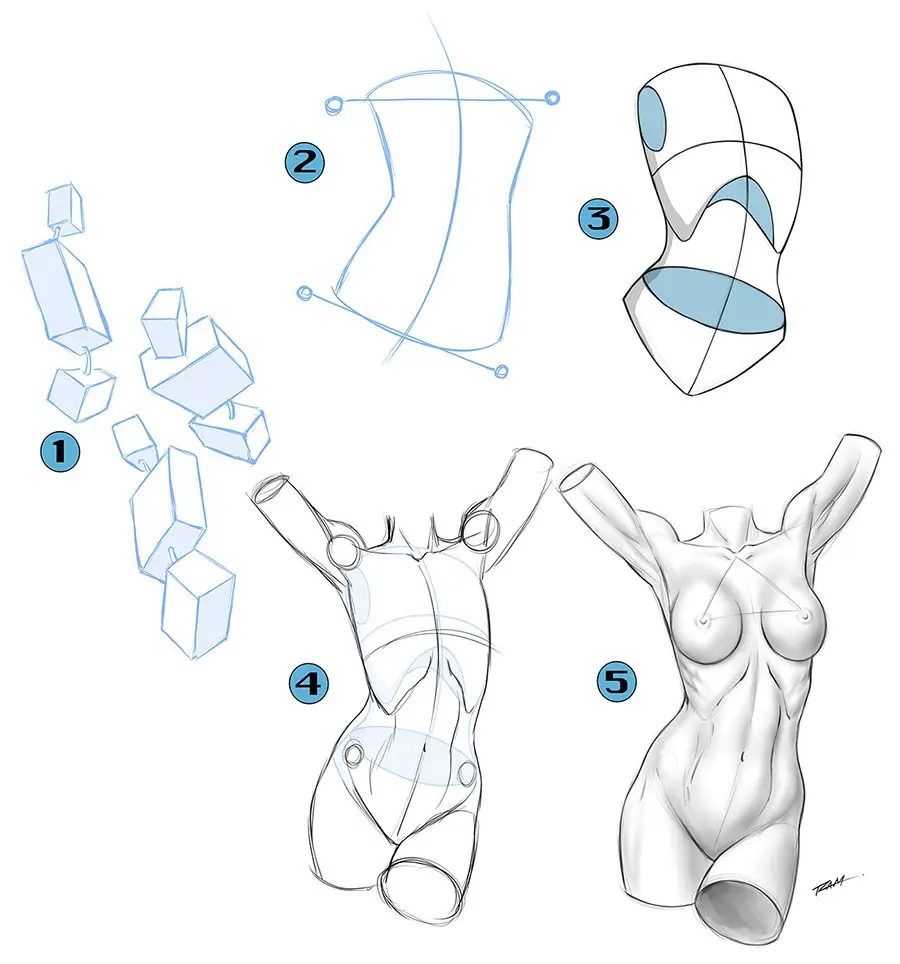
- Study human anatomy to understand how muscles and bones dictate surface form.
- Practice linear perspective by establishing a clear horizon line and vanishing points.
- Use cross-hatching and stippling to build depth and volume through varied tonal values.
- Observe the way light hits objects to define highlights, mid-tones, and core shadows.
What are the best drawing tools for beginners?
Selecting the right materials is essential for building confidence and developing a consistent practice. Beginners often feel overwhelmed by the variety of supplies, but focusing on a few high-quality items is more effective than owning a vast, low-quality collection. Starting with a limited range allows you to master the unique properties of each medium before moving on to more complex tools.
- Graphite pencils: Ranging from 2H (hard, light) to 6B (soft, dark).
- Sketchbook: Choose acid-free, medium-weight paper to prevent yellowing and tearing.
- Kneaded eraser: Essential for lifting graphite gently without damaging the paper fibers.
- Blending stump: Used for smoothing out tonal transitions in shading work.
- Sharpener or utility knife: Keeping a precise point is vital for detailed linework.
Focusing on these basics helps you understand how pressure and texture affect the final image. As you become more comfortable, you can experiment with charcoal, ink, or colored pencils to explore different expressive possibilities.
Common mistakes when learning to draw
Many beginners fall into the trap of drawing what they think they see rather than what is actually in front of them. This often manifests as drawing symbols—such as a "cartoon eye" or a "stick figure"—instead of observing the specific shapes, angles, and negative spaces of the subject. Another frequent error is the tendency to press too hard with the pencil, which creates deep indentations in the paper that are impossible to erase.
To improve, you must prioritize observation over imagination in the early stages. Avoid the following pitfalls to accelerate your progress:
- Neglecting to establish a light, gestural outline before committing to dark, permanent lines.
- Ignoring the negative space, which is the area surrounding the object, to help define accurate proportions.
- Over-blending graphite, which can result in a muddy, flat appearance that lacks structural integrity.
- Working in a poorly lit environment, which makes it difficult to distinguish subtle tonal shifts.
How to practice drawing effectively
Consistency is the most important factor in developing technical proficiency. Rather than attempting long, infrequent sessions, aim for short, daily exercises that focus on specific skills like contouring, shading, or perspective. By treating drawing as a habit, you build muscle memory and improve your hand-eye coordination over time. Set clear goals for each session, such as filling a page with studies of hands or capturing the movement of a subject in under two minutes.
Critique is also a vital part of the learning process. Periodically review your older work to identify patterns in your drawing style and areas where you have improved. Do not be discouraged by initial failures, as every mark on the page is a record of your development. By studying the masters, experimenting with different techniques, and remaining patient with your progress, you will gain a deeper understanding of the history and practice of drawing that has defined human expression for centuries.
Key facts
- The oldest known drawings are cave paintings found in Indonesia and France, dating back approximately 40,000 to 45,000 years.
- Charcoal, red ochre, and hematite were the primary pigments used by prehistoric humans to create images on rock walls.
- During the Renaissance, artists like Leonardo da Vinci used silverpoint and metalpoint to achieve precise, permanent lines on prepared paper.
- Graphite was discovered in Borrowdale, England, in the 16th century, eventually replacing lead as the standard medium for drawing pencils.
- To improve your drawing, practice "blind contour" exercises where you draw an object without looking at your paper to strengthen hand-eye coordination.
- A common mistake for beginners is pressing too hard on the pencil, which creates indentations in the paper and prevents smooth shading.
The bottom line
Drawing is a fundamental human practice that has evolved from ancient cave markings to a sophisticated tool for artistic expression and technical documentation. By mastering basic techniques like contouring, perspective, and proper tool selection, anyone can develop their visual literacy. Consistency remains the most important factor in improvement, as regular practice refines the connection between observation, hand movement, and the final image on the page.
People also ask
What is the difference between sketching and drawing?
Sketching is typically a quick, rough draft used to capture the essence or movement of a subject. Drawing is generally a more finished, detailed, and deliberate process that requires more time and precision.
Which pencil grade should I start with?
An HB pencil is the best starting point because it offers a balance between hardness and darkness. As you progress, use B-grade pencils for softer, darker shading and H-grade pencils for lighter, technical lines.
How can I improve my perspective in drawings?
Use a vanishing point on a horizon line to guide your lines toward a single focal point. This technique creates the illusion of depth and three-dimensional space on a two-dimensional surface.
What is the best paper for drawing?
Choose paper based on your medium; smooth, hot-pressed paper is ideal for fine graphite work, while textured, cold-pressed paper is better for charcoal or pastel. Always ensure your paper is acid-free to prevent yellowing over time.
How do I stop my hand from smudging my work?
Place a clean sheet of scrap paper under your drawing hand while you work to prevent skin oils and graphite from smearing. Alternatively, work from the top left of the page to the bottom right if you are right-handed.
Is it necessary to learn anatomy to draw people?
Understanding basic skeletal and muscular structures significantly improves the realism of human figures. Even a simplified grasp of proportions helps you avoid common mistakes like limbs that appear too short or joints that look unnatural.
This answer was created with the help of AI research tools and reference sources. Spotted an error? Let us know — we correct mistakes quickly. See our editorial policy.