What is the history of pottery?
Short answer
Pottery is the craft of creating vessels and objects from clay, hardened by heat. Its history spans over 20,000 years, beginning with simple hand-coiled vessels in the Paleolithic era. It evolved through the invention of the potter’s wheel in Mesopotamia and the development of sophisticated glazing techniques across global civilizations.
On this page
How did pottery begin in ancient times?
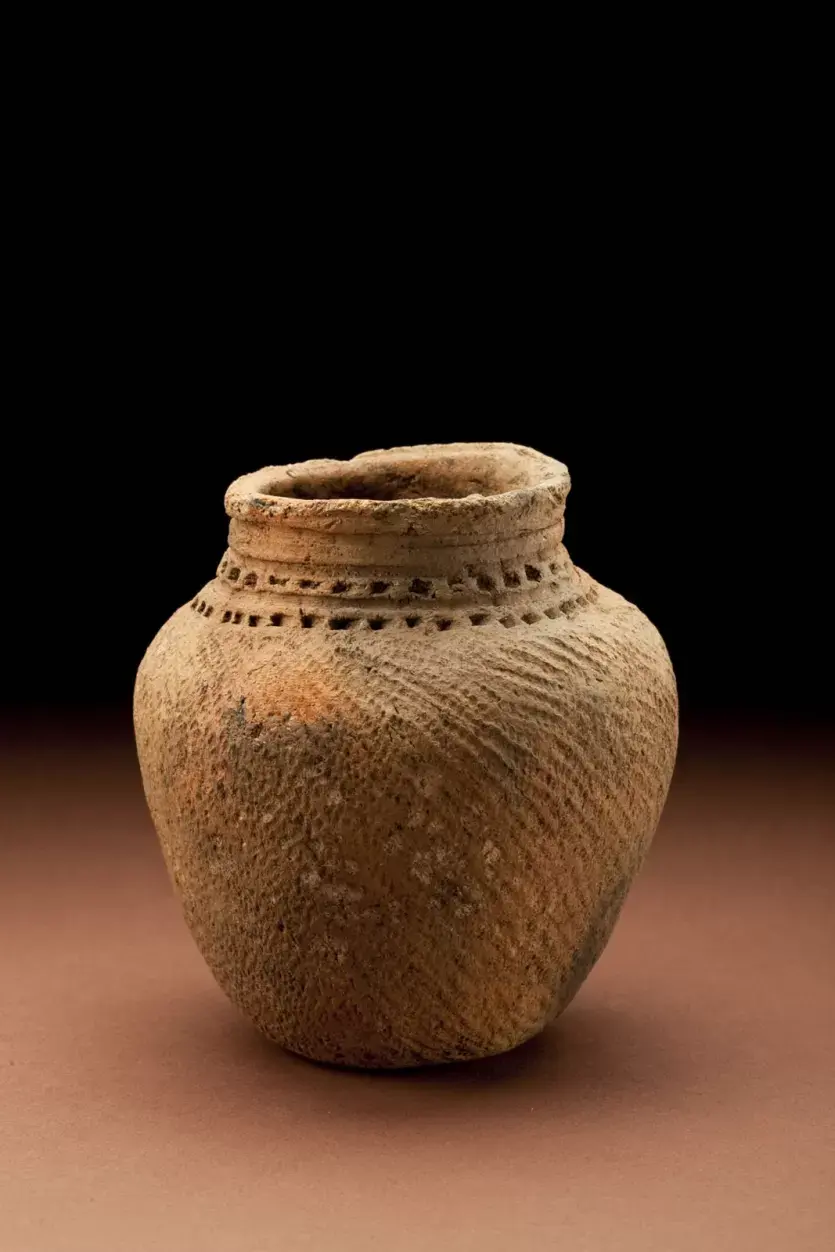
The earliest evidence of ceramic production dates back to the Upper Paleolithic period. Archaeologists discovered fragments in Xianrendong Cave, China, carbon-dated to approximately 20,000 years ago. These early vessels were likely used for cooking or storage, helping early humans preserve food and transport water. Unlike later refined ceramics, these primitive pots were low-fired and porous, made by hand-coiling clay ropes and smoothing the surfaces.
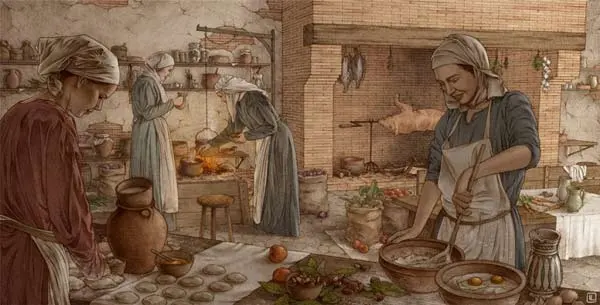
As societies transitioned from nomadic hunting to settled agriculture, pottery became essential for survival. The Neolithic Revolution, beginning around 10,000 BCE, saw a surge in ceramic production as people needed containers for grain, oil, and fermented beverages. Different cultures developed distinct styles based on local clay deposits and firing methods. These early artisans discovered that heating clay in a pit fire transformed it into a durable, stone-like material, marking the birth of a craft that would define human civilization for millennia.
When was the potter’s wheel invented?
The invention of the potter’s wheel around 3500 BCE in Mesopotamia revolutionized ceramic production. This mechanical device allowed for greater speed, symmetry, and thinner walls, enabling potters to mass-produce functional wares. The "slow wheel" or tournette, a manually turned platform, eventually evolved into the "fast wheel" powered by a kick mechanism, which provided the momentum necessary for professional production.
This technological leap allowed for the standardization of shapes and sizes, which was critical for trade and commerce. As the wheel spread across the Near East, Egypt, and eventually Europe, pottery became a specialized trade. Artisans could now create complex forms, such as narrow-necked jars and delicate bowls, that were impossible to achieve with hand-building techniques. This period also saw the rise of professional workshops where apprentices learned to master the centrifugal force of the spinning clay.
- Prepare a centered lump of clay on the wheel head.
- Apply steady pressure to lift the walls while keeping the wheel spinning at a consistent speed.
- Use a rib tool to refine the exterior shape and remove excess water.
- Cut the finished piece from the wheel using a wire tool.
Why did glazing and decoration evolve?
Glazing was developed to make porous earthenware vessels watertight and to improve their hygienic properties. Ancient Egyptians were among the first to use alkaline glazes, creating the famous blue-green faience around 4000 BCE. By the time of the Han Dynasty in China, potters had mastered high-fire glazes, leading to the creation of stoneware and eventually the translucent, white-bodied porcelain that became highly prized globally.
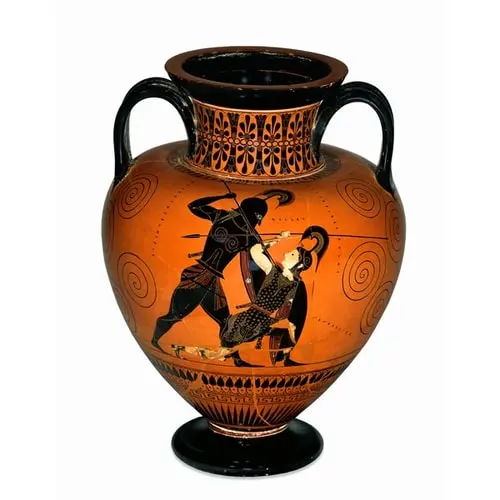
Decoration served both aesthetic and symbolic purposes. From the intricate black-figure pottery of ancient Greece to the elaborate blue-and-white patterns of the Ming Dynasty, pottery became a canvas for storytelling. Artists used slips, oxides, and pigments to depict mythology, daily life, and geometric patterns. These decorative techniques transformed utilitarian objects into status symbols and luxury goods, driving international trade routes like the Silk Road, where ceramics were among the most valuable commodities transported between East and West.
How is pottery made today?
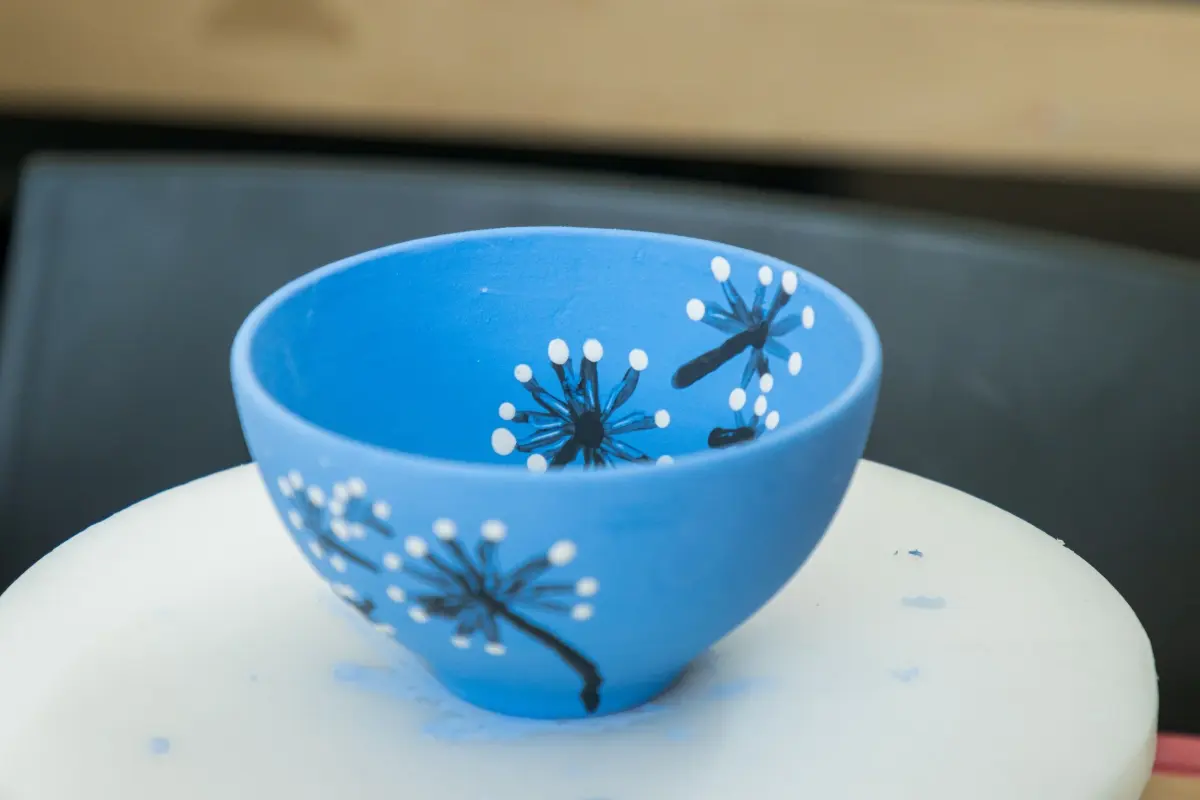
Modern pottery production combines ancient hand-building techniques with industrial technology. While studio potters still use traditional wheels and hand-building methods, large-scale manufacturing utilizes slip casting and automated kilns. Slip casting involves pouring liquid clay, known as slip, into plaster molds, which absorb moisture and create uniform shapes. This process is essential for producing intricate dinnerware and industrial components that require extreme precision.
Regardless of the method, the core process remains the same: shaping, drying, and firing. Drying is a critical stage; if a piece dries too quickly, it will crack due to uneven shrinkage. Once the clay is "bone dry," it undergoes a bisque firing to chemically harden the material. After firing, the piece is porous enough to absorb a glaze, which melts into a glass-like coating during a second, higher-temperature firing. This final step seals the clay and provides the desired color and texture.
Common mistakes when making pottery
Beginners often struggle with the technical nuances of clay preparation and firing. One of the most common errors is failing to wedge the clay properly, which leaves air bubbles trapped inside. During the firing process, these pockets of air expand and can cause the vessel to explode within the kiln, potentially damaging other pieces. Another frequent mistake is rushing the drying process, which leads to warping or structural cracks.
- Neglecting to score and slip when attaching handles or spouts, leading to pieces falling off after firing.
- Applying glaze too thickly, which causes it to run and fuse the pot to the kiln shelf.
- Using clay that is not suitable for the specific firing temperature of the kiln.
- Ignoring the "leather-hard" stage when trimming, which often results in uneven walls or accidental deformation of the vessel.
To avoid these issues, always monitor the moisture content of your clay and ensure that the kiln atmosphere is properly ventilated during the early stages of firing. Consistency in your technique and patience during the drying phase will significantly improve the quality of your finished ceramic work.
Key facts
- The oldest known ceramic object is the Venus of Dolní Věstonice, a figurine dated to approximately 29,000–25,000 BCE.
- Pottery requires three main components: clay, water, and heat, which transforms the malleable material into a permanent, rock-like substance.
- The invention of the potter's wheel in Mesopotamia around 3500 BCE allowed for faster production and more symmetrical vessel shapes.
- Glazing was developed in ancient Egypt and Mesopotamia to make porous earthenware vessels waterproof and decorative.
- When hand-building, always score and slip your clay—scratching the surfaces and adding liquid clay—to ensure two pieces bond securely during firing.
- A common mistake for beginners is leaving air bubbles in the clay, which can cause the piece to explode inside the kiln.
The bottom line
Pottery is a foundational human technology that has evolved from simple hand-molded figurines to sophisticated industrial ceramics. By mastering the fundamental cycle of shaping, drying, and firing, civilizations have created essential tools for storage, cooking, and artistic expression for millennia. Whether you are a beginner or a historian, understanding these core principles reveals how humanity transformed basic earth into the enduring vessels of our collective past.
People also ask
What is the difference between earthenware, stoneware, and porcelain?
Earthenware is fired at lower temperatures and remains porous, while stoneware is fired higher to become non-porous and durable. Porcelain is a refined, high-fire clay that becomes translucent and glass-like when fully vitrified.
Why must pottery be dried completely before firing?
Any remaining moisture turns to steam during the firing process, which can cause the vessel to crack or shatter. This stage is known as the bone-dry state, where the clay feels room temperature to the touch.
What is the purpose of a kiln?
A kiln is a specialized oven designed to reach the high temperatures necessary to chemically alter clay into ceramic. It provides a controlled environment to prevent thermal shock and ensure even heating.
How does the firing process change clay?
Firing triggers a chemical reaction called sintering, where clay particles fuse together to create a rigid structure. Once fired, the clay can no longer be softened by water, making it permanent.
What is the difference between "greenware" and "bisqueware"?
Greenware refers to unfired, shaped clay that is still fragile and recyclable with water. Bisqueware is pottery that has undergone its first firing, making it permanent but still porous enough to absorb glaze.
Can I use any type of clay for pottery?
Not all soil is suitable; natural clay must be refined to remove impurities like rocks and organic matter. Most potters purchase prepared clay bodies formulated for specific firing temperatures and functional uses.
This answer was created with the help of AI research tools and reference sources. Spotted an error? Let us know — we correct mistakes quickly. See our editorial policy.