Crafts & DIY
What are the benefits of pottery?
Pottery offers significant physical and mental health benefits, including stress reduction, improved fine motor skills, and…
Questions and answers about pottery.
Pottery offers significant physical and mental health benefits, including stress reduction, improved fine motor skills, and…
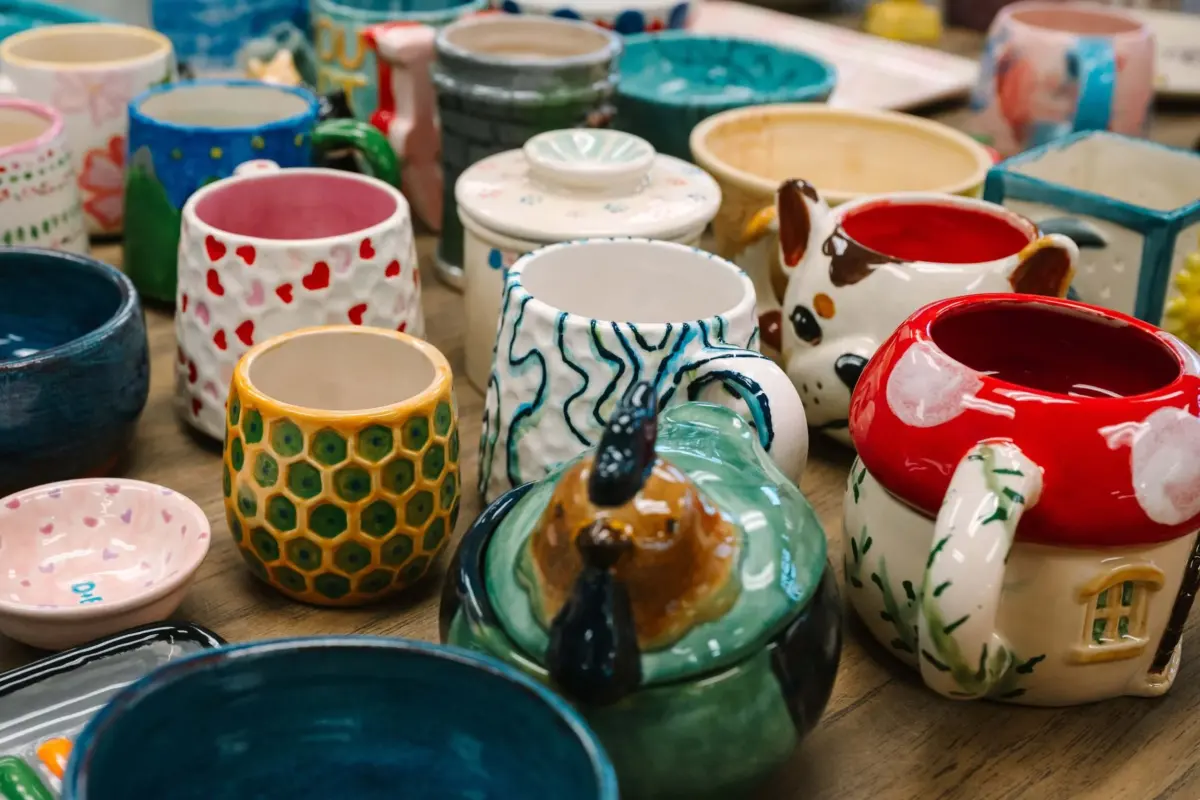
Starting pottery requires access to clay, basic shaping tools, and a kiln for firing. Beginners should enroll in a local studio…
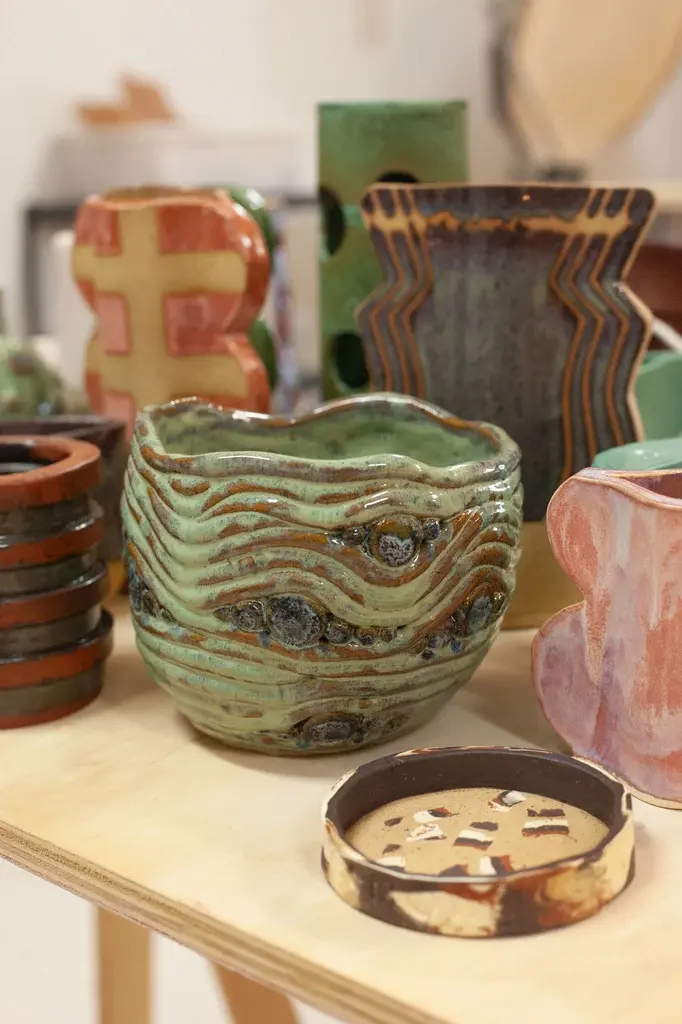
Hand building is a foundational pottery technique where clay forms are constructed using only human hands and simple tools…
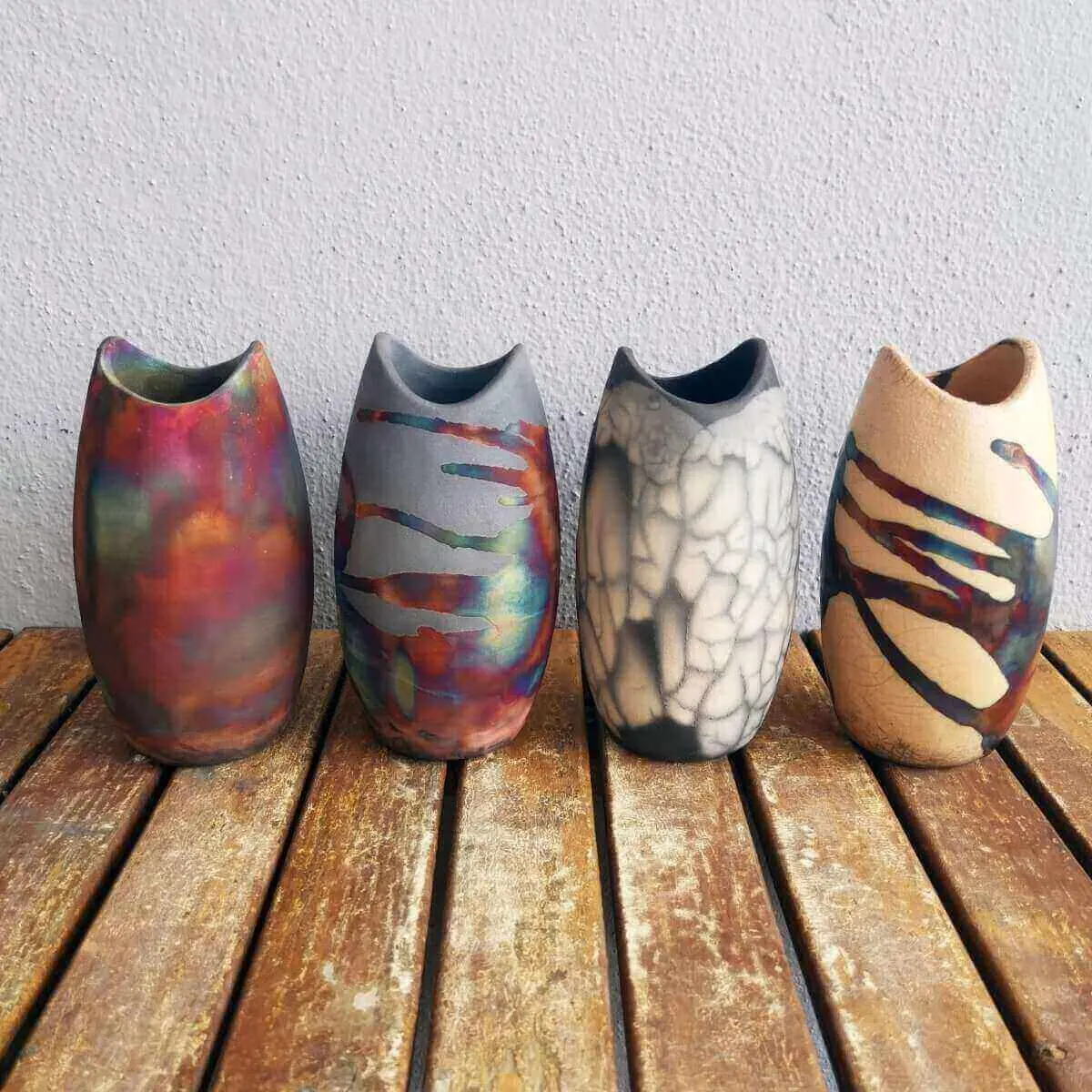
Raku is a specialized Japanese pottery technique characterized by rapid firing and immediate post-firing reduction. Potters…
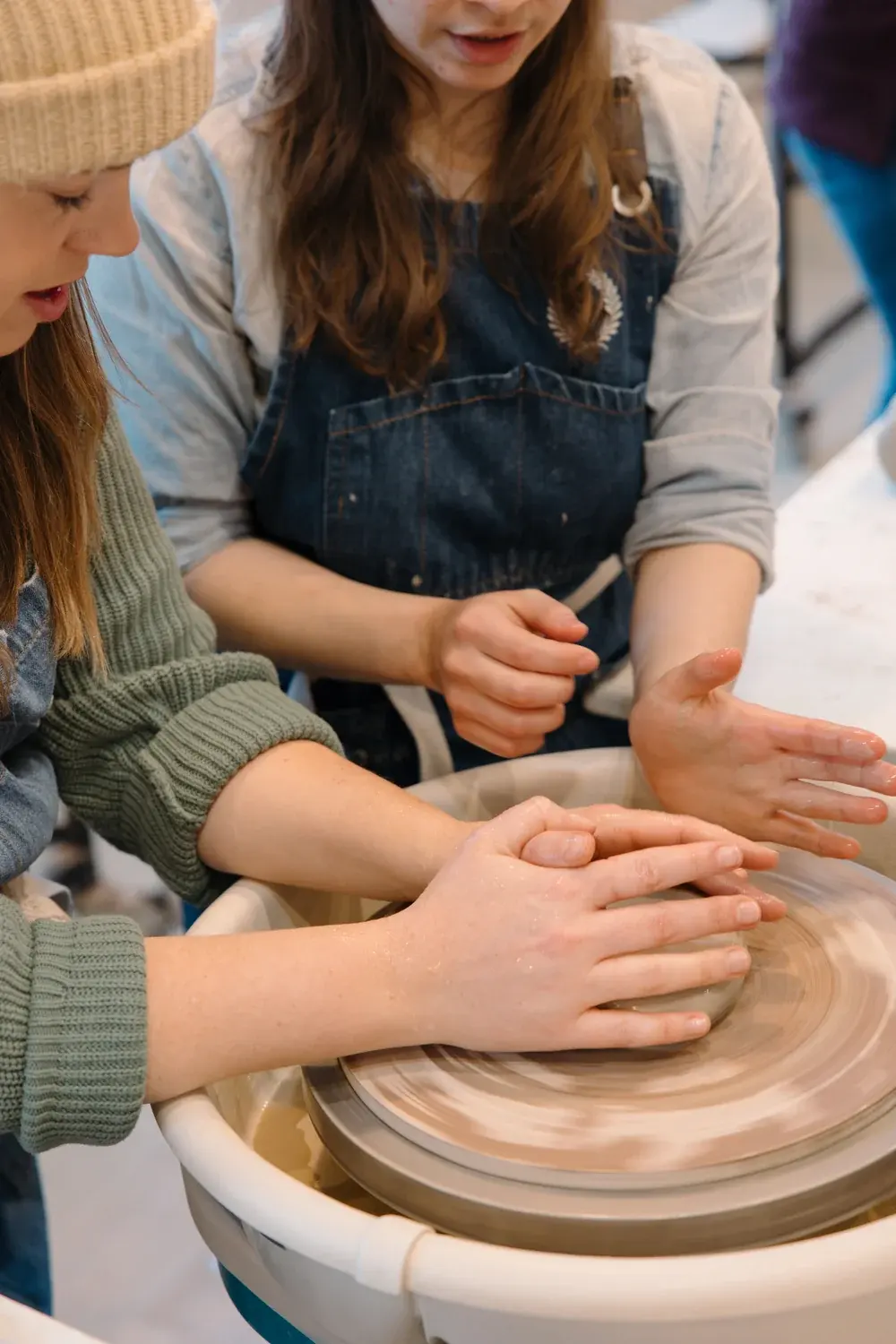
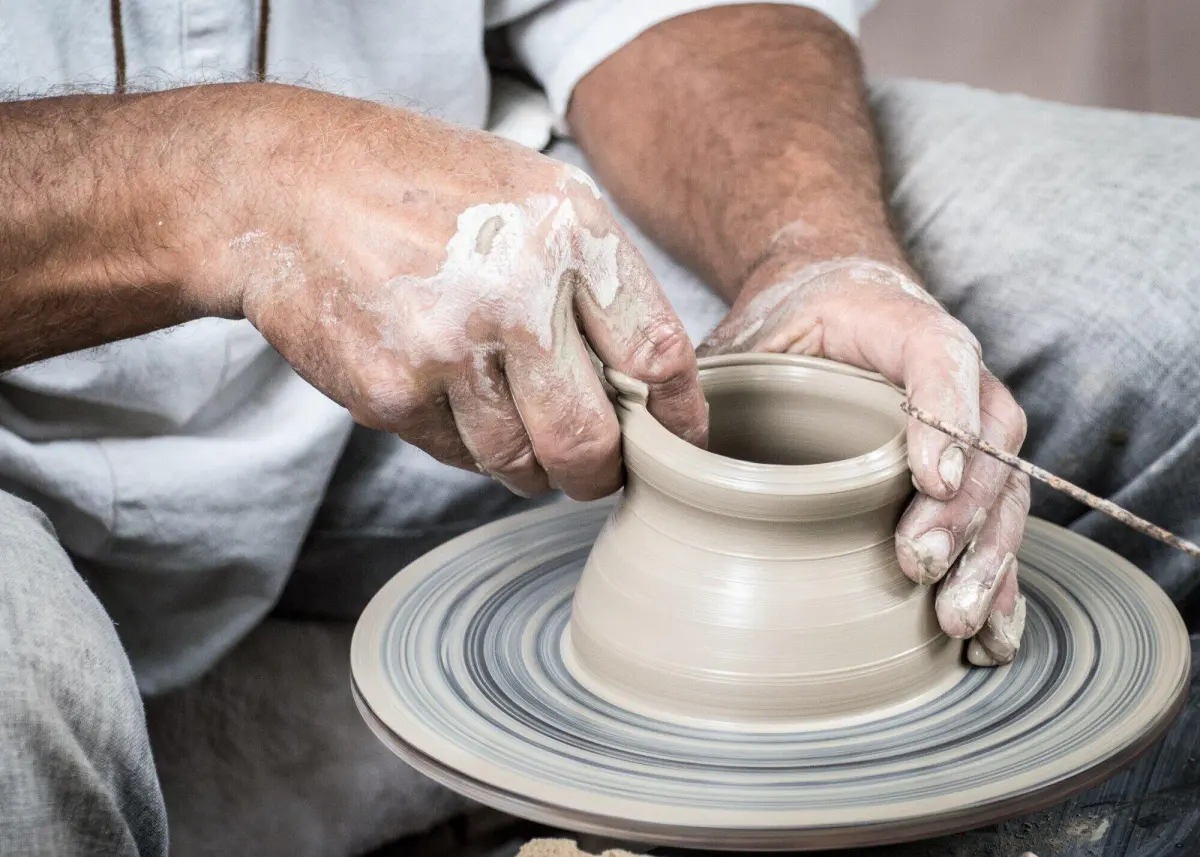
A pottery wheel is a mechanical device used by ceramicists to shape clay into symmetrical, circular forms, such as bowls, vases…
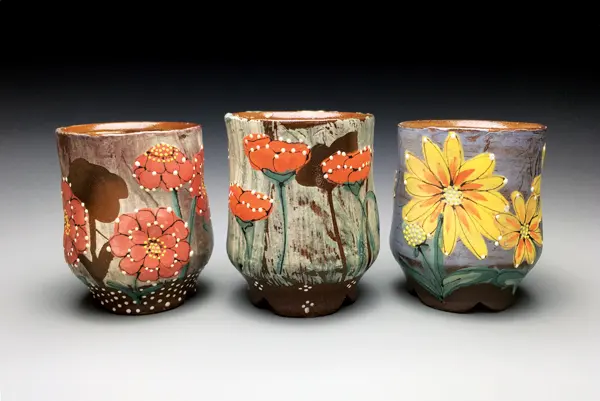
Slip is a liquid mixture of clay and water, often described as having the consistency of heavy cream or yogurt. Potters use it…
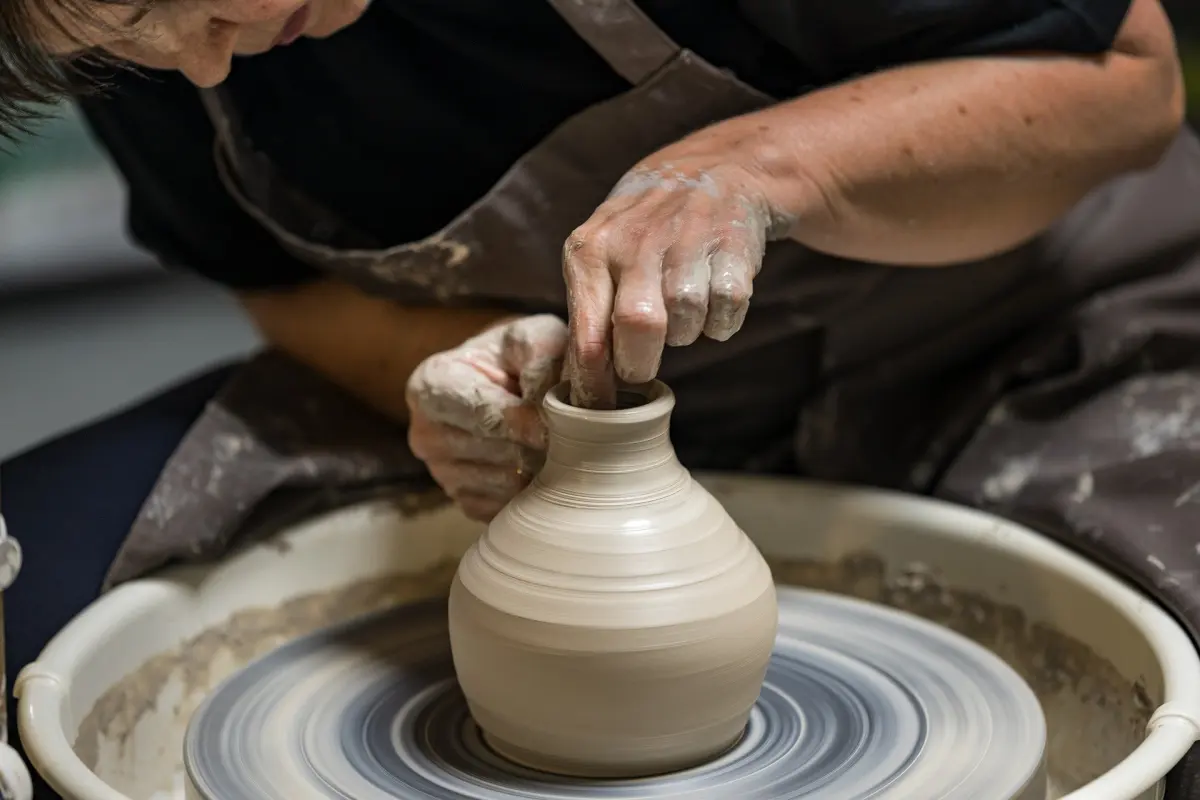
Pottery is a specific subset of ceramics consisting solely of objects made from clay that are hardened by heat. Ceramics is the…
Beginners should prioritize a basic pottery tool kit containing a wire clay cutter, wooden rib, needle tool, loop tool, sponge…
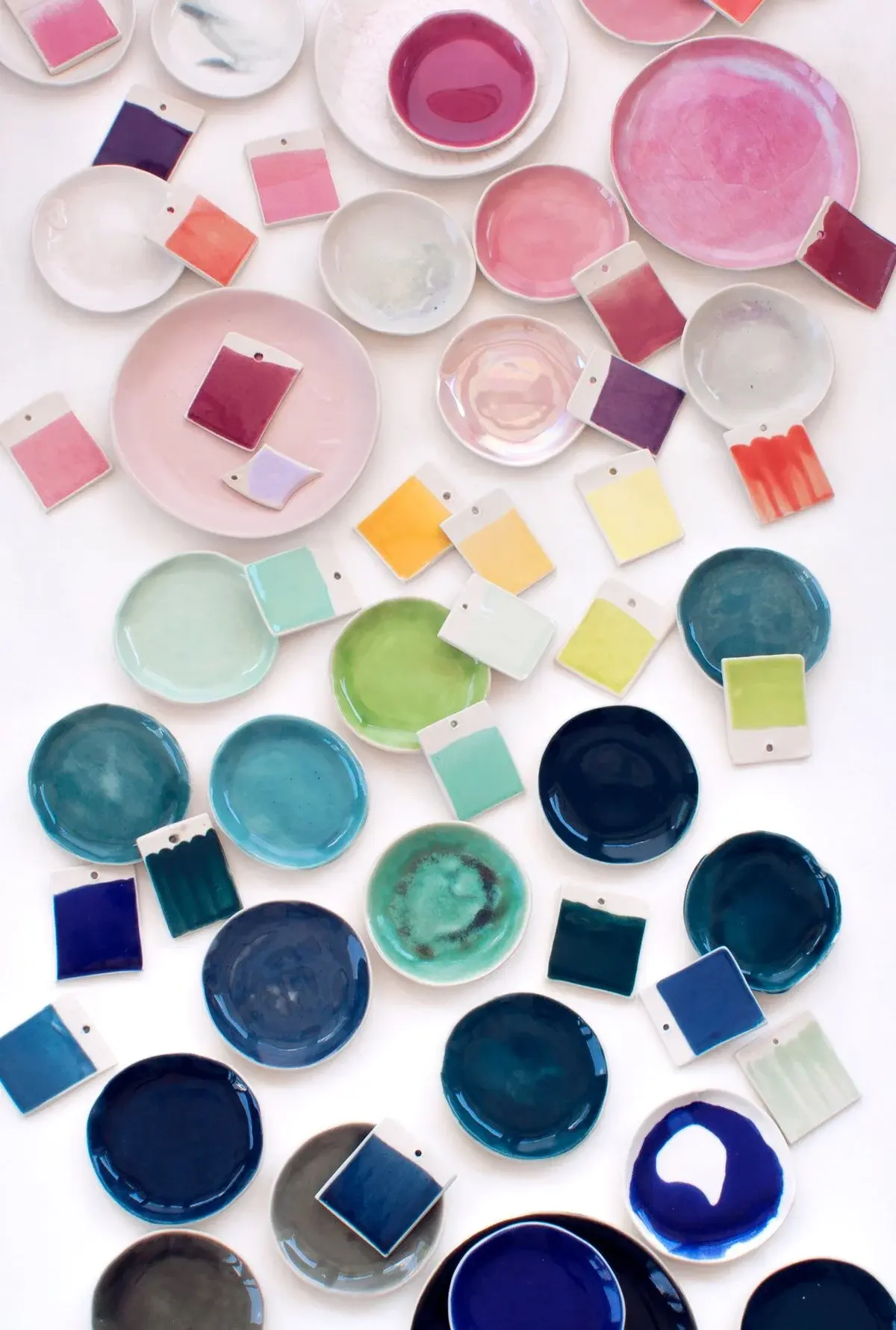
Glazing pottery involves applying a liquid mixture of minerals and silica to fired clay, known as bisque ware. Through a second…
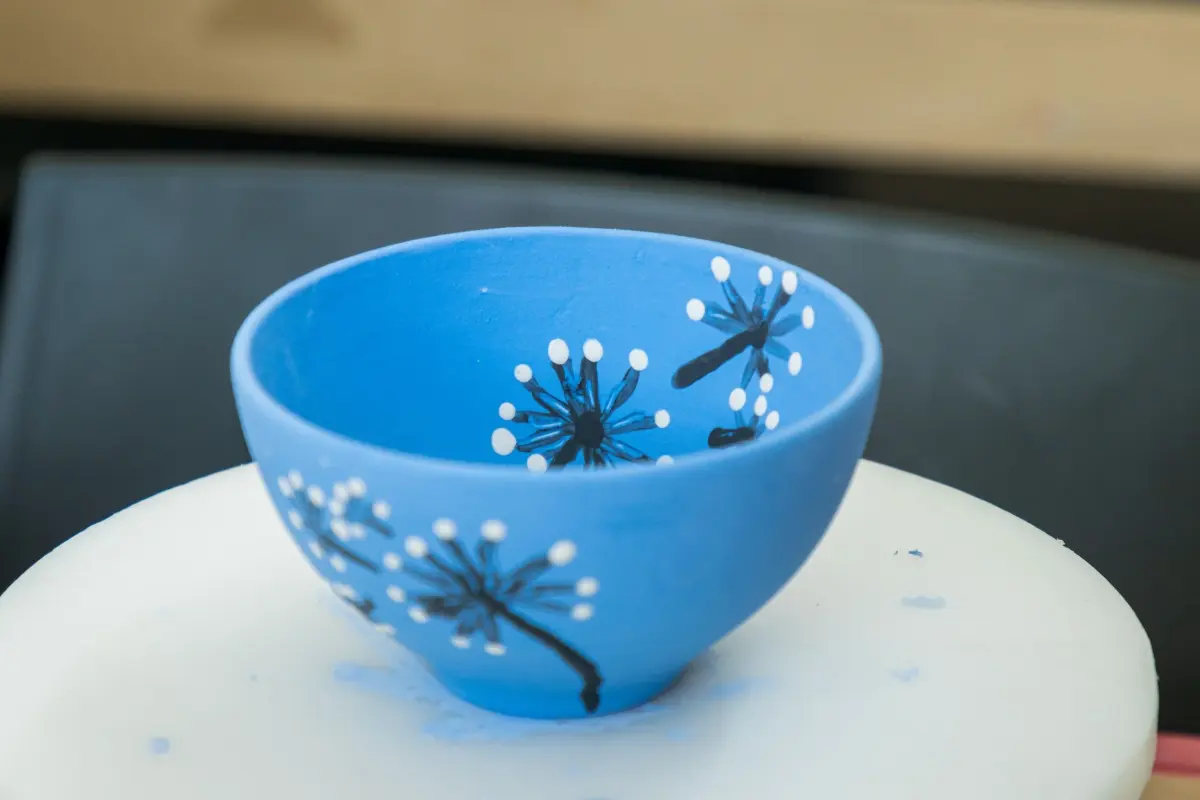
Painting pottery involves applying specialized ceramic glazes or underglazes to either raw clay or bisque-fired ware. You must…
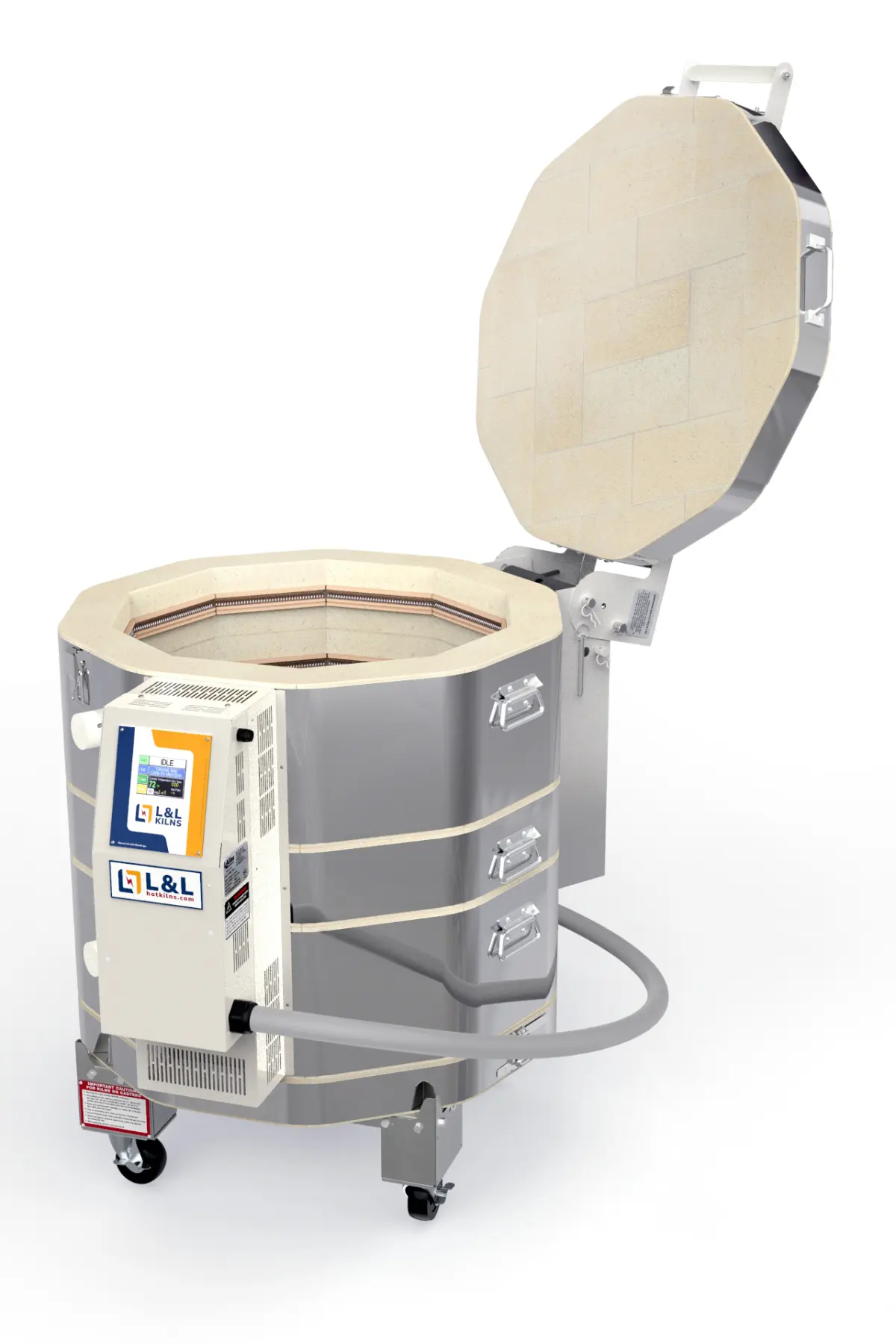
Yes, you can create pottery without a kiln by using air-dry clay or polymer clay. While these materials do not require…
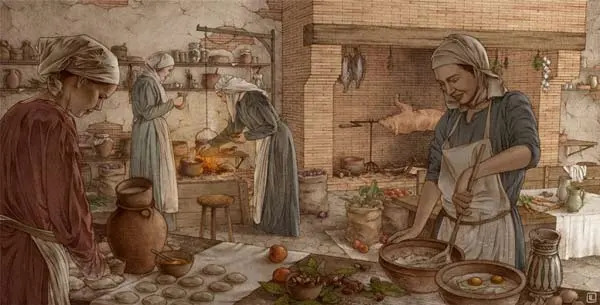
Pottery is the craft of creating vessels and objects from clay, hardened by heat. Its history spans over 20,000 years, beginning…