What is slip in pottery?
Short answer
Slip is a liquid mixture of clay and water, often described as having the consistency of heavy cream or yogurt. Potters use it as a fluid adhesive to join leather-hard clay pieces, as a decorative medium for surface design, or as a casting material when poured into porous plaster molds.
On this page
What is slip used for in pottery?
Slip serves three primary functions in the ceramic studio: joining, decorating, and casting. When attaching two pieces of leather-hard clay, potters use slip as a "glue" to ensure a strong bond. Without this liquid layer, the pieces might separate during the drying process or crack in the kiln.
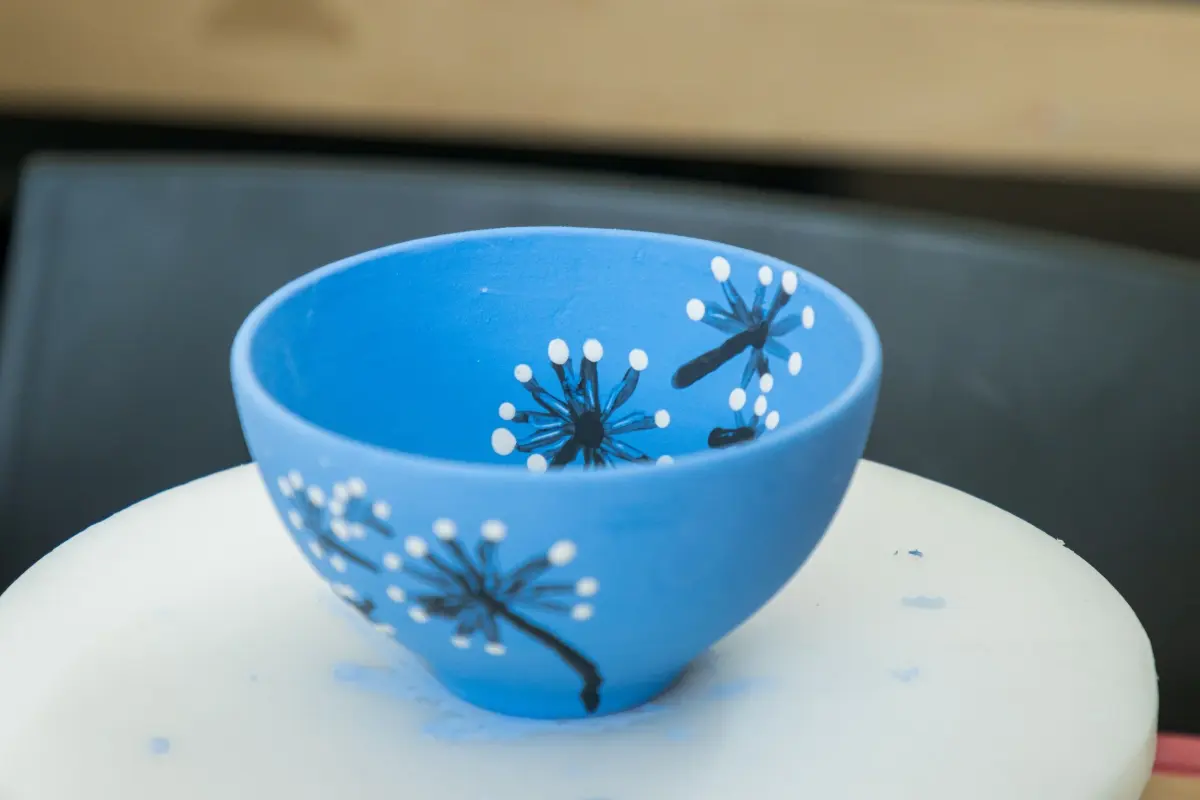
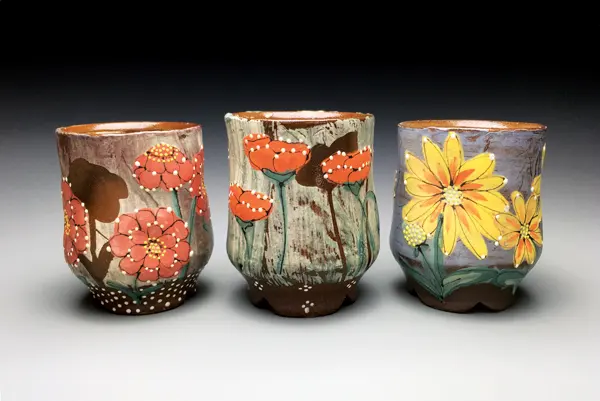
Beyond structural utility, slip is a versatile artistic tool. Potters use colored slips, known as engobes, to paint patterns or images onto unfired clay surfaces. When poured into plaster molds, a specialized, highly liquefied slip is used for slip casting, a technique that allows for the mass production of complex, identical ceramic forms.
- Joining: Applying slip to scored surfaces to fuse clay parts.
- Decoration: Using slip trailing or brushing to add color and texture.
- Casting: Filling plaster molds to create hollow, uniform shapes.
- Repair: Filling small cracks or imperfections in greenware.
How do you make pottery slip?
Creating basic slip is a straightforward process that involves mixing clay with water until it reaches the desired viscosity. Most potters prefer to use the same clay body they are currently working with to ensure that the slip shrinks at the same rate as the main piece. This compatibility prevents the slip from flaking off or causing stress fractures during the drying and firing stages.
To prepare a batch, take small, dry scraps of clay—often called "reclaim"—and place them in a container. Cover the scraps with water and allow them to slake down, which means letting the clay absorb the liquid until it softens completely. Once the clay is fully saturated, stir or blend the mixture until it is smooth and free of lumps.
- Use distilled water to prevent mineral buildup or contamination.
- Add a small amount of vinegar to the slip to help deflocculate the particles, which improves the flow and adhesion.
- Store the slip in an airtight container to prevent evaporation and keep the consistency stable for future use.
How to use slip for joining clay
The most common application for slip is the "score and slip" method. This technique is essential for attaching handles to mugs, spouts to teapots, or decorative elements to a vessel. If you attempt to join two pieces of clay without this process, the bond will likely fail as the water evaporates and the clay shrinks.
To join pieces effectively, follow these steps:
- Score both surfaces that will be touching by scratching deep, cross-hatched lines into the clay with a needle tool or serrated rib.
- Apply a generous amount of slip to both scored areas using a brush or your finger.
- Press the two pieces firmly together, using a slight wiggling motion to interlock the scored textures.
- Clean up any excess slip that squeezes out of the seam using a damp sponge or a wooden modeling tool.

Why does slip crack or peel off?
Cracking or peeling usually occurs because of a mismatch in moisture content or shrinkage rates between the slip and the clay body. If the slip is too thick or contains too much organic material, it will shrink faster than the underlying clay as it dries. This tension causes the slip to pull away from the surface, resulting in unsightly cracks or total detachment.
Another common cause is applying slip to clay that is too dry. When slip is applied to bone-dry greenware, the moisture in the slip is absorbed too rapidly by the porous clay, preventing a proper bond. Always ensure that both the object and the added piece are at a similar stage of leather-hard dryness to ensure that they dry and shrink in unison.
- Avoid applying slip to bone-dry clay, as the lack of moisture prevents adhesion.
- Ensure the slip is not too thick; if it resembles thick paste, add more water.
- Check for air bubbles in the slip, as these can cause small explosions or craters during the firing process.
Common mistakes when using slip
One of the most frequent errors is using slip that is too watery. While it might be easy to brush on, thin slip lacks the clay particles necessary to create a strong structural bond. Conversely, using slip that is too thick can lead to uneven drying and cracking. Aim for the consistency of heavy cream to achieve the best results for both joining and surface decoration.
Another mistake is failing to score the clay deeply enough. Simply brushing slip onto a smooth surface does not provide enough surface area for the slip to grip. Always ensure the scoring is deep and covers the entire area where the pieces will meet. By maintaining proper consistency and ensuring thorough mechanical bonding, you can avoid the frustration of failed joints and ruined pottery.
Key facts
- Slip is a liquid mixture of clay and water with a consistency similar to heavy cream or yogurt.
- It acts as a glue in ceramics, essential for joining two pieces of leather-hard clay together.
- To join clay, you must "score and slip," meaning you scratch both surfaces before applying slip to create a strong bond.
- Potters often add metal oxides or stains to slip to create colored coatings for decorative surface designs.
- Deflocculants like sodium silicate are sometimes added to casting slip to minimize water content and improve flow.
- Always ensure the clay bodies of the slip and the object are compatible to prevent cracking during firing.
The bottom line
Slip is an essential component in the potter's toolkit, serving as both a structural adhesive and a decorative medium. By mastering the "score and slip" technique, you ensure the longevity of your ceramic pieces. Whether you are casting complex forms or simply attaching handles, maintaining the correct consistency and using compatible clay bodies will prevent common failures like cracking, warping, or pieces detaching during the firing process.
People also ask
Can I use slip to repair a piece of pottery that has already been fired?
No, slip is only effective on unfired, leather-hard clay. Once a piece has been bisque-fired, the clay particles have chemically altered and will no longer bond with liquid slip.
What is the difference between slip and slurry?
Slip is typically a refined, smooth mixture of clay and water used for casting or decorating. Slurry is often a thicker, coarser byproduct created during the wheel-throwing process that contains small clay chunks and debris.
How do I store slip so it does not dry out?
Store your slip in an airtight plastic container to prevent evaporation. If the slip thickens over time, simply add a small amount of water and stir thoroughly to restore the desired consistency.
Is casting slip the same as the slip used for joining clay?
They are different; casting slip contains chemical deflocculants to keep it fluid with very little water. Joining slip is usually just a mixture of the same clay body and water, often thicker than casting slip.
Why does my slip-joined handle keep falling off?
This usually happens because the clay was too dry when joined or you failed to score the surfaces deeply enough. Ensure both pieces are at a similar leather-hard stage and press them firmly together.
Can I make my own slip at home?
Yes, you can make slip by drying out scraps of your clay, crushing them into a powder, and mixing them with water. Use a whisk or an immersion blender to ensure the mixture is perfectly smooth and free of lumps.
This answer was created with the help of AI research tools and reference sources. Spotted an error? Let us know — we correct mistakes quickly. See our editorial policy.