What is the difference between ceramics and pottery?
Short answer
Pottery is a specific subset of ceramics consisting solely of objects made from clay that are hardened by heat. Ceramics is the broader scientific and industrial field encompassing all inorganic, non-metallic materials shaped and fired at high temperatures, including advanced technical materials like glass, cement, porcelain, and high-performance engineering components.
On this page
What is the technical difference between ceramics and pottery?
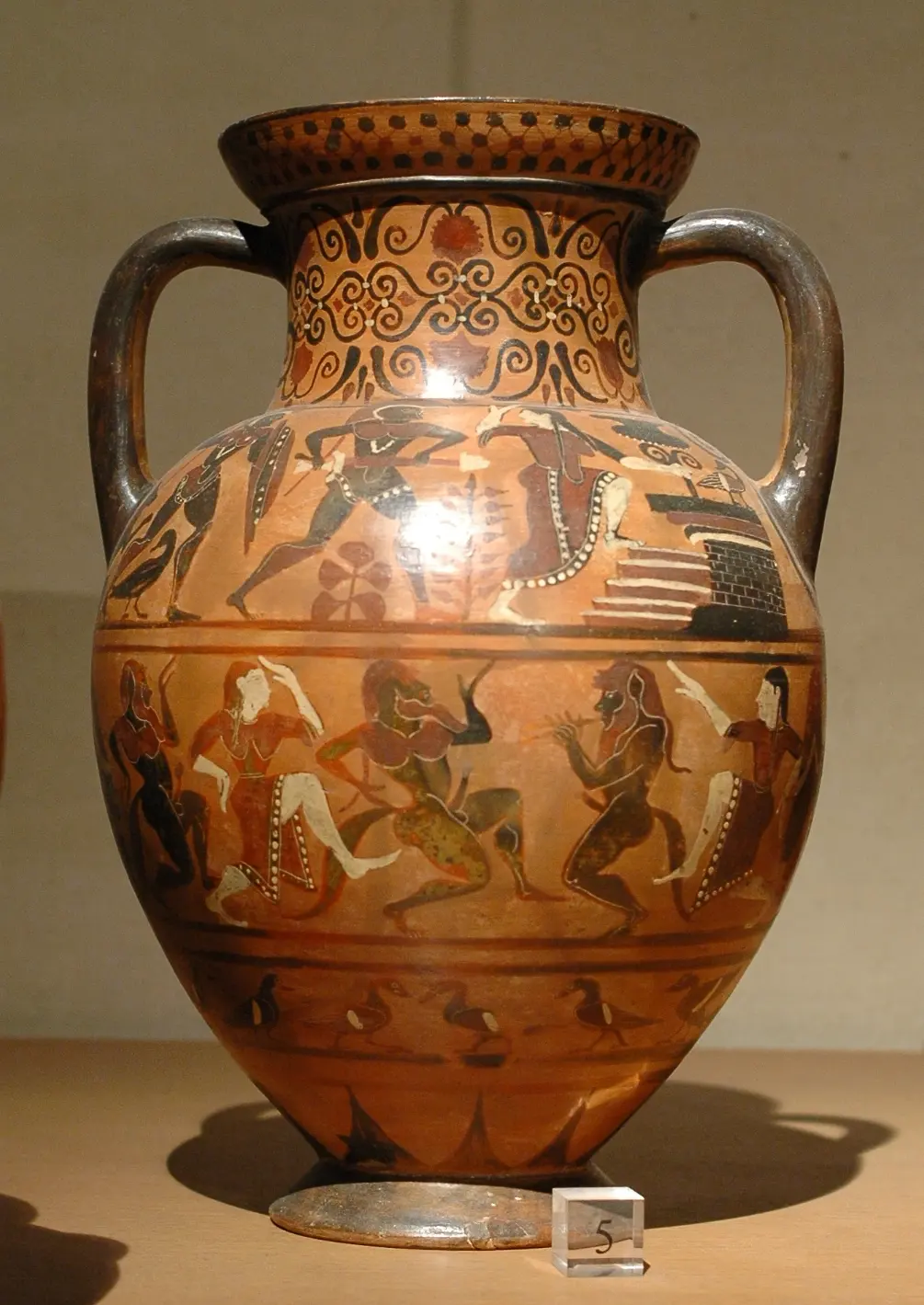
Pottery refers specifically to vessels or decorative objects formed from clay and fired in a kiln. The process relies on the plasticity of clay minerals, which become rigid and durable once exposed to intense heat. Historically, pottery has been used for storage, cooking, and artistic expression for thousands of years, dating back to the Jōmon period in Japan around 14,000 BCE.
Ceramics is a much wider category that includes pottery but extends into advanced materials science. It encompasses any inorganic, non-metallic solid that is formed by heat. This includes traditional clay-based items, but also glass, porcelain, refractories, and modern technical ceramics used in aerospace and electronics. While all pottery is ceramic, not all ceramics are pottery. Scientists define ceramics by their atomic structure, which typically features ionic and covalent bonds, resulting in high melting points and hardness.
How to identify different types of pottery
Pottery is generally categorized by the temperature at which it is fired and the composition of the clay body. These distinctions dictate the durability and water absorption of the finished piece. Understanding these categories helps collectors and makers determine the intended use of a vessel.
- Earthenware: Fired at low temperatures (1,700–2,100°F), it remains porous unless glazed. Common examples include terra-cotta flowerpots.
- Stoneware: Fired at higher temperatures (2,100–2,300°F), it is dense, non-porous, and chip-resistant. It is the standard for modern dinnerware.
- Porcelain: Fired at very high temperatures (2,300–2,500°F), it is refined, translucent, and extremely hard. It was famously perfected in China during the Tang Dynasty.
When identifying pottery, check for weight, translucency, and the presence of a glaze. Earthenware is often heavier and more brittle, while porcelain should allow light to pass through thin edges.
How to choose materials for ceramic projects
Selecting the right material depends entirely on the final function of the object. If you are creating a decorative sculpture, you might prioritize the workability of the clay over its final strength. However, if you are making functional kitchenware, you must choose materials that can withstand thermal shock and food safety requirements.
- Assess the intended use: Will the item hold liquid, or is it purely for display?
- Check the firing range: Ensure your clay body matches the temperature capabilities of your kiln.
- Verify toxicity: For food-bearing vessels, ensure all glazes are lead-free and food-safe.
- Test for shrinkage: All clays shrink as they dry and fire; account for this by making your initial form 10–15% larger than the desired finished size.
Avoid mixing clays with different firing ranges in a single piece, as this causes uneven tension and leads to cracks during the cooling process.
Why ceramic failures happen during firing
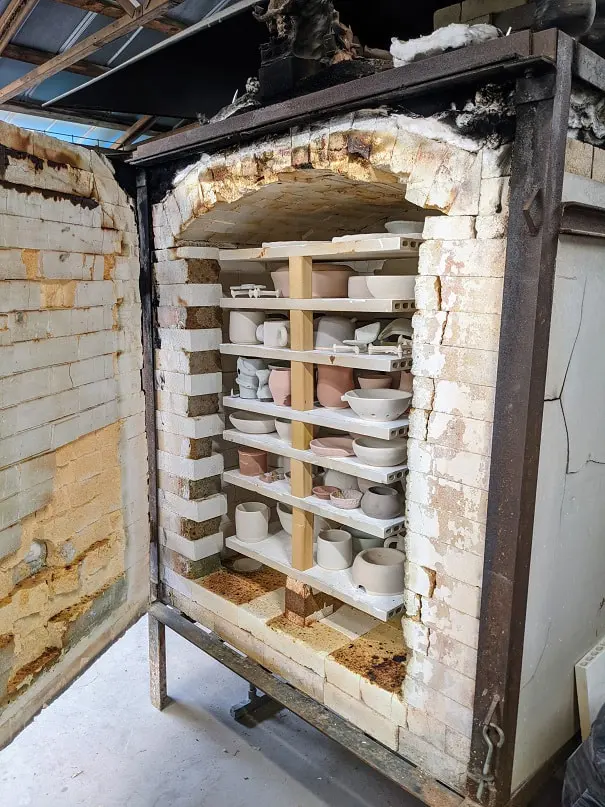
The firing process is the most volatile stage of ceramic production. Failures often occur due to trapped moisture or uneven heating. If a piece contains trapped air bubbles or residual water, the rapid expansion of steam inside the kiln can cause the object to explode. This phenomenon, known as "dunting," can destroy an entire kiln load if not managed carefully.
Another common issue is thermal shock, which happens when a piece is heated or cooled too quickly. Ceramics are brittle by nature; rapid temperature changes cause different parts of the object to expand or contract at different rates. To prevent this, kiln operators use "ramps," which are controlled, gradual increases and decreases in temperature. Always ensure your pieces are "bone dry" before firing, meaning they feel room temperature to the touch, indicating that all chemically unbound water has evaporated.
Common mistakes when working with clay
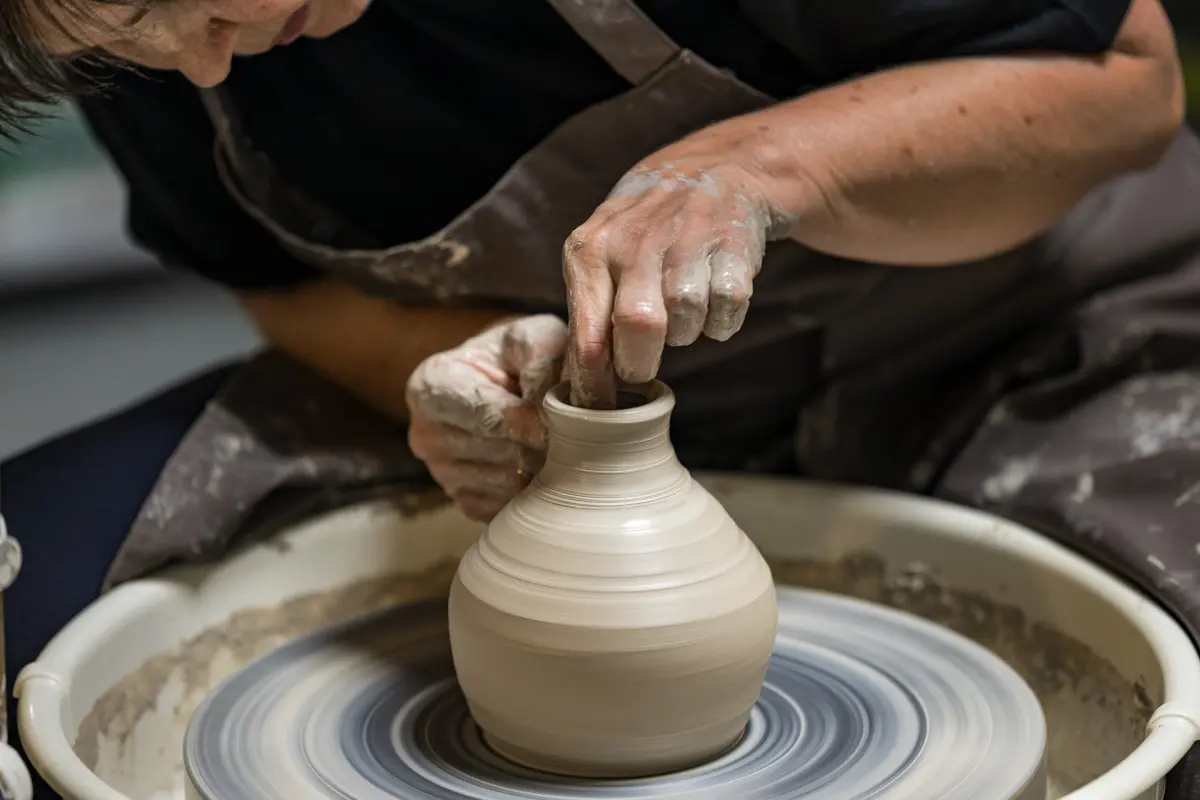
Beginners often struggle with the structural integrity of their work because they overlook basic preparation steps. One frequent error is failing to "wedge" the clay properly before shaping. Wedging is the process of kneading the clay to remove air pockets and ensure a uniform moisture content throughout the mass. Without this, the clay will have weak spots that lead to warping or collapsing during the firing stage.
Another mistake is joining two pieces of clay without proper "scoring and slipping." To join two parts, such as a handle to a mug, you must scratch the surfaces (scoring) and apply a thin slurry of clay and water (slip) to act as a glue. If you skip this, the bond will inevitably fail as the clay dries and shrinks. Finally, avoid making the walls of your vessel too thin at the base while leaving the rim thick; this imbalance creates structural stress that leads to cracks at the bottom of the pot.
Key facts
- Pottery refers specifically to objects made from clay that are hardened by heat, such as bowls, vases, and plates.
- Ceramics is a broader scientific term encompassing all inorganic, non-metallic solid materials shaped and hardened by high-temperature firing.
- All pottery is technically a type of ceramic, but not all ceramics are pottery.
- Industrial ceramics include advanced materials like alumina, silicon carbide, and zirconia used in aerospace, electronics, and medicine.
- Pottery is typically categorized into three main types: earthenware, stoneware, and porcelain, based on clay composition and firing temperature.
- A common mistake is assuming ceramics are only for art; they are essential components in spark plugs, dental implants, and cutting tools.
The bottom line
The primary distinction lies in scope: pottery is a specialized subset of ceramics focused on clay-based functional or decorative vessels. While pottery is an ancient craft defined by kiln-firing clay, ceramics is a vast field of materials science covering everything from dinnerware to heat-resistant space shuttle tiles. Understanding this hierarchy helps clarify why your coffee mug is both a piece of pottery and a ceramic product.
People also ask
What is the difference between earthenware and stoneware?
Earthenware is porous, fired at lower temperatures (around 1,000–1,150°C), and requires a glaze to be waterproof. Stoneware is fired at higher temperatures (1,200–1,300°C), making it dense, non-porous, and durable enough for everyday kitchen use.
Can you make ceramics at home?
You can easily make pottery at home using a kiln or air-dry clay for hobby projects. However, manufacturing industrial ceramics requires specialized laboratory equipment to control microscopic material structures and extreme heat.
Why are ceramics considered brittle?
Ceramics have strong ionic or covalent bonds that prevent atoms from sliding past one another, which makes them hard and heat-resistant. This lack of atomic flexibility means that when they reach their stress limit, they fracture rather than bend.
Is porcelain considered a type of pottery?
Yes, porcelain is a high-quality type of pottery made from kaolin clay fired at extremely high temperatures. It is distinguished by its white color, translucency, and glass-like surface quality after firing.
What is the purpose of glazing pottery?
Glazing serves two main purposes: it creates a decorative finish and seals the porous clay body. A properly applied and fired glaze prevents liquids from seeping into the clay, making the vessel food-safe and hygienic.
How hot does a kiln need to be for pottery?
Most pottery is fired between 900°C and 1,300°C depending on the clay type. Low-fire clay matures around 1,000°C, while high-fire stoneware and porcelain require temperatures exceeding 1,200°C to achieve full vitrification.
This answer was created with the help of AI research tools and reference sources. Spotted an error? Let us know — we correct mistakes quickly. See our editorial policy.